Agricultural Lime & Soil Amendment
From Quarry Stone to Bagged Agricultural Lime: Plant Design Considerations
2026-10-14 14:17:15
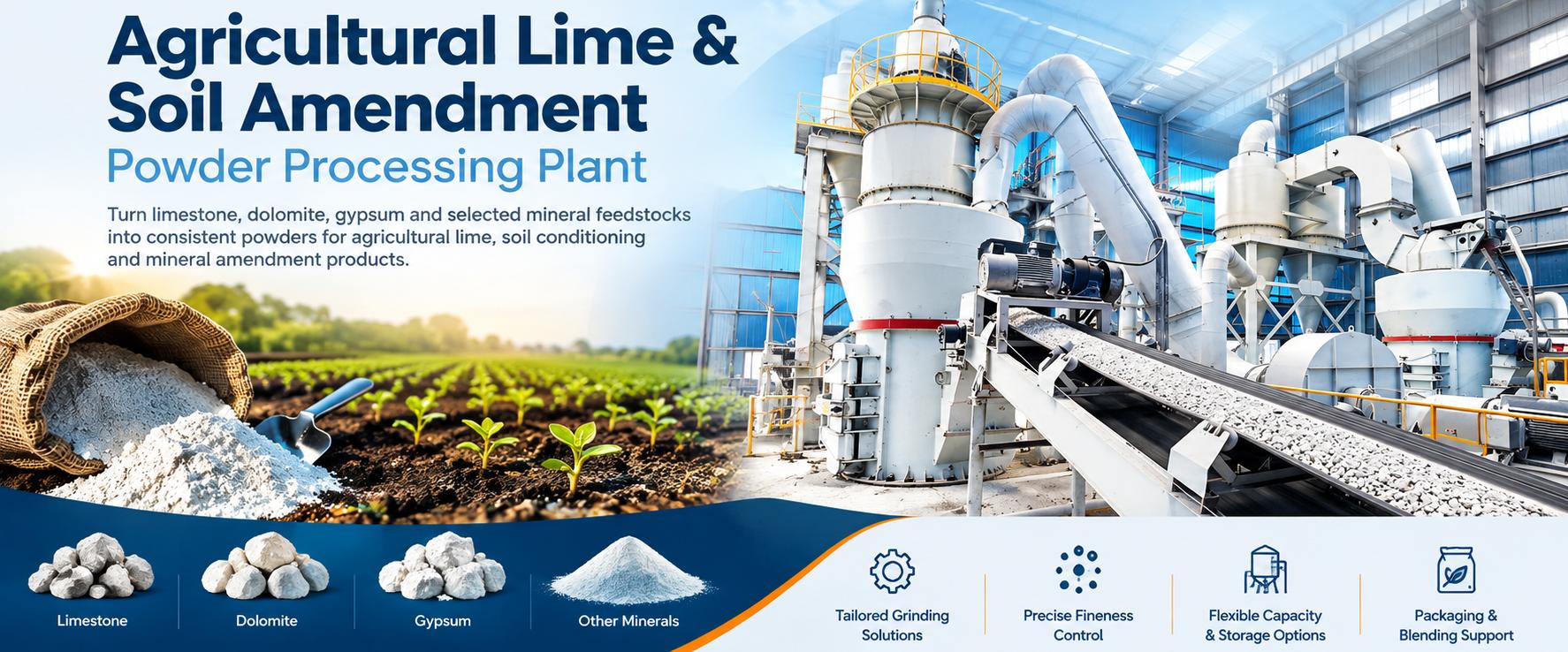
Turning quarry limestone into bagged agricultural lime involves much more than crushing and grinding rock. A successful production plant must coordinate raw material handling, particle-size reduction, grinding, dust collection, finished-product storage, and packaging while maintaining consistent product quality and reliable output.
For investors and mineral processing companies planning a new facility, the most important design decisions should be made before equipment procurement begins. The raw material characteristics, intended agricultural application, required product fineness, production capacity, site conditions, and packaging requirements all influence the final plant configuration.
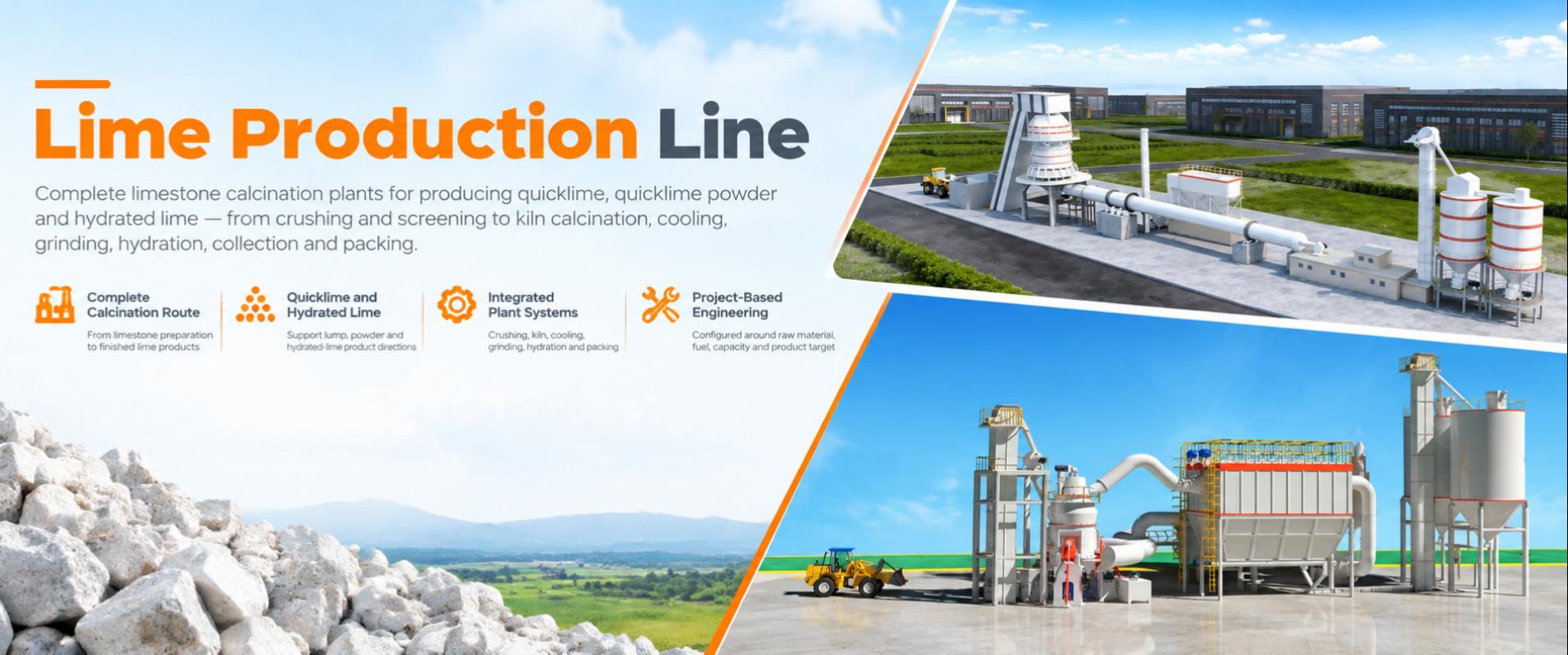
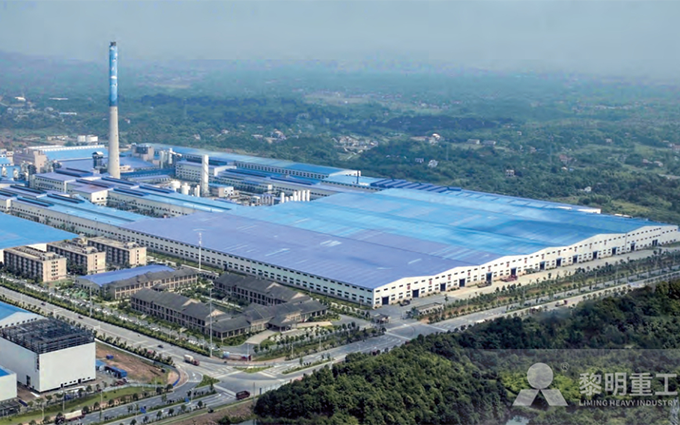
Liming Heavy Industry provides grinding equipment for limestone and other non-metallic mineral processing applications. The following guide explains the main stages and design considerations for a plant that processes quarry stone into bagged agricultural limestone powder.
1. Start with the Quarry Material and Finished Product
Plant design begins with two questions: what material will enter the factory, and what product will leave it? Limestone from different quarries can vary in hardness, chemical composition, moisture content, and particle-size distribution. These differences affect crushing requirements, grinding performance, and the quality of the finished product.
Before selecting equipment, obtain representative raw material samples and confirm the intended product specifications.
Raw material: Limestone type, chemical composition where relevant, hardness, abrasiveness, and moisture content.
Incoming stone size: Maximum feed size and the proportion of oversized material.
Finished-product fineness: Required particle-size range or sieve specification.
Product quality: Applicable agricultural standards, chemical requirements, and moisture limits.
Production target: Required output in tonnes per hour or tonnes per day.
Packaging format: Small bags, larger industrial bags, bulk loading, or a combination of delivery methods.
These details establish the design basis for the complete production line. They also help determine whether the quarry stone needs extensive preparation or can be fed directly into a suitable grinding system after limited processing.
2. Plan the Complete Process from Quarry to Bag
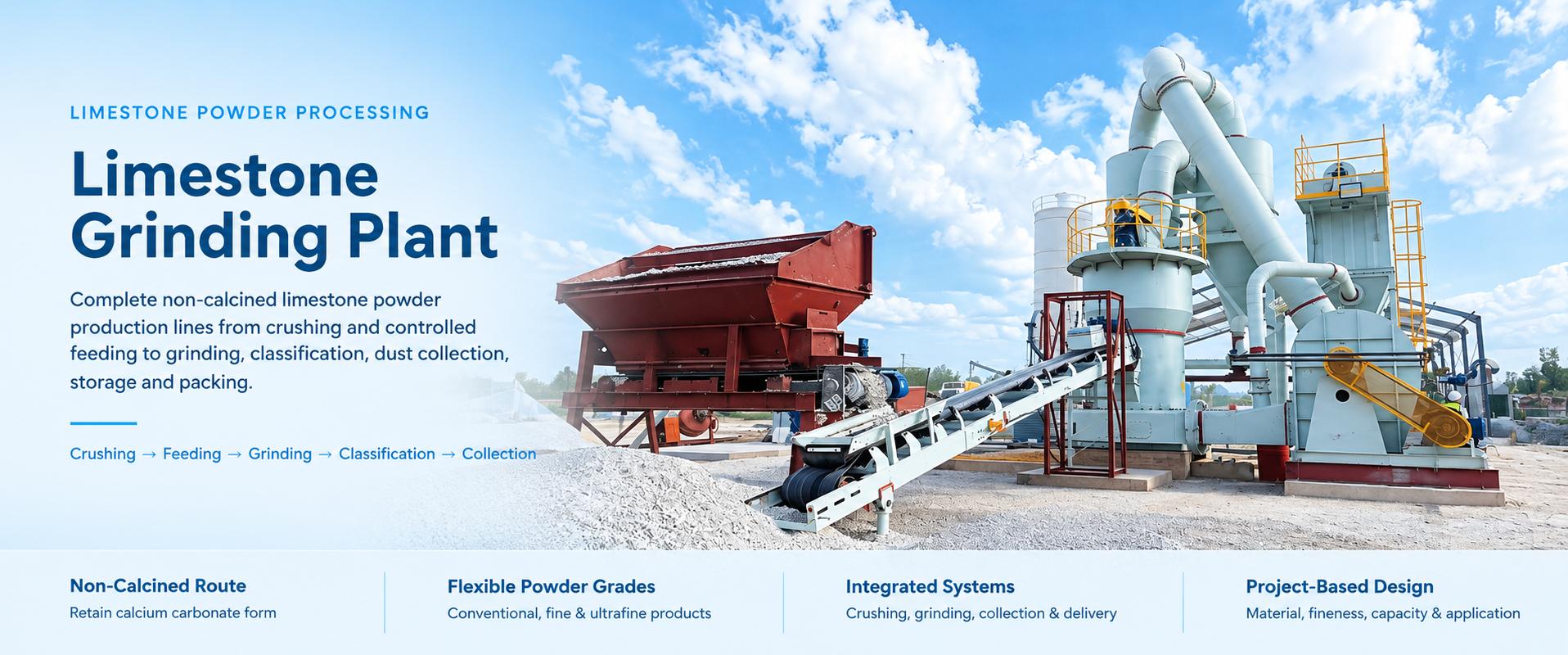
A typical ground agricultural limestone plant follows a sequence of material preparation, grinding, powder collection, storage, and packaging. The exact arrangement depends on the incoming stone size and the product requirements.
Quarry delivery and receiving: Trucks deliver limestone to a designated receiving area, where the material is inspected and discharged into a hopper or stockpile.
Primary crushing: A crusher reduces large stones to a size suitable for downstream processing when the quarry feed is too large for the selected mill.
Screening and conveying: Screens separate material by size where needed, while conveyors and transfer equipment move it through the plant.
Intermediate storage and feeding: A storage bin or hopper provides a buffer and supports a more consistent feed rate to the grinding system.
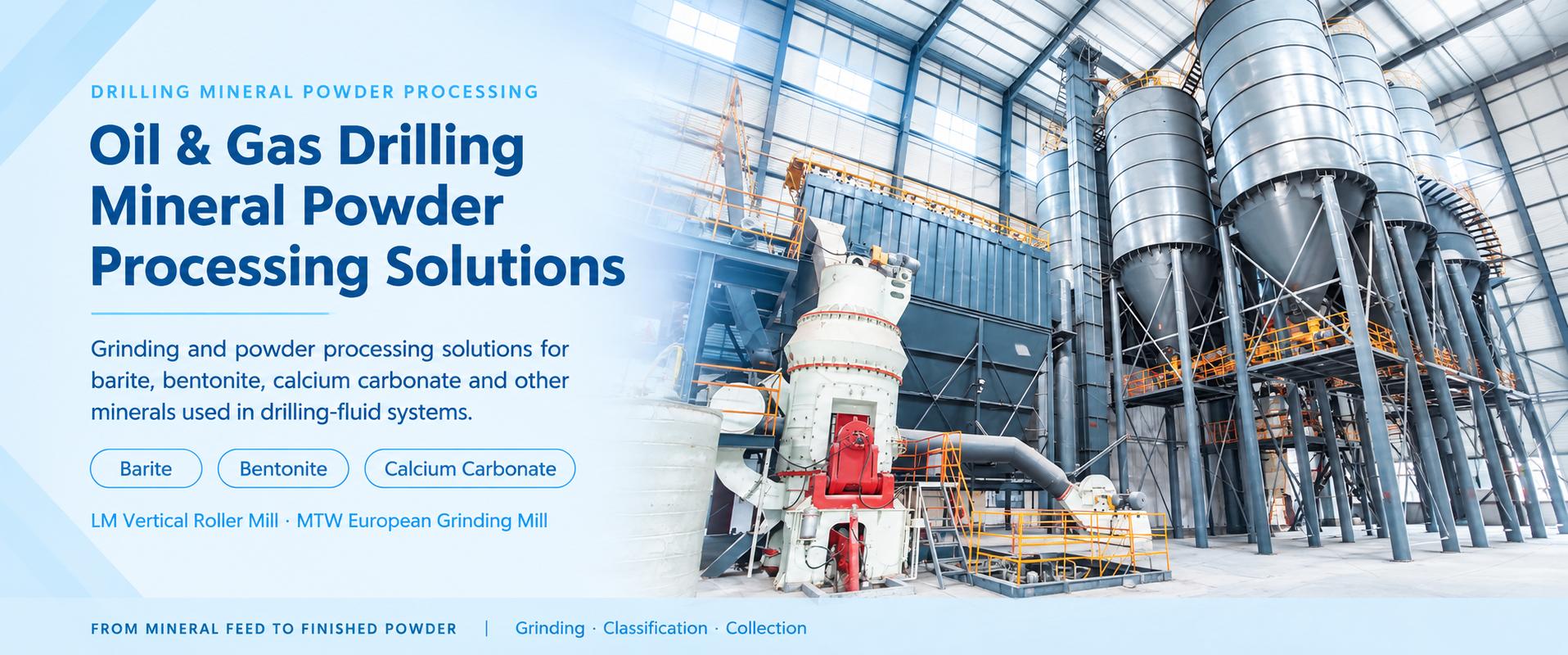
Grinding and classification: The limestone is ground and classified to achieve the required finished-powder specification.
Dust collection: A suitable dust collection system captures fine particles from the process air stream.
Finished-product conveying: The collected powder is transferred to a silo or another storage facility.
Bagging and dispatch: The finished product is weighed, packed, sealed where required, and prepared for warehouse storage or shipment.
Not every project needs a separate crusher, screen, or intermediate stockpile. If the quarry supplies appropriately sized material, the preparation stage may be simplified. Equipment should be included according to actual feed conditions rather than automatically copying a standard plant layout.
3. Select Crushing Equipment According to the Feed Size
Quarry limestone can arrive in large, irregular pieces. Before selecting a crusher, determine the maximum feed size, required discharge size, expected feed rate, and material characteristics.
The crusher must deliver material that is suitable for the selected grinding mill. If the crushed product is too coarse, the mill may experience feeding problems or reduced throughput. If crushing produces excessive fines or consumes unnecessary energy, the overall process may also become less efficient.
When designing the crushing stage, consider:
The size distribution of the stone delivered from the quarry
The required feed size for the selected grinding mill
Crusher capacity and the expected operating schedule
Screening requirements and the handling of oversize material
Wear-part replacement, maintenance access, and dust control
For a plant with variable quarry feed, a screening and storage arrangement may help maintain a more consistent supply to the grinding section. The final design should also allow safe access for inspection and maintenance.
4. Choose the Right Grinding Mill for Agricultural Limestone
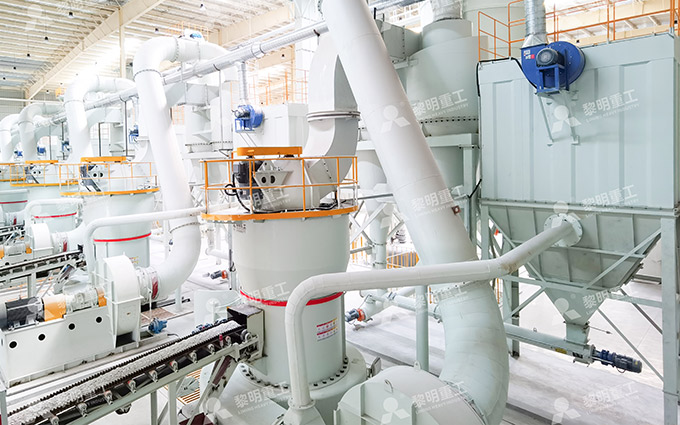
Grinding is a critical stage because it determines whether the finished powder meets the required fineness and production target. The selected mill must match the limestone's grindability, prepared feed size, target particle-size distribution, and expected operating hours.
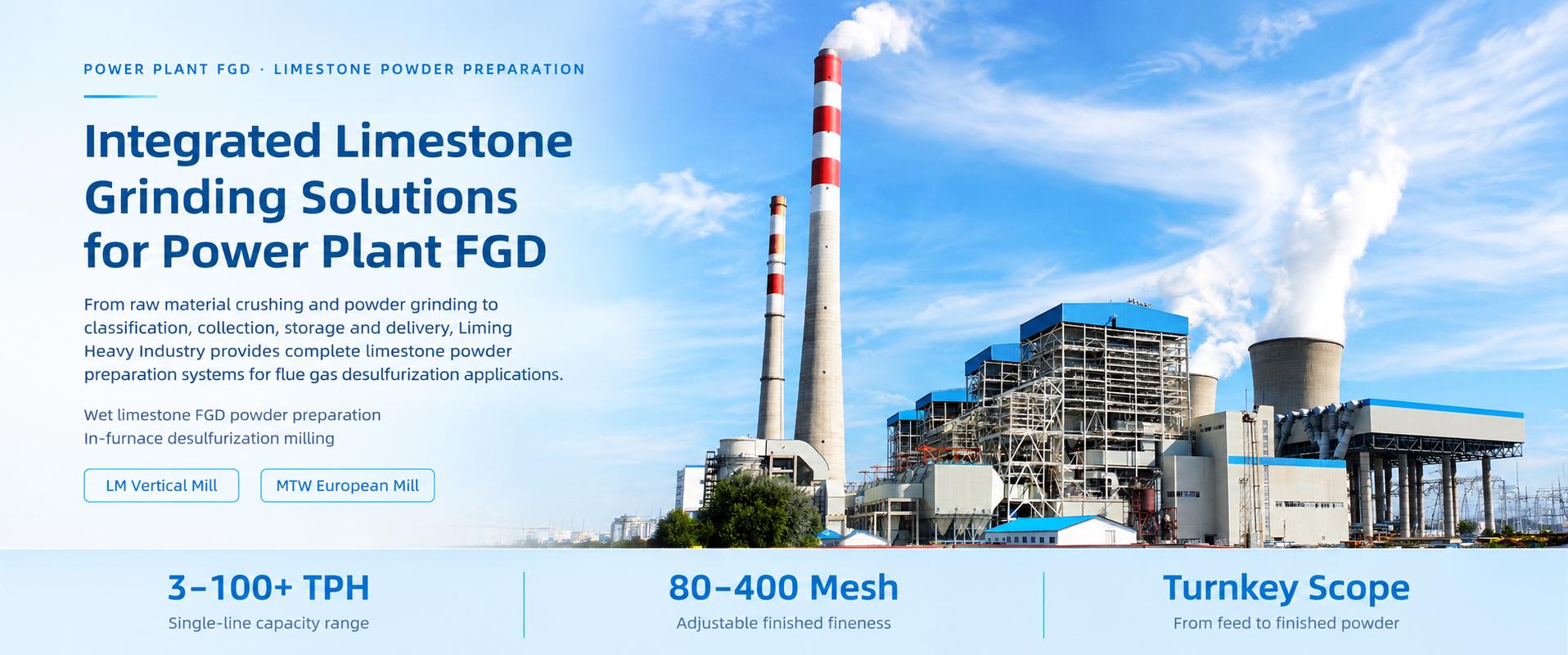
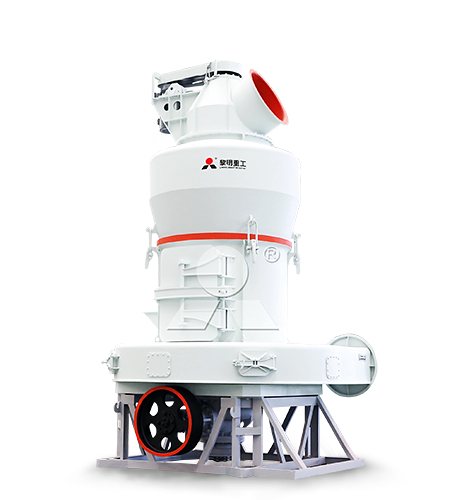
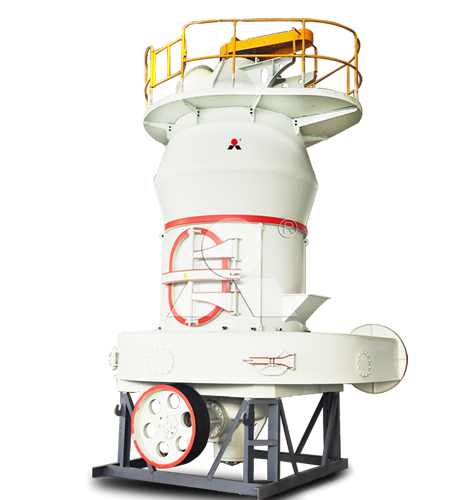
MTW European Trapezium Grinding Mill
The MTW European Trapezium Grinding Mill from Liming Heavy Industry can be evaluated for conventional limestone powder production where the required fineness and output fit the selected model. It is an option for industrial plants producing ground mineral powder for agricultural applications.
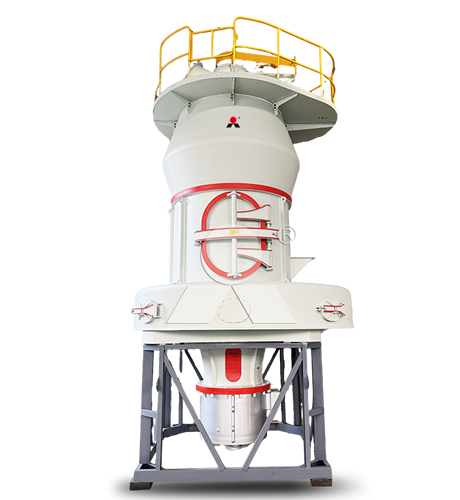
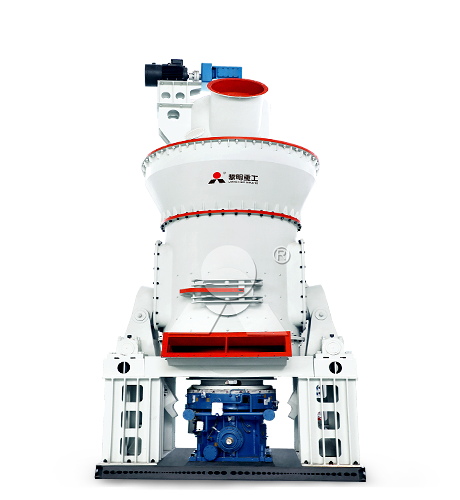
LM Vertical Grinding Mill
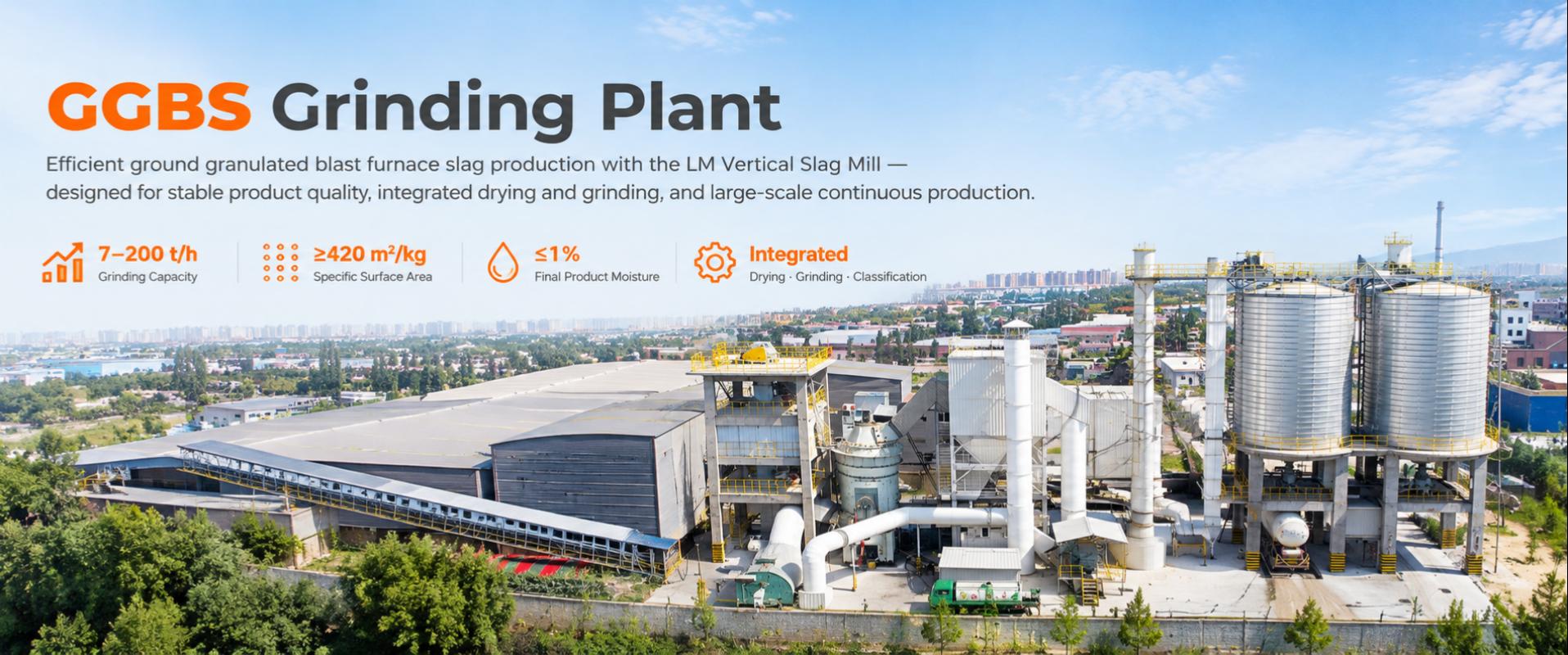
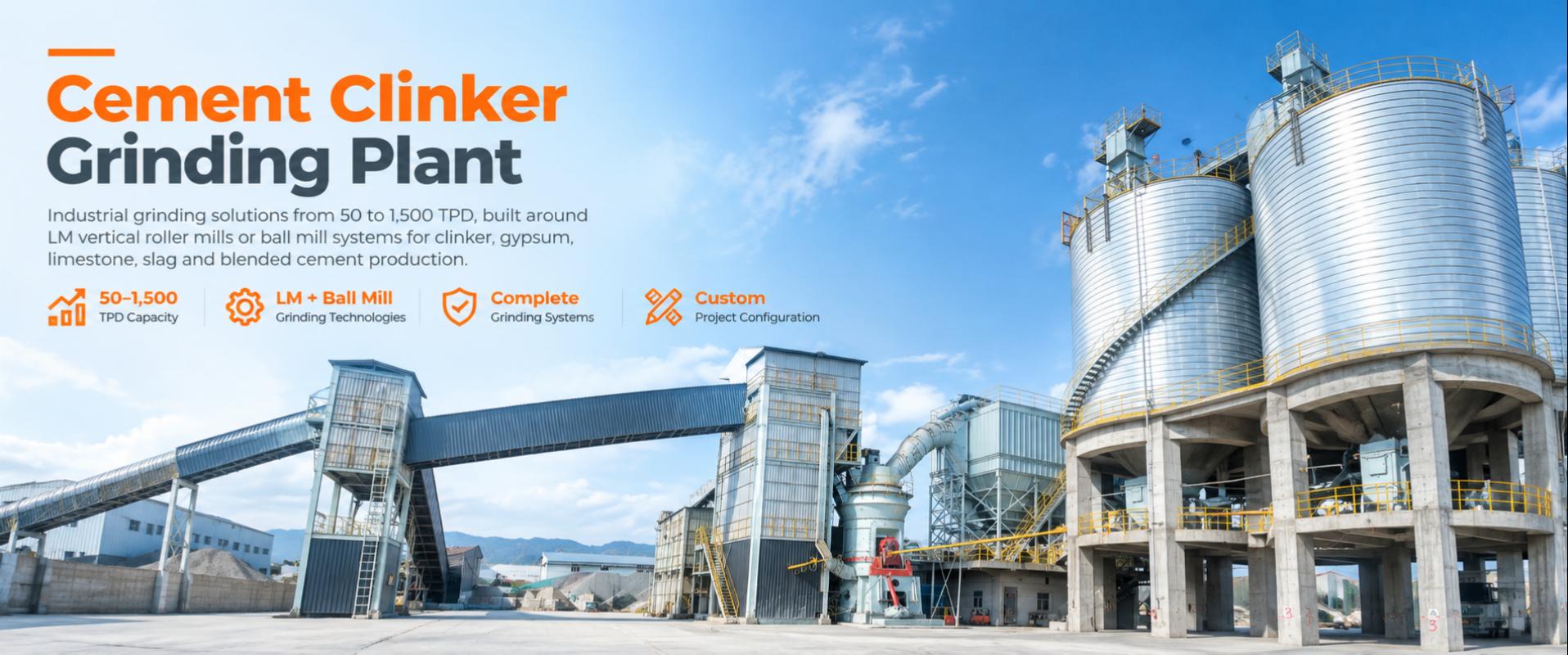
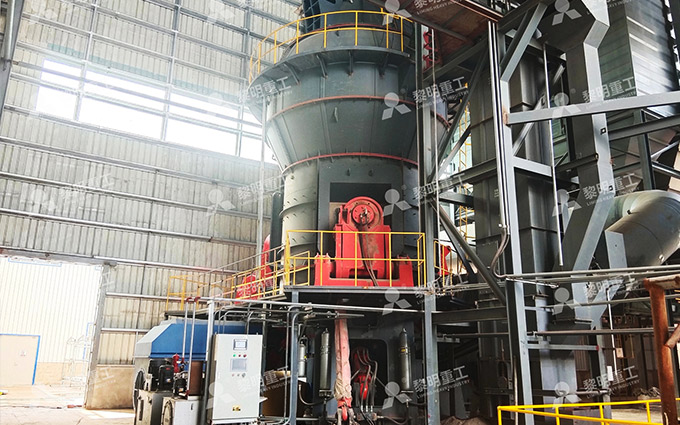
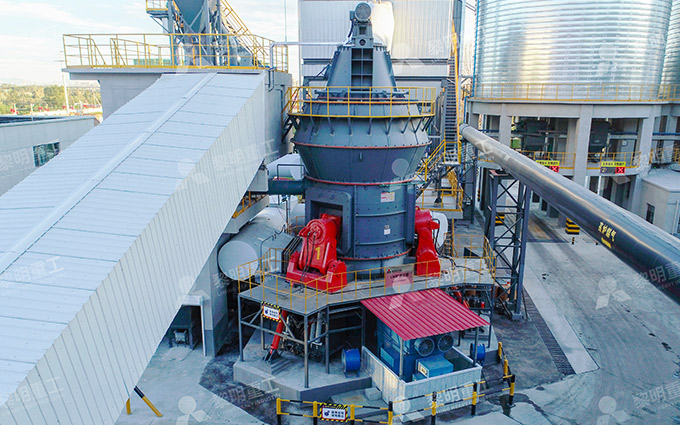
The LM Vertical Grinding Mill can be considered for larger-scale mineral powder plants. Depending on the model and configuration, the system can integrate grinding, classification, and drying functions where suitable. Its selection should be based on the required output, material characteristics, and site conditions.
Raymond Grinding Mill
The Raymond Grinding Mill may be appropriate for smaller-capacity powder production projects when the required product fineness and material properties are within the selected model's operating range.
These options should be compared on the basis of achievable output at the target fineness, power requirements, wear-part costs, maintenance needs, and the space required for the complete system. Nominal mill capacity alone is not sufficient to finalize equipment selection.
5. Design the Dust Collection and Conveying System as Part of the Process
Fine limestone powder can become airborne during grinding, transfer, storage, and packaging. Dust collection should therefore be included in the overall plant design rather than added as an afterthought.
A complete arrangement may include dust collection at material transfer points, the grinding system, finished-product conveying equipment, and the bagging station. The exact arrangement depends on the equipment layout, airflow requirements, dust characteristics, and applicable environmental regulations.
Conveying equipment also needs to match the required production rate. Transfer points, conveyor capacity, elevation changes, and the distance between process stages can all influence the layout and reliability of the plant.
When evaluating the dust collection system, consider collection efficiency, pressure losses, maintenance access, filter replacement, and safe handling of collected powder. The design should comply with local environmental and workplace requirements.
6. Size Storage Silos and Buffer Capacity
Storage plays an important role in keeping the grinding section and bagging section operating smoothly. Without sufficient buffer capacity, a delay in packaging or dispatch can force the upstream process to slow down or stop.
Raw material storage should reflect quarry delivery patterns, while finished-product storage should account for production rate, bagging capacity, warehouse space, and shipment schedules.
When planning silos and storage areas, evaluate:
Expected material delivery frequency and stockpile requirements
Finished-powder bulk density and flow characteristics
Daily production and packaging schedules
Number of product grades that must be stored separately
Truck access, loading arrangements, and warehouse capacity
Where multiple agricultural limestone grades are produced, separate storage and clearly identified conveying routes can help prevent cross-contamination and incorrect product dispatch.
7. Select a Bagging System That Matches the Market
The packaging system should be designed around how customers purchase and use the product. Agricultural distributors, fertilizer manufacturers, farms, and bulk buyers may require different package sizes and delivery methods.
A bagging section may include a finished-product hopper, feeding and weighing equipment, a bag filling machine, bag closing or sealing equipment where applicable, and a conveyor for moving filled bags to the next handling stage.
Before selecting the packaging equipment, confirm:
Required bag weights and packaging materials
Target packing rate and expected peak demand
Manual, semi-automatic, or automatic operating preferences
Whether pallets, stretch wrapping, or other handling equipment is needed
Labeling, traceability, and product identification requirements
Whether the plant will also supply bulk powder
The bagging line should be able to handle the planned production volume. If packaging capacity is lower than the sustained output of the grinding system, finished powder may accumulate and limit overall plant performance.
8. Arrange the Plant for Efficient Material Flow
A well-planned layout minimizes unnecessary material movement and makes the production process easier to operate and maintain. Ideally, the main process stages follow a logical sequence from raw material receiving to finished-product dispatch.
During layout planning, consider the following areas:
Raw material zone: Truck access, unloading space, stockpiles, and feed preparation.
Crushing zone: Crusher foundations, screen access, conveyors, and maintenance clearance.
Grinding zone: Mill installation, auxiliary equipment, electrical systems, and inspection access.
Storage and packaging zone: Silos, bagging equipment, finished-product handling, and warehouse space.
Utilities and service areas: Electrical supply, compressed air where required, maintenance facilities, and control rooms.
Vehicle circulation: Safe routes for raw material trucks, forklifts, and finished-product delivery vehicles.
Foundation requirements, equipment heights, maintenance lifting arrangements, fire and emergency access, and local building regulations should be reviewed before construction. A compact layout is useful only when it still allows safe operation and maintenance.
9. Match the Entire Line to the Required Capacity
Plant capacity is determined by the complete process, not the grinding mill alone. The crusher, screen, conveyors, mill, dust collection system, silo discharge, and bagging equipment must work together to achieve the required finished-product output.
For example, a high-capacity grinding system will not deliver its full production potential if the crusher cannot provide enough feed or the bagging machine cannot package the finished powder quickly enough.
Capacity planning should take into account:
Required tonnes per hour and tonnes per day of finished product
Annual demand and seasonal fluctuations in agricultural sales
Planned operating hours, maintenance periods, and downtime
Expected output at the specified fineness
Buffer capacity between continuous processing and packaging
Possible future expansion or additional product grades
Where future expansion is likely, the plant layout may reserve space for additional storage, conveying equipment, or a larger packaging area. Any planned expansion should still be checked against the capacity of shared utilities and existing process equipment.
10. Control Product Quality from Raw Stone to Finished Bags
Quality control should cover the entire production chain. Testing only the final powder may reveal that a product is out of specification, but it may not identify where the problem began.
A practical quality-control plan can include:
Incoming inspection of limestone and verification of relevant material properties
Monitoring of feed size and moisture before grinding
Routine sampling to verify finished-product fineness
Testing of chemical composition and other parameters required by the target market
Checks on bag weight, labeling, and package condition
Batch records that connect raw material, production conditions, test results, and dispatch details
The applicable agricultural product standards vary by market. Producers should confirm the required specifications and test methods for their destination country or region before commissioning the plant.
11. Consider Operating Costs and Maintenance Before Purchasing Equipment
The initial equipment price is only one part of the investment. Long-term performance depends on electricity consumption, wear parts, labor, maintenance, dust collection, packaging materials, and unplanned downtime.
When comparing production line proposals, request a clearly defined process scope and identify which equipment and services are included. Check whether the proposal covers crushing, grinding, classification, dust collection, conveying, storage, bagging, electrical control, installation support, and commissioning, as applicable.
Also clarify the assumptions behind any stated capacity or energy consumption figures. Results depend on the raw material, finished-product fineness, equipment configuration, and operating conditions. Comparable project data should be based on similar conditions rather than headline figures alone.
12. Develop Your Agricultural Limestone Plant with Liming Heavy Industry
Liming Heavy Industry provides grinding equipment and mineral powder processing solutions for limestone, dolomite, and other non-metallic minerals. For a project converting quarry limestone into bagged agricultural lime, the grinding system should be selected as part of the complete plant design.
To begin a technical assessment, prepare the following project information:
Raw limestone source and available material specifications
Maximum quarry stone size and required grinding feed size
Target finished-powder fineness and applicable quality standards
Required production capacity in tonnes per hour or tonnes per day
Feed moisture and whether drying is necessary
Packaging type, bag weight, and target packing rate
Project location, site layout, and available utilities
Existing crushing or grinding equipment, if the plant is being upgraded
With these details, the Liming Heavy Industry team can evaluate suitable grinding equipment and the process requirements for the proposed facility. Explore the available options on the Liming Heavy Industry product page to learn more about grinding solutions for limestone powder production.