FAQ
How to Maintain a Raw Mill in a Cement Plant in India?
2026-08-27 10:02:02
Summary:
Maintaining a raw mill in a cement plant requires more than replacing worn grinding components. Stable raw meal production depends on keeping the entire grinding system—feed preparation, grinding, drying, classification, airflow, dust collection, lubrication, and conveying—in balance.
Details:
Maintaining a raw mill in a cement plant requires more than replacing worn grinding components. Stable raw meal production depends on keeping the entire grinding system—feed preparation, grinding, drying, classification, airflow, dust collection, lubrication, and conveying—in balance. In India, where raw materials and operating conditions can vary significantly between plants, maintenance should combine routine inspection with condition monitoring and process-data analysis.
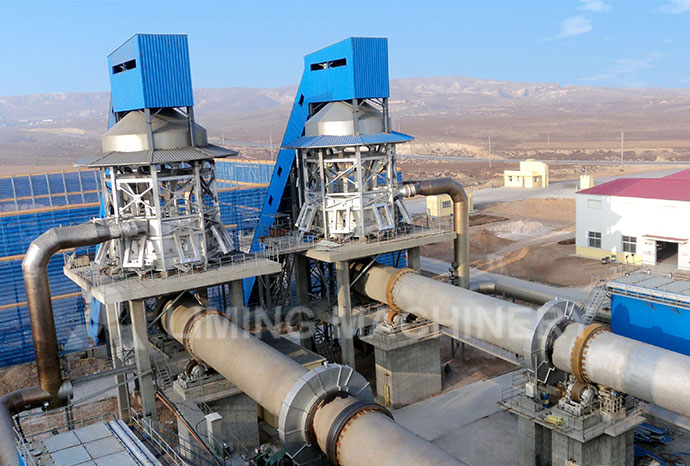
The most effective approach is to prevent abnormal wear and process instability before they cause an unplanned shutdown. Operators and maintenance engineers should pay particular attention to grinding rollers and table segments, bearings, hydraulic systems, gearbox and lubrication systems, separator performance, hot-gas flow, vibration, differential pressure, and the condition of the dust-collection system.
1. Start With the Raw Mill Operating Conditions
A raw mill should not be maintained independently from the process conditions around it. Changes in limestone, clay, laterite, corrective materials, moisture, hardness, or feed size can change the mill's loading and wear pattern.
Before investigating mechanical problems, review the basic operating data:
Raw material feed rate
Feed moisture and its variation
Feed particle size
Raw meal fineness and residue
Mill differential pressure
Grinding pressure or hydraulic loading
Mill vibration
Separator speed and operating condition
Hot-gas temperature and airflow
Fan performance and system pressure
Gearbox and bearing temperatures
This distinction is important because an apparent mechanical problem can actually originate from unstable feed conditions. For example, excessive moisture can increase the circulating load and affect drying, while an inconsistent feed can cause mill vibration even when the mechanical components themselves are in acceptable condition.
2. Inspect Grinding Rollers and the Grinding Table
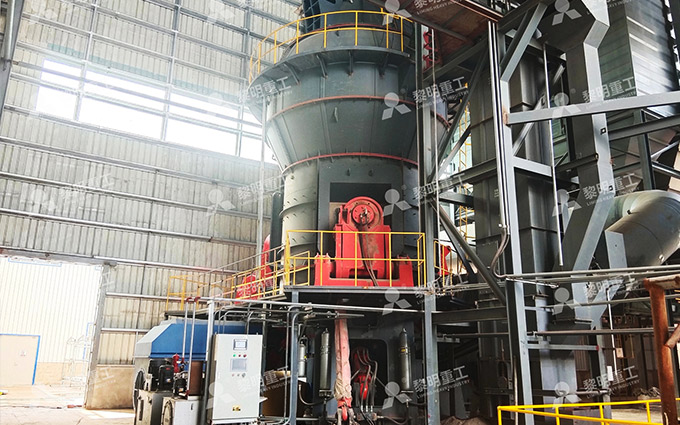
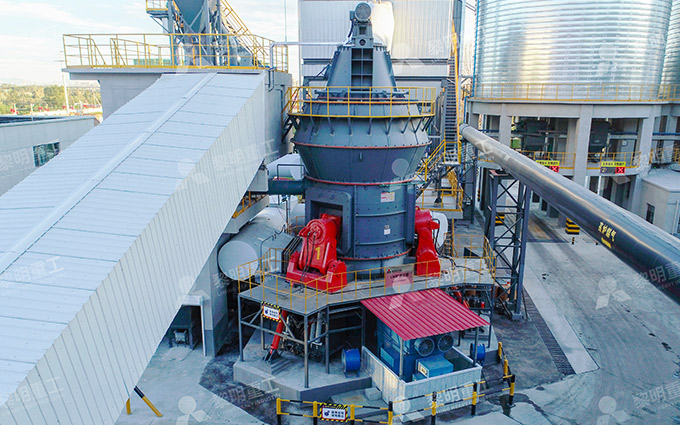
The grinding zone is one of the most heavily loaded areas of a raw mill. Grinding rollers, table liners, segments, and associated wear surfaces should therefore be inspected systematically.
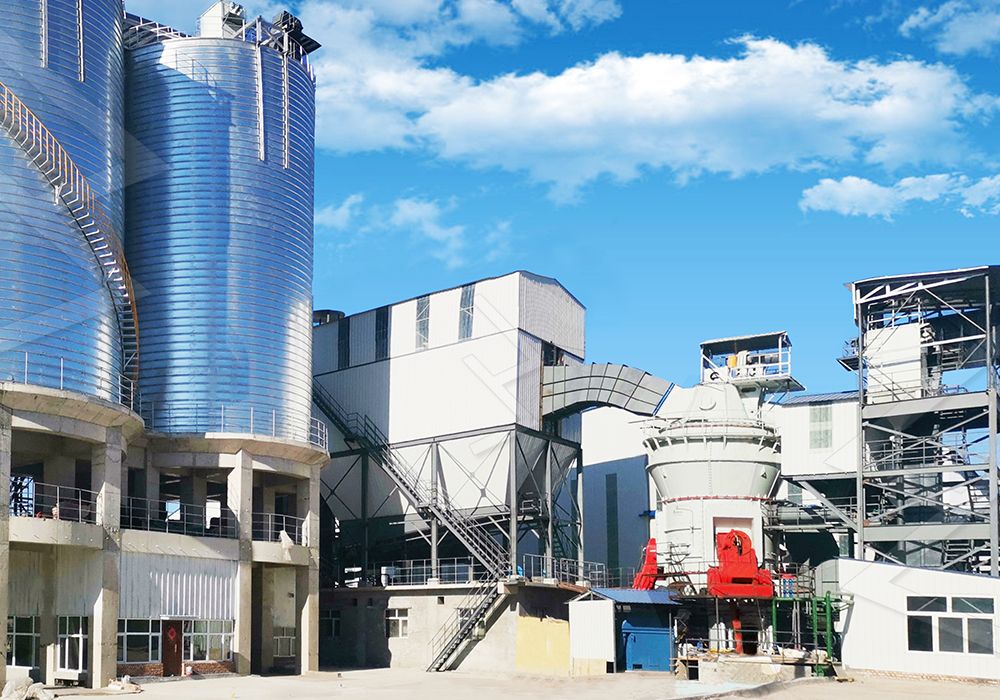
During planned inspections, check for:
Uneven wear across grinding surfaces
Cracks or abnormal damage to wear parts
Excessive material accumulation
Abnormal wear patterns on rollers or table segments
Changes in grinding-bed stability
Loose or damaged fastening components
Uniform wear is generally easier to manage than localized or irregular wear. Uneven wear can indicate problems with material distribution, grinding pressure, feed characteristics, airflow, or component alignment. Simply replacing worn parts without investigating the reason for abnormal wear can result in the same problem recurring after a short operating period.
3. Control Mill Vibration Before It Becomes a Major Failure
Vibration is one of the most useful warning indicators in a raw mill. A sudden or persistent increase should be investigated rather than treated only by reducing mill feed.
Possible causes include unstable grinding-bed thickness, excessive or insufficient material feed, large foreign particles, worn grinding components, improper hydraulic loading, mechanical looseness, bearing problems, or changes in raw-material characteristics.
A practical troubleshooting sequence is:
Check whether the raw-material feed rate and composition have changed.
Check feed moisture and feed-size distribution.
Review grinding pressure and mill loading.
Inspect the grinding table and rollers if process adjustments do not stabilize the mill.
Check bearings, gearbox condition, hydraulic components, and mechanical connections.
Compare current vibration trends with historical operating data.
The key maintenance principle is to identify the cause of vibration rather than continuously operating at reduced feed rate. Reduced throughput may hide the symptom while allowing the underlying problem to develop.
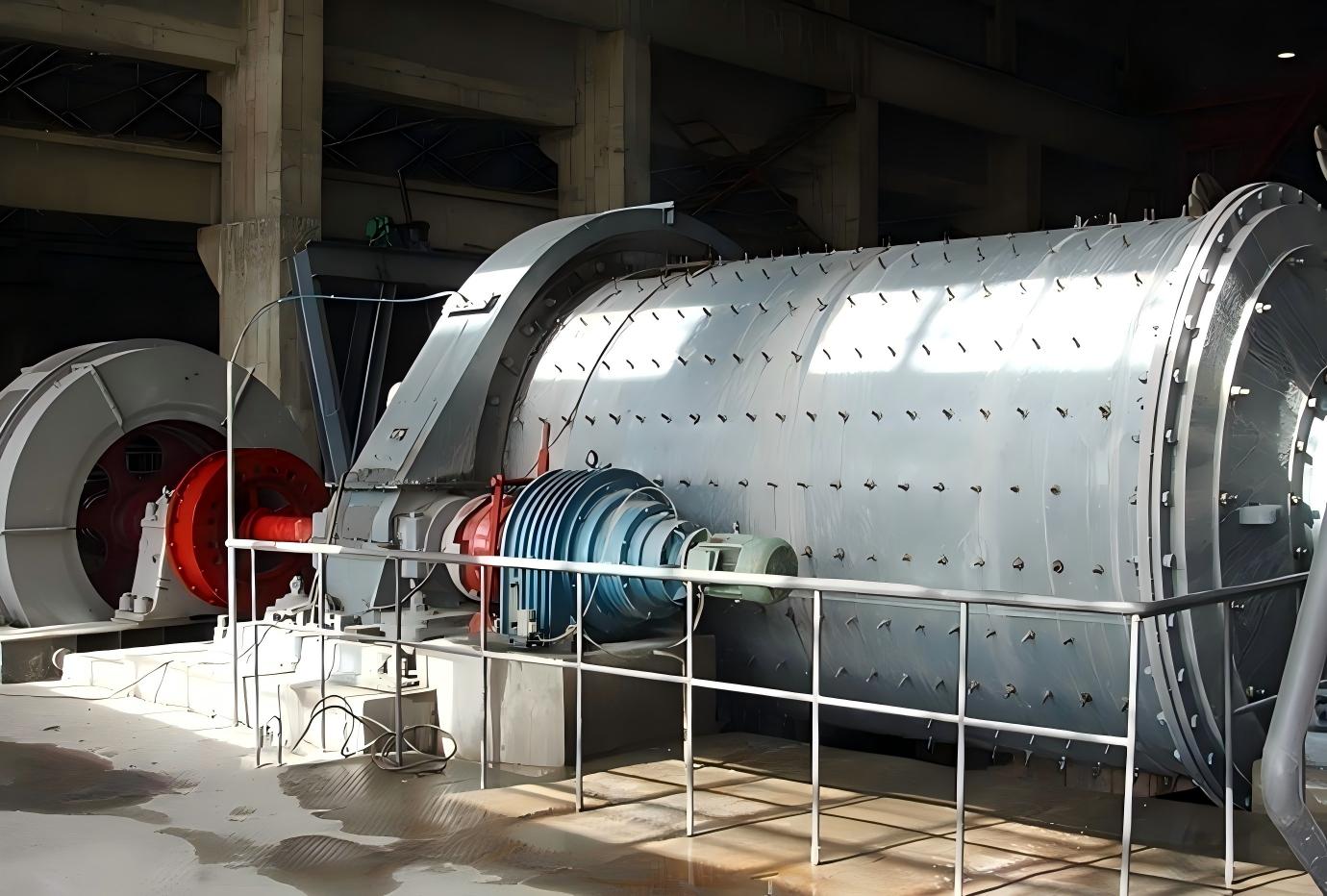
4. Maintain the Hydraulic and Lubrication Systems
Hydraulic systems are critical on many vertical raw mills because grinding force and roller positioning depend on reliable hydraulic operation. Hydraulic pressure, oil condition, leakage, seals, accumulators, valves, and associated components should be checked according to the equipment manufacturer's maintenance requirements.
Lubrication systems deserve the same attention. Gearboxes, bearings, and other rotating components depend on correct oil level, suitable lubricant condition, adequate cooling, and proper filtration.
Maintenance teams should monitor trends rather than relying only on visual inspection. Increasing oil temperature, abnormal pressure, contamination, leakage, or changes in vibration can provide early indications of developing mechanical problems.
Lubricant replacement intervals should follow the equipment manufacturer's requirements and actual operating conditions. Oil analysis can also be useful where appropriate, particularly for large gearboxes and critical bearings.
5. Keep the Separator Operating Correctly
The separator determines which particles leave the grinding circuit as finished raw meal and which particles return for further grinding. Consequently, separator condition has a direct effect on product fineness, circulating load, mill capacity, and energy consumption.
Maintenance should include inspection of separator internals, rotor components, bearings, seals, drive components, and wear surfaces. Abnormal wear or mechanical damage can alter the classification performance even when the mill itself appears to be operating normally.
If raw meal becomes unexpectedly coarse, do not immediately assume that the grinding table or rollers are responsible. Separator speed, airflow, internal wear, material circulation, and sampling conditions should also be checked.
6. Check the Hot-Gas and Drying System
Raw materials entering a raw mill may contain significant moisture, so drying performance can strongly influence mill stability. The hot-gas system must provide sufficient heat and airflow without creating unsafe or unsuitable operating conditions.
Maintenance inspections should cover hot-gas ducts, dampers, expansion joints, fans, temperature measurement points, and areas where material accumulation may occur.
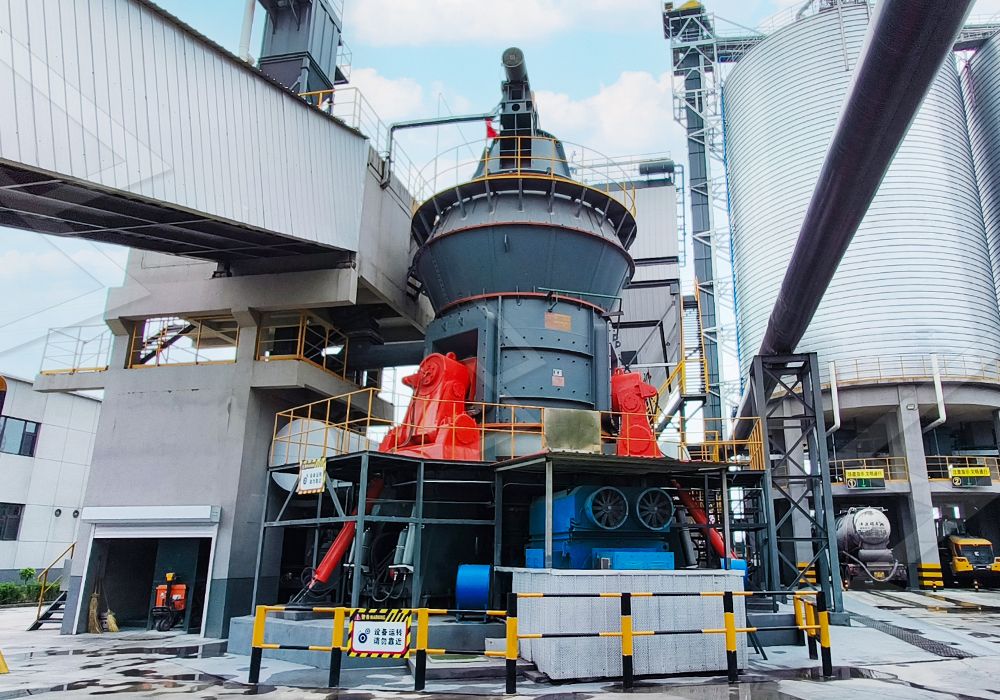
If moisture increases, the mill may require additional drying capacity. However, increasing hot-gas temperature alone is not always the correct solution. Gas flow, heat availability, material residence time, ventilation, and moisture load must be considered together.
7. Maintain the Dust-Collection and Airflow System
The raw mill, separator, fan, and dust collector form an interconnected air circuit. A problem in one part of the circuit can affect the performance of the entire grinding system.
Inspect the following regularly:
Dust collector pressure drop
Filter condition where applicable
Fan vibration and bearing condition
Duct leakage
Dampers and actuators
Material accumulation inside ducts
Airflow measurement and control devices
An increase in system resistance can reduce airflow and change drying and classification conditions. Conversely, uncontrolled air leakage can disturb the intended gas balance and reduce process efficiency.
8. Use Condition-Based Maintenance Instead of Only Calendar-Based Maintenance
A fixed maintenance schedule is necessary, but it should not be the only maintenance strategy for a large raw mill. Critical components should be monitored according to their operating condition and failure risk.
| Component or parameter | What to monitor | Possible warning indication |
|---|---|---|
| Grinding rollers and table | Wear, cracks, grinding-bed behavior | Increasing vibration or declining grinding performance |
| Gearbox | Oil temperature, vibration, lubrication condition | Temperature or vibration trend increasing |
| Bearings | Temperature, vibration, lubrication | Abnormal temperature or vibration |
| Hydraulic system | Pressure, leakage, oil condition | Unstable grinding pressure or hydraulic leakage |
| Separator | Rotor condition, drive, wear and classification performance | Unexpected changes in product fineness |
| Fan and ducts | Vibration, airflow, pressure and accumulation | Reduced airflow or increased system resistance |
The important point is not to monitor every available parameter simply because instrumentation exists. Focus on measurements that provide an early indication of failure or process deterioration.
_1767929649021.jpg)
9. Plan Major Inspections Around the Production Schedule
Major raw-mill maintenance should be coordinated with planned plant shutdowns whenever possible. Before shutdown, the maintenance team should review operating trends and identify components that require inspection or replacement.
For a planned inspection, useful preparation includes:
Reviewing recent vibration and temperature trends
Checking historical wear rates
Identifying recurring process problems
Preparing critical spare parts
Inspecting hydraulic and lubrication components
Planning inspection of grinding components
Checking separator and fan condition
Recording component condition for future comparison
Recording the condition of components after each major inspection is valuable because it creates a maintenance history. Future shutdown decisions can then be based on actual wear trends instead of assumptions.
10. Common Raw Mill Maintenance Mistakes
Several maintenance practices can increase cost without solving the underlying problem.
Replacing Wear Parts Without Investigating Abnormal Wear
If a roller or table liner wears unusually quickly, replacing it may restore production temporarily, but the underlying cause may remain. Feed distribution, material abrasiveness, grinding pressure, airflow, and alignment should be considered.
_1761355927036.jpg)
Treating Vibration Only as a Mechanical Problem
Raw-mill vibration can result from process instability as well as mechanical deterioration. Feed moisture, feed rate, grinding-bed conditions, and material characteristics should be checked before dismantling major equipment.
Ignoring Trend Data
A single temperature or vibration value may not reveal much. A gradual increase over weeks or months can be much more informative because it shows deterioration before a component reaches a critical condition.
Maintaining the Mill but Neglecting the Air Circuit
A raw mill cannot perform consistently if the separator, fan, ducts, and dust collector are poorly maintained. Maintenance should therefore cover the complete grinding circuit rather than the mill body alone.
11. A Practical Maintenance Strategy for an Indian Cement Plant
For a cement plant in India, a sensible maintenance program can be organized into three levels.
Daily monitoring: Record vibration, bearing and gearbox temperatures, feed conditions, differential pressure, product quality, airflow, and other critical operating parameters.
Periodic inspection: Inspect lubrication, hydraulic systems, fans, separator components, dust collection, seals, ducts, and visible wear conditions.
Planned shutdown maintenance: Perform detailed inspection of grinding rollers, table segments, gearbox, bearings, hydraulic components, separator internals, and other critical components according to their condition and manufacturer's requirements.
The maintenance interval should ultimately be determined by the specific raw mill design, operating hours, material characteristics, component condition, manufacturer's recommendations, and historical plant data.
12. What Information Should Be Reviewed Before Selecting or Upgrading a Raw Mill?
If maintenance problems are persistent, the issue may be related to the original process design or equipment selection rather than maintenance quality alone. Before upgrading a raw mill system, engineers should evaluate the raw-material characteristics, moisture range, feed size, required raw-meal fineness, production capacity, fuel and hot-gas availability, dust-collection requirements, and expected operating regime.
For a new project or major retrofit, material testing is particularly useful when raw-material properties are uncertain. Hardness, grindability, abrasiveness, moisture, chemical composition, and particle-size distribution can materially affect mill selection and expected throughput.
Equipment suppliers such as Liming Heavy Industry may be considered for grinding-system applications, but final equipment selection should be based on the actual process requirements and verified technical data rather than the equipment name alone.
_1761355701097.jpg)
Conclusion
Maintaining a raw mill in a cement plant is fundamentally a process-and-equipment management task. The most reliable strategy combines routine inspection with condition monitoring, process-data analysis, planned shutdowns, and investigation of abnormal trends.
Grinding rollers and table liners are important, but they are only part of the system. Hydraulic equipment, lubrication, gearbox and bearings, separator, hot-gas circuit, fan, ducts, and dust collector all influence raw-mill reliability and performance. In practice, the biggest maintenance gains often come from identifying the relationship between process instability and mechanical wear rather than treating each symptom separately.
For an existing plant, the best starting point is to establish baseline operating data, track changes over time, identify the components and process variables most closely associated with instability, and then build the inspection and shutdown program around those findings.