FAQ
How to Produce 400 Mesh Calcite Powder for Paint Industry?
2026-07-30 13:46:44
Summary:
For 400 mesh calcite powder (roughly D97 around 38 microns, particle size approximately 30-40 microns) used as a filler and extender in paint formulations, a Raymond Mill or MTW European Grinding Mill with a matched cyclone-plus-bag dust collector is the most cost-effective production route.
Details:
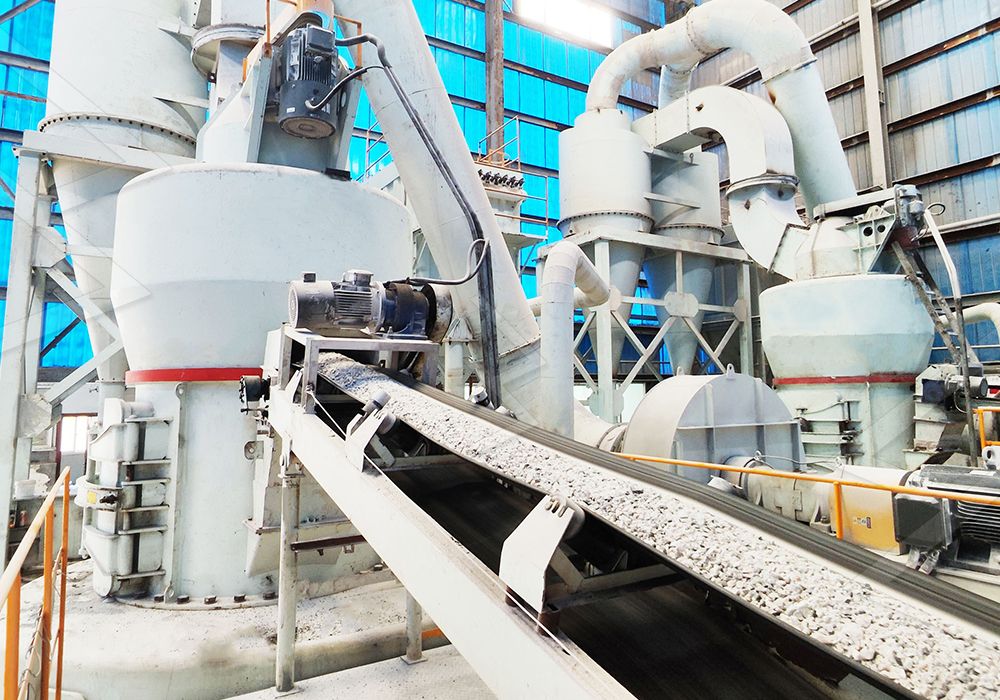
For 400 mesh calcite powder (roughly D97 around 38 microns, particle size approximately 30-40 microns) used as a filler and extender in paint formulations, a Raymond Mill or MTW European Grinding Mill with a matched cyclone-plus-bag dust collector is the most cost-effective production route. A vertical roller mill can also reach this fineness, but for a mid-scale paint filler application where 400 mesh is the target rather than an intermediate step toward finer grades, a Raymond mill line typically offers a lower capital cost per ton of output.
Why 400 Mesh Matters for Paint Formulations
400 mesh calcite (approximately 38 micron screen residue, with practical D97 in the 30-40 micron range depending on classifier setting) is used in paint as an extender pigment that adjusts opacity, controls sheen, improves brushability, and reduces the amount of more expensive titanium dioxide required per liter. Coarser calcite fractions in the 200-300 mesh range are generally reserved for construction fillers, while paint-grade material typically sits in the 400-600 mesh window because this range balances oil absorption, dispersion behavior, and cost. Finer grades above 600 mesh are used mainly in premium or specialty coatings where gloss control and film smoothness matter more than raw material cost.
Raw Material Characteristics That Affect Process Design
Calcite hardness (Mohs 3), moisture content, and CaCO3 purity determine which mill type and pretreatment steps are needed before grinding to 400 mesh. Because calcite is relatively soft compared with quartz or granite, it does not demand the wear-resistant construction required for abrasive minerals, which keeps roller and ring wear costs comparatively low across Raymond mill, MTW mill, and LM vertical mill designs.
Moisture: feed moisture above roughly 6-8% causes material to stick on grinding rollers and blind the classifier; a drying stage or hot air sweep is needed for wet-quarried calcite.
Purity: CaCO3 content above 95-98% is generally preferred for paint-grade filler because impurities such as silica or iron oxide affect whiteness and can introduce hard inclusions that accelerate wear.
Feed size: most mid-size grinding mills for calcite require crushed feed in the 15-50mm range, so a jaw crusher or hammer crusher stage ahead of the mill is standard practice.
Whiteness and brightness: paint buyers usually specify a minimum whiteness value; this is tested on finished powder batches rather than assumed from raw ore appearance.
Production Process for 400 Mesh Calcite Powder
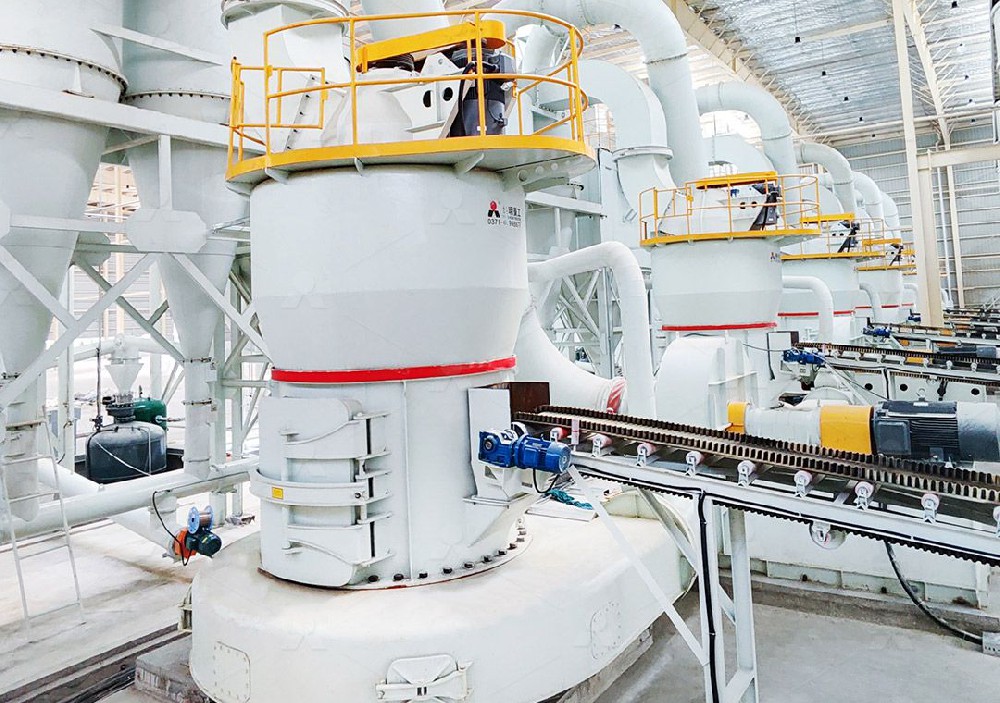
The production line for 400 mesh calcite powder follows four sequential stages: crushing, grinding, air classification, and collection, with the classifier setting being the single most important adjustable parameter controlling final mesh.
Stage 1: Primary and Secondary Crushing
Quarried calcite blocks are first reduced by a jaw crusher, then optionally passed through an impact or cone crusher to reach the 15-50mm feed size required by the grinding mill. Oversized or undersized crushed material is screened out and either recirculated or diverted, since feed size consistency directly affects mill throughput stability.
Stage 2: Main Grinding
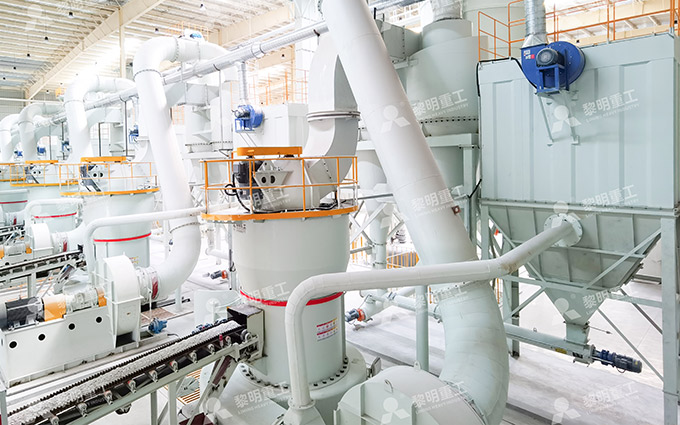
Crushed calcite is fed at a controlled, metered rate into the grinding chamber, where pendulum rollers or grinding rings press the material against a ring or bowl under centrifugal force, breaking it down while an internal air stream lifts fine particles toward the classifier. Feed rate must be matched to installed motor power; overfeeding causes torque overload and reduces the ratio of on-spec fine powder to coarse recirculated material.
Stage 3: Air Classification
An internal or external dynamic classifier separates particles by cut size using rotor speed and air volume; particles below the cut size exit with the airflow while oversize material falls back for regrinding. For a 400 mesh target, classifier rotor speed is tuned to reject material coarser than approximately 38 microns; increasing rotor speed produces a finer cut but reduces throughput, so operators balance mesh specification against tonnage requirements.
Stage 4: Collection and Packaging
Fine powder carried in the air stream is separated in a cyclone and finished in a bag-type dust collector, then conveyed to a finished product silo before bulk loading or bagging. Dust collection efficiency also determines compliance with workplace air quality limits and affects yield, since fine particles lost to atmospheric discharge represent a direct material loss.
Equipment Selection: Which Mill Fits 400 Mesh Calcite Production
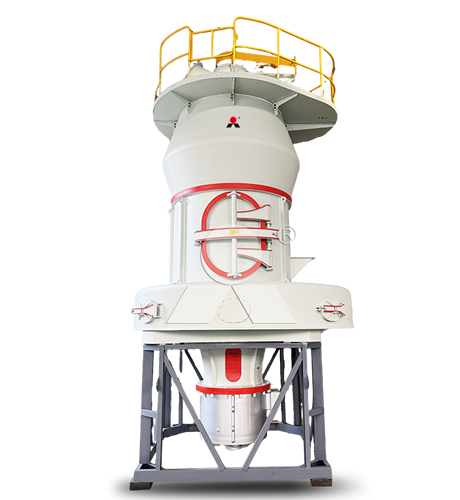
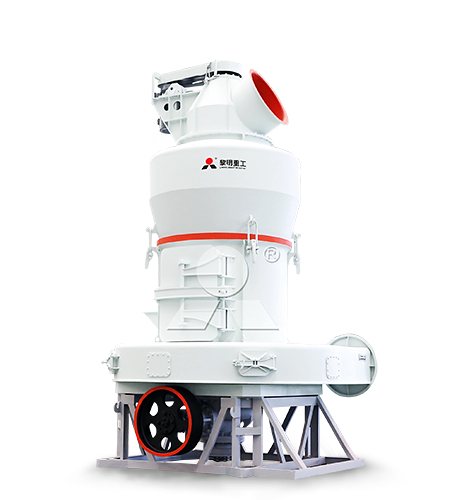
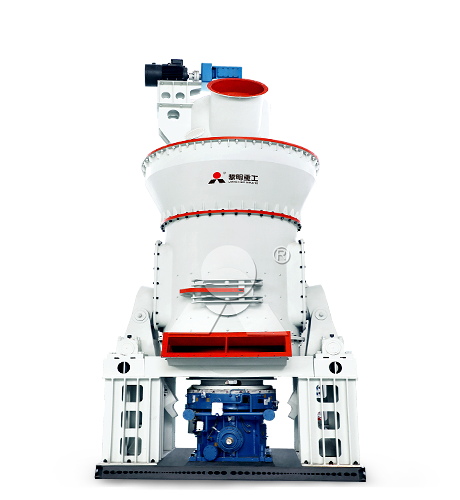
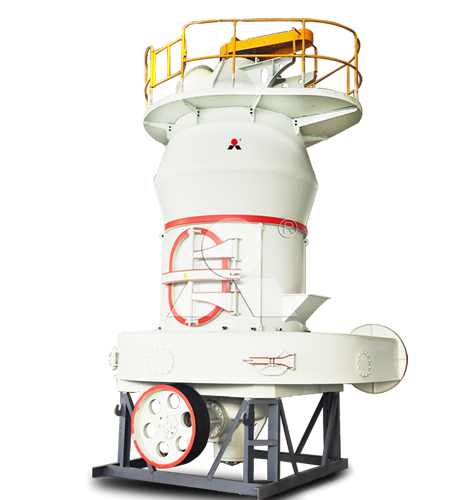
For a straightforward 400 mesh paint-filler line, a Raymond Mill or MTW European Grinding Mill is the practical choice; an LM Vertical Roller Mill becomes worthwhile mainly when capacity requirements exceed what a Raymond mill line can economically deliver, and ultrafine mills are unnecessary unless the specification later shifts toward 600 mesh or finer.
_1761355701097.jpg)
| Equipment | Typical Fineness Range | Typical Capacity | Best Fit |
|---|---|---|---|
| Raymond Mill | 80-425 mesh (approx. 180-33 microns) | Roughly 1-20 tph depending on model | Small to mid-scale 400 mesh calcite lines with moderate capital budget |
| MTW European Grinding Mill | 80-425 mesh, extendable with fine classifier | Roughly 3-40 tph depending on model | Mid-scale plants needing better yield ratio and lower maintenance downtime than older Raymond designs |
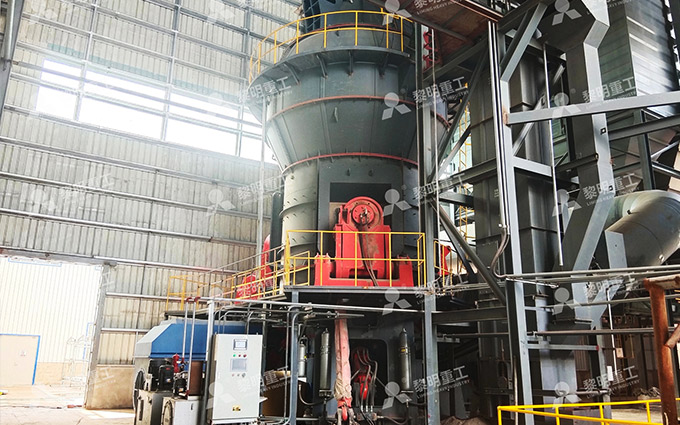
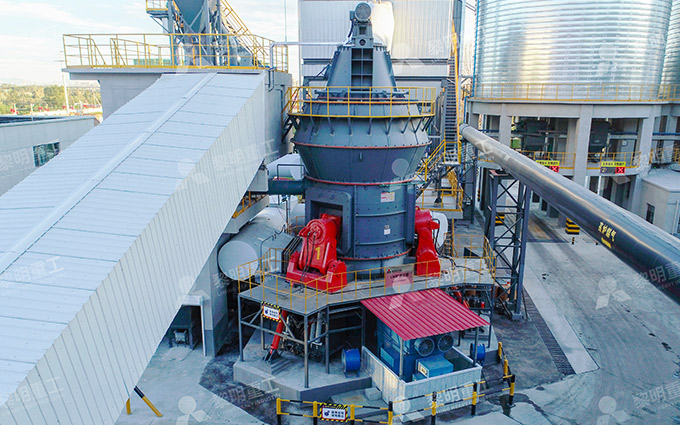
| LM Vertical Roller Mill | 80-425 mesh, adjustable | Higher throughput per unit footprint, commonly used for larger plants | Large-capacity operations or where drying of moist calcite feed is also required in one pass |
| LUM Ultrafine Vertical Mill | 325-3000 mesh | Lower throughput at ultrafine settings | Not appropriate for a pure 400 mesh target; reserved for finer specialty coating grades |
| MW Micro Powder Mill | 325-2500 mesh | Lower throughput at fine settings | Overkill for 400 mesh; suited to higher-end plastics or coatings needing finer D97 |
The engineering logic behind excluding LUM and MW mills from a 400 mesh calcite line is straightforward: both are optimized for fine and ultrafine ranges well beyond 400 mesh, and running them at coarser settings wastes their design capability while typically costing more per ton produced than a Raymond or MTW mill sized correctly for the job. Manufacturers such as Liming Heavy Industry, along with several other mill builders, offer Raymond Mill and MTW European Grinding Mill product lines sized specifically for this fineness and capacity range, and equipment selection should ultimately be based on matching required tph, feed moisture, and target mesh rather than brand preference.
Sizing Calculation Example
Suppose a paint filler plant needs 8 tph of finished 400 mesh calcite powder, with raw feed at roughly 96% CaCO3 purity and 5% moisture. A Raymond mill model rated for 8-10 tph at 400 mesh with feed size below 30mm would be an appropriate baseline selection, but the actual throughput achieved depends on hardness variability in the ore and how tightly the classifier is set for D97 control; a classifier tuned tighter for consistent 400 mesh residue will reduce nameplate throughput by a margin that is project-specific and should be confirmed through a test run with the actual raw material rather than assumed from catalog figures.
Common Design and Operating Mistakes
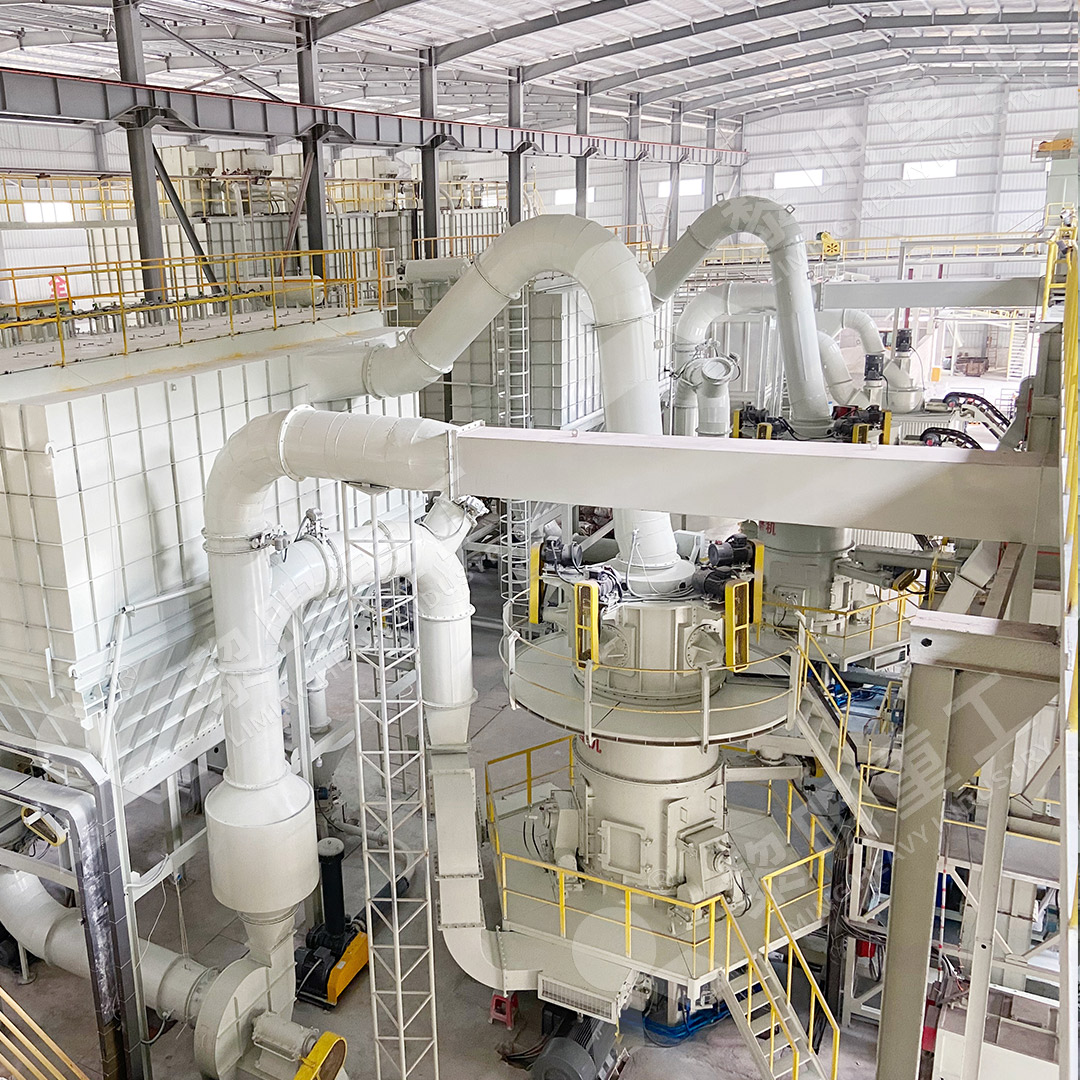
Undersizing the dust collection system relative to air volume, which causes fine powder loss and increases fugitive dust at the packaging point.
Feeding material above the moisture threshold without a drying stage, leading to roller sticking and unstable mill vibration.
Setting classifier speed once at commissioning and not re-tuning it as roller or ring wear gradually shifts the particle size distribution over months of operation.
Selecting mill capacity based only on the finest mesh spec in the product catalog rather than the actual mesh and tph combination the paint customer requires, which often results in an oversized or undersized machine for the intended output.
Operating Cost Considerations
Energy consumption for calcite grinding to 400 mesh is generally lower than for harder minerals because of calcite's low Mohs hardness, but actual kWh/t figures vary with ore hardness variability, feed moisture, and how fine the classifier cut is set; project-specific energy audits during a trial run give more reliable numbers than generic industry averages. Wear part replacement (grinding rings, rollers, and liner plates) is a recurring operating cost that should be budgeted against expected tonnage rather than treated as a fixed annual expense, since wear rate depends heavily on the abrasive mineral content mixed into the calcite feed.