FAQ
How to Select Grinding Equipment for Industrial Minerals?
2026-03-09 06:23:31
Summary:
Selecting mineral grinding equipment requires matching material hardness (Mohs scale) and moisture content with target fineness (mesh). Selection prioritizes energy efficiency, stable output, and wear resistance based on final application requirements.
Details:
Understanding Material Characteristics
The first step in equipment selection is identifying the Mohs hardness of the raw material. Industrial minerals like talc and calcium carbonate are soft, whereas Limestone and feldspar are abrasive. For materials with high moisture, integrated drying capabilities are necessary to prevent clogging. Processing materials below Mohs 7 is standard for most mechanical mills, while harder materials require specialized wear-resistant liners.
Fineness requirements vary significantly by industry. Paper and plastic fillers often require ultra-fine powders (1250–2500 mesh), while construction materials like desulfurization lime or cement additives typically fall within the 80–325 mesh range. The target micron size directly dictates whether you need a high-pressure mill or a vertical roller mill system.
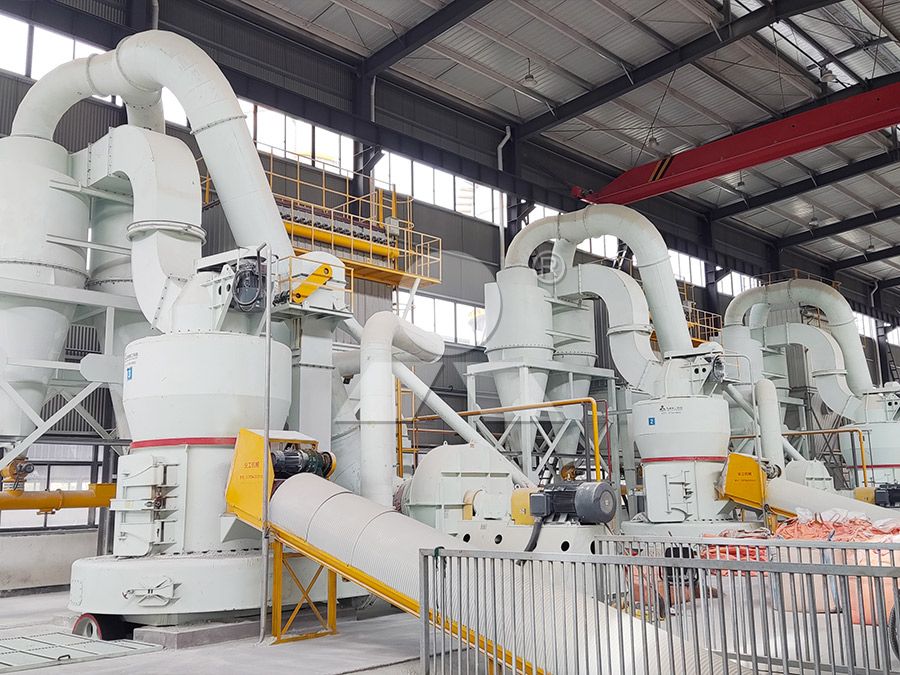
Industrial Grinding Mill Solutions
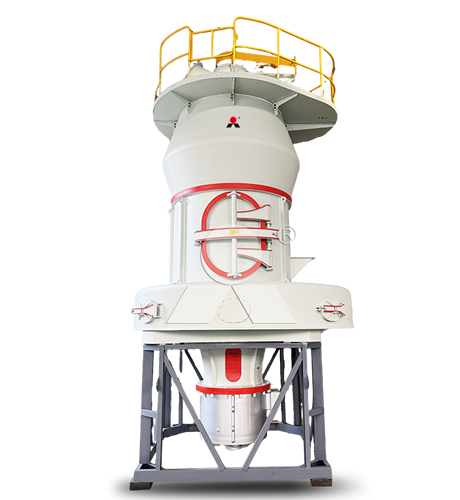
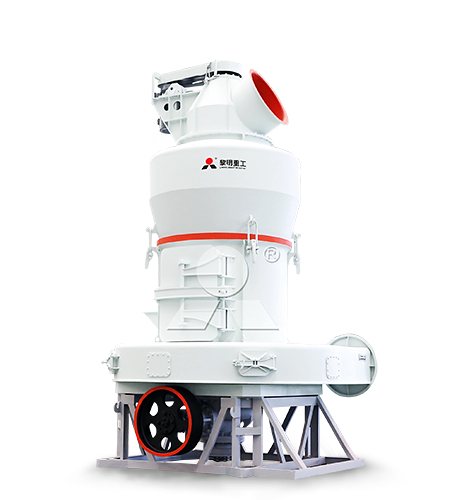
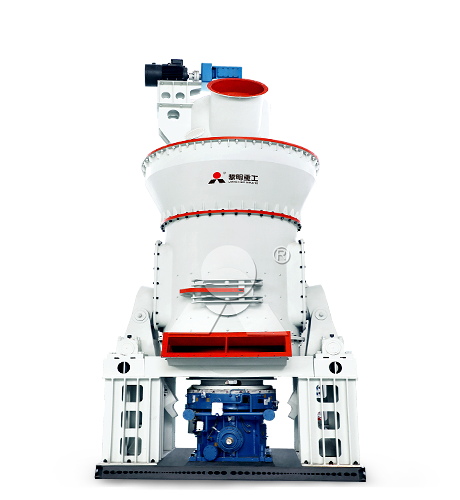
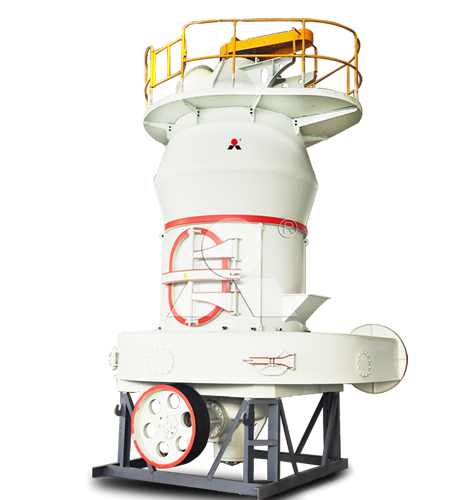
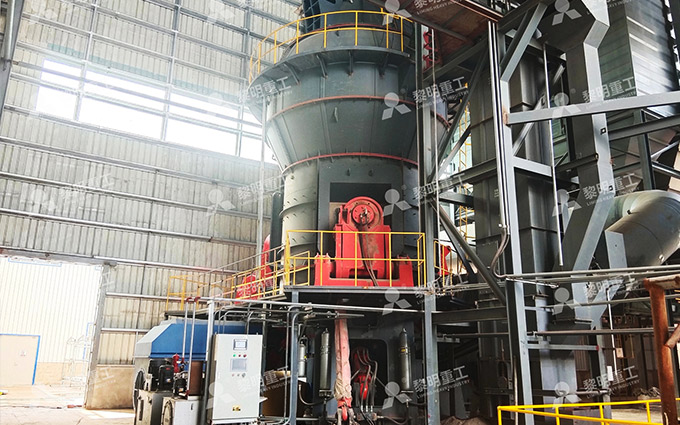
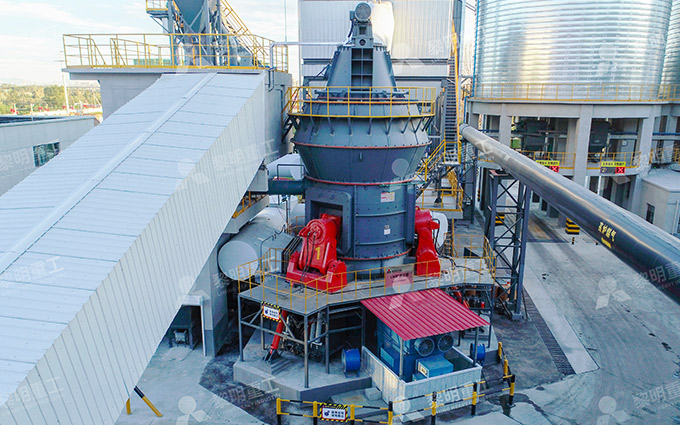
For large-scale production, the Vertical Roller Mill (VRM) is the industry standard. It combines crushing, drying, grinding, and classifying into one unit. It is highly efficient for cement clinker and slag. For medium-to-fine applications, the Trapezium Mill offers a compact footprint and high throughput for non-metallic minerals. These systems use centrifugal force and spring-loaded rollers to pulverize material against a stationary ring.
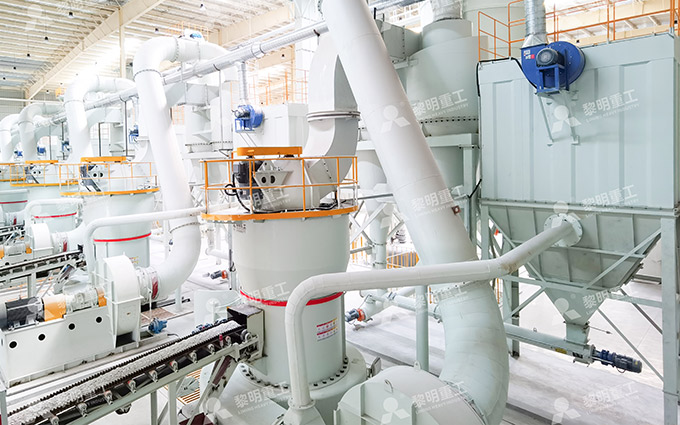
Liming Heavy Industry provides reliable solutions across these categories. Their MTW European Type Trapezium Mill is particularly effective for 80–425 mesh production, while the LUM Series Ultrafine Vertical Roller Mill handles high-end powder applications requiring consistency and high whiteness. These machines are engineered for 24-hour industrial cycles with minimal downtime.
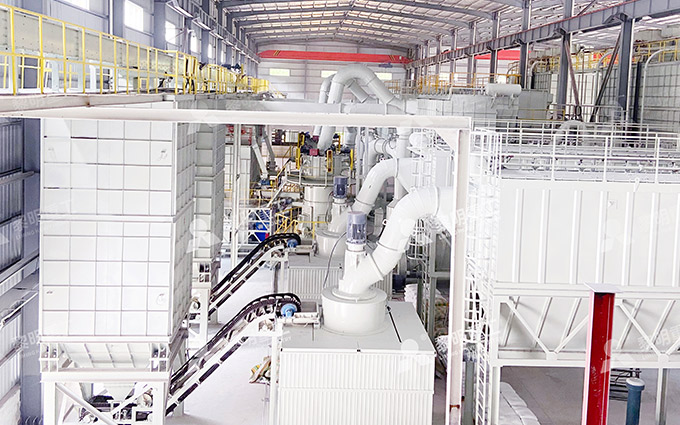
Key Factors for Production Efficiency
Experienced engineers look beyond the initial purchase price. Operating costs are driven by energy consumption per ton and the lifespan of grinding elements. A well-designed system includes an efficient classifier to return oversize particles for re-grinding, ensuring a narrow particle size distribution.
Feed Size: Ensure the primary crusher provides a consistent feed size to the mill to prevent mechanical stress.
Airflow Control: Proper dust collection and pulse bag filters maintain negative pressure and environmental compliance.
Automation: Using PLC systems to monitor vibration and temperature prevents catastrophic failure in mineral lines.
Balancing throughput with fineness is a technical trade-off. Increasing the classifier speed produces finer powder but reduces the total hourly output. Selecting a mill with a slightly higher capacity than current needs allows for future adjustments in market demand without replacing the entire processing line.