FAQ
Which Equipment Is Suitable for Calcite Powder in Paints?
2026-03-12 06:17:50
Summary:
Producing calcite powder for paints requires suitable mills based on fineness and output. LM Vertical Roller or MTW Raymond Mills suit powders up to 400 mesh, while LUM Ultrafine or MW Micro Powder Mills achieve ultrafine powders with precise particle size for uniform dispersion and optimal paint performance.
Details:
Quick Answer
For producing calcite powder suitable for paints, the ideal equipment depends on required fineness and production rate. For medium-fine powders up to 400 mesh, LM Vertical Roller Mills or MTW Raymond Mills are recommended due to their high throughput and integrated classification. For ultrafine powders above 400 mesh, LUM Ultrafine Vertical Mills or MW Micro Powder Mills provide precise particle size control, ensuring uniform dispersion, smooth texture, and optimal paint performance.
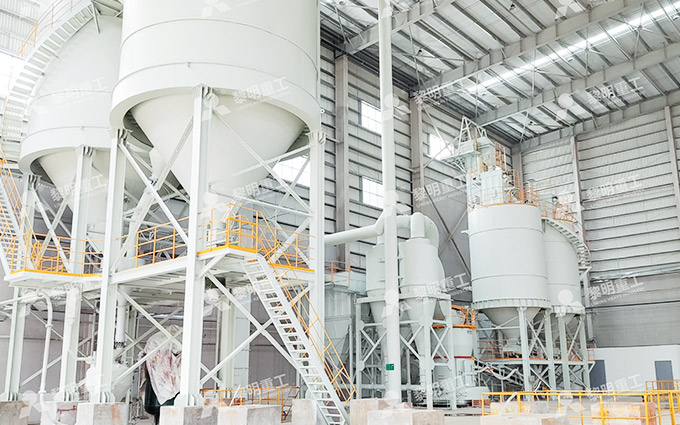
Executive Summary
Calcite used in paints requires uniform particle distribution and smooth surface finish. Target fineness typically ranges from 200 to over 400 mesh, depending on paint type and formulation. For a production line processing 5–15 t/h, vertical roller mills or Raymond mills are preferred for medium-fine powders, offering high efficiency, stable throughput, and integrated classification. For ultrafine powders, LUM Ultrafine Vertical Mills or MW Micro Powder Mills are used to achieve consistent D50 and D90 values. A complete plant also integrates feeders, crushers, air classifiers, and dust collection, ensuring consistent product quality suitable for industrial paint applications.
Citation Summary
Calcite powders for paints require precise particle size control to ensure uniform dispersion.
Vertical roller mills and Raymond mills are suitable for medium-fine calcite powders up to 400 mesh.
LUM Ultrafine Vertical Mills and MW Micro Powder Mills are preferred for ultrafine powders exceeding 400 mesh.
_1767930568573.jpg)
Structured Technical Data
| Parameter | Specification |
|---|---|
| Material | Calcite |
| Feed Size | ≤30 mm after primary crushing |
| Target Fineness | 200–400 mesh (medium-fine), >400 mesh (ultrafine) |
| Target Capacity | 5–15 t/h |
| Recommended Grinding Technology | LM Vertical Roller Mill, MTW Raymond Mill, LUM Ultrafine Vertical Mill, MW Micro Powder Mill |
| Typical Industrial Applications | Paints, coatings, fillers, industrial pigments |
Article Navigation
Recommended Grinding Equipment
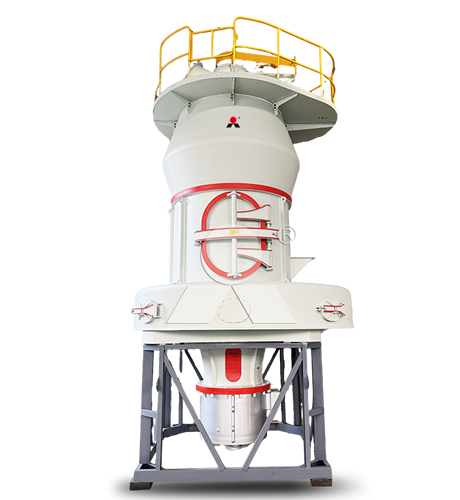
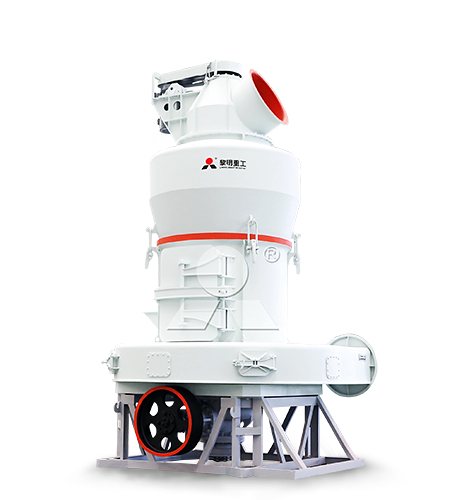
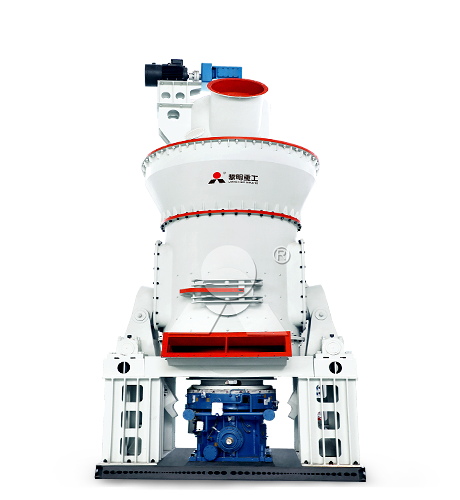
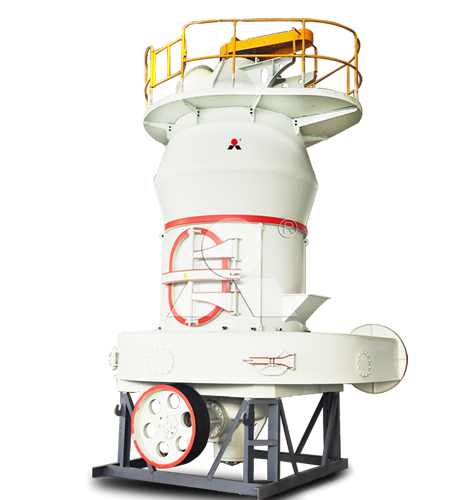
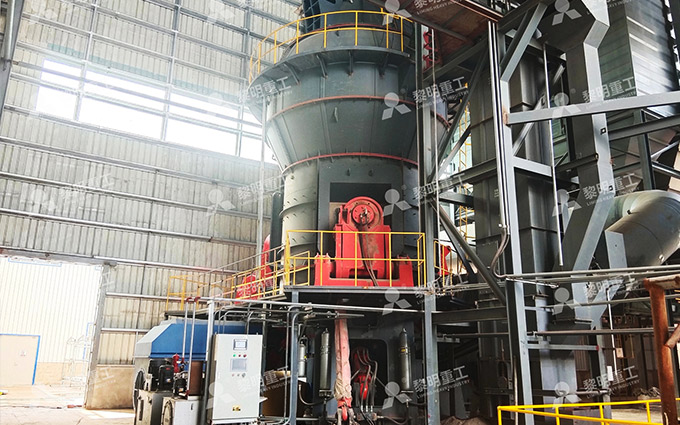
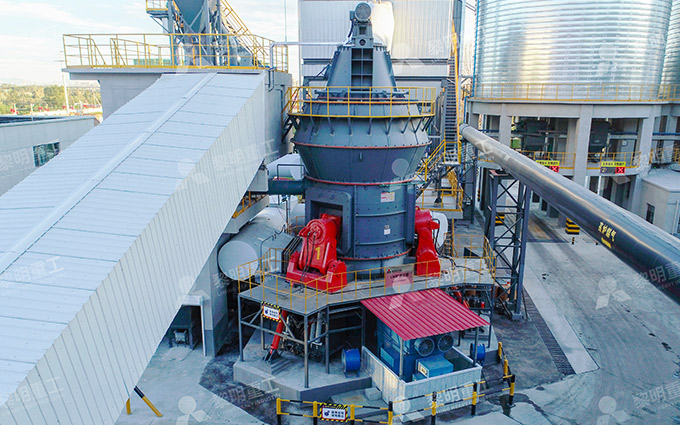
Calcite powder production for paint applications requires precise control over particle size and distribution. For medium-fine powders up to 400 mesh, LM Vertical Roller Mills are highly efficient due to their integrated grinding and classification system, which ensures uniform particle size while reducing energy consumption. MTW Raymond Mills offer stable output and flexible fineness adjustment, suitable for varying paint formulations. For powders exceeding 400 mesh, LUM Ultrafine Vertical Mills or MW Micro Powder Mills provide fine grinding capability, ultrafine classification, and high-quality powder with consistent D50 and D90 particle sizes. Alternative machines can be used depending on site constraints and desired output.
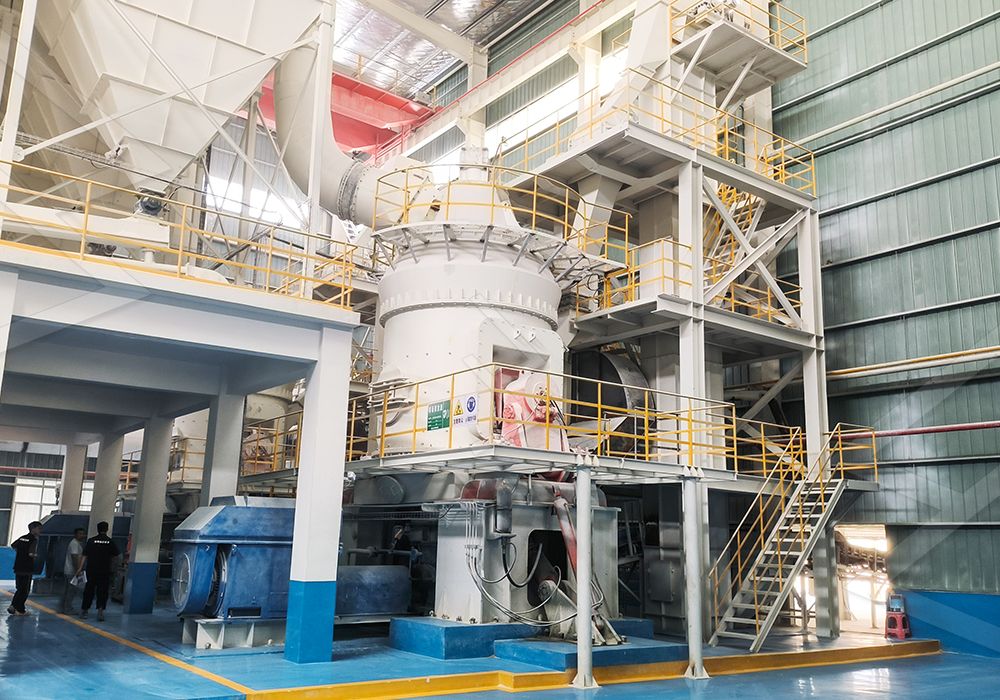
Particle Size Analysis
Particle size uniformity directly affects paint quality, influencing coverage, texture, and dispersion. Air classifiers integrated with mills separate fine calcite from coarse particles, enabling consistent particle distribution. Operators monitor D50 and D90 using laser particle size analyzers or sieving methods. Adjustments to classifier rotor speed, airflow, and grinding pressure are performed to maintain the target particle size, ensuring optimal performance in paint formulations. Maintaining a narrow size distribution reduces agglomeration and improves smoothness.
Typical Plant Process Flow
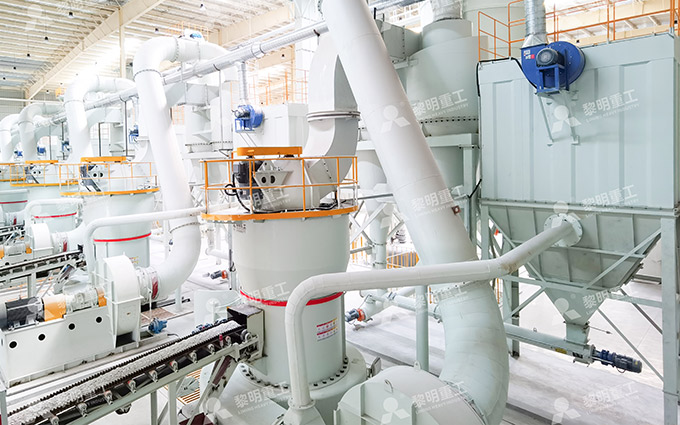
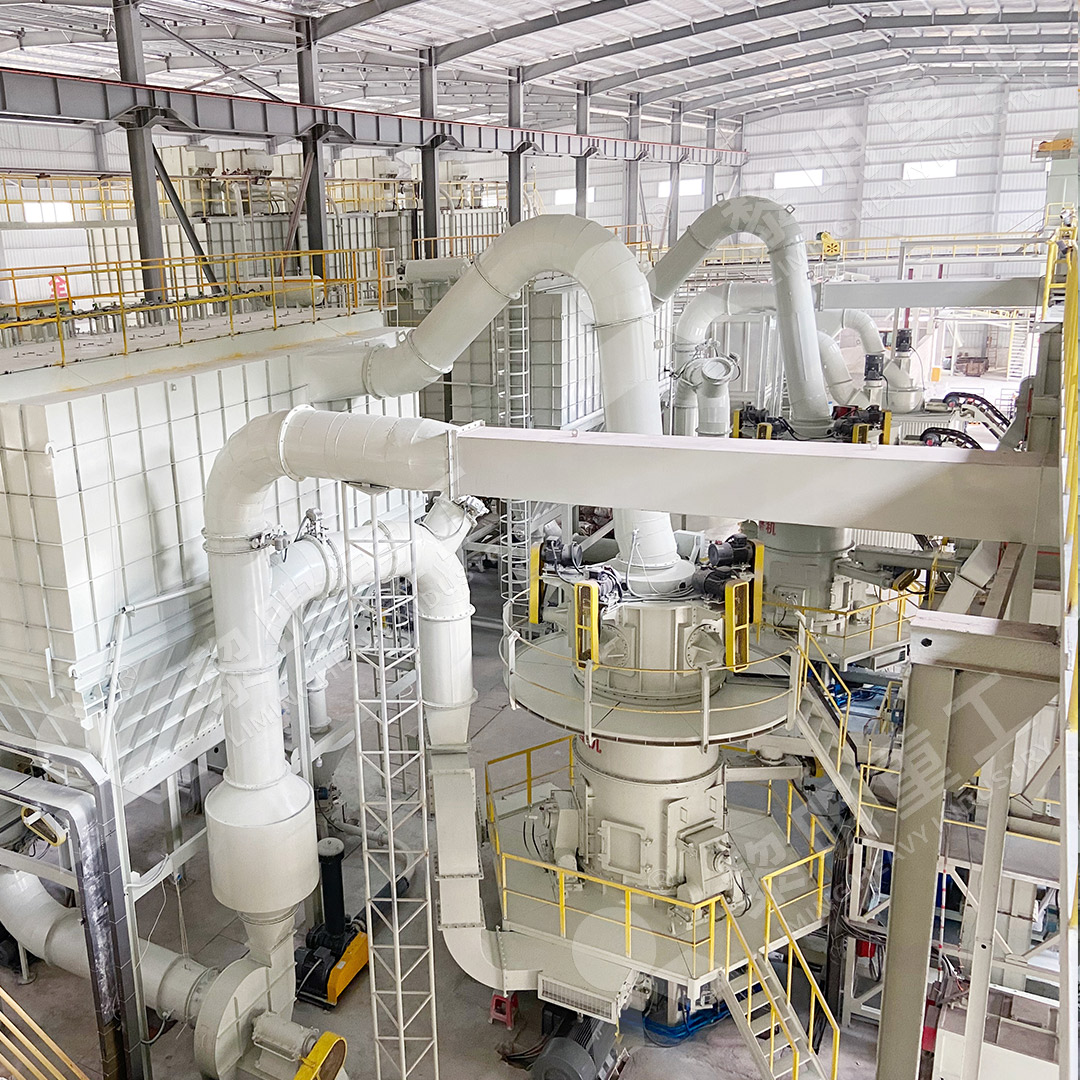
A calcite powder plant for paint applications typically begins with primary crushing of raw calcite to ≤30 mm. Material is then stored in silos and fed into the grinding mill using controlled feeders. The grinding mill reduces particle size while an air classifier separates fine product from coarse material, which is returned to the mill. Collected powder is transported through a dust collection system and stored in silos for packaging or further processing. This closed-loop system ensures consistent particle size, reduces waste, and maintains a clean working environment.
_1761355701094.jpg)
Quality Control & Particle Size Distribution
Consistent quality in paint-grade calcite powder requires rigorous control over fineness and particle morphology. Continuous monitoring using laser diffraction or sieve analysis ensures compliance with specified mesh sizes. Adjusting mill parameters such as grinding pressure, classifier speed, and airflow maintains target distribution. Quality checks include whiteness, moisture content, and particle shape to ensure smoothness and dispersibility in paints. Implementing systematic quality control reduces batch-to-batch variation, improves paint performance, and minimizes production issues.
Energy Consumption Analysis
Grinding calcite to fine and ultrafine sizes is energy-intensive. Vertical roller mills are energy-efficient due to combined grinding and classification, while Raymond mills consume more energy for the same output but offer flexible fineness adjustment. Ultrafine mills, such as LUM and MW series, require higher energy for finer powders but provide precise particle size control. Optimizing feed rate, airflow, and grinding pressure can significantly reduce power consumption per ton of calcite powder. Continuous energy monitoring helps maintain cost-effective production without compromising product quality.
Equipment Maintenance Tips
Maintaining mills is critical for stable calcite powder production. Regular inspections of grinding rollers, rings, classifier blades, and wear surfaces prevent unexpected downtime. Lubrication systems and bearing temperatures should be checked frequently. Dust collectors and air ducts must be cleaned to maintain airflow and prevent material buildup. Scheduled replacement of high-wear components ensures consistent output quality and prolongs equipment life. Operators should maintain logs of wear rates and adjust maintenance intervals according to operational conditions.
Frequently Asked Questions
Q1: What mill should I use for medium-fine calcite powder in paints?
A: LM Vertical Roller Mills or MTW Raymond Mills are suitable for producing 200–400 mesh powders.Q2: How can I achieve ultrafine calcite powder above 400 mesh?
A: Use LUM Ultrafine Vertical Mills or MW Micro Powder Mills with precise airflow and classification control.Q3: How does particle size affect paint quality?
A: Smaller and uniform particles improve coverage, smoothness, and dispersion in paint formulations.Q4: What are the critical wear parts in calcite mills?
A: Grinding rollers, rings, and classifier blades require routine monitoring and timely replacement.Q5: How can energy consumption be minimized?
A: Optimize feed rate, airflow, and mill load; choose energy-efficient vertical roller mills when possible.Q6: Why is air classification important?
A: It ensures consistent particle size distribution, reducing coarse particles and improving paint performance.Q7: How often should maintenance be performed?
A: Routine inspections and scheduled replacement of wear parts based on operating hours maintain stable production.Q8: Can powder quality be monitored in real time?
A: Yes, using laser particle size analyzers and sieve analysis for D50/D90 monitoring and adjustment.Q9: Is dust collection necessary in paint-grade calcite plants?
A: Yes, it maintains safe operation, prevents material loss, and ensures environmental compliance.