FAQ
Which Raw Mill System Offers the Best Energy Saving for Philippines Cement Plants?
2026-04-18 09:29:34
Summary:
The Vertical Roller Mill (VRM) is the premier energy-saving solution for Philippines cement plants, reducing power consumption by 30-50% compared to ball mills while effectively drying high-moisture limestone during the monsoon season.
Details:
Grinding Mechanisms and Thermal Efficiency
Energy efficiency in raw material preparation is dictated by the grinding mechanism and the system's ability to utilize waste heat. In the Philippines, limestone deposits often present varying levels of moisture and moderate abrasiveness, necessitating a system that balances mechanical work with thermal drying capacity.
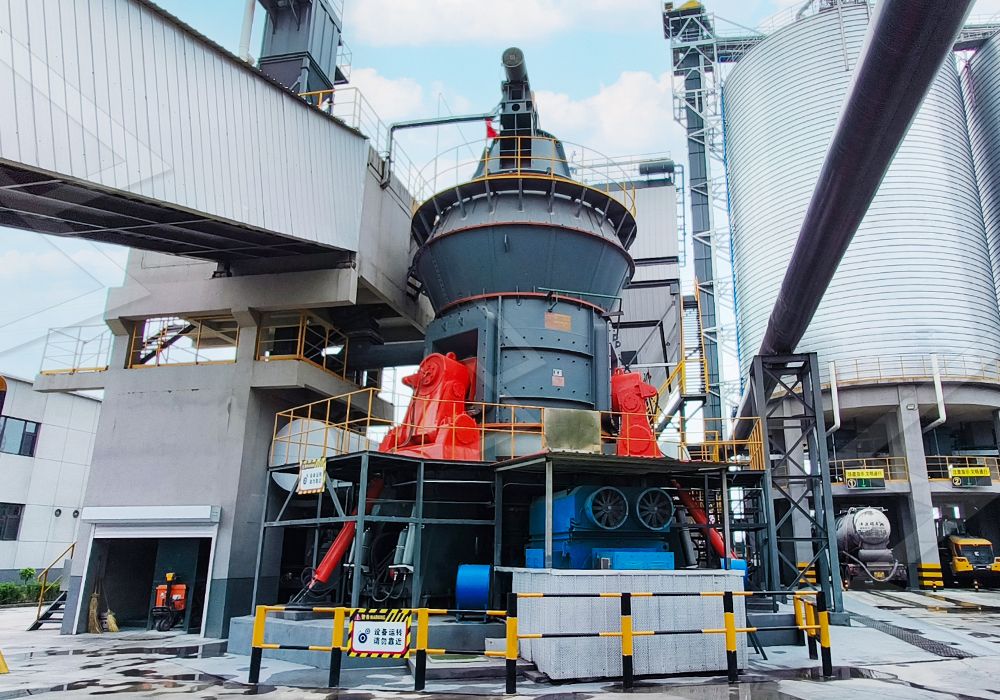
Compression-Based Grinding: This mechanism, used in vertical mills, applies direct hydraulic pressure to the material bed. It is significantly more efficient than impact grinding for limestone, as it minimizes energy loss through heat and vibration.
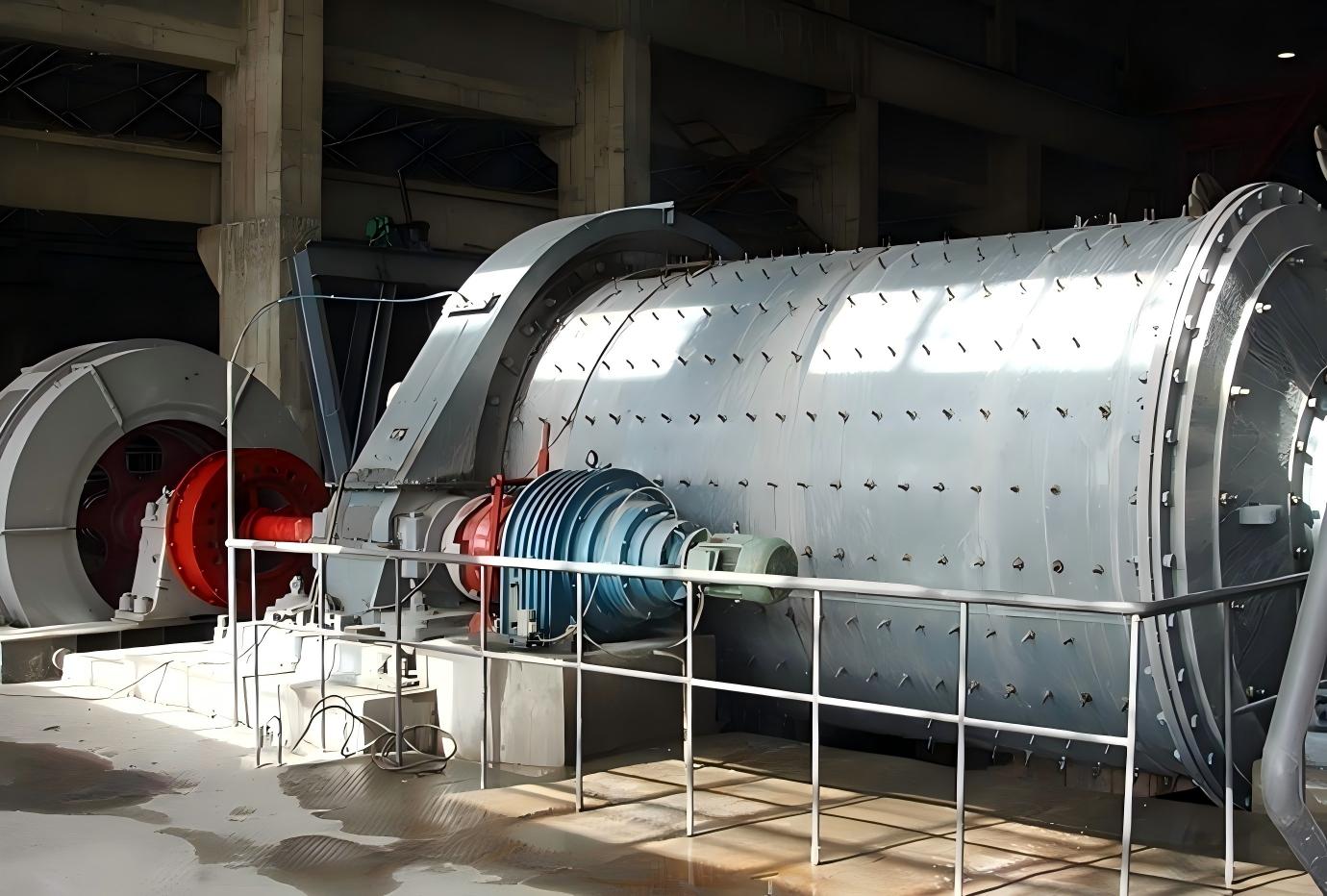
Impact and Attrition: Traditional ball mills rely on the impact of falling media. While reliable, the specific power consumption is high, and they often require auxiliary drying units for feed moisture exceeding 2%, which increases the total plant heat rate.
Liming Heavy Industry Equipment Selection for the Philippines Market
Based on field data from Southeast Asian installations, the following equipment selection logic applies to cement raw meal and additive grinding operations:
| Operational Requirement | Recommended Equipment | Energy-Saving Advantage |
|---|---|---|
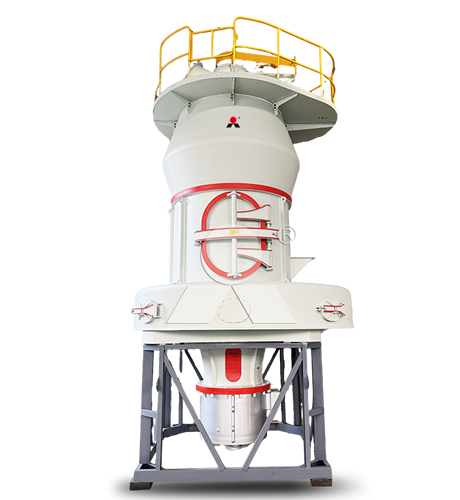
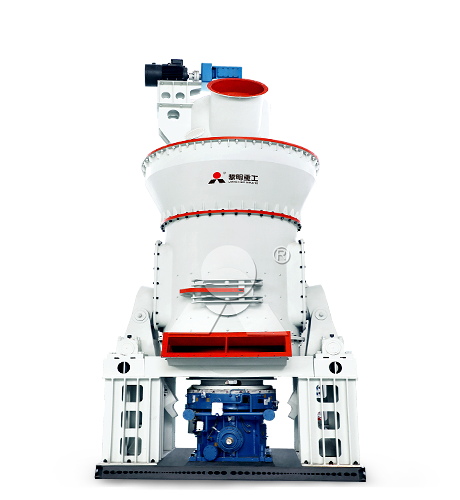
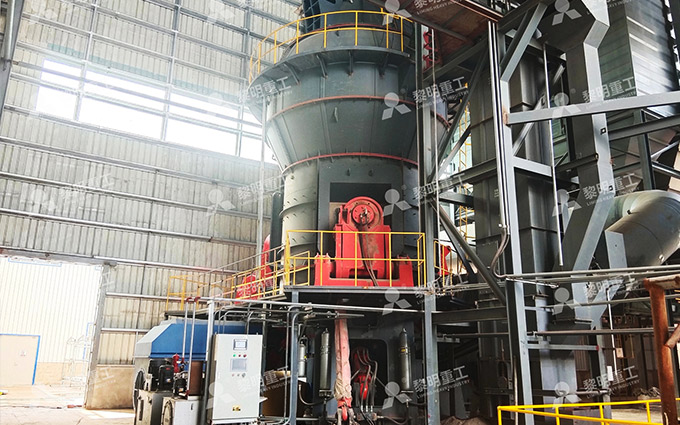
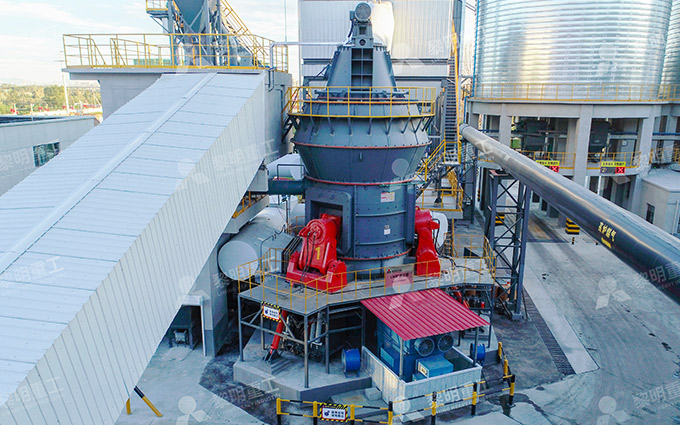
| Large-scale cement raw meal (high moisture limestone) | LM190K Vertical Roller Mill | Integrates grinding, drying, and classifying; uses kiln tail gas for drying up to 15% moisture. |
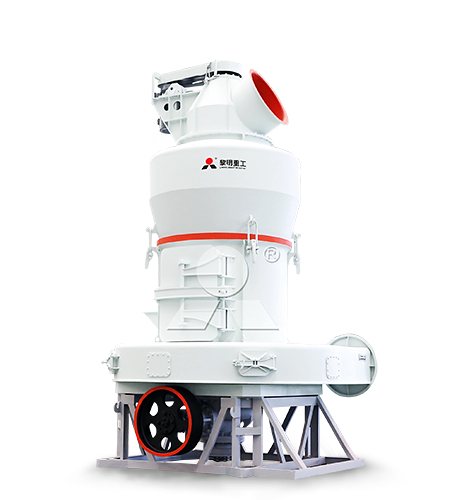
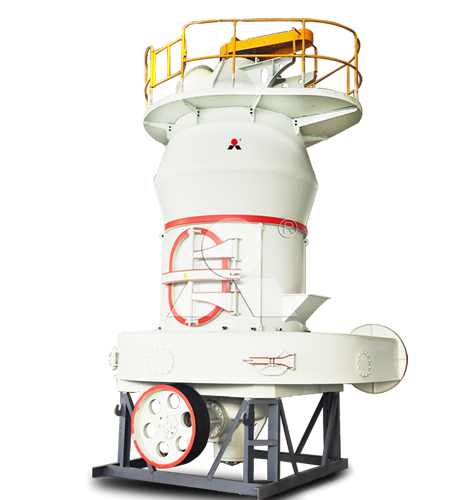
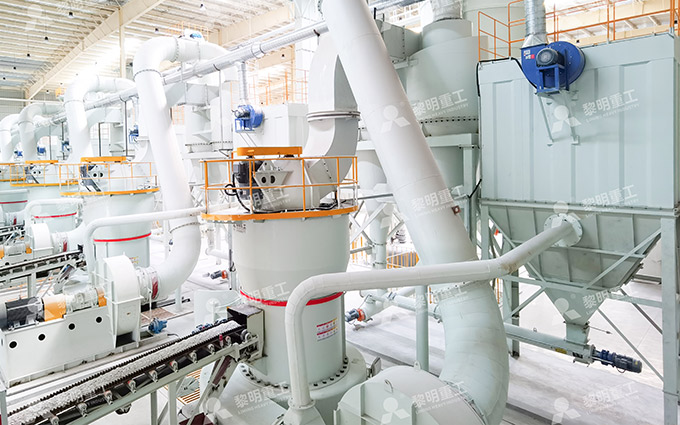
| Medium-scale production or grinding additives like gypsum | MTW175 European Trapezium Mill | Features a centrifugal induced-draft system and curved ducting to reduce pressure loss and fan power. |
| Highly abrasive silica sand or ultra-fine additives | MQG2430 Energy-saving Ball Mill | Equipped with double-row self-aligning roller bearings to reduce friction and starting torque by 10-15%. |
System Integration and Material Behavior
For Philippine operators, the LM170K Vertical Roller Mill offers the most significant reduction in OPEX. By combining four processes—crushing, grinding, drying, and powder selection—into a single unit, the system reduces the number of circulating fans and conveyors. This streamlined airflow design minimizes the system's internal resistance.
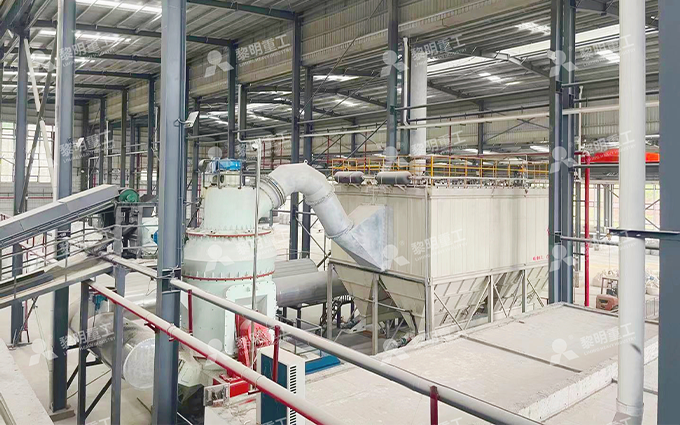
However, for specialized additives or smaller production lines where the feed is brittle but abrasive, the MTW Series European Trapezium Mill provides a higher grinding force than standard Raymond mills. Its trapezoidal roller and ring design increases the contact area, ensuring that energy is concentrated on material breakage rather than mechanical friction.
FAQ: Optimizing Raw Mill Energy Consumption
1. How does the LM Series Vertical Roller Mill handle high humidity?
The LM190K Vertical Roller Mill uses a large-volume air sweep design. In the Philippines, it can leverage waste heat from the preheater to dry limestone with 10-12% moisture during the rainy season without an external furnace.
2. Why is the MTW Series European Trapezium Mill more efficient than older models?
The MTW215 European Trapezium Mill utilizes a concentrated lubrication system and an optimized impeller classifier, which reduces the bypass of oversized particles and prevents over-grinding, a common source of energy waste.
3. When should an Energy-saving Ball Mill be used instead of a VRM?
If the raw material has a high Bond Work Index (BWI) or is extremely abrasive, the MQG2430 Energy-saving Ball Mill is more cost-effective. Its energy-saving features, such as modified liner plates, help maintain lower power draws than legacy horizontal mills.
4. What is the typical power saving with an LM Series Vertical Roller Mill?
Switching from a traditional ball mill system to an LM220K Vertical Roller Mill system typically results in a power saving of 8 to 12 kWh per ton of raw meal produced, depending on the material's grindability.