Industry News
Dolomite Grinding Mill Supplier for Construction Aggregate and Concrete in Turkey
2026-02-09 09:34:38
We are Liming Heavy Industry, a manufacturer of various types of industrial crushers, such as Raymond Mill, Trapezoidal Mill, Vertical Mill, Ultrafine Mill, Ball Mill, etc.
Our mills can process the following minerals:
limestone, quicklime, kaolin, talc, barite, bentonite, calcium carbonate, dolomite, coal, gypsum, clay, carbon black, slag, cement raw materials, cement clinker, etc.
If you need a mill to process stone or minerals into powder, please feel free to contact me (WhatsApp: +8615333807511). Thank you.
Mastering Dolomite Processing: Why Turkish Aggregate Producers are Shifting to Advanced Grinding Technology
_1761296107304.jpg)
If you have spent any time in the bustling industrial zones of Istanbul, Ankara, or the quarry-rich landscapes of the Marmara region, you know that Turkey's construction sector waits for no one. As a veteran in the non-metallic mineral processing industry, I have walked through dozens of plants where dolomite is the lifeblood of the operation. Whether it is for high-strength concrete, asphalt filler, or specialized construction aggregates, the quality of your dolomite powder can make or break a contract.
The Turkish market is currently at a crossroads. Traditional methods of processing dolomite are hitting a ceiling. Producers are facing higher energy costs, stricter environmental regulations regarding dust emissions, and a demand for much finer, more consistent particles. To stay competitive in the "New Turkey" infrastructure era, you cannot rely on yesterday's hardware. This is why I have spent the last few years helping partners transition to Liming Heavy Industry's flagship solutions: the MTW European Type Trapezium Mill (our evolved Raymond Mill) and the LM Vertical Roller Mill.
The Evolution of the Raymond Mill: The MTW European Series
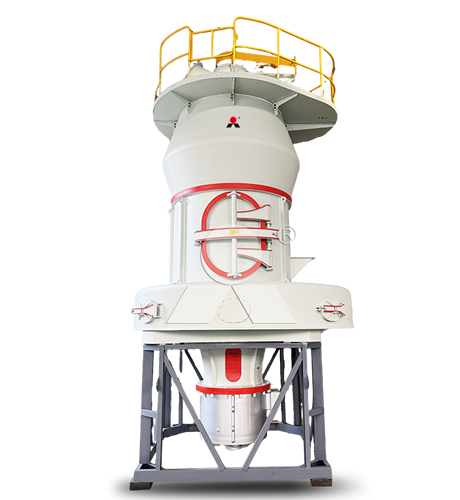
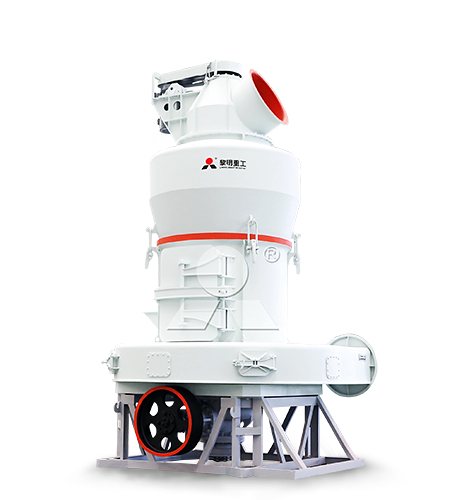
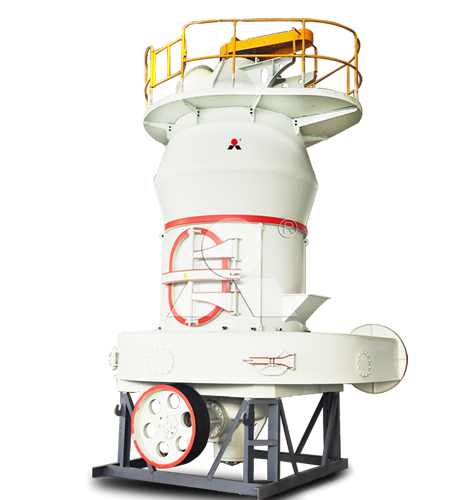
For many in the Turkish aggregate business, the "Raymond Mill" is a household name. It is the reliable workhorse of the industry. However, Liming has taken that classic concept and completely re-engineered it into the MTW European Type Trapezium Mill. When I talk to site managers in Izmir or Bursa, they often complain about the maintenance headaches of older mills. The MTW changes that narrative.
_1761361296294.jpg)
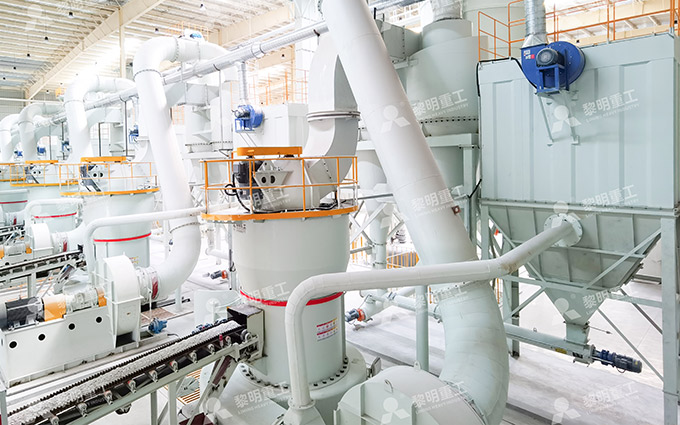
By utilizing an integral bevel gear transmission and an internal thin-oil lubrication system, the MTW eliminates the clunky, high-vibration issues of traditional belt-driven mills. For dolomite processing, this means more uptime and a much smoother output. The curved shovel design ensures that the material is fed precisely into the grinding zone between the roller and the ring. If you are aiming for that perfect 200-mesh or 325-mesh filler for concrete additives, the MTW provides a level of stability that old-school mills simply cannot match. It is compact, efficient, and, most importantly, it is built to survive the rugged environment of a Turkish quarry.
The Heavyweight Contender: LM Vertical Roller Mill
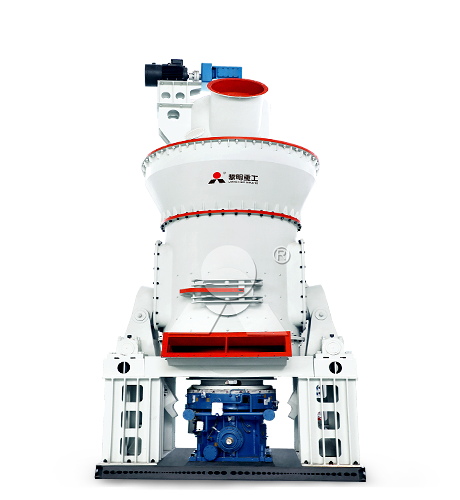
When the conversation shifts to high-capacity production—we are talking 20 to 100 tons per hour—the LM Vertical Roller Mill is the only machine I recommend. In the Turkish construction market, scale is everything. If you are supplying a major highway project or a coastal development, you need volume without sacrificing quality.
_1767930326611.jpg)
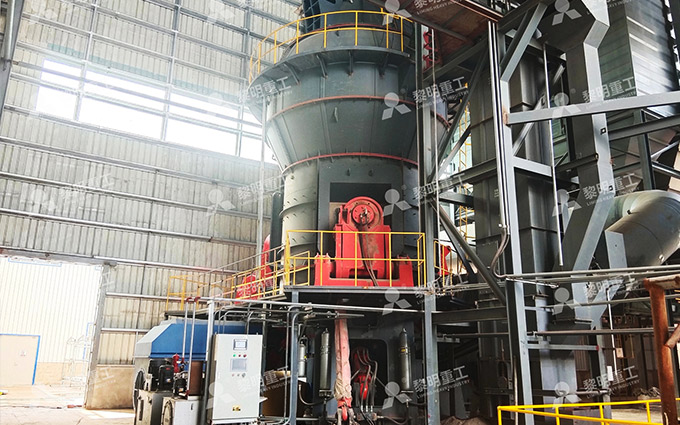
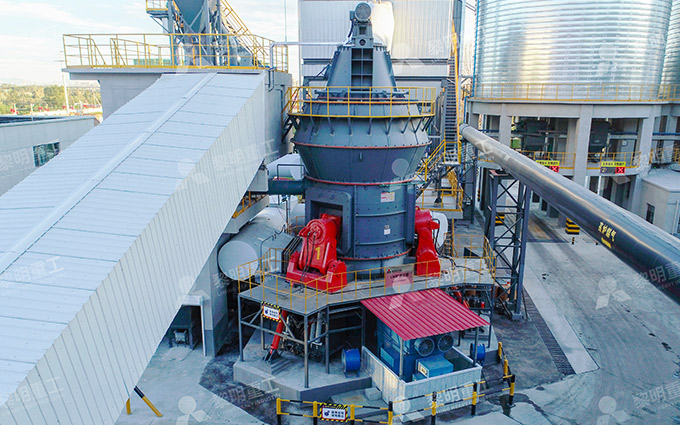
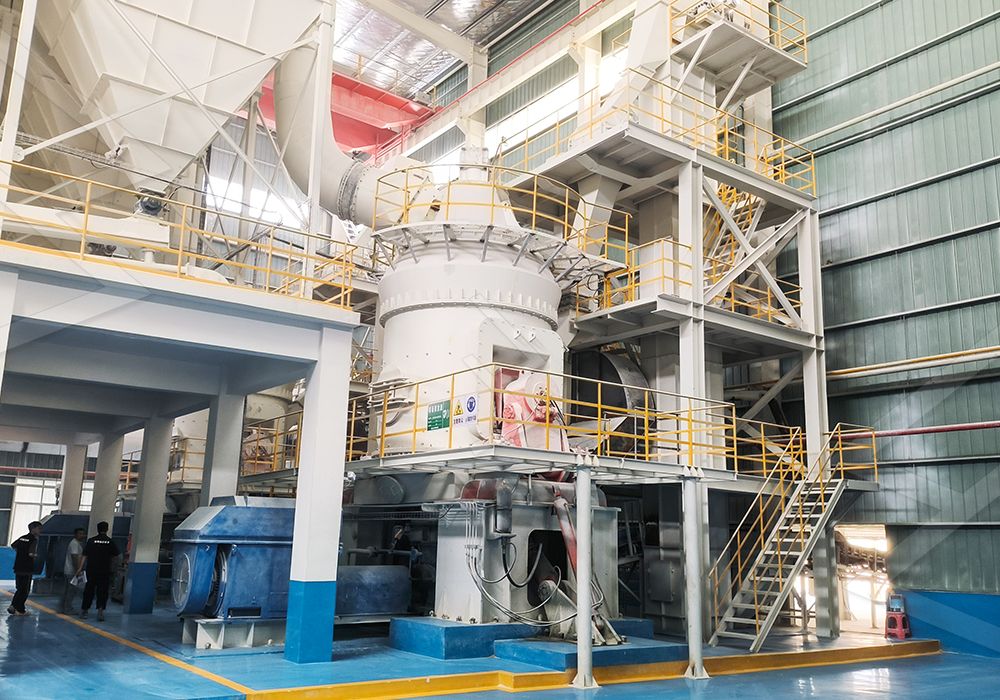
The LM Vertical Mill is a masterpiece of efficiency. It combines crushing, drying, grinding, and classifying into one vertical tower. Why is this a game-changer for dolomite? Dolomite can often carry moisture, especially during the wetter months in the Black Sea region. The LM mill uses hot air to dry the material while it is being ground, saving you the massive expense of a separate rotary dryer. Furthermore, the grinding principle—using hydraulic pressure to crush material on a rotating table—uses significantly less electricity per ton than any ball mill or impact crusher. In a country where energy prices are a primary concern for every factory owner, the LM mill is essentially a money-saving machine.
Local Demands, Global Technology
Turkey is a bridge between continents, and its industrial standards reflect that. Producers are no longer looking for the cheapest machine; they are looking for the best return on investment. Liming Heavy Industry understands this. Our machines are designed with high-chromium wear parts that laugh at the abrasive nature of Turkish dolomite. We have integrated advanced PLC control systems that allow a single operator to manage the entire grinding line from a tablet, bringing "Industry 4.0" directly to the quarry floor.
But beyond the steel and the software, it is the support that matters. We know that if a mill stops in Antalya, a construction site in Istanbul might feel the delay. That is why our commitment to the Turkish market includes robust technical support and a supply chain for spare parts that keeps your rollers turning 24/7.
_1761361296291.jpg)
Frequently Asked Questions (FAQ)
1. What is the difference between a traditional Raymond Mill and the MTW European Mill?
The MTW is an upgraded version featuring a bevel gear drive (more efficient than belts), an internal oil lubrication system (reducing maintenance frequency), and a more aerodynamic air duct system that increases throughput by nearly 20% compared to traditional models.
2. Can the LM Vertical Mill handle dolomite with high moisture content?
Yes. The LM series allows for the introduction of hot air into the mill chamber. It can effectively dry and grind material with a moisture content of up to 15%, eliminating the need for a separate drying stage.
3. Which mill is better for producing concrete filler in Turkey?
For medium-scale operations (3-15 TPH) focused on high-quality filler, the MTW series is excellent. For large-scale industrial production (above 20 TPH), the LM Vertical Mill is the preferred choice due to its energy efficiency and footprint.
4. How do these mills address environmental and dust concerns?
Both the MTW and LM mills operate under negative pressure, meaning dust cannot escape the system. They are equipped with high-efficiency pulse dust collectors that ensure emissions meet the strictest Turkish and EU environmental standards.
5. What is the typical fineness range for dolomite grinding?
Our mills are highly adjustable. Typically, for construction aggregates and concrete additives, fineness ranges from 80 mesh to 400 mesh, though the systems can be tuned for much finer micro-powders if required.
6. How long do the wear parts (rollers and rings) last?
When processing Turkish dolomite, which has moderate abrasiveness, our high-chrome alloy wear parts typically last between 2,000 and 4,000 operational hours, depending on the specific mineral hardness and fineness requirements.
7. Is it difficult to change the product size during a production run?
Not at all. Both mills feature variable-frequency classifiers. You can adjust the rotor speed via the control panel to change the particle size in real-time without stopping the machine.
8. Does Liming provide installation services in Turkey?
Yes, we provide comprehensive on-site installation guidance, commissioning, and staff training to ensure your team is fully capable of operating the machinery at peak efficiency.
9. How does the energy consumption compare to a Ball Mill?
The LM Vertical Roller Mill generally consumes 30% to 50% less energy than a traditional ball mill for the same output of dolomite powder.
10. Are spare parts readily available for Turkish customers?
We maintain a strategic inventory of common wear parts and components to ensure rapid delivery and minimal downtime for our Turkish partners.