Industry News
Barite grinding mill for drilling mud additives in USA
2026-02-10 09:09:58
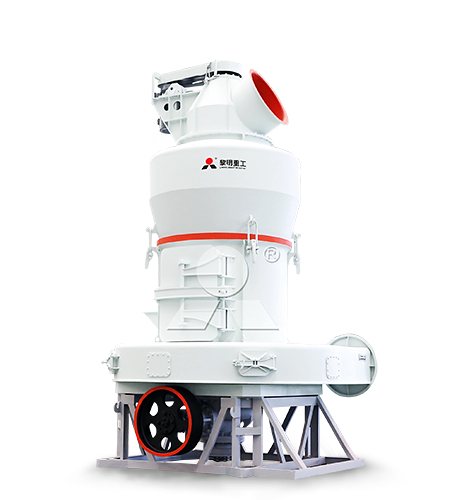
We are Liming Heavy Industry, a manufacturer of various types of industrial crushers, such as Raymond Mill, Trapezoidal Mill, Vertical Mill, Ultrafine Mill, Ball Mill, etc.
Our mills can process the following minerals:
limestone, quicklime, kaolin, talc, barite, bentonite, calcium carbonate, dolomite, coal, gypsum, clay, carbon black, slag, cement raw materials, cement clinker, etc.
If you need a mill to process stone or minerals into powder, please feel free to contact me (WhatsApp: +8615333807511). Thank you.
Mastering API 13A: Superior Barite Grinding Solutions for the American Oil & Gas Sector
In the high-stakes world of unconventional drilling across the Permian Basin and the Haynesville Shale, the margin for error is razor-thin. As a seasoned professional in the non-metallic mineral processing industry, I have seen firsthand how the quality of a weighting agent can dictate the success of a multi-million dollar well. Barite ($BaSO_4$) is the backbone of drilling mud, and in the USA, "good enough" simply doesn't cut it when you are facing the rigorous demands of API 13A standards.
The American market is currently demanding higher densities and more stable suspensions to manage the complexities of deep-well and horizontal drilling. To meet these needs, your grinding circuit must deliver a precise particle size distribution—specifically minimizing "barite sag" while maintaining optimal rheology. This is where Liming Heavy Industry steps in. We provide the technical muscle and precision engineering required to transform raw barite ore into the high-grade powder that America's energy leaders depend on.
_1767930568574.jpg)
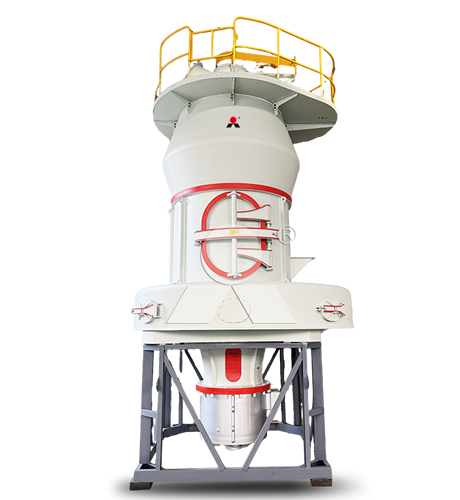
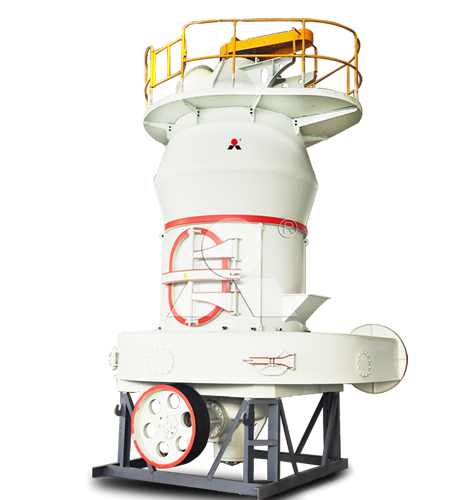
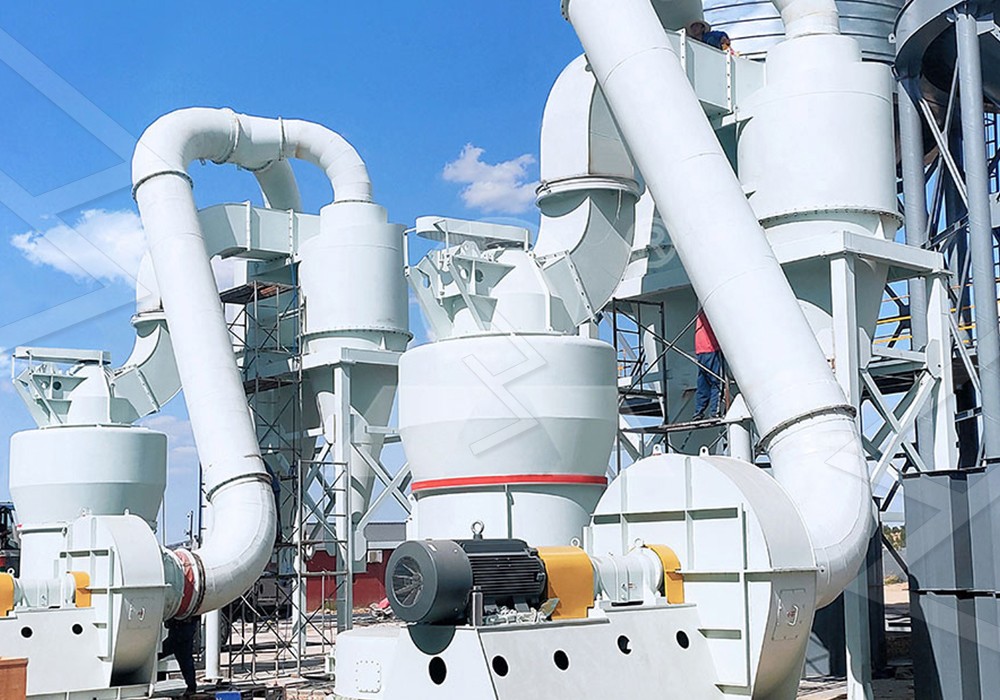
The Versatile Powerhouse: MTW European Type Trapezium Mill
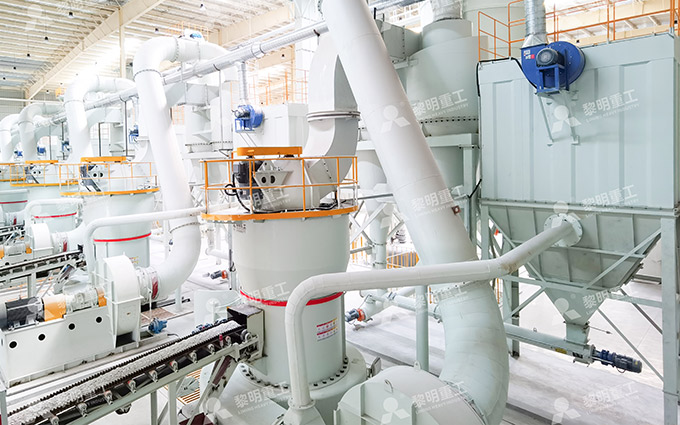
For mid-sized plants and those requiring flexibility in their production lines, the MTW European Type Trapezium Mill is my top recommendation. Think of it as the ultimate evolution of the traditional Raymond Mill. While the classic Raymond design has served the industry for decades, the MTW series was engineered to solve its historical limitations.
Why is the MTW a favorite for barite producers in Texas and Oklahoma? It features a unique integral bevel gear transmission that eliminates the energy loss and maintenance headaches of older belt-driven systems. More importantly for the barite industry, its internal thin-oil lubrication system allows for 24/7 operation without the frequent downtime for greasing that plagues traditional mills. When you are grinding barite to a standard 200 or 325 mesh, the MTW's curved shovel design ensures that every ounce of material is utilized, maximizing your yield and ensuring that the final product meets the "3% maximum residue on 75-micron screen" requirement of the API.
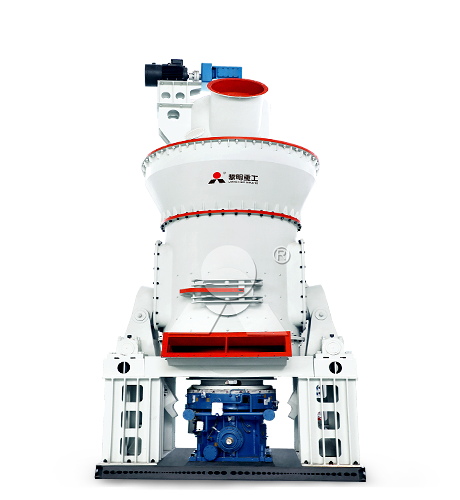
The Industrial Giant: LM Vertical Roller Mill
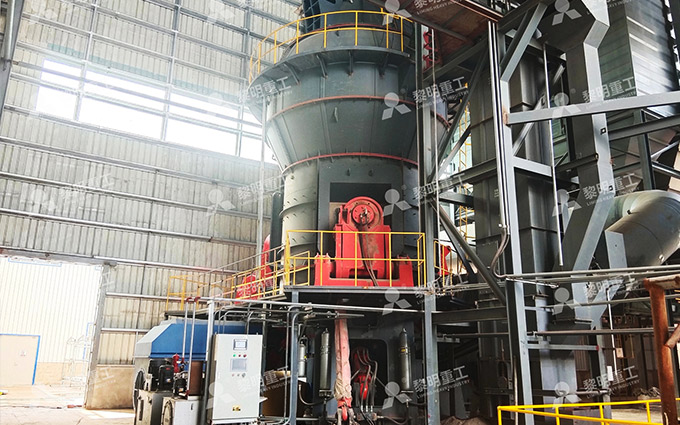
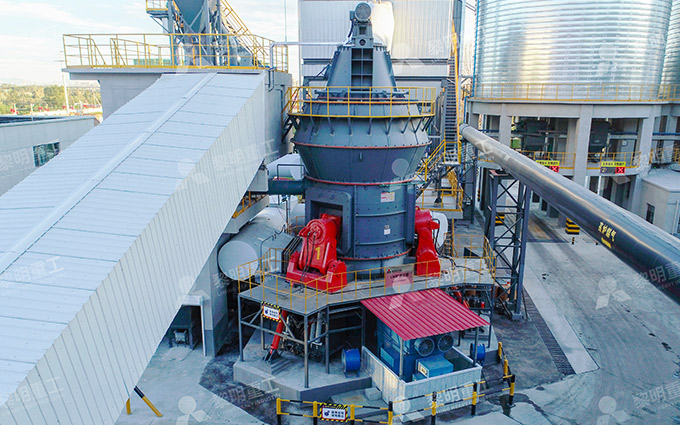
When your operation scales up to high-capacity industrial supply, you need the LM Vertical Roller Mill. This is the technology currently revolutionizing large-scale barite processing facilities. In the USA, where energy costs and environmental regulations are top-of-mind, the LM series offers a distinct competitive advantage.
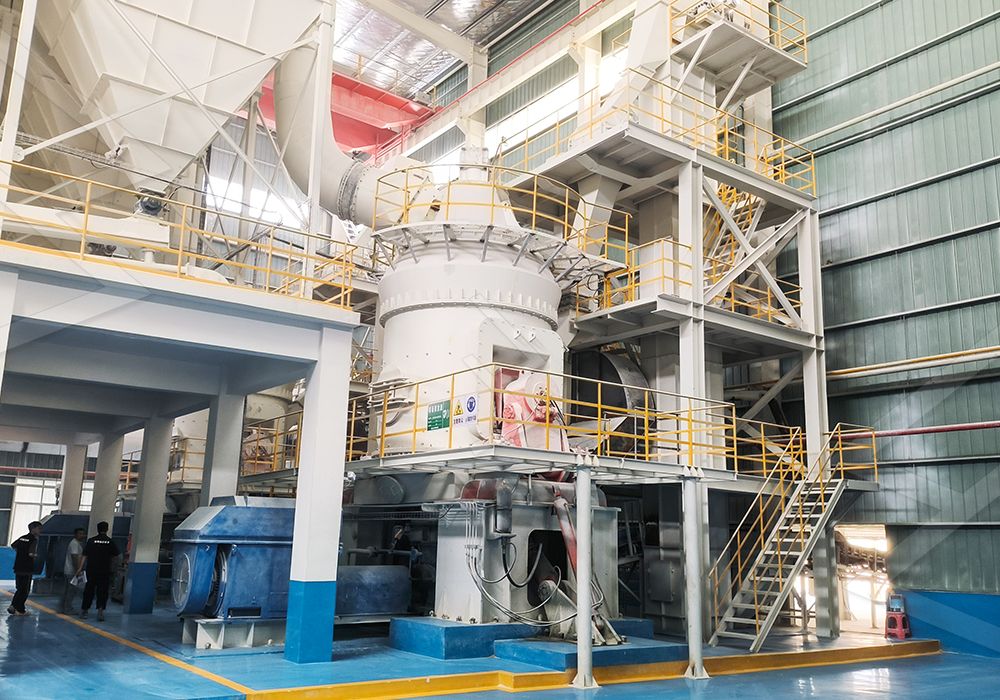
The LM mill isn't just a grinder; it is a complete processing system that integrates grinding, drying, and classifying. Barite ores with high moisture content can be processed directly without the need for an external dryer, as the mill utilizes hot air to dry the powder during the grinding process. From an engineering perspective, the hydraulic pressure system allows operators to adjust the grinding force in real-time. This precision ensures that you can consistently achieve the "less than 30% of particles under 6 microns" specification—a critical factor in preventing excessive mud viscosity and keeping your customers' drilling fluid performance within the "sweet spot."
Engineered for the American Standard
Choosing Liming Heavy Industry means investing in equipment that understands the American industrial landscape. Our mills are built with high-chrome alloy wear parts, specifically designed to handle the abrasive nature of barite while extending the intervals between maintenance cycles. We have integrated advanced PLC automated control systems, allowing your plant managers to monitor every vibration, temperature change, and pressure fluctuation from a centralized control room.
In 2026, the demand for barite is no longer just about volume; it is about the "cleanliness" of the grind and the reliability of the supplier. Liming's commitment to the US market includes comprehensive technical support and a logistics network designed to keep your rollers turning, ensuring that the drilling mud additives you produce are the gold standard of the industry.
_1761355927036.jpg)
Frequently Asked Questions (FAQ)
1. How do Liming mills ensure compliance with API 13A standards?
Our mills utilize high-precision multi-head classifiers that allow for exact control over the particle size distribution. This ensures the finished barite powder stays within the 3% limit for +75 micron particles and the 30% limit for -6 micron particles, which is vital for maintaining mud weight and preventing sag.
2. Can the MTW mill produce both 200 mesh and 325 mesh barite?
Yes. The MTW series features a variable-frequency classifier. By simply adjusting the rotor speed, you can switch between different product fineness levels without stopping the production line.
3. What are the energy savings of using an LM Vertical Mill over a Ball Mill?
The LM Vertical Roller Mill typically consumes 30% to 50% less electricity than a ball mill system because it uses compression grinding rather than impact, and combines multiple stages (grinding, drying, classifying) into one unit.
4. Is the equipment compatible with US electrical and safety standards?
Absolutely. We provide customized motor and control configurations (such as NEMA standards) to ensure full compatibility with American industrial power grids and safety regulations.
5. How does the mill handle the abrasive nature of barite?
We use high-quality, high-chromium wear-resistant alloys for the rollers and grinding rings. This significantly extends the service life and reduces the risk of iron contamination in the final powder.
_1761355701094.jpg)
6. What is the maximum feed size for the LM Vertical Mill?
Depending on the model, the LM series can handle raw barite lumps up to 38mm to 55mm (roughly 1.5 to 2 inches), often allowing you to skip a secondary crushing stage.
7. Do you provide local technical support in the USA?
Yes, we have dedicated technical engineers and a spare parts network to assist with installation, commissioning, and ongoing maintenance for our North American clients.
8. How is dust controlled during the grinding process?
Both the MTW and LM mills operate under negative pressure. Combined with our high-efficiency pulse jet bag filters, we ensure that dust emissions are kept well below OSHA and EPA requirements, maintaining a clean and safe working environment.
9. Can these mills be used for other drilling mud additives like bentonite?
Yes, both mill types are highly versatile and are frequently used to process bentonite, calcium carbonate, and other minerals used in the oil and gas sector.
10. What is the typical lead time for a complete grinding line?
Generally, lead times range from 12 to 20 weeks depending on the scale of the system and customization requirements. We recommend contacting us early to align with your project's commissioning schedule.