Industry News
Best Deals Limestone Grinding Mills for Chemical and Industrial Applications in Tanzania
2026-02-24 15:47:15
We are Liming Heavy Industry, a manufacturer of various types of industrial crushers, such as Raymond Mill, Trapezoidal Mill, Vertical Mill, Ultrafine Mill, Ball Mill, etc.
Our mills can process the following minerals:
limestone, quicklime, kaolin, talc, barite, bentonite, calcium carbonate, dolomite, coal, gypsum, clay, carbon black, slag, cement raw materials, cement clinker, etc.
If you need a mill to process stone or minerals into powder, please feel free to contact me (WhatsApp: +8615333807511). Thank you.
If you have spent any significant time in the industrial sectors of Dar es Salaam, Tanga, or Mwanza, you have likely noticed a shift in the air. Tanzania's industrial landscape is no longer just about raw extraction; it is moving rapidly toward high-value processing. As a veteran in the non-metallic mineral processing field, I have consulted with dozens of plant owners who are realizing that their old, inefficient crushers are the only thing standing between them and the lucrative chemical and industrial markets.
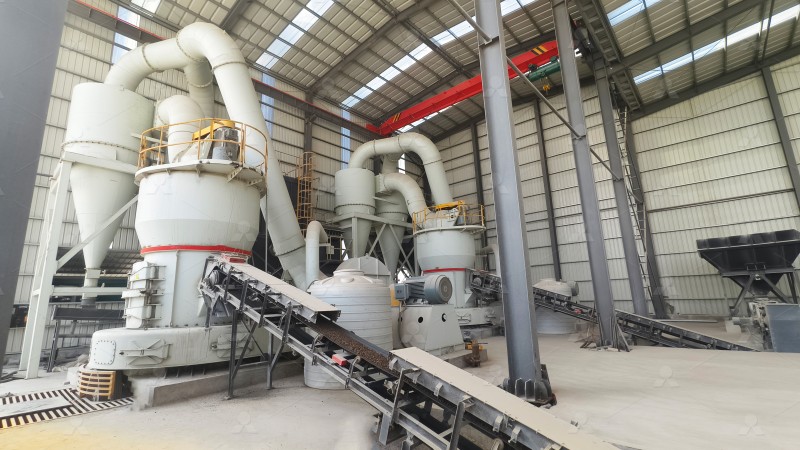
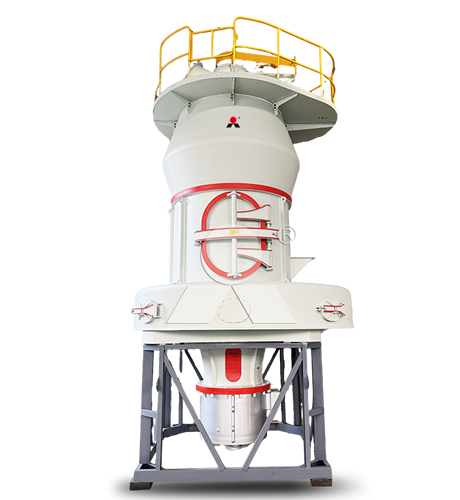
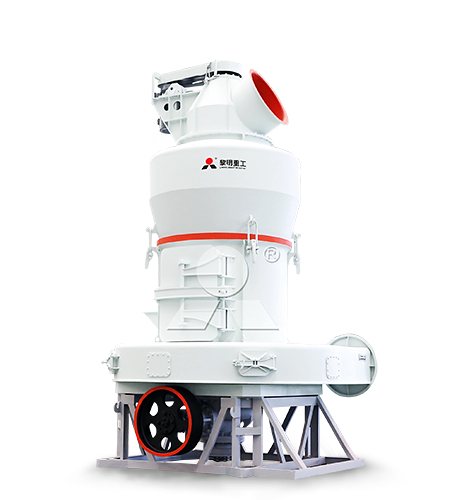
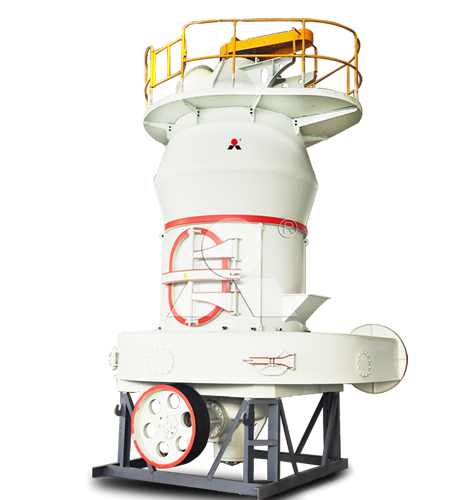
Limestone is the backbone of Tanzania's growth. Whether you are supplying the surging construction market with desulfurization agents for power plants, providing fillers for the local paint industry, or producing high-purity calcium carbonate for chemical processing, the "fineness" of your grind determines your profit margin. In the current economic climate, you cannot afford a machine that wastes electricity or requires constant, expensive repairs. This is why I consistently direct my Tanzanian partners toward Liming Heavy Industry's most reliable workhorses: the MTW European Type Trapezium Mill and the LM Vertical Roller Mill.
The MTW European Series: The "Smart" Evolution of the Raymond Mill
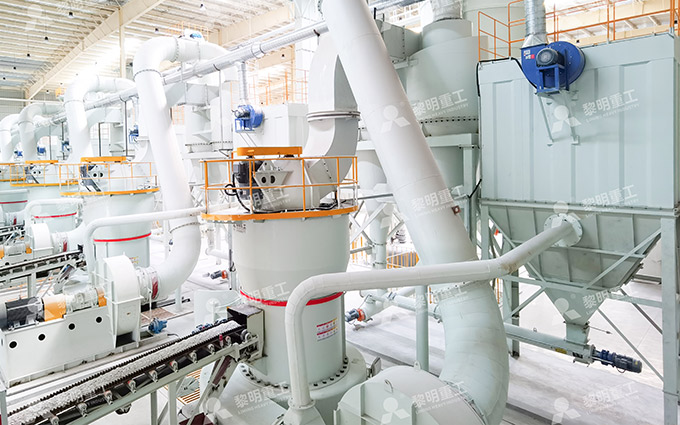
In many Tanzanian quarries, the traditional Raymond Mill is a familiar sight. It's a classic for a reason. However, for those looking to compete in the 2026 industrial market, the classic design has its limits. That is where the MTW European Type Trapezium Mill enters the picture. Think of it as the Raymond Mill perfected through modern engineering.
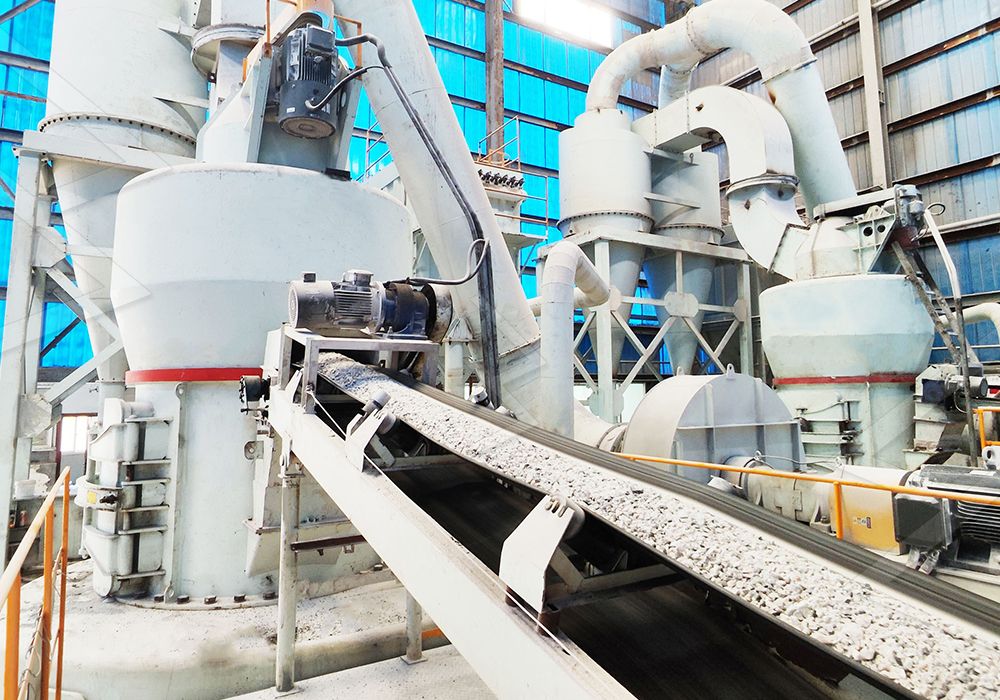
The MTW mill solves the two biggest headaches I hear about in the field: high energy consumption and frequent maintenance. By replacing the old belt-drive system with an integral bevel gear transmission, we have significantly boosted transmission efficiency. In practical terms, this means more of your electricity goes into grinding rock and less is lost to heat and friction. For a chemical-grade limestone producer, the MTW's internal thin-oil lubrication system is a lifesaver. You no longer have to stop the machine every few hours for manual greasing. It runs smoother, lasts longer, and produces a more consistent 200–400 mesh powder that meets the exacting standards of industrial filler applications.
The LM Vertical Roller Mill: The Industrial Titan
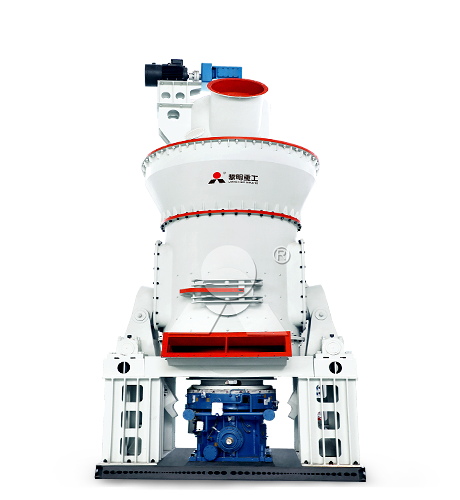
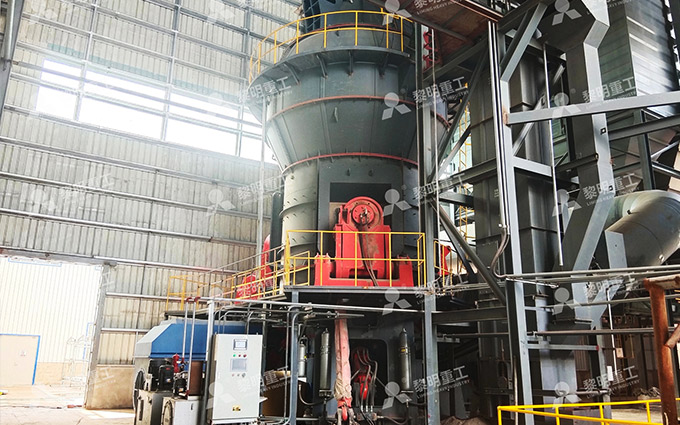
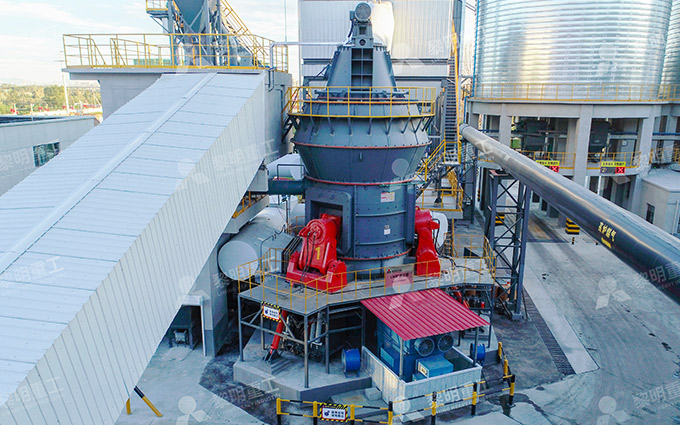
When the conversation shifts to large-scale industrial supply—perhaps for the massive cement plants or regional desulfurization projects—you need a system that handles volume with surgical precision. The LM Vertical Roller Mill is the undisputed champion here. If your target is 20 tons per hour or more, a vertical mill is not just an option; it is a necessity for financial viability.
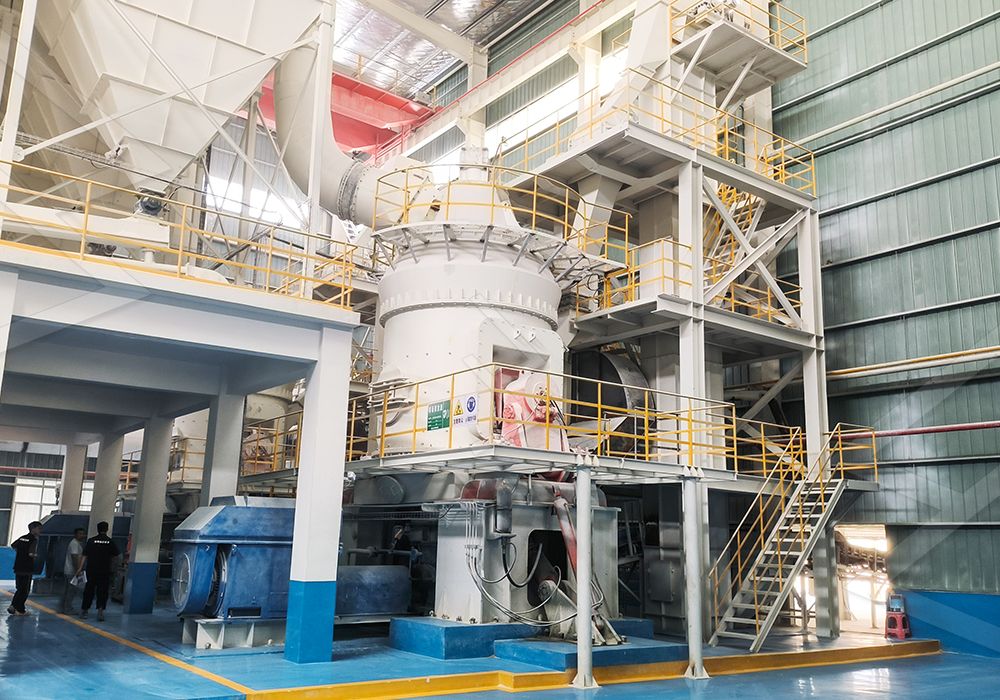
The beauty of the LM series lies in its integration. It combines crushing, drying, grinding, and classifying into a single vertical structure. In regions where limestone can be damp or during the rainy season in Tanzania, the LM mill's ability to dry the material using hot air while it grinds is a game-changer. You don't need to invest in a separate rotary dryer. Furthermore, the vertical mill uses a material bed grinding principle. Because the rollers do not hit the grinding table directly, there is minimal metallic wear, which ensures the purity and whiteness of your limestone—a critical factor for chemical-grade additives where iron contamination is a deal-breaker.
Why Liming is the Preferred Partner for Tanzanian Producers
Choosing a mill is about more than just the price tag; it's about the total cost of ownership over ten years. We understand the specific challenges of operating in East Africa—from power fluctuations to the need for robust, "heavy-duty" construction. Liming's machines are built with high-chrome alloy wear parts designed to withstand the abrasive nature of Tanzanian limestone while maintaining high throughput.
But the real "best deal" isn't just the machine; it's the localized support. We don't just ship a container and disappear. We provide full technical guidance, from foundation layout to final commissioning. Our goal is to ensure that when you flip the switch, your plant starts generating revenue immediately. With advanced PLC automated controls, your operators can manage the entire system with minimal training, bringing global-standard technology to your local operation.
_1767930326611.jpg)
Frequently Asked Questions (FAQ)
1. Which mill is better for producing paint fillers in Tanzania?
For paint fillers, whiteness and particle size consistency are key. The MTW European Mill is excellent for medium-scale production, while the LM Vertical Mill is superior for large-scale operations due to its ability to prevent iron contamination, keeping the limestone powder pure and white.
2. Can the LM Vertical Mill handle the limestone moisture during the rainy season?
Yes. The LM series features an integrated drying function. By introducing hot air into the mill, it can easily handle raw limestone with up to 15% moisture content without requiring an external dryer.
3. How does the electricity consumption compare between these mills and old-style crushers?
The MTW and LM mills are designed for efficiency. Generally, an LM Vertical Mill uses 30% to 50% less energy per ton compared to a ball mill or older impact grinding systems, which is a significant saving given electricity costs.
4. What is the typical fineness range for chemical-grade limestone?
Most industrial applications in Tanzania require fineness between 200 mesh and 600 mesh. Both the MTW and LM mills can be easily adjusted via their frequency-controlled classifiers to hit these targets exactly.
5. How long do the grinding rollers and rings last?
Depending on the hardness of your limestone, our high-chrome alloy wear parts typically last between 3,000 and 6,000 hours. We also offer specialized maintenance training to help your team extend the life of these components.
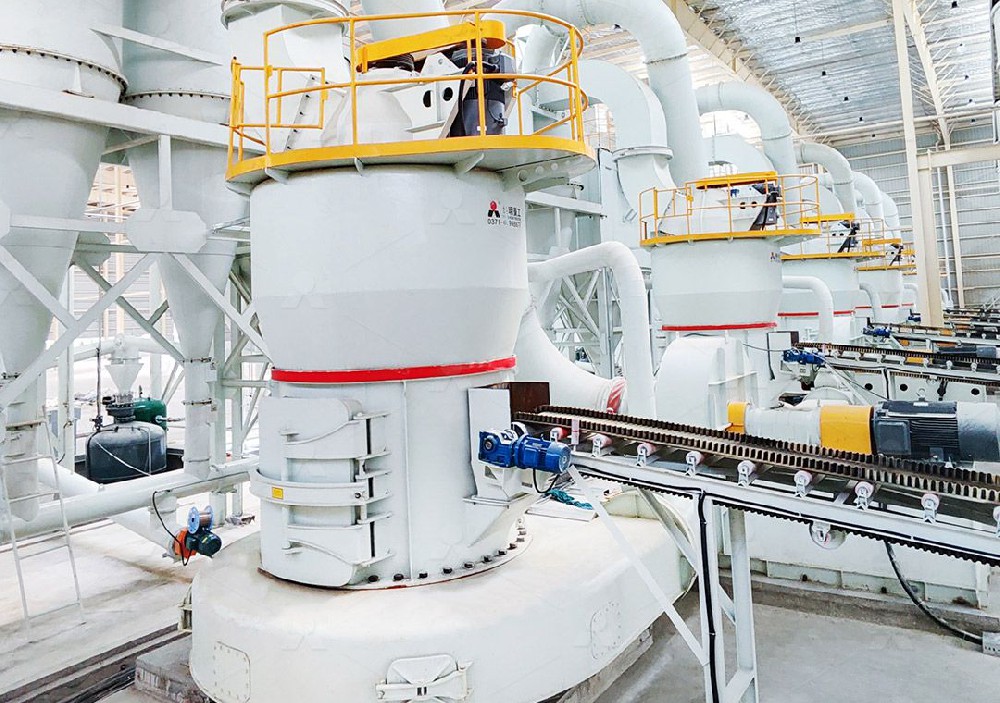
6. Is it difficult to get spare parts in Tanzania?
Not at all. We maintain a strategic presence in the region to ensure that common wear parts like rollers, rings, and filters are available quickly, minimizing your downtime.
7. Do the mills come with a warranty?
Yes, all Liming Heavy Industry mills come with a standard one-year warranty on the main machine and comprehensive technical support for the life of the equipment.
8. Can I produce very fine powder (800+ mesh) with these machines?
The LM series can reach these levels with specific configurations, but for dedicated ultra-fine requirements (up to 2500 mesh), we usually recommend our LUM or MW series micro-powder mills.
9. What kind of foundation is required for the LM Vertical Mill?
Vertical mills require a specific reinforced concrete foundation to handle the weight and vibration. We provide detailed foundation drawings and engineering guidance as part of the purchase package.
10. Does Liming provide on-site installation and training?
Yes, we send experienced engineers to your site in Tanzania to oversee the installation, conduct test runs, and train your local staff on both operation and routine maintenance.