Industry News
Best Price Dolomite Grinding Mill Supplier for Glass Industry in Vietnam
2026-02-25 08:40:59
We are Liming Heavy Industry, a manufacturer of various types of industrial crushers, such as Raymond Mill, Trapezoidal Mill, Vertical Mill, Ultrafine Mill, Ball Mill, etc.
Our mills can process the following minerals:
limestone, quicklime, kaolin, talc, barite, bentonite, calcium carbonate, dolomite, coal, gypsum, clay, carbon black, slag, cement raw materials, cement clinker, etc.
If you need a mill to process stone or minerals into powder, please feel free to contact me (WhatsApp: +8615333807511). Thank you.
Abstract: Dolomite plays a crucial role in glass manufacturing as a source of magnesium oxide and calcium oxide, directly influencing glass strength, durability, and chemical resistance. In Vietnam's rapidly growing glass sector, producers are seeking stable, cost-effective, and high-efficiency grinding solutions to process dolomite into controlled fine powders. This article explores dolomite grinding requirements for glass production, evaluates suitable milling technologies, and explains how selecting the right supplier can significantly improve operational stability and product quality while maintaining competitive production costs.
Contents
1. Role of Dolomite in Glass Manufacturing
Dolomite is widely used in glass production as a dual source of calcium and magnesium oxides. These components enhance chemical durability, reduce devitrification tendencies, and improve mechanical strength in finished glass products. Compared with limestone alone, dolomite provides a balanced oxide composition, which is particularly valuable in container glass, flat glass, and specialty glass formulations.
For glass melting furnaces to operate efficiently, dolomite must be processed into consistent fine powder with controlled particle size distribution. Irregular particle sizes can cause incomplete melting, batch segregation, or energy inefficiencies during furnace operation. Therefore, grinding quality directly affects glass plant productivity.
2. Dolomite Powder Processing Requirements
Glass industry dolomite typically requires grinding to fineness ranges between 100 mesh and 325 mesh, depending on furnace design and batch composition. In some high-performance glass applications, even finer powder may be required to accelerate melting kinetics.
Key grinding requirements include:
Stable particle size distribution
Low iron contamination
Minimal moisture influence
Consistent throughput
Reliable long-term operation
Dolomite itself exhibits medium hardness with relatively low abrasiveness, making it suitable for multiple grinding technologies. However, system design must still address feeding stability, classification efficiency, and dust control.
3. How to Select a Dolomite Grinding Mill
Grinding mill selection depends on production scale, fineness targets, energy consumption goals, and investment budget. Small and medium glass producers often prioritize flexibility and lower initial investment, while large integrated glass manufacturers focus on automation and energy efficiency.
Several evaluation factors are typically considered:
Production capacity requirements
Target powder fineness
Operational energy consumption
Maintenance accessibility
Plant layout limitations
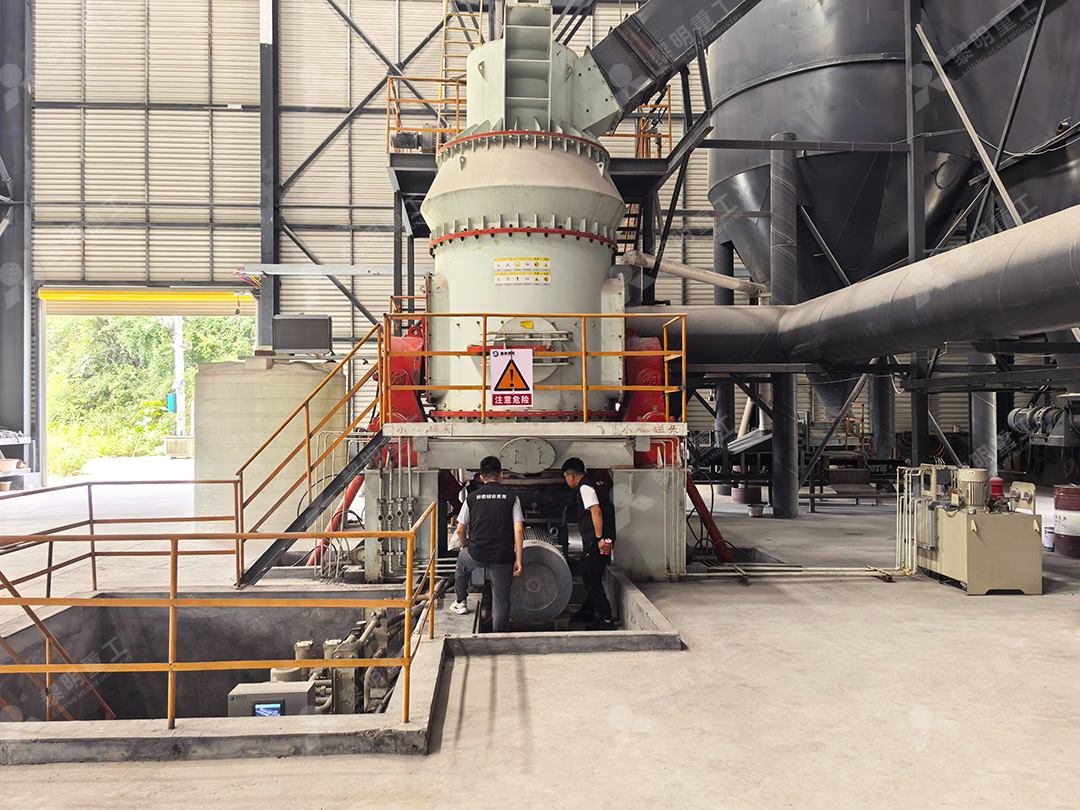
Among available technologies, Raymond mills and vertical roller mills remain the most commonly adopted solutions for dolomite processing in Southeast Asia.
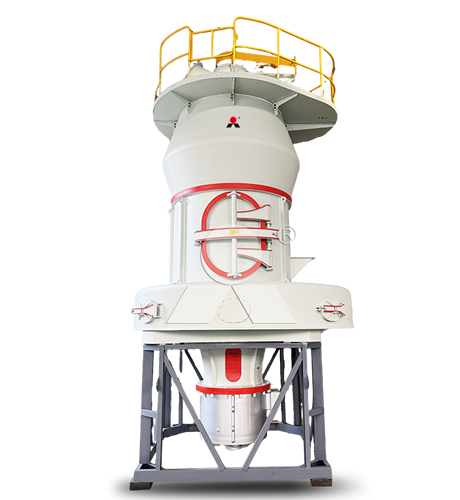
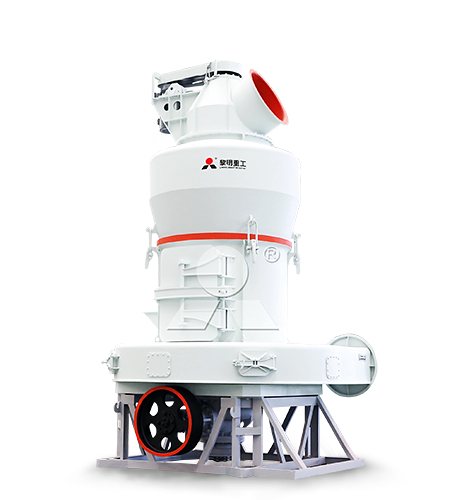
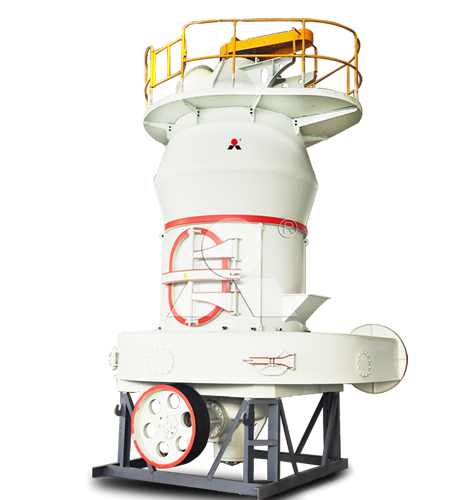
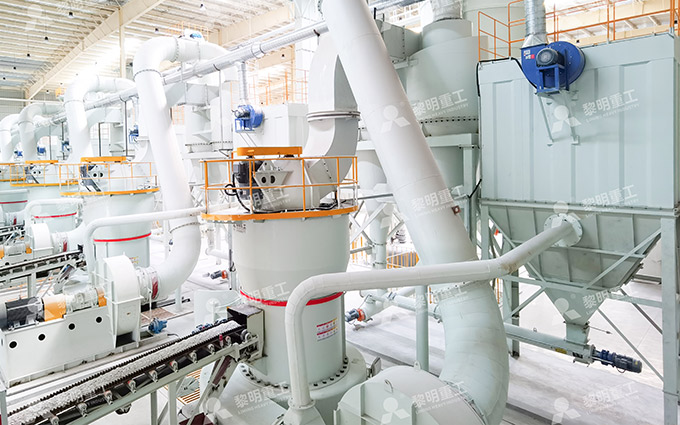
4. Raymond Mill for Dolomite Grinding
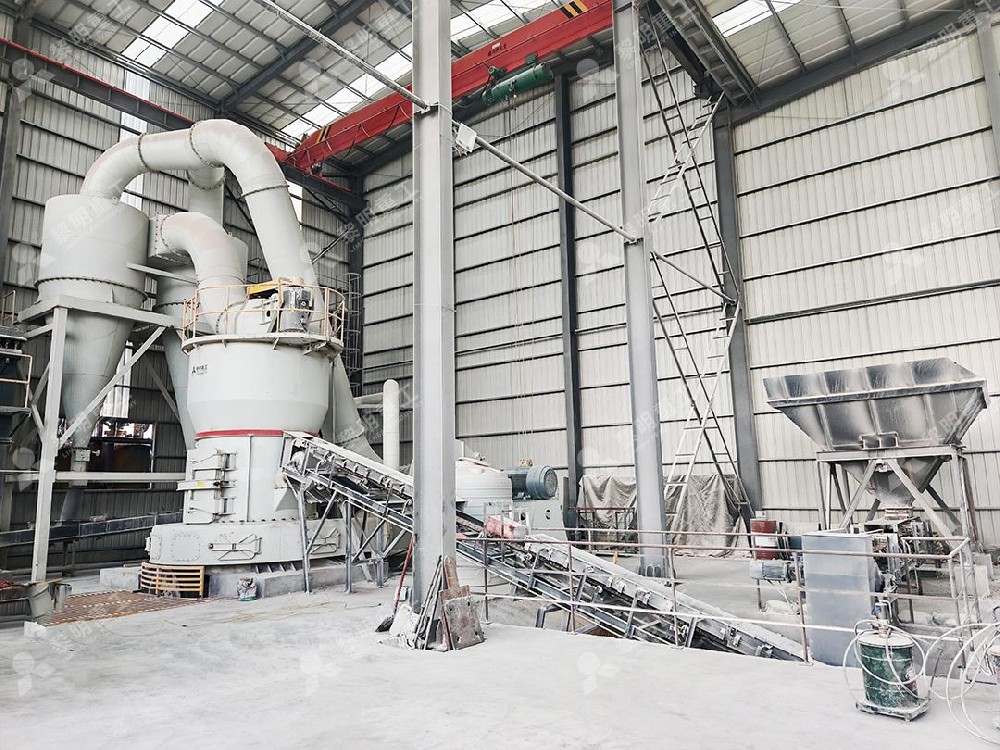
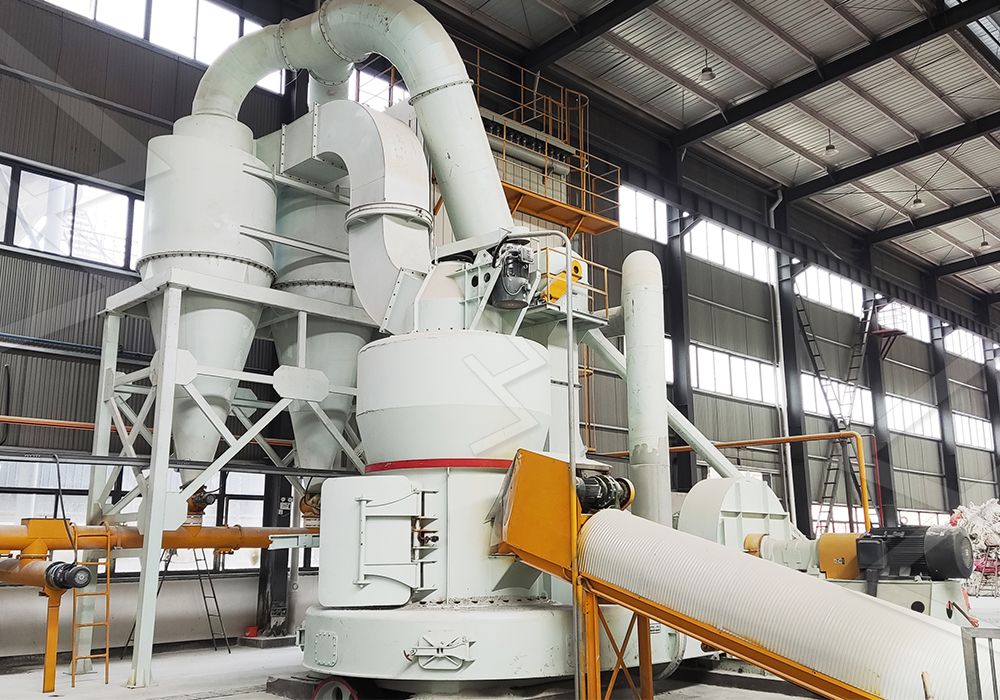
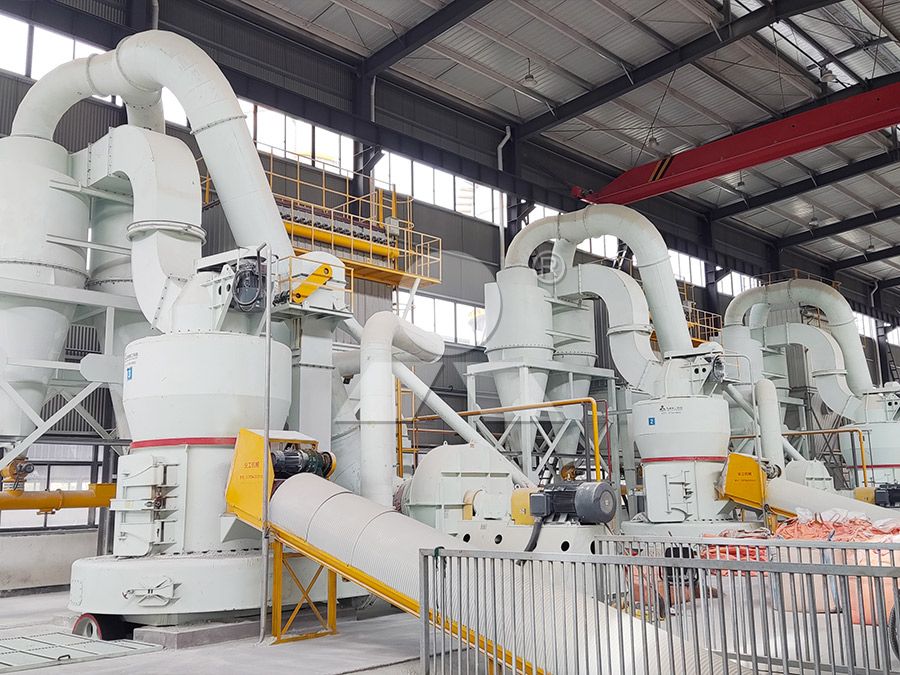
Raymond grinding mills continue to serve as highly practical solutions for glass industry dolomite processing, especially for small and medium production lines. Their compact structure, mature technology, and stable operation make them attractive for projects requiring reliable powder output without excessive capital investment.
_1767930326613.jpg)
Key advantages include:
Wide fineness adjustment range suitable for glass batching
Compact footprint ideal for plant retrofits
Simple maintenance and spare parts management
Low operating noise and stable airflow system
Proven performance in carbonate mineral grinding
In Vietnam, many glass producers operate multiple Raymond units to achieve flexible production scheduling and redundancy, ensuring uninterrupted raw material supply to melting furnaces.
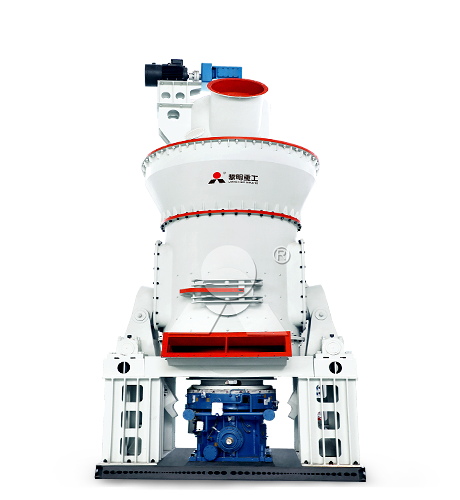
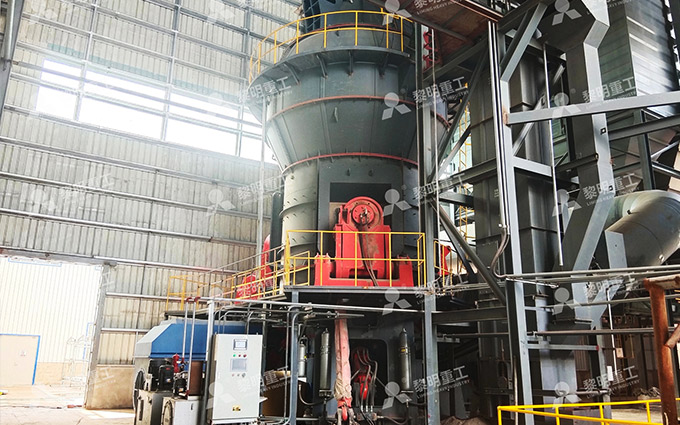
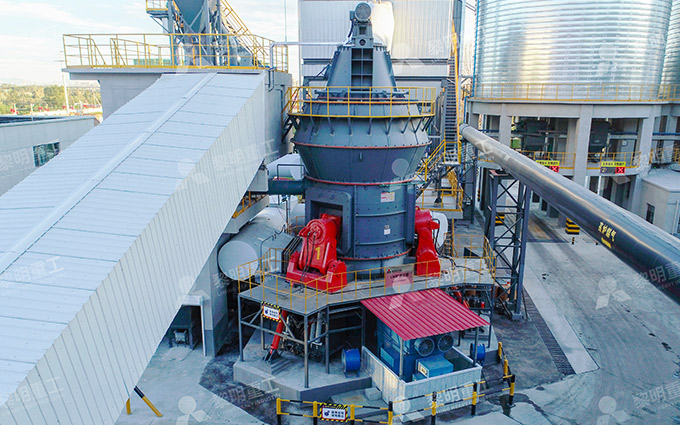
5. Vertical Roller Mill for Large Glass Plants
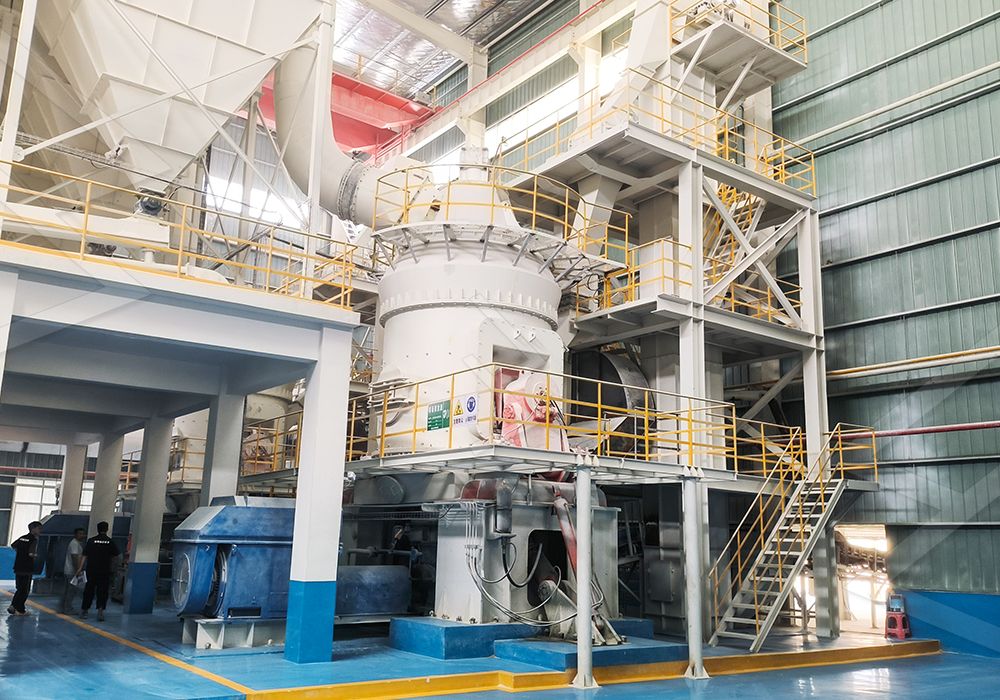
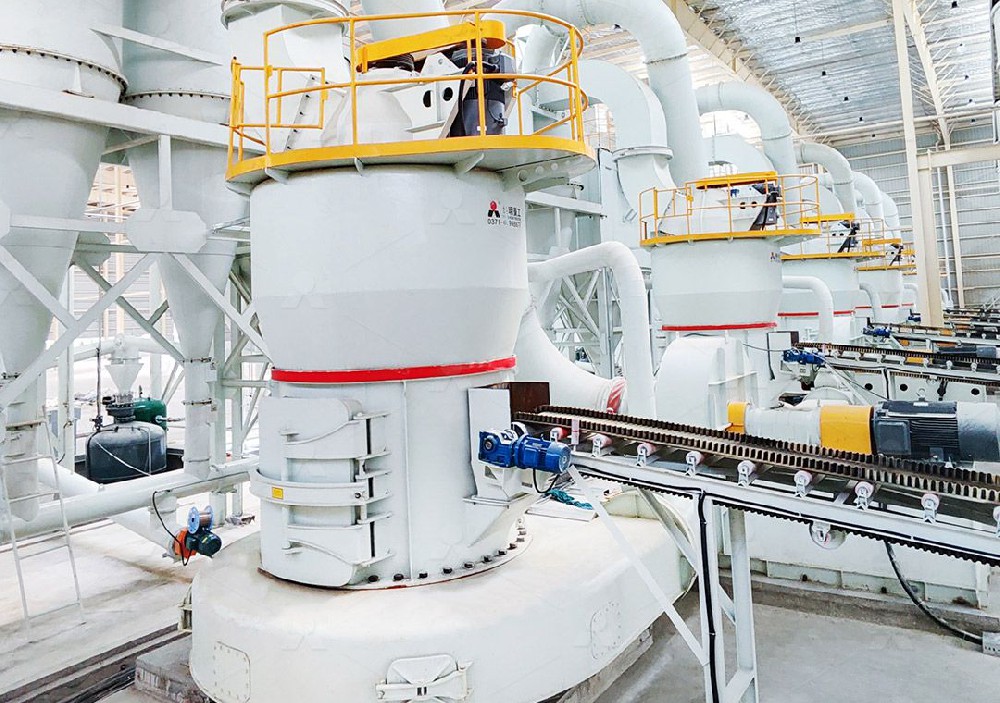
For high-capacity glass manufacturing facilities, vertical roller mills offer a modern grinding solution integrating crushing, drying, grinding, and classification into a single system. This configuration significantly reduces material handling steps and improves overall process efficiency.
_1761355927036.jpg)
Vertical roller mills are particularly beneficial when:
Annual production volumes are large
Energy consumption reduction is a priority
Automation and centralized control are required
Plant layout supports vertical equipment installation
The grinding mechanism based on compression and shear forces allows efficient size reduction while maintaining uniform particle distribution. Additionally, integrated classification systems help achieve precise product quality control.
6. Vietnam Glass Industry and Grinding Demand
Vietnam's glass manufacturing sector has expanded steadily due to urbanization, infrastructure development, and export growth. Increasing demand for architectural glass, packaging glass, and solar glass has encouraged capacity expansion and modernization of raw material preparation systems.
Many Vietnamese glass plants are transitioning from outsourced powder supply to in-house grinding operations. This shift provides greater quality control, cost stability, and production independence. As a result, demand for efficient dolomite grinding equipment has risen across both northern and southern industrial zones.
7. Choosing a Reliable Grinding Mill Supplier
Selecting the right equipment supplier extends beyond machine specifications. Long-term operational success depends on engineering experience, service capability, and technical support availability.
Important supplier evaluation aspects include:
Mineral grinding application experience
Process design capability
Installation and commissioning support
Spare parts availability
After-sales technical service
_1767930326611.jpg)
As a well-established manufacturer in powder processing equipment, provides both Raymond mills and vertical roller mills tailored for dolomite grinding applications. Their solutions emphasize stable production, energy efficiency, and adaptable system configuration for diverse industrial environments.
8. Economic Benefits of Optimized Grinding Systems
Implementing an optimized dolomite grinding system can deliver measurable economic benefits to glass manufacturers. Stable powder quality reduces furnace fluctuations, improving glass yield and lowering energy consumption per ton of product.
Furthermore, integrated dust control systems enhance workplace conditions and reduce material losses. Over time, improved grinding efficiency and reduced maintenance downtime contribute to lower total cost of ownership.
In competitive markets such as Vietnam, where both domestic and export-oriented glass producers operate, efficient raw material preparation represents a strategic advantage supporting sustainable growth.
FAQ
1. What fineness is typically required for dolomite in glass production?
Most glass plants use dolomite powder between 100 and 325 mesh, although specific requirements depend on glass formulation and furnace design.
2. Can Raymond mills achieve glass-grade dolomite fineness?
Yes, Raymond mills are widely used for producing dolomite powder within standard glass industry fineness ranges.
3. When should a vertical roller mill be selected instead of a Raymond mill?
Vertical roller mills are preferable for large production capacities, higher automation requirements, and long-term energy efficiency optimization.
4. Does dolomite grinding require drying capability?
If raw dolomite moisture is low, drying may not be necessary. However, vertical mills can handle moderate moisture variations through integrated hot air systems.
5. How does grinding quality affect glass melting?
Uniform fine powder improves batch homogeneity and melting efficiency, reducing energy consumption and improving glass quality.
_1761361296294.jpg)
6. Is iron contamination a concern during dolomite grinding?
Yes, especially for high-quality glass products. Equipment material selection and wear part management help minimize contamination.
7. What capacity ranges are common for dolomite grinding lines in Vietnam?
Typical capacities range from small 5–10 t/h systems to large installations exceeding 30 t/h, depending on plant scale.
8. Can one grinding system support multiple glass production lines?
Yes, centralized grinding stations can supply multiple furnaces if designed with sufficient capacity and storage buffers.
9. What is the typical maintenance requirement for dolomite grinding mills?
Routine inspections, wear part replacement, lubrication management, and airflow system checks are standard maintenance practices.
10. How can glass manufacturers reduce dolomite grinding costs?
Optimizing mill selection, improving classification efficiency, maintaining stable feeding, and ensuring proper maintenance all contribute to cost reduction.