Industry News
Cement Clinker Grinding Mill Price for High-Quality Cement Production in Indonesia
2026-02-26 11:09:32
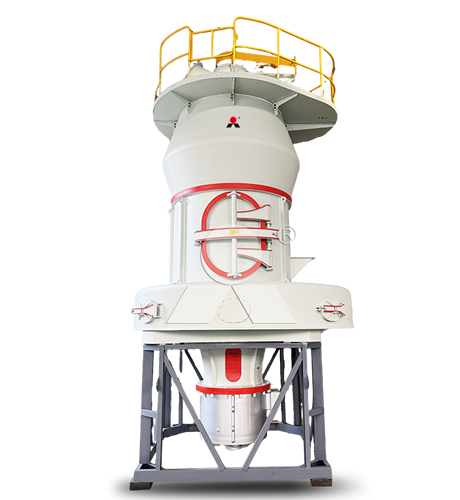
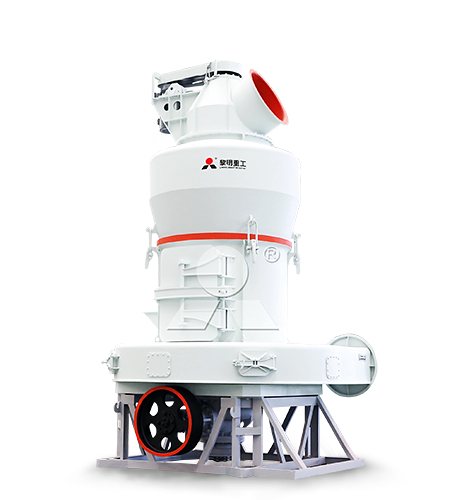
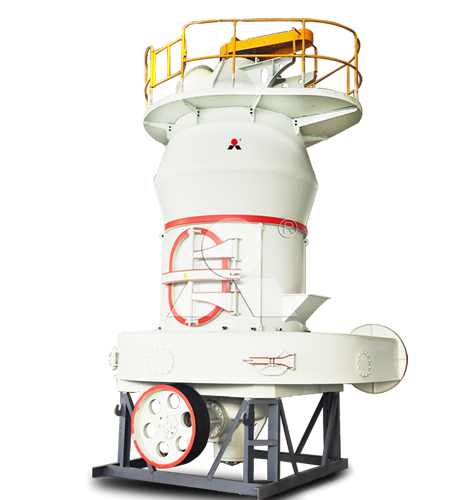
We are Liming Heavy Industry, a manufacturer of various types of industrial crushers, such as Raymond Mill, Trapezoidal Mill, Vertical Mill, Ultrafine Mill, Ball Mill, etc.
Our mills can process the following minerals:
limestone, quicklime, kaolin, talc, barite, bentonite, calcium carbonate, dolomite, coal, gypsum, clay, carbon black, slag, cement raw materials, cement clinker, etc.
If you need a mill to process stone or minerals into powder, please feel free to contact me (WhatsApp: +8615333807511). Thank you.
Abstract: As the Indonesian construction sector pivots toward high-performance infrastructure, the demand for superior cement quality has never been more pressing. This article examines the strategic shift from traditional grinding methods to advanced Vertical Roller Mill (VRM) technology. We analyze how Liming Heavy Industry's LM Series Vertical Roller Mills address the specific challenges of clinker processing—focusing on energy efficiency, moisture management in tropical climates, and long-term cost reduction. By understanding the price-performance dynamics of these systems, Indonesian producers can optimize their ROI while meeting the nation's stringent industrial standards.
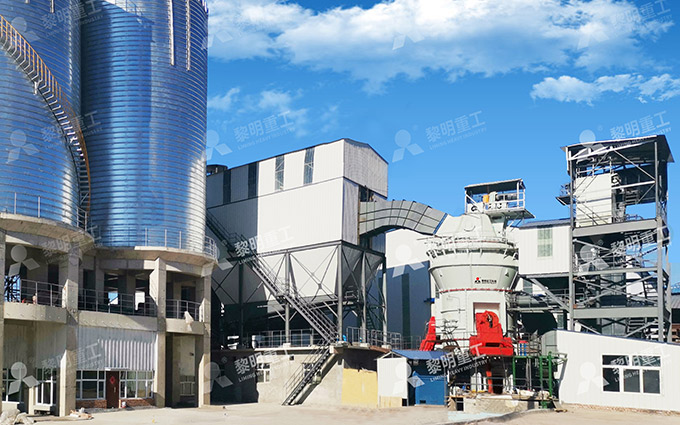
The Indonesian Landscape: Precision Grinding for a Growing Nation
In the high-stakes world of Indonesian cement production, the margin for error is shrinking. From the skyline of Jakarta to the sprawling infrastructure projects in Kalimantan, the requirement for high-strength Portland cement is surging. However, clinker—the primary ingredient—is notoriously difficult to process. It is abrasive, energy-intensive to grind, and highly sensitive to particle size distribution.
For decades, local producers relied on ball mills, but the modern Indonesian market demands more. Rising electricity tariffs and stricter environmental regulations have made old-school grinding methods obsolete. Today, the competitive edge lies in Vertical Roller Mill (VRM) technology, which has become the benchmark for high-quality cement production across the archipelago.
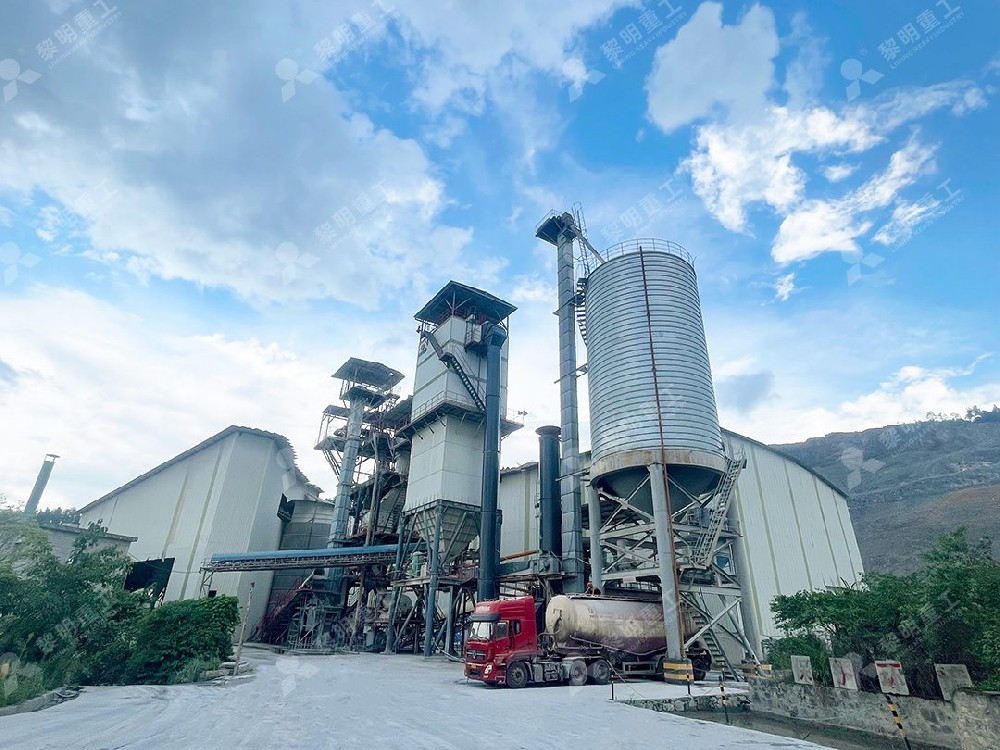
Vertical Roller Mills: The Engineering Standard for Clinker
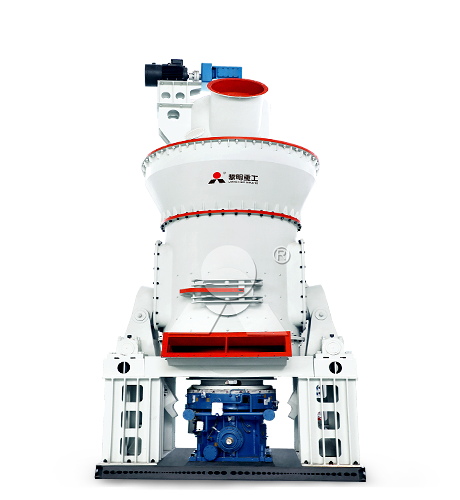
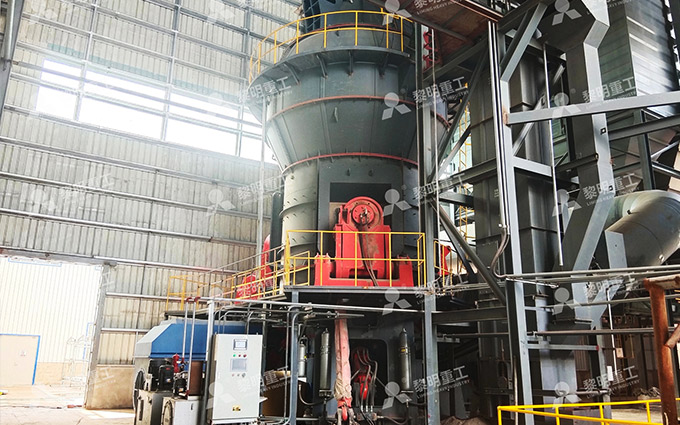
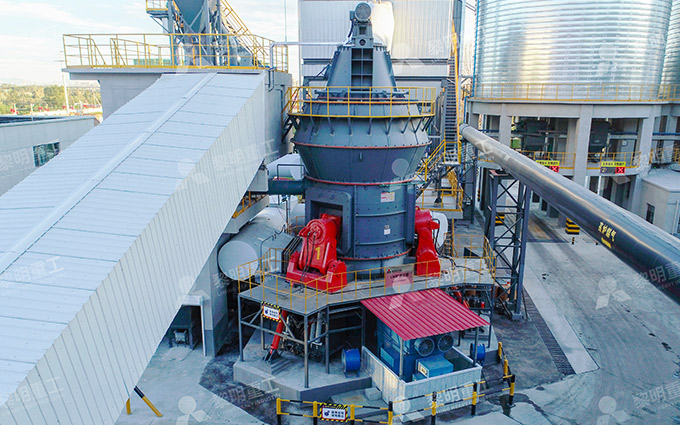
The core advantage of a Vertical Roller Mill lies in its "material bed" grinding principle. Unlike the impact-based grinding of ball mills, the Liming LM Series Vertical Roller Mill uses hydraulic pressure to crush clinker between a rotating table and heavy-duty rollers. This method is significantly more efficient, reducing power consumption by 30% to 50% per ton of finished cement.
Furthermore, the VRM allows for instantaneous adjustments to the grinding pressure and table speed. This level of control is vital for producing specialized cements (such as Type I-V) where the Blaine value (fineness) must be kept within a very tight tolerance to ensure consistent setting times and compressive strength.
Conquering Humidity: The Integrated Drying Advantage
One of the unique hurdles for cement plants in Sumatra, Java, and Sulawesi is the high ambient humidity and the moisture content of additives like gypsum or pozzolan. Traditional systems often require separate drying units, which increases both CAPEX and the plant's footprint.
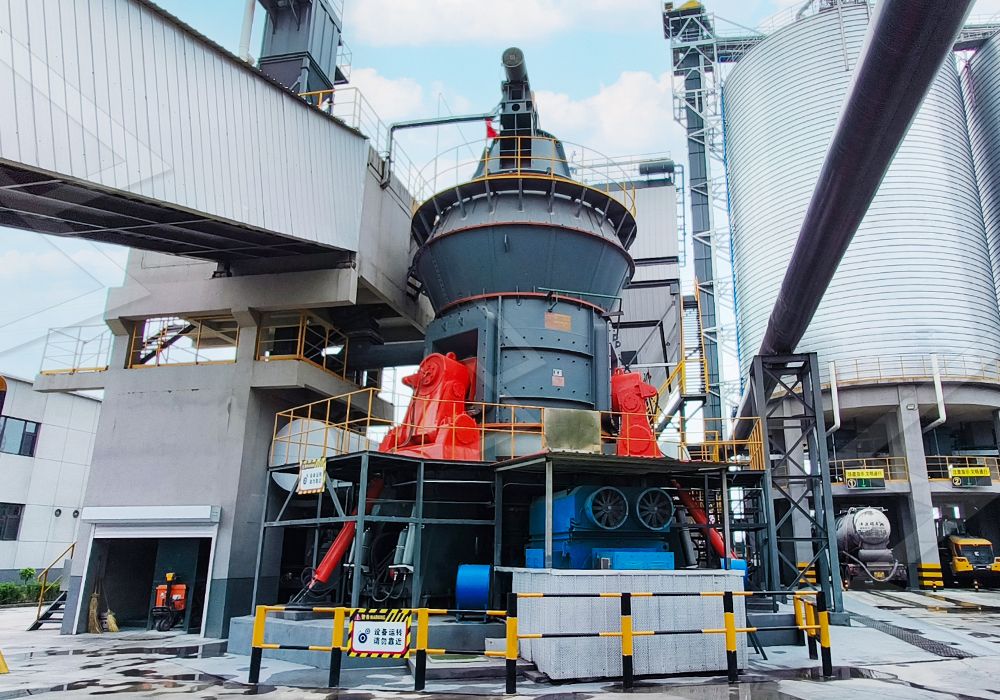
The Liming LM Vertical Roller Mill solves this by integrating grinding, drying, and classifying into one airtight system. By utilizing waste heat from the kiln or a dedicated hot air generator, the mill dries the material as it is being ground. This not only prevents clogging but also ensures that the final product remains stable during storage in Indonesia's tropical climate.
Liming LM Series: Redefining Durability and Precision
As a veteran in the powder processing industry, I recommend Liming Heavy Industry's vertical mills because they are engineered for the "hard miles." The clinker is highly abrasive, which typically leads to rapid wear. Liming addresses this through:
Advanced Metallurgy: The use of high-chromium alloy for rollers and liners extends the service life significantly, reducing the frequency of costly shutdowns.
Automatic Hydraulic Systems: The grinding pressure adjusts automatically based on the material hardness, protecting the machine from unnecessary stress.
High-Efficiency Classifier: The integrated cage-type separator ensures that only the particles meeting the exact specification leave the mill, eliminating "over-grinding" and further saving energy.
_1767930055774.jpg)
Cost vs. Value: Understanding Your Capital Investment
When discussing the price of a cement clinker grinding mill in Indonesia, we must look beyond the initial invoice. A lower-priced, inefficient mill will eventually cost millions in wasted electricity and frequent spare parts replacement.
The price of a Liming LM Vertical Mill is a reflection of its high-tier components and intelligent automation. When you calculate the Total Cost of Ownership (TCO), the savings in energy alone often cover the price difference within the first two years. In a market where coal and electricity prices are volatile, locking in a low energy-per-ton ratio is the best insurance policy for your business.
Maximizing Life Cycles in Cement Production
Future-proofing your production line means choosing equipment that can grow with the industry. Liming's vertical mills are designed with modularity in mind, allowing for easier maintenance and parts replacement. With a centralized lubrication system and an accessible grinding chamber, your maintenance team can perform inspections in hours rather than days. In the fast-paced Indonesian market, uptime is profit.
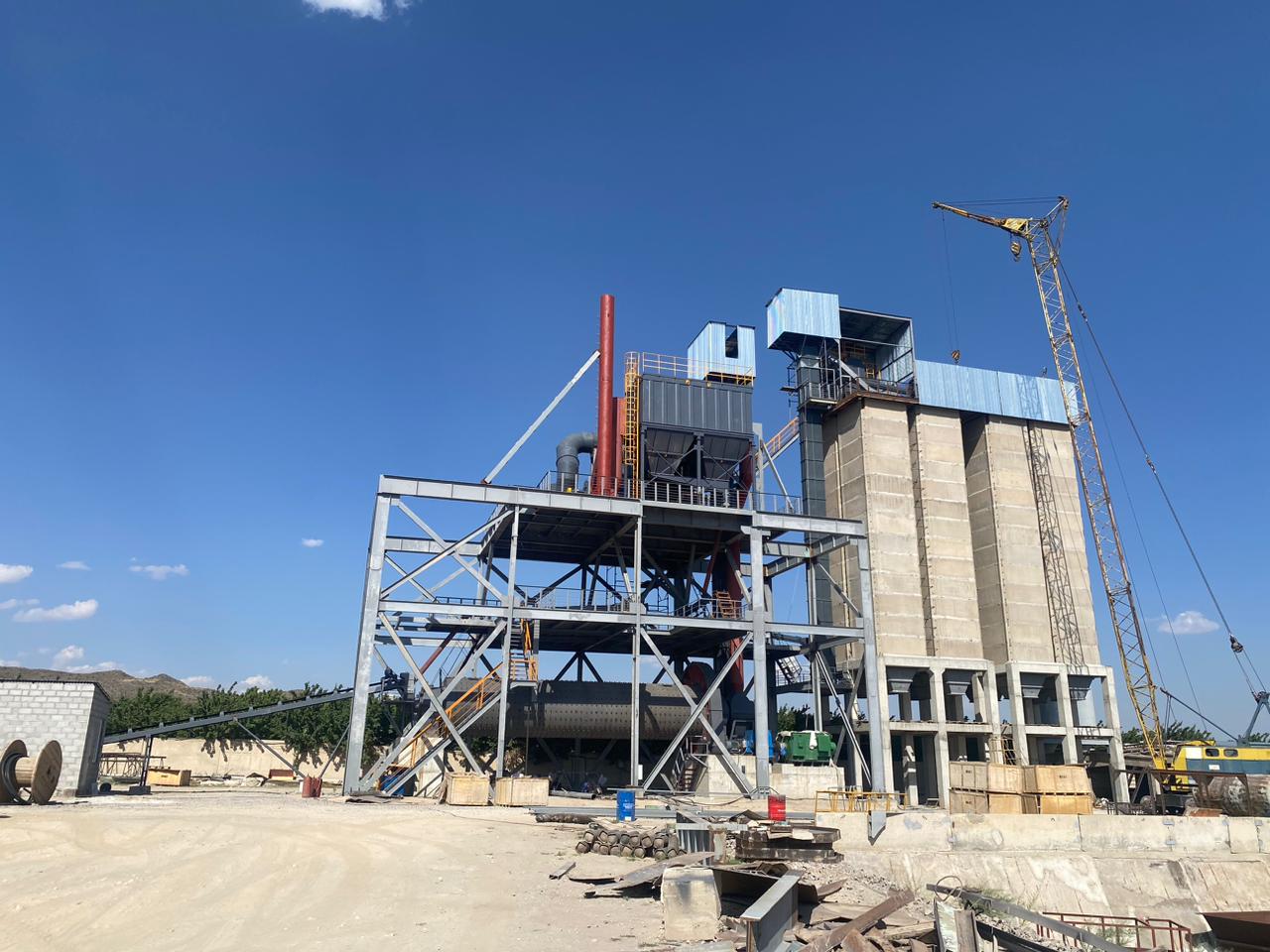
Frequently Asked Questions (FAQ)
1. Why is a Vertical Roller Mill (VRM) better than a ball mill for cement clinker?
A VRM is far more energy-efficient, uses less space, and combines drying and grinding into one step, whereas a ball mill is energy-intensive and requires separate drying equipment.
2. What fineness levels can the Liming LM Vertical Mill achieve?
The mill can easily produce cement with a Blaine fineness of 3200 to 4500 cm²/g, depending on your specific requirements for cement grade.
3. How does Liming support customers in Indonesia?
We provide local technical support, on-site installation, and a localized spare parts supply chain to ensure minimal downtime for Indonesian cement plants.
4. Is the LM Vertical Mill suitable for grinding slag as well?
Yes, the LM series is highly versatile and is frequently used for grinding blast furnace slag to produce high-value slag powder (GGBS).
5. How do I manage the high wear associated with clinker?
Liming uses specialized high-chromium wear-resistant alloys for the rollers. Additionally, the rollers can be turned or resurfaced to extend their operational life.
_1767929649021.jpg)
6. Does the mill help in reducing CO2 emissions?
Yes, by significantly reducing electricity consumption per ton of cement produced, the VRM helps plants lower their overall carbon footprint.
7. What is the typical lead time for a Liming Vertical Mill?
Lead times vary by capacity, but typically range from 3 to 5 months from order to shipment, followed by on-site assembly.
8. Can I monitor the mill's performance remotely?
Yes, Liming's LM series features advanced PLC control systems that allow for real-time monitoring of vibration, temperature, and pressure from a central control room.
9. What information do you need to provide an accurate price quote?
We require your target hourly capacity (tph), the feed size of the clinker, the desired final fineness (Blaine), and your local power supply specifications.
10. How does the mill handle "tramp iron" or non-grindable materials?
The LM series includes an automatic discharge system for non-grindable materials, preventing damage to the grinding table and rollers.