Industry News
Cement raw materials grinding mill for limestone and clay processing in India
2026-02-28 08:40:06
We are Liming Heavy Industry, a manufacturer of various types of industrial crushers, such as Raymond Mill, Trapezoidal Mill, Vertical Mill, Ultrafine Mill, Ball Mill, etc.
Our mills can process the following minerals:
limestone, quicklime, kaolin, talc, barite, bentonite, calcium carbonate, dolomite, coal, gypsum, clay, carbon black, slag, cement raw materials, cement clinker, etc.
If you need a mill to process stone or minerals into powder, please feel free to contact me (WhatsApp: +8615333807511). Thank you.
Abstract: India's cement industry is undergoing a massive shift toward sustainable and energy-efficient raw material preparation. This article examines the critical processing of limestone and clay—the two primary components of cement raw meal. We contrast the operational benefits of traditional Raymond Mills against the high-capacity performance of Vertical Roller Mills (VRM). By focusing on Liming Heavy Industry's engineering solutions, we explore how Indian producers can reduce power consumption, manage high-moisture raw materials, and optimize the "Price-to-Performance" ratio to maintain a competitive edge in one of the world's fastest-growing infrastructure markets.
_1767930326613.jpg)
The Indian Cement Context: Efficiency as a Competitive Edge
India is currently the world's second-largest cement producer. With government initiatives like "Gati Shakti" and massive urban housing projects, the pressure on cement plants in Rajasthan, Andhra Pradesh, and Gujarat is immense. However, the Indian market is uniquely sensitive to energy costs and raw material variability. To stay profitable, plants must move beyond simple grinding and adopt integrated systems that offer high uptime and low specific power consumption (SPC).
In my years of consulting for Indian mineral processing units, I've seen that the most successful players are those who treat their raw material grinding section—the "Front End"—as the heart of their profitability. Whether you are a boutique producer or a massive integrated plant, the choice of mill defines your operational fate.
Limestone and Clay: The Grinding Challenge
The "Raw Meal" for cement typically consists of 75-80% limestone and 20-25% clay. Processing these involves two distinct headaches: the abrasiveness of limestone and the stickiness (moisture) of clay. In regions like Bihar or West Bengal, clay moisture can spike during the monsoon, leading to catastrophic clogging in traditional ball mills.
Effective grinding requires a machine that can handle these materials simultaneously, drying them while pulverizing them to a fineness where 80-90% passes through a 90-micron sieve. This is where modern air-swept milling technology from Liming Heavy Industry changes the game.
MTW European Type Raymond Mill: The Precision Choice
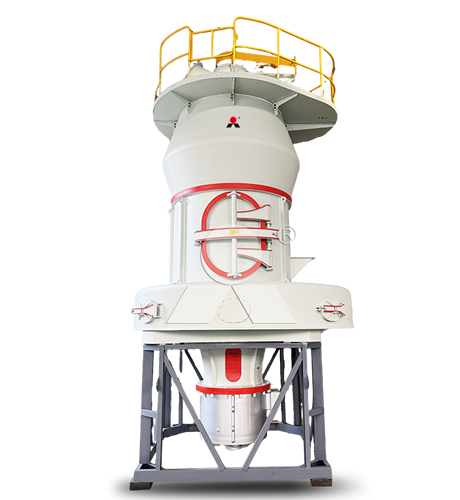
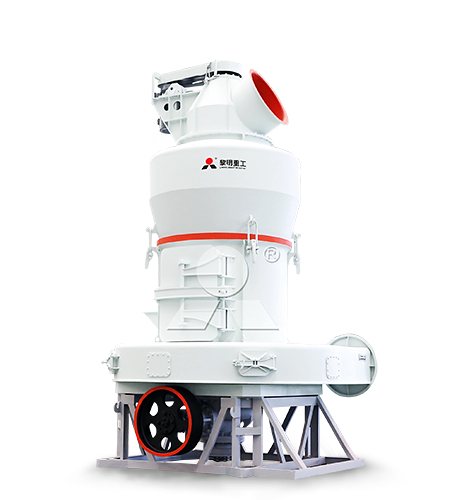
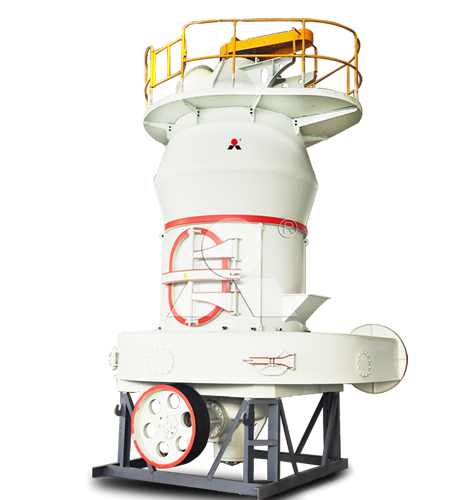
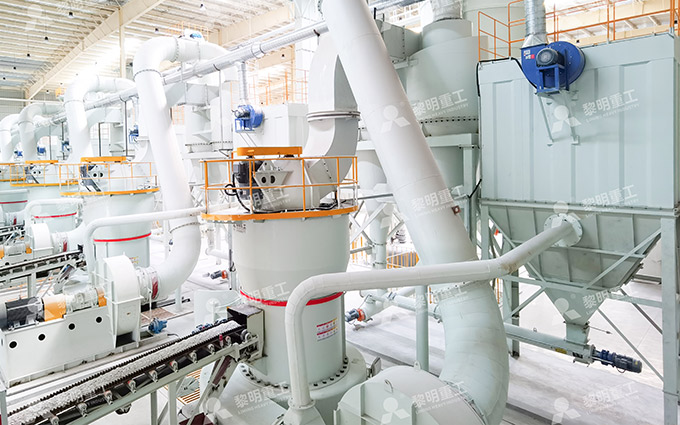
For mid-scale cement plants or those producing specialized white cement, the Liming MTW European Type Trapezium Mill is the evolved successor to the traditional Raymond Mill. It's a versatile workhorse that I often recommend for its compact footprint and ease of operation.
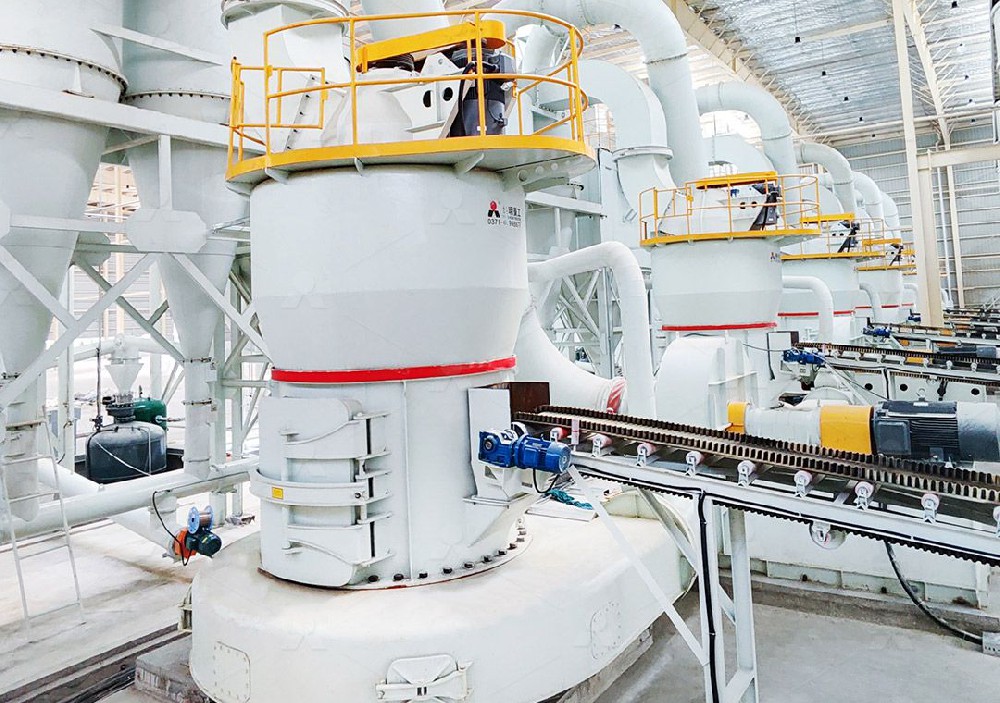
The MTW series features a unique internal thin-oil lubrication system and a cambered shovel blade. In the context of limestone grinding, this means more material is forced into the grinding zone, reducing internal friction and heat. If your facility handles roughly 10 to 35 tons per hour, the MTW provides a level of fineness control and mechanical reliability that is unmatched at its price point.
LM Series Vertical Roller Mill: The Powerhouse of Raw Meal
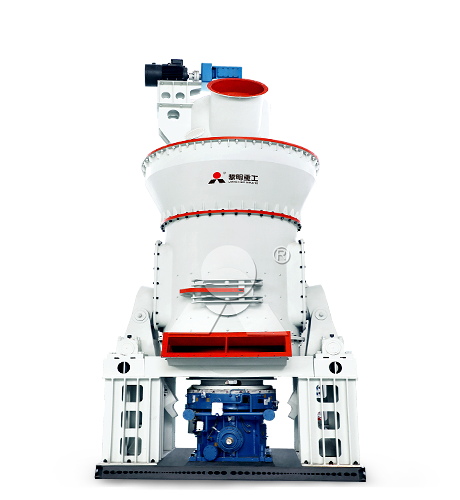
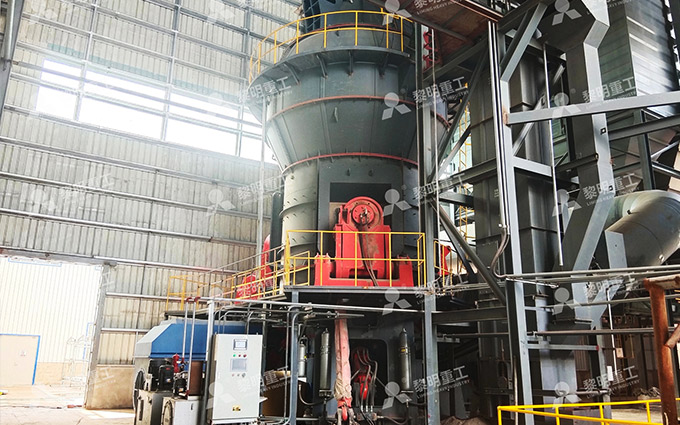
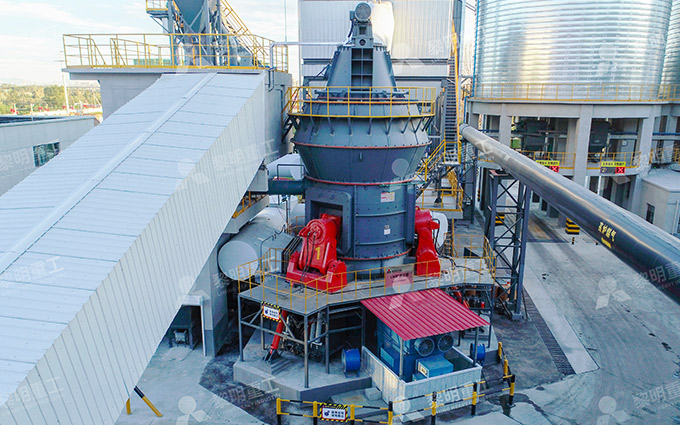
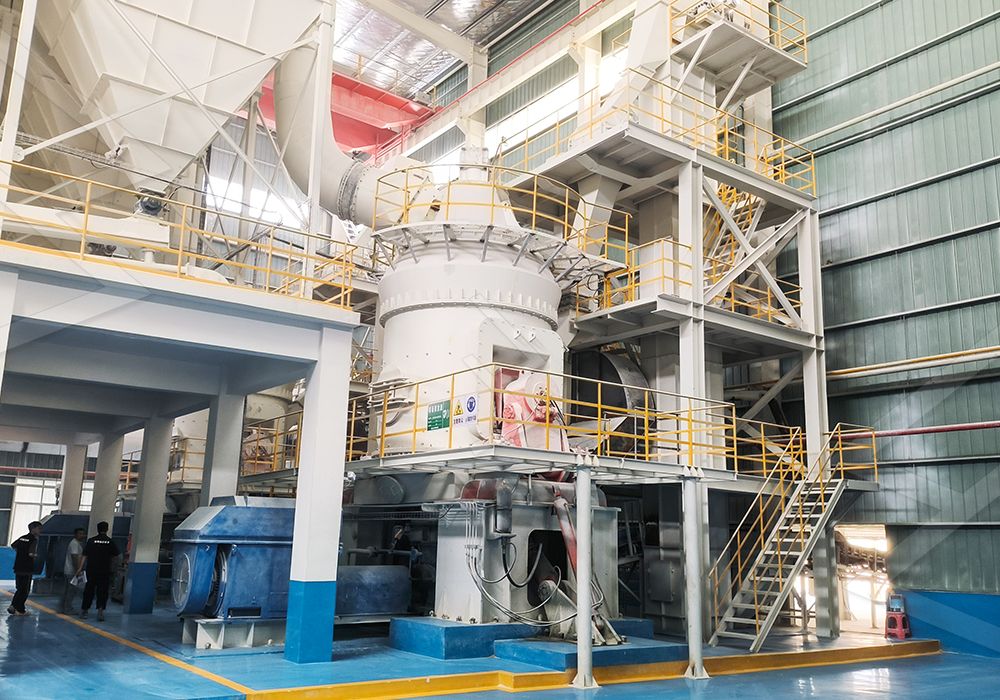
When we scale up to large-scale industrial cement production, the Liming LM Series Vertical Roller Mill (VRM) becomes the inevitable choice. The VRM is not just a mill; it is a complete processing plant in one vertical tower. It combines crushing, drying, grinding, and classifying into a single, highly efficient loop.
For Indian operators, the LM Vertical Mill offers a 30% reduction in energy consumption compared to traditional ball mills. Because it uses a "material bed" grinding principle—where the limestone is ground against a layer of itself on the rotating table—wear on the metal parts is significantly minimized. Furthermore, the high-volume air flow through the mill can dry raw materials with up to 15% moisture content using waste heat from the kiln, a massive advantage for processing wet clay.
_1767930326611.jpg)
Why Liming? Engineering for the Indian Environment
Why do I consistently steer my Indian clients toward Liming Heavy Industry? It comes down to "Tropicalized Engineering." India's ambient temperatures and dust levels are harsh on machinery. Liming's equipment is built with:
High-Chromium Wear Parts: Our rollers and tables are cast from specialized alloys that handle the high-silica limestone found in many Indian quarries.
Intelligent PLC Systems: These allow for remote monitoring and automated adjustments, which is critical for plants located in remote regions where skilled technical labor might be scarce.
Sealing Technology: Advanced negative pressure operation ensures that the plant remains dust-free, meeting the increasingly strict environmental norms set by the Central Pollution Control Board (CPCB).
Understanding the ROI: Price vs. Long-term Value
_1761355927036.jpg)
I often hear from procurement managers in Mumbai or Chennai that "initial price" is the primary driver. However, in the cement business, the cheapest machine is often the most expensive in the long run. When evaluating the price of a limestone grinding mill, one must consider the Cost per Ton of finished product.
A Liming Vertical Mill might have a higher upfront capital cost than a basic local mill, but when you factor in the 40% lower electricity bill and the 50% longer intervals between part replacements, the "Payback Period" is remarkably short—often less than 18 months. We provide transparent pricing that includes not just the steel, but the engineering expertise and local service support that keeps your plant running 24/7.
The Road Ahead for Indian Cement Producers
The future of Indian cement is green and efficient. As carbon taxes and energy audits become more prevalent, your choice of grinding technology will determine your market position. Liming Heavy Industry's MTW and LM series mills offer the technical sophistication required to produce high-quality raw meal at a fraction of the traditional cost. Don't just buy a machine; invest in a partnership that understands the nuances of Indian limestone and the demands of the modern construction era.
_1761361296291.jpg)
Frequently Asked Questions (FAQ)
1. Can the LM Vertical Mill handle high-moisture clay?
Yes, the LM series is designed to use hot flue gas to dry materials with up to 15% moisture during the grinding process, eliminating the need for a separate dryer.
2. What is the typical fineness achieved for cement raw meal?
Our mills typically achieve a fineness of 80% passing through a 90-micron sieve (or 12-15% residue on a 90-micron screen), which is the industry standard for kiln feed.
3. How long do the grinding rollers last when processing abrasive limestone?
With Liming's high-chromium alloy rollers, you can expect a service life of 8,000 to 12,000 hours depending on the silica content of your limestone.
4. Is the Raymond Mill (MTW) suitable for small-scale grinding units?
Absolutely. The MTW is ideal for capacities between 5 to 35 tons per hour, making it perfect for smaller grinding stations or specialized additive grinding.
5. Does Liming provide local service and spare parts in India?
Yes, we have a strong presence in the Indian market with service engineers and a warehouse for critical spare parts to ensure minimal downtime.
_1761355701097.jpg)
6. What is the power consumption difference between a VRM and a Ball Mill?
A VRM (like our LM series) typically saves about 30-40% in electricity compared to a ball mill system for the same output of raw meal.
7. Can these mills be used for other materials like gypsum or coal?
Yes, the LM series has specialized versions for coal grinding (explosion-proof) and mineral grinding like gypsum, barite, and calcite.
8. How does the mill control the quality of the powder?
The integrated high-efficiency cage-type classifier allows for precise adjustment of particle size by simply changing the rotor speed via a VFD.
9. Are the mills compliant with Indian environmental regulations?
Yes, our systems operate under negative pressure and include pulse bag filters, ensuring dust emissions are below 30mg/Nm³.
10. How do I get a specific price quote for my project?
Pricing depends on your required capacity (TPH), material moisture, and desired fineness. Contact us with your raw material report for a detailed technical proposal and quote.