Industry News
Advanced Phosphogypsum Powder Production Line for Large Capacity Processing
2026-07-15 09:37:38
We are Liming Heavy Industry, a manufacturer of various types of industrial crushers, such as Raymond Mill, Trapezoidal Mill, Vertical Mill, Ultrafine Mill, Ball Mill, etc.
Our mills can process the following minerals:
limestone, quicklime, kaolin, talc, barite, bentonite, calcium carbonate, dolomite, coal, gypsum, clay, carbon black, slag, cement raw materials, cement clinker, etc.
If you need a mill to process stone or minerals into powder, please feel free to contact me (WhatsApp: +8615333807511). Thank you.
Large-capacity phosphogypsum powder production requires more than scaling up individual machines. A successful production line is built around continuous material flow, stable process control, efficient energy utilization, and consistent powder quality. When processing hundreds of tons of phosphogypsum per day, even small fluctuations in moisture, feed rate, or particle size can significantly affect plant productivity and operating costs.
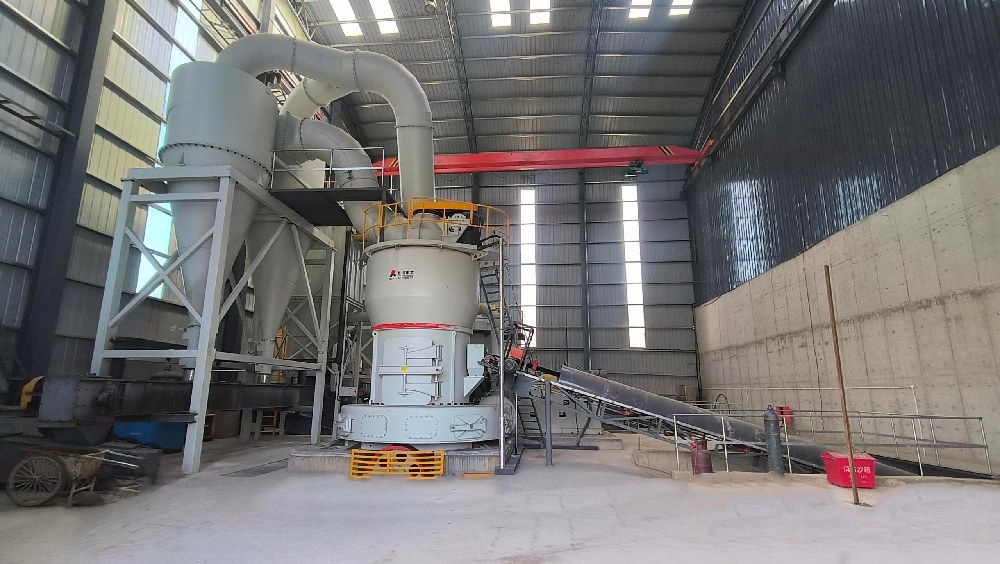
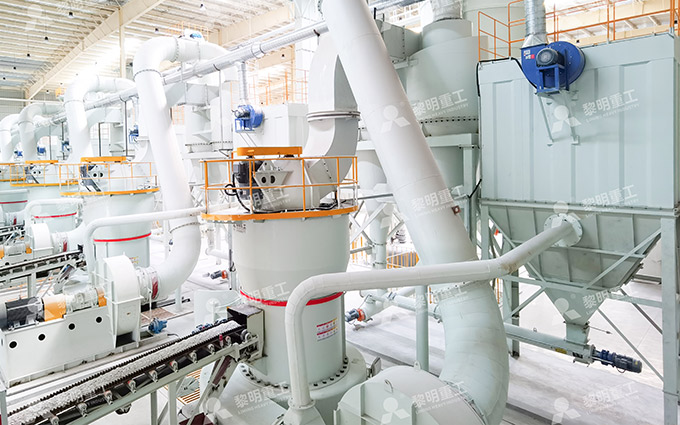
An advanced phosphogypsum powder production line integrates raw material preparation, drying, grinding, classification, dust collection, storage, and intelligent process control into a coordinated system. Rather than maximizing the capacity of each individual machine, the objective is to optimize the performance of the entire production process.
What Defines a Large-Capacity Phosphogypsum Processing Plant?
There is no universal definition, but industrial projects with capacities above 20 t/h are generally considered large-scale operations. Modern plants may produce between 20 and 100 t/h of finished phosphogypsum powder depending on product specifications and downstream demand.
Large-capacity plants typically supply materials for:
Gypsum board manufacturing
Dry-mix mortar production
Self-leveling flooring materials
Gypsum blocks
Cement retarders
Wall plaster and finishing products
Soil improvement materials
These applications require stable particle size distribution, low residual moisture, and reliable product consistency over long production cycles.
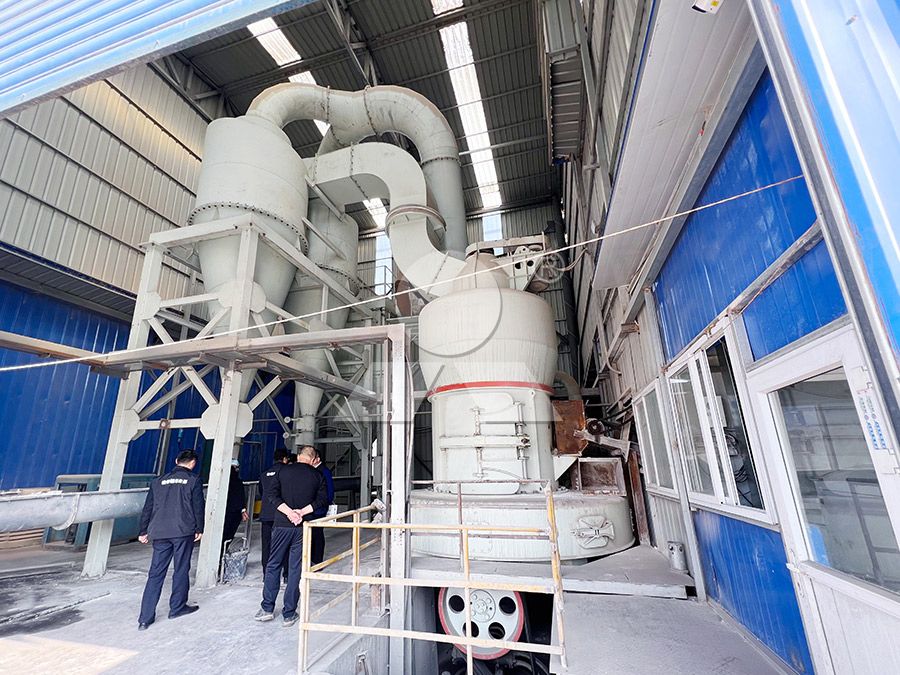
Design Begins with Material Characteristics
Before selecting equipment, engineers should evaluate the physical and chemical properties of the phosphogypsum source. Two materials with similar chemical compositions may behave very differently during grinding because of variations in crystal structure, moisture content, or storage conditions.
| Material Property | Typical Range | Impact on Plant Design |
|---|---|---|
| Feed moisture | 10–25% | Determines drying capacity |
| Maximum feed size | 20–50 mm | Affects crushing requirements |
| Calcium sulfate content | 75–95% | Influences product quality |
| Bulk density | 0.8–1.2 t/m³ | Determines storage volume |
| Impurity level | Site dependent | May require additional treatment |
In actual production, feed moisture is often the most influential operating variable. Stable moisture allows the grinding system to operate at a consistent load and improves separator efficiency.
Typical Process Configuration
A large-capacity phosphogypsum powder production line normally follows a continuous process designed to minimize material handling and maximize equipment utilization.
Raw material unloading and storage
Metered feeding
Primary crushing if necessary
Drying using hot gas
Grinding
Dynamic air classification
Dust collection
Finished powder storage
Automatic packaging or bulk loading
Where building material specifications require calcined gypsum, the calcination stage is incorporated into the process before final classification or packaging.
Choosing the Grinding System for High Throughput
Grinding technology directly influences production capacity, operating stability, maintenance requirements, and energy consumption. Equipment selection should consider not only the required throughput but also target fineness and feed moisture.
| Equipment | Recommended Capacity | Typical Product Size | Main Advantages |
|---|---|---|---|
| Raymond Mill | Small to medium | 80–325 mesh | Simple structure and flexible operation |
| Vertical Roller Mill | Medium to very large | 80–400 mesh | Integrated drying, grinding, and classification |
| Ultrafine Grinding Mill | Specialty production | 400–3250 mesh | Excellent particle size control |
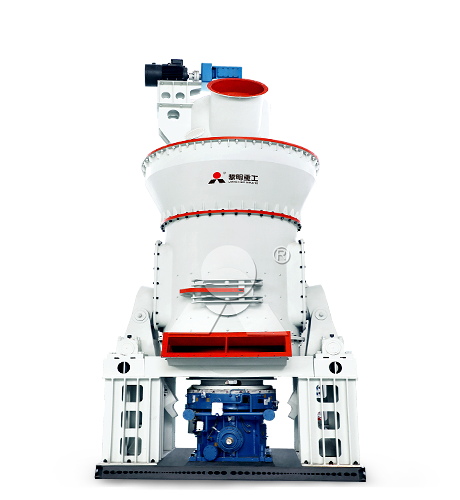
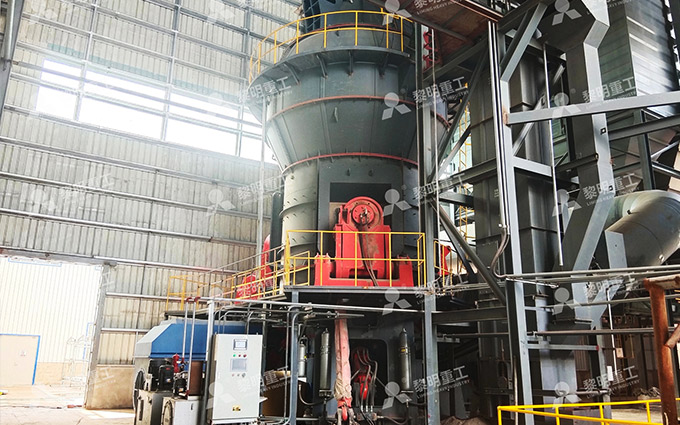
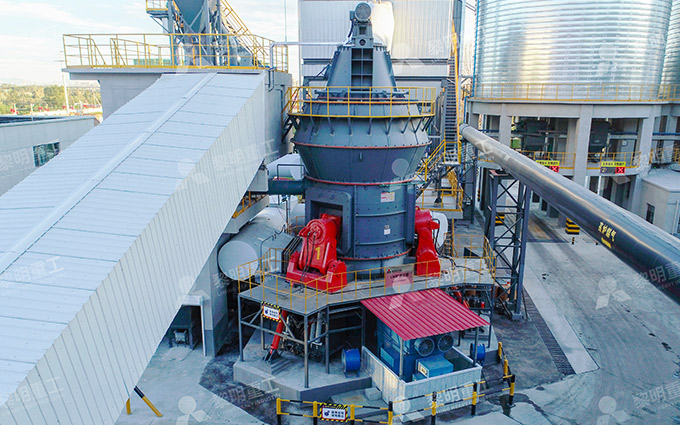
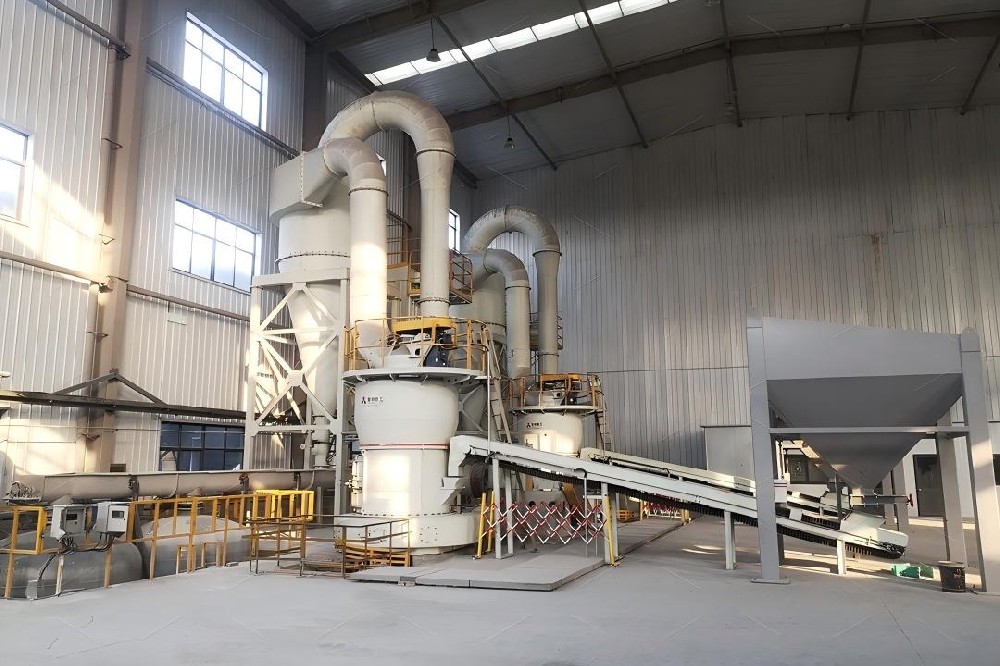
For large-capacity phosphogypsum processing, vertical roller mills are frequently selected because they combine several process functions within a compact layout. The integration of drying and grinding is particularly valuable when handling wet phosphogypsum.
_1761355701097.jpg)
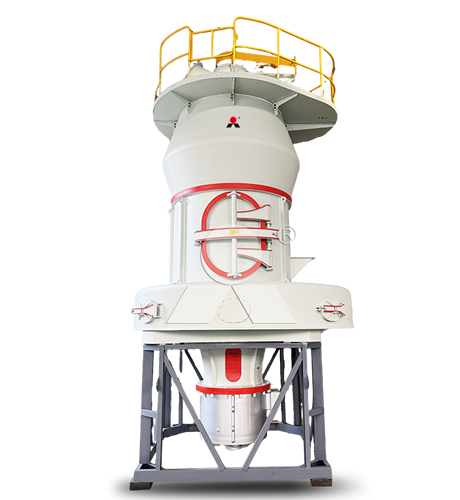
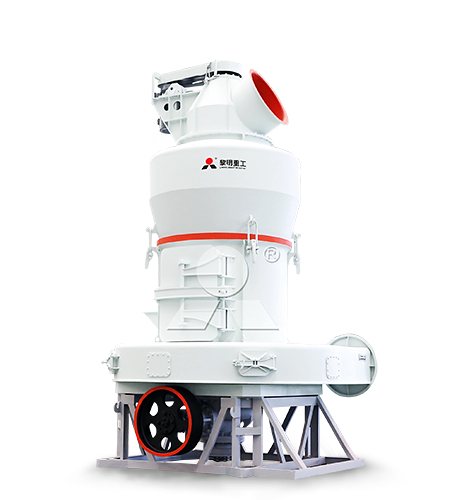
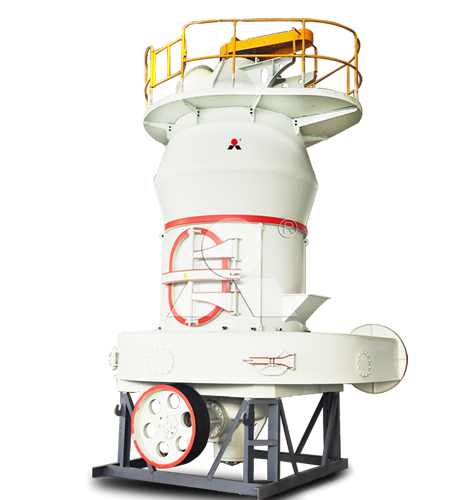
Depending on project requirements, grinding solutions from Liming Heavy Industry may include Raymond mills for conventional powder production, vertical roller mills for high-capacity continuous operation, or ultrafine grinding mills where premium fine powders are required.
Why Dynamic Classification Is Critical
Meeting a specified mesh size alone is rarely sufficient. Manufacturers of gypsum-based building materials increasingly require controlled particle size distributions to ensure predictable setting time, workability, and mechanical strength.
Dynamic classifiers allow operators to regulate product fineness continuously without interrupting production. Typical finished products include:
80 mesh (180 μm)
120 mesh (125 μm)
200 mesh (75 μm)
325 mesh (45 μm)
Where specialty applications demand finer products, particle size may also be specified by D50 or D97 values rather than traditional mesh measurements.
Process Control Becomes More Important as Capacity Increases
Large production lines cannot rely solely on manual adjustments. Automated control systems improve production stability while reducing unnecessary energy consumption.
Key monitoring points include:
Feed rate
Grinding pressure
Mill vibration
Separator speed
Outlet temperature
System airflow
Bag filter differential pressure
Finished product fineness
Practical experience shows that maintaining a stable feed rate often contributes more to consistent product quality than frequent adjustments to grinding pressure.
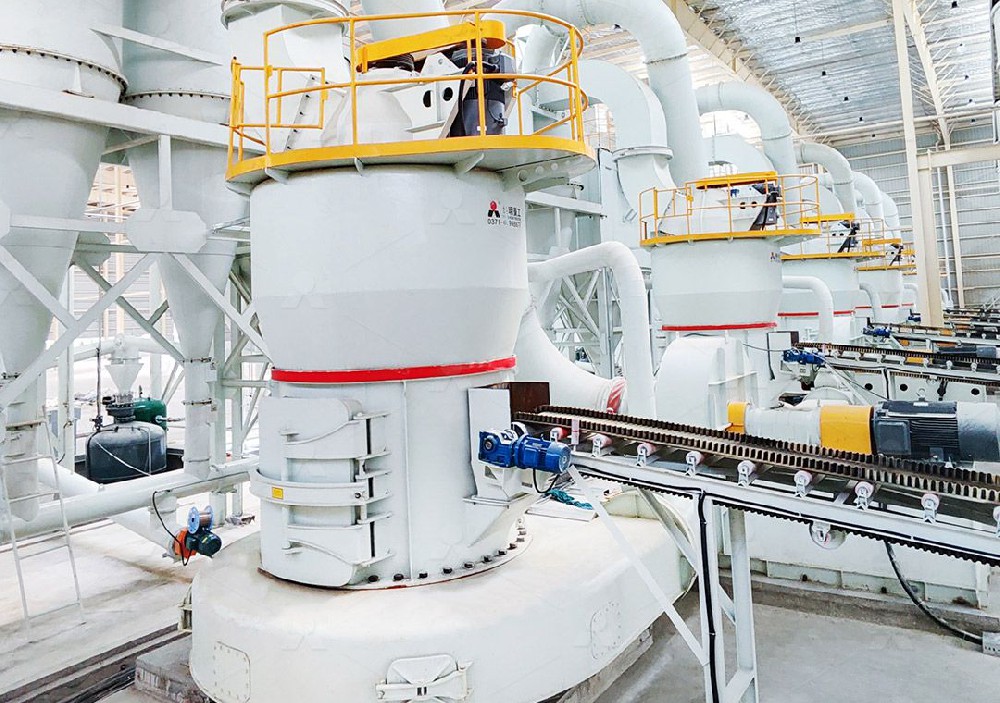
Energy Optimization Across the Entire Plant
Specific energy consumption should be evaluated for the complete production line rather than for the grinding mill alone. Fans, dryers, classifiers, and conveying equipment collectively account for a significant portion of total electricity usage.
| Optimization Measure | Expected Benefit |
|---|---|
| Variable-frequency drives | Reduced electricity consumption |
| Optimized hot gas utilization | Improved drying efficiency |
| High-efficiency classifiers | Lower over-grinding rate |
| Balanced airflow control | Higher grinding efficiency |
| Predictive maintenance | Reduced downtime |
Depending on plant configuration and product fineness, specific grinding energy commonly ranges from approximately 18 to 35 kWh/t.
Common Challenges in Continuous Production
Many plants encounter similar operational issues after production reaches full capacity.
| Observed Condition | Likely Cause | Typical Solution |
|---|---|---|
| Reduced mill output | High feed moisture | Improve drying performance |
| Coarse finished powder | Separator settings | Adjust classifier speed |
| High system vibration | Uneven material feed | Stabilize feeding equipment |
| Frequent filter blockage | High humidity | Optimize ventilation temperature |
| High energy consumption | Over-grinding | Optimize classification efficiency |
A common mistake is attempting to increase throughput simply by raising grinding pressure. In many situations, improving feed consistency and airflow balance produces better results with lower power consumption.
Engineering Note: Material Storage Matters
Large-capacity facilities often focus on grinding equipment while overlooking raw material storage. During rainy seasons, uncovered phosphogypsum stockpiles may absorb additional moisture, forcing the drying system to operate beyond its intended design capacity.
Providing covered storage, controlled material reclaiming, and consistent feed blending can significantly improve plant stability without modifying the grinding circuit.
Quality Assurance Throughout Production
Quality control should begin with incoming raw material rather than the finished product. Continuous monitoring helps identify process deviations before they affect downstream manufacturing.
| Inspection Point | Recommended Measurement |
|---|---|
| Incoming material | Moisture and chemical composition |
| Dryer outlet | Residual moisture |
| Grinding circuit | Motor load and vibration |
| Classifier | Particle size distribution |
| Finished powder | Mesh, D50, moisture, whiteness |
For premium building material applications, online particle size analyzers and automated sampling systems further improve production consistency.
Planning Checklist Before Equipment Procurement
Confirm hourly production capacity and annual operating hours.
Determine the required finished powder fineness.
Measure raw material moisture throughout different seasons.
Evaluate future production expansion requirements.
Select equipment based on the complete process rather than individual machine capacity.
Consider maintenance accessibility and spare parts availability.
Design sufficient storage capacity for uninterrupted operation.
Integrate environmental protection systems from the initial design stage.
Conclusion
An advanced phosphogypsum powder production line for large-capacity processing is defined by process integration rather than equipment size alone. Stable raw material preparation, efficient drying, optimized grinding, precise classification, intelligent automation, and comprehensive quality control together determine long-term plant performance. Selecting equipment according to material characteristics and production objectives allows manufacturers to achieve reliable throughput, lower energy consumption, and consistent powder quality while meeting the growing demand for high-performance gypsum-based building materials.