Calcium Carbonate Knowledge Hub
Calcium Carbonate for Adhesives
2026-09-04 16:58:39
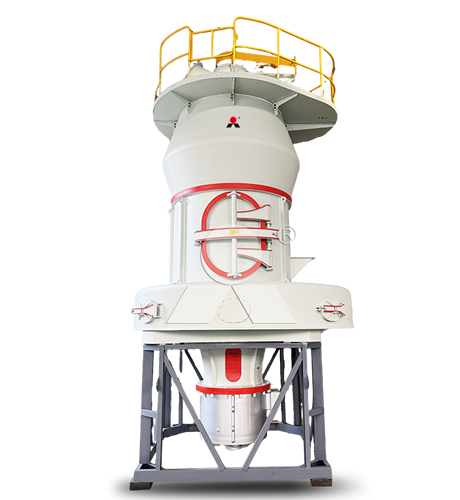
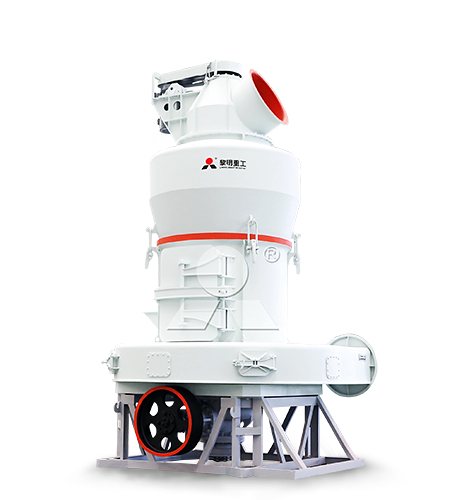
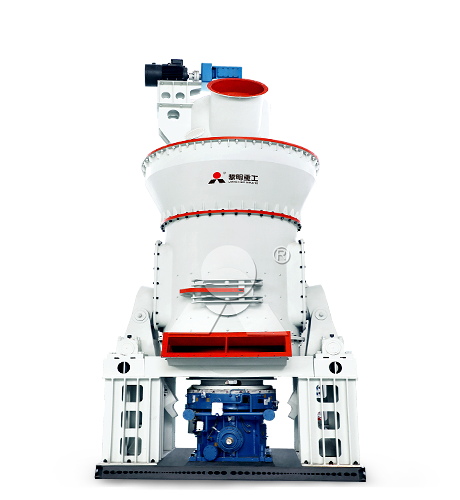
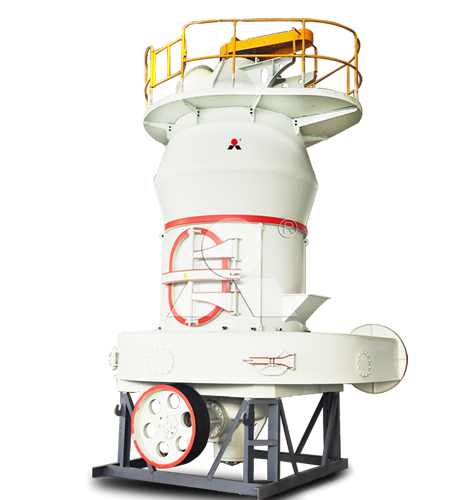
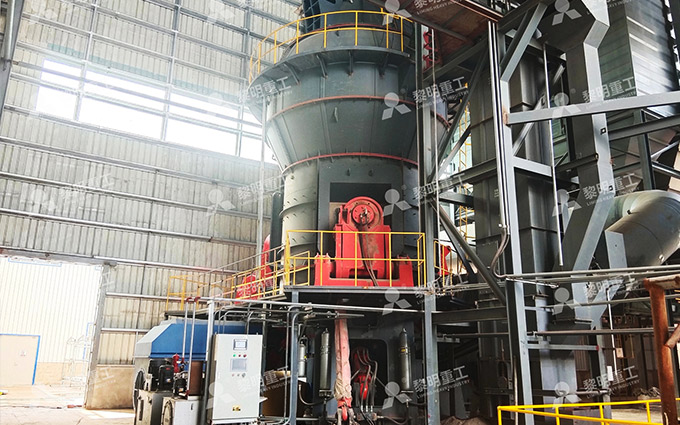
We are Liming Heavy Industry, a manufacturer of various types of industrial crushers, such as Raymond Mill, Trapezoidal Mill, Vertical Mill, Ultrafine Mill, Ball Mill, etc.
Our mills can process the following minerals:
limestone, quicklime, kaolin, talc, barite, bentonite, calcium carbonate, dolomite, coal, gypsum, clay, carbon black, slag, cement raw materials, cement clinker, etc.
If you need a mill to process stone or minerals into powder, please feel free to contact me (WhatsApp: +8615333807511). Thank you.
Calcium carbonate is one of the most widely used mineral fillers in adhesives because it reduces formulation cost while controlling viscosity, thixotropy, sag resistance, shrinkage, density, and cured-material properties. It is used in construction adhesives, tile adhesives, caulks, sealants, hot-melt systems, PVC plastisols, and many polyurethane, silicone, acrylic, epoxy, MS polymer, and rubber-based formulations.
The right calcium carbonate for an adhesive is selected by resin chemistry and application behavior—not by price or mesh alone. Particle-size distribution, moisture, surface treatment, oil absorption, purity, and dispersion determine whether the filler produces a stable, easily applied adhesive or causes settling, poor wetting, excessive viscosity, cure problems, weak adhesion, or inconsistent extrusion.
What calcium carbonate does in adhesives
Calcium carbonate is generally used as an extender and rheology modifier. It occupies volume in the adhesive or sealant at a lower cost than polymer resin, while helping control the flow behavior required for mixing, pumping, cartridge filling, troweling, spreading, extrusion, or bead application.
In many adhesive and sealant systems, calcium carbonate can contribute to:
Lower raw-material cost through high-volume mineral extension.
Viscosity and rheology control during manufacturing and application.
Improved slump resistance and bead stability after application.
Reduced shrinkage during curing or solvent loss.
Higher density, body, and gap-filling capability.
Controlled hardness, modulus, tensile behavior, and elongation of the cured material.
Whiteness, opacity, and color consistency in white or light-colored systems.
Improved sanding or tooling behavior in selected construction and sealant products.
Ground calcium carbonate is described as the most widely used filler/extender in adhesive and sealant formulations, with cost reduction and rheology control as its main functions. Its relatively low surface area compared with many other mineral fillers can allow useful loading levels without causing the extreme viscosity increase associated with more surface-active minerals.
How calcium carbonate affects adhesive rheology
Rheology determines how an adhesive behaves under shear and after shear is removed. A product may need to flow readily through a pump or cartridge nozzle but hold its shape after application. It may need to wet a substrate under pressure, fill gaps, resist sagging on a vertical surface, and remain stable during storage.
Calcium carbonate influences this balance through its particle size, particle-size distribution, particle shape, surface area, surface chemistry, and interaction with the binder system. In adhesives and sealants, mineral fillers can directly affect how a product spreads, adheres, and resists deformation or creep during application.
Coarser GCC generally contributes economical volume and body with a lower surface-area penalty. Fine and ultrafine grades have more surface area, so they can have a stronger influence on viscosity, yield value, anti-sag performance, and mechanical properties. They also require more careful dispersion and may demand changes in plasticizer, solvent, dispersant, wetting agent, or polymer content.
Calcium carbonate by adhesive type
| Adhesive or sealant system | Typical calcium carbonate role | Important grade requirements |
|---|---|---|
| Construction adhesive | Bulk extension, viscosity control, gap filling, slump resistance, and cost management. | Medium-fine GCC, low moisture, stable PSD, good dispersion, suitable extrusion behavior. |
| Acrylic caulk | Body, rheology, white color, shrinkage control, and application consistency. | High whiteness, fine PSD, waterborne dispersibility, storage stability, crack-resistance balance. |
| Silicone sealant | Rheology control, body, cost reduction, and cured-sealant property adjustment. | Low moisture, controlled surface treatment, compatibility with moisture-curing chemistry. |
| Polyurethane sealant and adhesive | Viscosity adjustment, anti-sag behavior, mechanical-property tuning, and cost control. | Very low moisture, surface-treated grade where needed, resin compatibility, cure stability. |
| MS polymer or SMP sealant | Rheology, thixotropy, bead stability, cured modulus, and formulation economics. | Low moisture, fine or ultrafine treated GCC, narrow PSD, controlled surface chemistry. |
| PVC plastisol | Viscosity control, cost reduction, body, and rheological stability. | Fine GCC or PCC, low moisture, good dispersion, plastisol compatibility. |
| Hot-melt adhesive | Cost control, viscosity modification, heat resistance, and open-time adjustment in selected systems. | Fine dry filler, resin compatibility, low moisture, controlled particle distribution. |
| Epoxy adhesive | Gap filling, shrinkage reduction, viscosity adjustment, and dimensional stability. | Fine high-purity GCC, low moisture, low coarse residue, consistent dispersion. |
GCC and PCC for adhesives
Ground calcium carbonate (GCC) is the standard mineral filler for many adhesive and sealant formulations. It is produced from natural limestone, marble, or calcite and is available in a wide range of particle sizes. GCC is often the preferred choice for high-volume products because it offers a favorable cost-to-performance ratio.
Precipitated calcium carbonate (PCC) may be selected when a more controlled particle morphology, higher surface area, stronger rheological effect, or improved mechanical-property contribution is needed. Coated PCC is used as a rheology modifier in several sealant types, including PVC plastisols and MS-, polyurethane-, and polysulfide-based sealants; suppliers describe benefits including easier dispersion, high yield point, and low viscosity in selected formulations.
| Characteristic | GCC | PCC |
|---|---|---|
| Primary role | Economical filler, extender, and general rheology modifier. | Specialty filler and rheology modifier for controlled functional performance. |
| Particle characteristics | Broad availability from coarse to fine grades; natural mineral particle shape. | More controllable particle morphology and fine-particle characteristics. |
| Typical cost position | Usually lower cost and more suitable for high-volume extension. | Usually higher cost but may be justified for high-performance or sensitive formulations. |
| Rheological effect | Can provide body, viscosity control, and practical high loading. | Can provide stronger, more tailored rheological modification at fine particle size. |
| Common uses | Construction adhesives, caulks, general sealants, acrylic systems, fillers, and economical compounds. | Specialty sealants, PVC plastisols, moisture-sensitive reactive systems, and precision rheology designs. |
Coated calcium carbonate for reactive adhesives
Surface-treated calcium carbonate is particularly important in moisture-sensitive and hydrophobic adhesive systems. Untreated calcium carbonate can carry adsorbed moisture and has a hydrophilic mineral surface. In moisture-curing polyurethane, silicone, and silane-modified polymer systems, excess moisture can alter storage stability, increase viscosity, generate bubbles, or cause premature cure reactions.
Fine coated and uncoated GCC grades are used to optimize rheology and mechanical properties in adhesive and sealant systems, while specialized moisture-control technologies are marketed for moisture-sensitive reactive formulations. Surface treatment can improve filler affinity with the resin matrix, reduce moisture sensitivity, and support more uniform dispersion.
Common surface treatments include fatty acids such as stearic acid, as well as proprietary organophilic treatments. In some specialized formulations, silane-based treatments can be used to improve interaction between the mineral surface and the polymer matrix. The correct treatment must be evaluated with the actual resin, catalyst, plasticizer, moisture scavenger, and curing mechanism.
Particle size for adhesive-grade calcium carbonate
Particle size affects adhesive viscosity, yield stress, anti-sag performance, surface finish, settling, extrusion behavior, and cured properties. Fine material can provide smoother beads and a stronger rheology effect, while coarser material generally allows higher loading at lower cost and lower viscosity increase.
| Grade direction | Typical adhesive effect | Best suited to |
|---|---|---|
| Coarse GCC | Economical volume extension, body, lower surface-area demand, and gap filling. | Construction adhesives, fillers, low-cost sealants, putties, and products with less demanding surface finish. |
| Medium-fine GCC | Balances cost, rheology, extrusion, settling resistance, and cured-material properties. | General-purpose caulks, acrylic adhesives, sealants, and construction systems. |
| Fine GCC | Improves bead smoothness, dispersion potential, opacity, and rheology control. | Higher-quality sealants, smooth caulks, PVC plastisols, selected PU and MS polymer systems. |
| Ultrafine GCC or PCC | Provides strong rheology modification and can improve mechanical integrity when properly dispersed. | High-performance reactive adhesives, premium sealants, specialty formulations, and precision rheology applications. |
For many adhesive and sealant applications, fine particles below approximately 5 µm are often preferred to reduce settling. Smaller particles can improve reinforcement and surface finish, but they are more difficult to disperse; a narrow particle-size distribution is generally preferred for consistent properties.
Particle size should be specified using full laser-diffraction data—such as D10, D50, D90, D97, or D98—rather than mesh alone. Coarse residue and hard agglomerates are particularly important for cartridge and nozzle systems because they can produce uneven beads, blocked nozzles, and rough surfaces.
Moisture: a critical specification
Moisture content is a major quality requirement for calcium carbonate used in adhesives, particularly moisture-curing polyurethane, silicone, and silane-modified polymer systems. Adsorbed water can inhibit filler dispersion and may interfere with cure chemistry. Adhesive-formulation guidance recommends dry filler with neutral or only slightly basic pH and notes that adsorbed moisture can inhibit dispersion.
In moisture-curing reactive systems, the supplier and formulator should evaluate not only total moisture but also water-release behavior, storage conditions, packaging integrity, surface treatment, and the amount of moisture scavenger needed in the formula. A low-moisture specification should be measured by a defined test method and controlled across production lots.
How to specify calcium carbonate for adhesives
| Specification item | Why it matters in adhesives and sealants |
|---|---|
| Particle-size distribution | Controls viscosity, thixotropy, settling, bead smoothness, filler packing, and cured-material consistency. |
| Coarse-particle control | Helps prevent nozzle blockage, rough beads, surface defects, and poor extrusion consistency. |
| Moisture content | Critical for storage stability and cure reliability in reactive PU, silicone, and MS polymer systems. |
| Surface treatment | Improves compatibility with hydrophobic resins and may reduce moisture sensitivity or improve dispersion. |
| Oil absorption or specific surface area | Indicates probable effects on resin demand, viscosity, and practical filler loading. |
| CaCO3 purity and insolubles | Helps control color, contamination risk, abrasive particles, and batch consistency. |
| Whiteness | Important for white caulk, white sealant, light-colored adhesives, and tinting systems. |
| Bulk density and flowability | Affect pneumatic conveying, mixing accuracy, dust control, and automated production efficiency. |
Common selection mistakes
Buying by price only: A low-cost filler can become expensive if it causes settling, unstable viscosity, nozzle blockage, poor extrusion, or inconsistent curing.
Ignoring moisture in reactive systems: Moisture can disrupt storage stability and cure behavior in polyurethane, silicone, and silane-modified polymer formulations.
Using only mesh to define the grade: Mesh does not show the full fine-particle distribution, hard agglomerates, or coarse residue that affect adhesive performance.
Using ultrafine filler without reformulation: Higher surface area can sharply increase viscosity and binder demand unless additives and resin balance are adjusted.
Assuming coated grades are always better: Surface treatment must match the resin system; an unsuitable treatment can impair dispersion or cure behavior.
Changing filler loading without checking adhesion: Higher mineral loading can change tensile strength, elongation, peel strength, cohesive strength, flexibility, and shrinkage.
FAQ
Why is calcium carbonate added to adhesives?
It is added primarily to reduce cost and control rheology. It can also improve anti-sag behavior, reduce shrinkage, increase body, adjust hardness, improve whiteness, and help tailor the cured adhesive or sealant’s mechanical properties.
What calcium carbonate size is used in sealants?
Medium-fine to fine GCC is common in many sealants because it balances viscosity, extrusion, smoothness, and cost. Fine particles below about 5 µm are often preferred where improved settling resistance and smoother performance are needed, while ultrafine GCC or PCC may be used for stronger rheology modification.
Is coated calcium carbonate necessary for polyurethane adhesive?
It is often beneficial, especially for moisture-curing polyurethane systems. A low-moisture, surface-treated calcium carbonate can improve compatibility with the resin and reduce the risk of moisture-related storage or cure problems. The exact treatment and moisture requirement must be validated in the full formulation.
Can calcium carbonate improve adhesive strength?
At an optimized loading, fine or surface-treated calcium carbonate can improve cohesive strength, modulus, or mechanical integrity in some systems. At excessive loading, it can reduce adhesion, elongation, and flexibility because there is insufficient polymer to bind the filler and transfer stress effectively.
Key takeaway
Calcium carbonate for adhesives is a high-value formulation tool, not merely a low-cost filler. GCC is the main choice for economical extension and rheology control, while fine, ultrafine, coated GCC and PCC are selected when smooth extrusion, anti-sag behavior, moisture control, or mechanical performance are more demanding. For reliable production, specify the mineral by full particle-size distribution, moisture, surface treatment, purity, and dispersion behavior, then validate it in the intended adhesive or sealant system.