Calcium Carbonate Knowledge Hub
Calcium Carbonate Purity: Why It Matters
2026-09-04 16:00:43
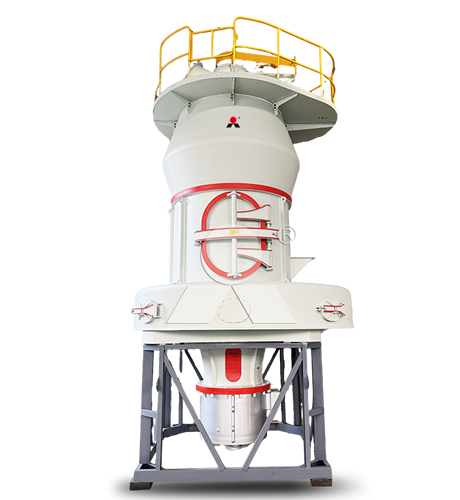
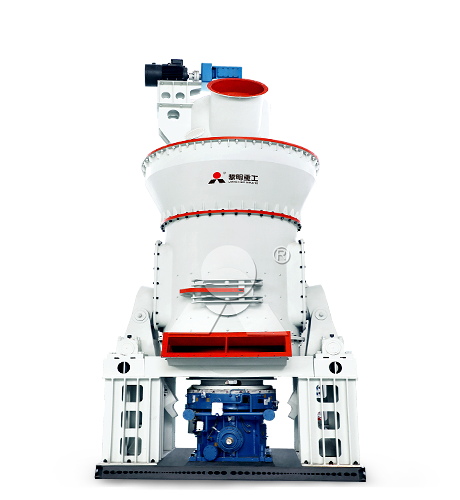
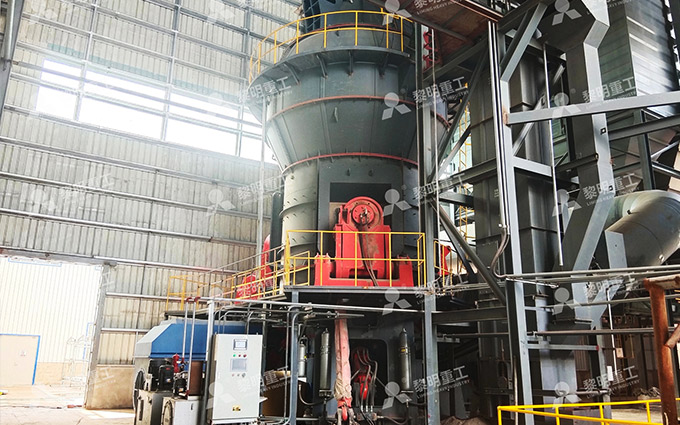
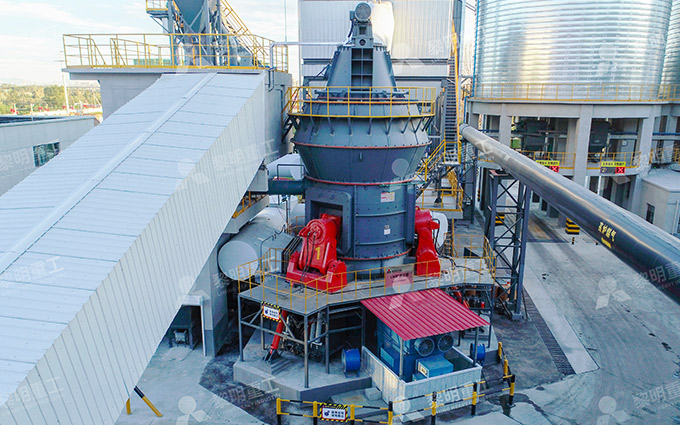
We are Liming Heavy Industry, a manufacturer of various types of industrial crushers, such as Raymond Mill, Trapezoidal Mill, Vertical Mill, Ultrafine Mill, Ball Mill, etc.
Our mills can process the following minerals:
limestone, quicklime, kaolin, talc, barite, bentonite, calcium carbonate, dolomite, coal, gypsum, clay, carbon black, slag, cement raw materials, cement clinker, etc.
If you need a mill to process stone or minerals into powder, please feel free to contact me (WhatsApp: +8615333807511). Thank you.
Calcium carbonate purity is one of the most important quality indicators for calcium carbonate powder. It affects whiteness, color consistency, grinding behavior, equipment wear, product performance, formulation stability, and suitability for specific industries.
For industrial buyers, “high purity” does not simply mean a high CaCO3 percentage. It also means controlling silica, iron, magnesium, clay, acid-insoluble matter, heavy metals, moisture, and other contaminants that may affect the final application. The right purity level depends on whether calcium carbonate is used in PVC, paper, paint, rubber, sealants, construction materials, food, pharmaceuticals, or another product category.
What Does Calcium Carbonate Purity Mean?
Calcium carbonate purity usually refers to the percentage of calcium carbonate, CaCO3, in a natural or manufactured material. A high CaCO3 result generally indicates that a powder contains more calcium carbonate and fewer non-carbonate components.
However, CaCO3 assay is only one part of a complete quality assessment. Two powders can show similar calcium carbonate content but behave differently because they contain different impurities, have different mineral structures, or were processed differently.
For example, a calcium carbonate powder with high CaCO3 content but elevated iron may be unsuitable for a white paint or PVC product. A powder with acceptable purity but excessive silica may increase abrasion in grinding, extrusion, mixing, or conveying equipment. A material intended for food or pharmaceutical use requires additional controls beyond ordinary industrial CaCO3 assay.
Why Calcium Carbonate Purity Matters
| Quality Factor | How Purity Can Affect It | Industries Most Affected |
|---|---|---|
| Whiteness and color | Iron, clay, organic matter, and other impurities can reduce whiteness or create yellow, gray, brown, or reddish tones | Paint, paper, PVC, coatings, artificial stone, masterbatch |
| Equipment wear | Silica and other hard mineral impurities can increase abrasion | Grinding, plastics, rubber, coatings, powder handling |
| Dispersion and processing | Impurities and inconsistent mineralogy can affect viscosity, powder flow, mixing, extrusion, and formulation consistency | Plastics, PVC, rubber, sealants, adhesives, paint |
| Final-product appearance | Lower purity can reduce surface smoothness, brightness, gloss, and visual consistency | Paper, paint, coatings, white plastics, wall putty |
| Chemical performance | Non-carbonate content can affect neutralizing value, reactivity, and process response | Agriculture, water treatment, flue-gas treatment, chemical processing |
| Compliance suitability | Regulated uses require strict controls for heavy metals, microbial quality, contaminants, and documented specifications | Food, pharmaceuticals, supplements, personal care, animal feed |
Common Impurities in Calcium Carbonate
Natural calcium carbonate is commonly sourced from limestone, marble, chalk, or calcite. Because these are geological materials, they may contain minerals and trace components that are not calcium carbonate. Their type and concentration depend on the deposit, quarry bench, mining method, beneficiation process, and quality-control system.
Silica and Silicate Minerals
Silica, usually reported as SiO2, may occur as quartz, clay minerals, sand, chert, feldspar, or other silicate-bearing materials. It is one of the most important impurities to control because quartz is significantly harder than calcite.
High silica can increase abrasion in crushers, mills, classifiers, screw feeders, pneumatic conveying lines, mixers, extruders, pumps, dies, and other equipment. It may also reduce whiteness, affect surface finish, and limit the suitability of calcium carbonate for premium filler applications.
In mineral beneficiation, silica and silicates are among the contaminants that may need to be removed, along with iron- and magnesium-bearing impurities, to improve calcium carbonate product quality.
Iron-Bearing Minerals
Iron is often reported as Fe2O3. Even relatively small amounts of iron-bearing minerals can affect calcium carbonate color. Iron impurities may create yellow, brown, reddish, gray, or off-white tones that reduce whiteness and brightness.
Low iron is especially important for white PVC, paint, paper, coatings, artificial stone, sealants, masterbatch, and products where visual quality strongly affects market value.
Magnesium and Dolomite
Magnesium is commonly reported as MgO. Elevated MgO may indicate the presence of dolomite, a calcium-magnesium carbonate mineral with the formula CaMg(CO3)2. Dolomite is valuable in many industrial applications, but it is not the same as high-purity calcium carbonate.
For applications requiring high CaCO3 content or predictable calcium carbonate behavior, MgO control can be important. The acceptable level depends on the final use, the customer specification, and whether the product is intended as high-calcium GCC, dolomitic filler, lime feedstock, agricultural material, or another grade.
Clay, Alumina, and Other Insoluble Matter
Clay minerals, alumina-containing minerals, and acid-insoluble residue can reduce the effective calcium carbonate content and affect processing behavior. They may influence moisture retention, powder flow, rheology, dispersion, brightness, and product consistency.
Acid-insoluble residue is often used as a practical indicator of non-carbonate mineral content. A higher value can indicate silica, clay, sand, or other insoluble materials that may be undesirable in fine fillers or regulated applications.
Organic Matter and Carbonaceous Material
Some natural deposits contain organic matter or carbonaceous impurities. These materials can darken the powder, affect odor, reduce whiteness, and influence thermal behavior. They are particularly undesirable in high-whiteness, food-related, pharmaceutical, and high-temperature processing applications.
Heavy Metals and Trace Elements
Heavy metals and other trace elements are especially important for food, dietary supplements, pharmaceuticals, personal-care products, and animal-feed applications. Relevant elements may include lead, arsenic, mercury, cadmium, and others, depending on the applicable standard and intended market.
For regulated applications, the buyer should request a current certificate of analysis, confirm the governing standard, and verify that testing covers the required contaminant limits. A product described simply as “high purity” is not enough evidence that it meets food-grade or pharmaceutical-grade requirements.
Purity and Whiteness Are Related but Different
High purity often supports high whiteness, but purity and whiteness are not identical properties. Purity refers primarily to chemical composition; whiteness describes optical appearance under a specified testing method.
A material may have a high CaCO3 assay but lower-than-expected whiteness because of iron, organic matter, dark inclusions, trace minerals, particle-size effects, contamination, or storage conditions. Conversely, a product may appear visually white but still contain impurities that affect chemical performance, abrasion, or regulatory suitability.
| Property | What It Measures | Typical Concern |
|---|---|---|
| CaCO3 purity | Amount of calcium carbonate in the sample | Mineral quality and non-carbonate content |
| Whiteness | Visual white appearance under a defined test condition | Color quality for white finished products |
| Brightness | Light reflectance under specified measurement conditions | Optical performance in paper, paint, coatings, and plastics |
| Iron content | Level of iron-bearing material, often reported as Fe2O3 | Yellowing, graying, or discoloration risk |
| Acid-insoluble residue | Material that does not dissolve under the specified acid test | Silica, clay, sand, and other non-carbonate impurities |
Purity Requirements by Application
There is no single “correct” calcium carbonate purity level for every industry. The required grade depends on the product’s technical, visual, economic, and regulatory requirements.
Plastics and PVC
For PVC, plastic masterbatch, films, profiles, cable compounds, and injection-molded products, purity affects color, processing stability, abrasion, dispersion, and long-term consistency. Low iron and low silica are often important for white products and equipment protection. Fine coated calcium carbonate may be selected when strong resin compatibility and controlled dispersion are required.
A lower-cost grade may be acceptable for dark-colored or less demanding products, but high-load formulations still require consistent chemistry and particle-size control to avoid unstable extrusion, poor surface quality, or variation between production batches.
Paper and Paperboard
Paper fillers and coating pigments need strong optical performance. High whiteness, low discoloration risk, controlled particle size, low abrasive contaminants, and stable mineral quality are important for brightness, opacity, printability, and surface smoothness.
GCC and PCC can both be used in paper. PCC is often selected where a producer needs more controlled particle morphology, while high-quality GCC can provide a cost-effective natural mineral solution when the raw material and processing system are properly controlled.
Paints and Coatings
In paint, coatings, putty, and printing inks, impurities can affect color, gloss, viscosity, film appearance, sanding behavior, and storage stability. High-purity, high-whiteness calcium carbonate is especially relevant for white or light-colored coatings.
Silica and coarse contamination can affect smoothness and may increase abrasion during processing. A paint manufacturer should assess purity together with whiteness, particle-size distribution, oil absorption, moisture, and dispersion behavior in the actual formulation.
Rubber, Adhesives, and Sealants
Rubber, adhesive, and sealant formulations use calcium carbonate as a filler that can affect viscosity, extrusion behavior, body, mechanical properties, and cost. Impurities can influence moisture sensitivity, color, rheology, equipment wear, and batch consistency.
For silicone sealants, acrylic sealants, PVC sealants, and construction adhesives, fine and consistent calcium carbonate is often preferred. Coated grades may improve compatibility with hydrophobic polymers, but coating quality must be evaluated together with mineral purity and moisture.
Construction Materials
Construction uses include cement, mortar, wall putty, gypsum products, concrete, artificial stone, aggregate, and dry-mix materials. Purity requirements vary widely. Cement and aggregate can often use materials that would not be suitable for ultrafine white fillers, while decorative products, white mortar, artificial stone, and premium wall putty may require higher whiteness and lower impurity levels.
Agriculture and Environmental Treatment
For agricultural lime, water treatment, acid neutralization, and flue-gas treatment, chemical reactivity and neutralizing value may be more important than extreme whiteness. However, impurity control is still relevant because non-carbonate content can reduce effective CaCO3 content and change treatment efficiency.
Food, Pharmaceutical, and Personal-Care Applications
Regulated applications require the strictest controls. In addition to CaCO3 content, buyers may need to evaluate heavy metals, acid-insoluble substances, microbial limits, residual solvents where applicable, particle size, identity testing, and compliance with the required pharmacopoeia, food code, or local regulation.
For example, product claims such as USP, BP, Ph. Eur., FCC, or food grade should be supported by relevant documentation and batch-specific testing, not assumed from a general industrial-grade data sheet. Suppliers of food and pharmaceutical calcium carbonate commonly distinguish these grades by defined identity, assay, and impurity limits.
How Is Calcium Carbonate Purity Measured?
Calcium carbonate purity is usually evaluated through laboratory testing. The appropriate methods depend on the intended use, local standards, customer specification, and required level of control.
CaCO3 Assay
CaCO3 content may be measured through acid-based titration, instrumental methods, or calculated from calcium and carbonate-related analytical results. The method should be documented because different procedures can produce results that are not directly comparable.
X-Ray Fluorescence Analysis
X-ray fluorescence, often called XRF, can measure major and trace elemental composition. It is commonly used to evaluate calcium, magnesium, silicon, iron, aluminum, and other elements in mineral samples.
X-Ray Diffraction Analysis
X-ray diffraction, or XRD, identifies mineral phases. It can help distinguish calcite from dolomite, quartz, aragonite, clay minerals, feldspar, and other crystalline components. This is particularly useful when two materials have similar chemical results but different mineralogical behavior.
Acid-Insoluble Residue Testing
Acid-insoluble residue testing measures the portion of a sample that does not dissolve in a defined acid treatment. It can indicate the presence of silica, clay, sand, or other non-carbonate contaminants.
Whiteness and Color Testing
Whiteness, brightness, and color are measured with dedicated optical instruments. The reported result should specify the method, instrument settings, sample preparation, and relevant standard. This is important because optical values may differ between test methods.
Trace-Element and Heavy-Metal Testing
For food, pharmaceutical, cosmetic, and feed applications, trace metals may be analyzed using methods such as ICP-OES, ICP-MS, atomic absorption spectroscopy, or another validated procedure. The test panel should match the regulatory and customer requirements of the destination market.
How to Improve Calcium Carbonate Purity
Purity control starts before grinding. Once a low-quality feed material enters the production line, grinding alone cannot remove most chemical or mineral impurities. Effective improvement therefore begins with deposit selection, quarry management, and raw-material separation.
Select the right deposit: Choose limestone, marble, or calcite with high CaCO3, high whiteness, and low silica, iron, magnesium, clay, and organic matter.
Control quarry benches: Different zones of one quarry may have different chemistry and color. Separate mining and stockpiling help maintain consistency.
Use selective crushing and sorting: Remove visibly contaminated or off-color rock before fine grinding when possible.
Apply beneficiation where justified: Washing, classification, magnetic separation, flotation, or other processes may help reduce selected contaminants.
Prevent processing contamination: Maintain crushers, mills, classifiers, conveyors, storage equipment, and packaging systems to reduce metal, dust, or cross-product contamination.
Use batch testing: Test raw feed, intermediate product, and finished powder to identify variation before material is shipped.
Flotation can be used in selected calcium carbonate beneficiation flowsheets to remove contaminants such as iron, magnesium, silica, and silicates when the value of the final product justifies the added process complexity.
How to Read a Purity Specification
A calcium carbonate specification should be reviewed as a complete package. Do not select a powder using only “99% CaCO3” or a single whiteness value.
| Specification Item | What It Helps Evaluate |
|---|---|
| CaCO3 assay | Overall calcium carbonate content |
| SiO2 | Silica-related abrasiveness and non-carbonate content |
| Fe2O3 | Potential discoloration and whiteness reduction |
| MgO | Dolomite or magnesium-bearing mineral content |
| Acid-insoluble residue | Silica, clay, sand, and other insoluble impurities |
| Whiteness or brightness | Optical quality for visible finished products |
| Particle-size distribution | Dispersion, viscosity, surface finish, and process behavior |
| Moisture | Storage stability and processing suitability |
| Heavy-metal profile | Suitability for regulated food, pharmaceutical, cosmetic, or feed uses |
Frequently Asked Questions
What is high-purity calcium carbonate?
High-purity calcium carbonate is a grade with high CaCO3 content and low levels of undesirable impurities. The exact requirement depends on the application. High-purity industrial grades may focus on low silica, iron, magnesium, and acid-insoluble residue, while food and pharmaceutical grades also require strict contaminant and compliance controls.
Why does silica matter in calcium carbonate?
Silica can increase abrasion because quartz and other silicate minerals are much harder than calcite. High silica can increase equipment wear, reduce smoothness, affect whiteness, and limit suitability for high-value filler applications.
Does higher CaCO3 always mean better performance?
No. A high CaCO3 assay is important, but performance also depends on whiteness, particle size, particle-size distribution, moisture, surface treatment, oil absorption, mineralogy, and the type of impurities present.
Why is iron controlled in calcium carbonate powder?
Iron-bearing impurities can reduce whiteness and cause yellow, brown, gray, or reddish discoloration. Low iron is especially important for white paint, PVC, paper, coatings, artificial stone, and other visually sensitive products.
Is industrial high-purity calcium carbonate suitable for food use?
Not necessarily. Food and pharmaceutical use requires verification against the relevant regulatory standard, including identity, assay, heavy-metal limits, contaminant controls, manufacturing requirements, and supporting documentation. Industrial purity claims alone are not sufficient.
Conclusion
Calcium carbonate purity matters because it affects more than the CaCO3 number on a data sheet. Purity influences whiteness, processing stability, abrasion, equipment life, optical performance, chemical reactivity, and application suitability.
The best calcium carbonate grade is not always the grade with the highest stated assay. It is the grade with the right combination of CaCO3 content, impurity control, whiteness, particle size, moisture, surface treatment, and batch consistency for the intended application. For high-value or regulated uses, buyers should verify the complete technical specification and supporting quality documentation before approving a material.