Calcium Carbonate Knowledge Hub
Is Calcium Carbonate Natural?
2026-09-04 15:59:59
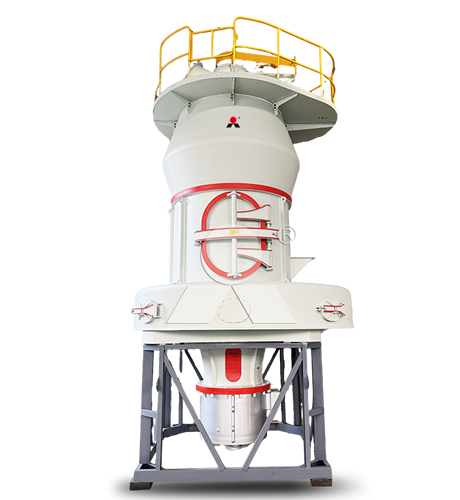
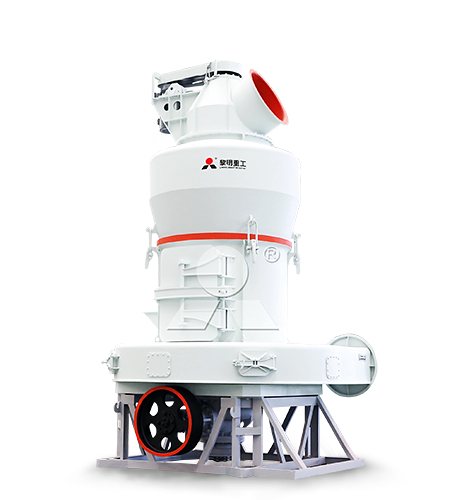
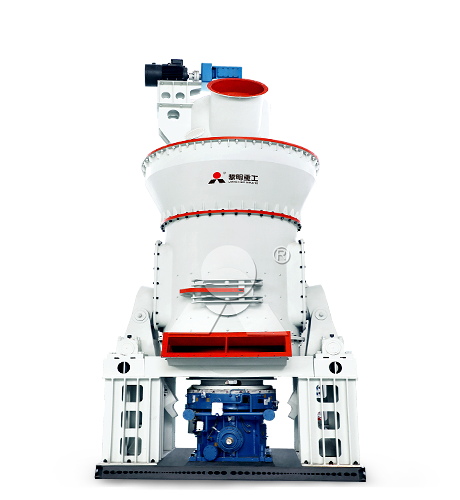
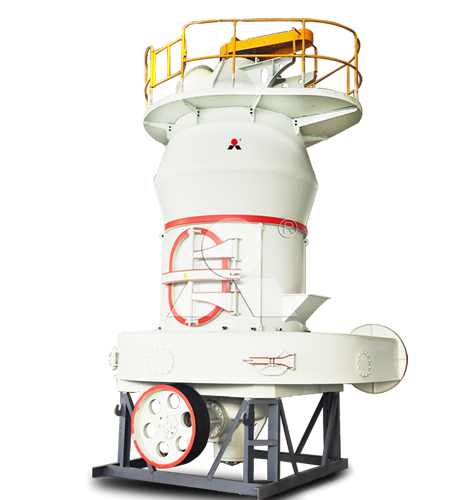
We are Liming Heavy Industry, a manufacturer of various types of industrial crushers, such as Raymond Mill, Trapezoidal Mill, Vertical Mill, Ultrafine Mill, Ball Mill, etc.
Our mills can process the following minerals:
limestone, quicklime, kaolin, talc, barite, bentonite, calcium carbonate, dolomite, coal, gypsum, clay, carbon black, slag, cement raw materials, cement clinker, etc.
If you need a mill to process stone or minerals into powder, please feel free to contact me (WhatsApp: +8615333807511). Thank you.
Yes, calcium carbonate is naturally occurring. Calcium carbonate, with the chemical formula CaCO3, is found throughout nature in limestone, marble, chalk, calcite, aragonite, shells, coral, eggshells, cave formations, and marine sediments.
However, calcium carbonate can also be manufactured. Natural calcium carbonate is usually mined from mineral deposits and mechanically processed into ground calcium carbonate (GCC). A second commercial form, precipitated calcium carbonate (PCC), is made through controlled chemical reactions. Both materials are calcium carbonate, but they differ in source, production process, particle structure, and typical applications.
Quick Answer
| Question | Answer |
|---|---|
| Is calcium carbonate natural? | Yes. It occurs naturally in rocks, minerals, shells, coral, and sedimentary deposits. |
| What are its main natural sources? | Limestone, marble, chalk, calcite, aragonite, shells, coral, eggshells, travertine, and marine sediments. |
| Can calcium carbonate be manufactured? | Yes. PCC is produced through a controlled chemical precipitation process. |
| Is natural calcium carbonate the same as GCC? | GCC is natural calcium carbonate that has been crushed, ground, classified, and sometimes surface-treated. |
| Is PCC artificial? | PCC is chemically manufactured, but its final chemical composition is still CaCO3. |
What Is Natural Calcium Carbonate?
Natural calcium carbonate is CaCO3 formed by geological, chemical, or biological processes rather than intentionally manufactured in a factory. It is among the most widespread carbonate materials on Earth and occurs in both mineral deposits and living organisms.
Natural calcium carbonate is commonly found in:
Limestone: A sedimentary rock made mainly of calcium carbonate minerals.
Marble: A metamorphic rock formed when limestone recrystallizes under heat and pressure.
Chalk: A soft, fine-grained form of limestone commonly formed from microscopic marine remains.
Calcite: The most common and stable mineral form of calcium carbonate.
Aragonite: A calcium carbonate mineral common in shells, coral, marine environments, and some caves or hot springs.
Shells and coral: Biological structures produced by organisms that use calcium carbonate to build protective or skeletal material.
Eggshells: Natural biomineral structures containing mainly calcium carbonate.
Travertine and tufa: Calcium carbonate deposits formed when mineral-rich water releases carbon dioxide and CaCO3 precipitates.
Cave deposits: Stalactites and stalagmites formed from calcium carbonate precipitation in caves.
Natural calcium carbonate is not limited to one type of rock or one geological environment. It can develop in ancient marine basins, modern coral reefs, freshwater lakes, underground caves, hot springs, hydrothermal systems, and biological structures.
How Does Calcium Carbonate Form Naturally?
Natural calcium carbonate forms through several pathways. The most important are biological formation, sedimentary deposition, direct chemical precipitation from water, and geological transformation of existing carbonate rocks.
Biological Formation
Many marine organisms remove dissolved calcium and carbonate-related ions from seawater and use them to build shells or skeletal structures. Mollusks, shellfish, corals, foraminifera, and microscopic marine organisms are important examples.
When these organisms die, their calcium carbonate remains can settle on the seabed. Over millions of years, layers of shells, skeletal fragments, and carbonate mud can accumulate, compact, and cement together to form limestone.
Aragonite is especially associated with biological formation. The U.S. Geological Survey notes that aragonite is chemically identical to calcite but has a different crystal structure, and that it forms through biological processes such as deposition in mollusk shells, as well as through direct chemical precipitation in marine and freshwater settings.
Sedimentary Rock Formation
Many natural calcium carbonate deposits are sedimentary rocks. Limestone develops when calcium carbonate sediments accumulate in shallow seas, lakes, reefs, or other carbonate-rich environments. These sediments can include shell fragments, coral debris, ooids, carbonate mud, and crystals that precipitated from water.
As more sediment accumulates, lower layers are buried and compressed. Mineral cement binds the particles together, producing limestone. Some limestone formations are extremely old and preserve evidence of ancient marine ecosystems.
Natural limestone is a major global source of calcium carbonate. Research literature notes that calcium carbonate naturally occurs in limestone, a rock containing at least 50% calcium carbonate, and that limestone deposits are found worldwide and extracted by quarrying or mining.
Chemical Precipitation from Water
Calcium carbonate can form naturally when water chemistry changes. Water may contain dissolved calcium and bicarbonate ions after moving through limestone-bearing rock. When conditions change—for example, when carbon dioxide escapes from the water—calcium carbonate can precipitate as a solid mineral.
This process helps form cave deposits, travertine terraces, tufa, and mineral scale. In caves, water carrying dissolved calcium carbonate enters an air-filled space, loses carbon dioxide, and slowly deposits CaCO3 as stalactites and stalagmites.
In homes and industrial systems, the same general chemistry can create limescale. USGS notes that when hard water is heated, solid calcium carbonate deposits can form, potentially reducing equipment life and increasing operating cost.
Metamorphic Transformation
When limestone is subjected to high temperature and pressure inside the Earth, its calcium carbonate minerals can recrystallize. This process creates marble, a denser and more crystalline carbonate rock.
Selected white marble deposits can be valuable industrial sources of natural calcium carbonate because they may offer high whiteness, high CaCO3 content, and favorable processing characteristics.
Natural Forms of Calcium Carbonate
Calcium carbonate can occur in several crystal forms. These forms have the same chemical formula, CaCO3, but different crystal structures. They are known as polymorphs.
| Natural Form | Where It Is Commonly Found | Industrial Relevance |
|---|---|---|
| Calcite | Limestone, marble, chalk, veins, caves, sedimentary rocks | The main mineral source for many GCC products |
| Aragonite | Shells, coral, marine sediments, hot springs, caves | Important in marine and biological carbonate systems |
| Vaterite | Some biological systems and temporary or specialized natural environments | Less common in bulk industrial mineral deposits |
| Travertine and tufa | Hot springs, freshwater systems, waterfalls, and carbonate-rich groundwater environments | Natural examples of CaCO3 precipitation; selected deposits may be quarried |
Calcite is the most common calcium carbonate mineral in industrial raw materials. Aragonite is less common than calcite and can alter to calcite over time. This is one reason calcite-rich limestone and marble are widely used as feed materials for ground calcium carbonate production.
Natural Calcium Carbonate vs Manufactured Calcium Carbonate
Natural calcium carbonate and manufactured calcium carbonate have the same basic chemical formula, but they are produced differently and can have different particle characteristics.
| Feature | Natural Calcium Carbonate / GCC | Manufactured Calcium Carbonate / PCC |
|---|---|---|
| Source | Limestone, marble, chalk, calcite, or other natural carbonate deposits | Usually produced from limestone-derived lime and carbon dioxide |
| Production method | Mining, crushing, grinding, classification, and optional coating | Controlled chemical precipitation, followed by separation, drying, and classification |
| Common product name | Ground calcium carbonate, or GCC | Precipitated calcium carbonate, or PCC |
| Particle characteristics | Determined by mineral source, grinding, and classification | Can be more directly engineered through reaction conditions |
| Typical applications | Plastics, PVC, paper, paint, coatings, rubber, sealants, construction materials | Specialty paper, coatings, technical polymers, pharmaceuticals, and qualified food-related uses |
| Cost position | Often more cost-effective for high-volume filler applications | Often higher due to chemical processing and engineered particle control |
Ground calcium carbonate is extracted from the Earth and processed mechanically from minerals such as calcite, aragonite, limestone, chalk, marble, or travertine. PCC is produced by chemical precipitation rather than by simply grinding rock.
Is Ground Calcium Carbonate Natural?
Yes. Ground calcium carbonate is natural calcium carbonate that has been physically processed. GCC starts with a natural mineral source such as limestone, marble, chalk, or calcite. The raw material is crushed, ground, classified, and sometimes coated to create a powder suitable for a specific application.
Grinding does not change calcium carbonate into a different chemical compound. It changes the material’s physical form by reducing particle size and controlling the particle-size distribution. Surface treatment can modify the particle surface for improved dispersion in polymers, rubber, adhesives, or sealants, but the mineral core remains natural CaCO3.
For example, a high-purity calcite deposit can be processed into coated ultrafine GCC for PVC cable compounds or plastic masterbatch. The final powder is a manufactured product in commercial terms, but its main mineral content originates from natural calcium carbonate rock.
Is Precipitated Calcium Carbonate Natural?
Precipitated calcium carbonate is not mined as a finished powder. It is manufactured by chemical processing, usually from limestone-derived lime, water, and carbon dioxide. PCC is therefore often described as synthetic, engineered, or chemically precipitated calcium carbonate.
However, “synthetic” in this context refers to the manufacturing route, not to a different chemical identity. The final product is still calcium carbonate, CaCO3. The process reproduces a type of precipitation that also happens naturally in caves, hot springs, seas, lakes, and biological systems.
PCC production allows manufacturers to control particle shape, particle size, surface area, crystal form, and bulk density more precisely. This can be useful when specific optical, rheological, or performance properties are required.
Why Natural Origin Matters in Industry
For industrial users, natural origin affects raw-material consistency, purity, whiteness, processing behavior, available particle sizes, supply security, and product cost. A high-purity calcite or white marble deposit may be suitable for premium calcium carbonate powder, while a lower-grade limestone may be more appropriate for cement, aggregate, agricultural lime, or environmental treatment.
Important raw-material factors include:
CaCO3 content: High calcium carbonate content can support high-value applications.
Whiteness: Important for PVC, paper, paint, coatings, artificial stone, and white plastic products.
Silica level: Low silica can reduce abrasiveness and support fine-powder processing.
Iron level: Low iron helps preserve whiteness and reduce yellow, gray, or brown discoloration.
Magnesium level: Important for distinguishing high-calcium materials from dolomitic materials.
Moisture and clay content: Can affect crushing, grinding, drying, classification, storage, and powder flow.
Mineral consistency: A stable quarry source helps maintain reliable powder quality across production batches.
Natural Does Not Automatically Mean Food Grade or Pharmaceutical Grade
Natural origin does not automatically make calcium carbonate suitable for food, dietary supplements, pharmaceuticals, cosmetics, or animal feed. These applications require dedicated quality specifications, contaminant control, regulatory compliance, manufacturing controls, and documentation.
Industrial-grade calcium carbonate may be appropriate for PVC, paint, rubber, construction materials, paper, or sealants, but it should not be used in regulated applications unless it has been specifically produced, tested, and qualified for that purpose.
Frequently Asked Questions
Is calcium carbonate naturally occurring?
Yes. Calcium carbonate occurs naturally in limestone, marble, chalk, calcite, aragonite, shells, coral, eggshells, cave formations, and marine sediments.
Is calcium carbonate mined?
Yes. Natural calcium carbonate is commonly mined or quarried as limestone, marble, chalk, or calcite-rich rock. It can then be processed into ground calcium carbonate powder.
Is GCC natural?
Yes. GCC is natural calcium carbonate that has been mechanically processed through crushing, grinding, classification, and sometimes surface treatment.
Is PCC natural or synthetic?
PCC is chemically manufactured, so it is commonly described as synthetic or engineered calcium carbonate. Its final chemical composition is still CaCO3.
Does natural calcium carbonate contain impurities?
It can. Natural deposits may contain silica, clay, iron-bearing minerals, magnesium-bearing minerals, organic matter, and other impurities. The type and level of impurities vary by deposit and influence the suitability of the material for different applications.
Conclusion
Calcium carbonate is naturally occurring and widely distributed in rocks, minerals, shells, coral, caves, hot springs, and marine sediments. The most important industrial natural sources are limestone, marble, chalk, and calcite.
Natural calcium carbonate is commonly processed into GCC for plastics, paper, paint, rubber, sealants, construction materials, and many other products. PCC is a manufactured form of CaCO3 with more controlled particle properties. Both are calcium carbonate, but natural source quality and production method determine their properties and industrial suitability.