Calcium Carbonate Knowledge Hub
What Is Precipitated Calcium Carbonate (PCC)?
2026-09-04 16:09:47
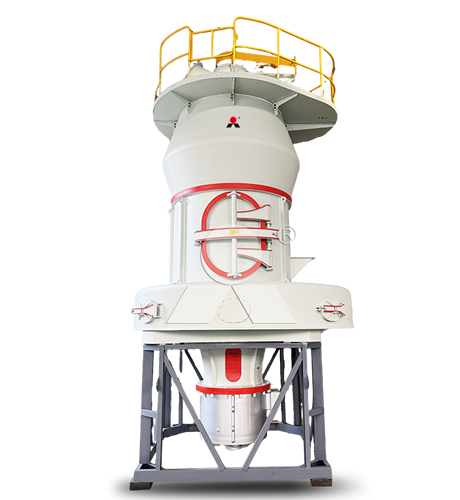
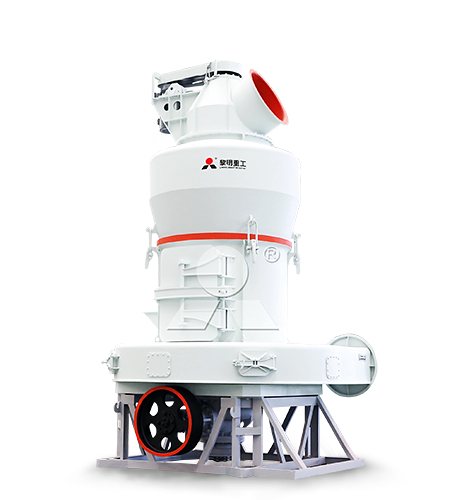
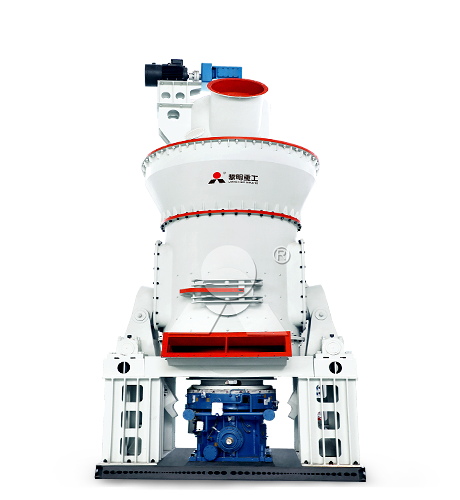
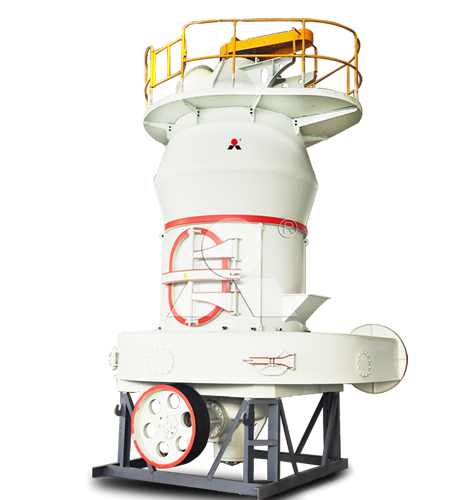
We are Liming Heavy Industry, a manufacturer of various types of industrial crushers, such as Raymond Mill, Trapezoidal Mill, Vertical Mill, Ultrafine Mill, Ball Mill, etc.
Our mills can process the following minerals:
limestone, quicklime, kaolin, talc, barite, bentonite, calcium carbonate, dolomite, coal, gypsum, clay, carbon black, slag, cement raw materials, cement clinker, etc.
If you need a mill to process stone or minerals into powder, please feel free to contact me (WhatsApp: +8615333807511). Thank you.
Precipitated calcium carbonate (PCC) is a chemically manufactured form of calcium carbonate with the formula CaCO3. Unlike ground calcium carbonate (GCC), which is produced by mechanically grinding natural limestone, marble, chalk, or calcite, PCC is created through a controlled chemical precipitation process.
PCC is valued for its high purity, controlled particle size, engineered crystal shape, high whiteness, and consistent performance. It is widely used in paper, paint, coatings, plastics, PVC, rubber, adhesives, sealants, pharmaceuticals, food-related products, cosmetics, agriculture, and specialty industrial applications. PCC is typically produced by reacting carbon dioxide with a calcium hydroxide slurry, causing fine calcium carbonate particles to precipitate under controlled conditions.
PCC at a Glance
| Item | Description |
|---|---|
| Full name | Precipitated calcium carbonate |
| Abbreviation | PCC |
| Main chemical formula | CaCO3 |
| Production type | Chemically precipitated or engineered calcium carbonate |
| Typical raw-material route | Limestone → quicklime → calcium hydroxide slurry → carbonation with CO2 → PCC |
| Main advantages | High purity, high whiteness, controlled crystal morphology, controlled particle size, and specialized performance |
| Typical particle forms | Rhombohedral, scalenohedral, prismatic, acicular, cubic, and other controlled morphologies |
| Common product forms | Dry powder, slurry, coated powder, ultrafine product, or specialty functional filler |
| Main applications | Paper, coatings, plastics, PVC, rubber, adhesives, sealants, food, pharmaceuticals, cosmetics, and specialty materials |
What Does “Precipitated” Mean?
In chemistry, precipitation means forming a solid from a liquid solution or slurry. PCC is produced when a calcium-containing solution or suspension reacts with carbon dioxide under controlled conditions. Fine solid calcium carbonate particles form and separate from the liquid phase.
The term “precipitated” distinguishes PCC from ground calcium carbonate. GCC is made by mechanically reducing natural carbonate rock into powder. PCC is formed as new calcium carbonate crystals during a chemical reaction.
Both GCC and PCC are primarily CaCO3, but their particle shape, particle-size distribution, surface area, bulk density, crystal form, and industrial performance can be very different.
How Is PCC Produced?
The most common PCC production route begins with high-calcium limestone. The limestone is converted to quicklime, hydrated to calcium hydroxide, and then carbonated with carbon dioxide to form precipitated calcium carbonate.
The basic process is:
Limestone → calcination → quicklime → hydration → calcium hydroxide slurry → carbonation → PCC → filtration → drying or slurry storage
1. Limestone Selection
PCC production commonly starts with high-quality limestone. The raw material is evaluated for CaCO3 content, magnesium level, silica, iron, heavy metals, moisture, and other impurities. The required raw-material quality depends on the target PCC grade and final market.
High-purity limestone is especially important for products intended for paper, coatings, high-whiteness plastics, pharmaceuticals, food-related applications, and other sensitive uses.
2. Calcination: Limestone to Quicklime
The limestone is heated in a kiln to remove carbon dioxide and produce calcium oxide, also called quicklime:
CaCO3 → CaO + CO2
This process is called calcination. It is the same fundamental reaction used in lime production and cement manufacturing. The quicklime becomes the calcium source for the next PCC production stage.
3. Hydration: Quicklime to Calcium Hydroxide
Quicklime reacts with water to form calcium hydroxide, also called hydrated lime or slaked lime:
CaO + H2O → Ca(OH)2 + heat
The reaction is exothermic, meaning it releases heat. The calcium hydroxide is typically prepared as a controlled aqueous slurry, often called milk of lime.
4. Carbonation: Forming PCC
Carbon dioxide is introduced into the calcium hydroxide slurry. Under controlled operating conditions, calcium carbonate precipitates as fine particles:
Ca(OH)2 + CO2 → CaCO3 + H2O
This carbonation stage is the defining step in PCC production. It creates new calcium carbonate particles rather than simply reducing the size of existing mineral particles. Carmeuse describes PCC as being produced by combining captured CO2 with a calcium hydroxide slurry created by slaking high-calcium quicklime; the result is a very white, pure calcium carbonate with controlled crystalline structure.
5. Separation, Washing, Drying, and Finishing
After carbonation, the PCC slurry may be filtered, washed, dewatered, dried, milled, classified, coated, or packaged according to the required commercial form. Some customers receive PCC as a slurry, especially for paper applications. Others require dry powder, coated PCC, or a specially engineered ultrafine grade.
Quality control checks may include particle size, crystal morphology, whiteness, brightness, moisture, bulk density, surface area, purity, pH, surface treatment, and performance in the target formulation.
Why PCC Has Controlled Particle Properties
The main advantage of PCC is that particle properties can be engineered during the precipitation process. The producer can influence crystal nucleation, crystal growth, particle shape, particle size, surface area, and agglomeration by controlling reaction conditions.
Important PCC process variables include:
Calcium hydroxide slurry concentration.
Carbon dioxide concentration and flow rate.
Reaction temperature.
Reaction pH.
Mixing intensity.
Residence time.
Seed crystal use.
Impurity level of feed materials and process water.
Additives, crystal-growth modifiers, or dispersants.
Filtration, drying, milling, and surface-treatment conditions.
By adjusting these factors, PCC producers can create products with different crystal morphologies. This controlled structure is one reason PCC is widely used in applications where optical properties, rheology, surface finish, or reinforcement behavior are important.
PCC Crystal Shapes and Morphology
PCC particles can be produced in several shapes. The term morphology refers to the physical shape and structure of the particles. Particle shape affects packing, surface area, light scattering, viscosity, dispersion, bulk density, and end-use performance.
| PCC Particle Shape | General Description | Potential Application Relevance |
|---|---|---|
| Rhombohedral | Block-like crystals related to the calcite crystal form | Can support controlled optical and filler performance in paper, coatings, and plastics |
| Scalenohedral | Elongated, pointed, or tooth-like crystal structure | Often selected for paper and coating applications requiring light scattering and bulk |
| Prismatic | Prism-shaped particles | Used in selected fillers and coating formulations |
| Acicular | Needle-like or elongated particles | Can influence reinforcement, rheology, and mechanical properties in selected composites |
| Cubic or pseudo-cubic | More block-like engineered particles | May be used where packing and controlled morphology are important |
| Nano or ultrafine PCC | Very small engineered particles, sometimes below one micrometer | Used in specialty coatings, technical polymers, paper, cosmetics, and other high-value products |
Research on PCC describes its high purity, well-controlled particle size, and adjustable morphology as important reasons for its use in paper, plastics, rubber, paint, drugs, and other products. It also notes that different PCC shapes can produce different light-dispersion behavior.
PCC vs GCC: What Is the Difference?
PCC and GCC have the same basic chemical formula, CaCO3, but they are made differently and often serve different technical purposes.
| Feature | Precipitated Calcium Carbonate (PCC) | Ground Calcium Carbonate (GCC) |
|---|---|---|
| Source | Chemically manufactured, usually from limestone-derived lime and CO2 | Natural limestone, calcite, marble, chalk, or other carbonate rock |
| Production method | Calcination, hydration, carbonation, separation, and finishing | Crushing, grinding, classification, and optional coating |
| Particle formation | New crystals form during chemical precipitation | Natural mineral particles are mechanically reduced in size |
| Particle shape | Can be engineered and controlled during production | Depends mainly on raw mineral structure and grinding behavior |
| Particle-size control | Controlled through reaction and finishing conditions | Controlled through grinding and air or wet classification |
| Purity | Often very high when made from high-quality feedstock and controlled processing | Depends strongly on the natural mineral deposit and processing controls |
| Bulk density | Often lower because of engineered particle morphology and structure | Often higher, depending on particle size and mineral origin |
| Cost position | Usually higher because of chemical processing and particle engineering | Often more cost-effective for large-volume filler applications |
| Typical applications | Specialty paper, coatings, technical plastics, rubber, pharmaceuticals, cosmetics, and qualified food-related products | Plastics, PVC, paper, paint, rubber, sealants, adhesives, and construction materials |
The best choice is not automatically PCC or GCC. It depends on the product’s required whiteness, particle shape, particle size, surface area, dispersion, optical performance, mechanical properties, formulation cost, and regulatory requirements.
Major Applications of PCC
Paper and Paperboard
PCC is widely used as a filler and coating pigment in paper. It can contribute to brightness, opacity, smoothness, printability, bulk, and surface quality. PCC morphology can be selected to support specific optical and paper-machine requirements.
Because PCC can be produced near or at a paper mill as slurry, some paper producers use on-site PCC systems to reduce transportation costs and maintain a consistent wet-end filler supply.
Paints and Coatings
In paint and coatings, PCC can function as an extender pigment. Its high whiteness, controlled particle shape, particle-size distribution, and surface properties can support opacity, rheology, film structure, sheen, and formulation stability.
PCC is often evaluated for architectural paints, industrial coatings, primers, putty, printing inks, powder coatings, and specialty coating systems. The chosen grade must be matched with the binder, titanium dioxide level, pigment-volume concentration, dispersant, thickener, and desired gloss or surface profile.
Plastics and PVC
PCC is used as a functional filler in rigid PVC, flexible PVC, polypropylene, polyethylene, and other polymers. It may help improve stiffness, dimensional stability, surface appearance, and compound cost efficiency when properly selected and dispersed.
For polymers, PCC may be surface-treated to improve compatibility with hydrophobic resin systems. Calmit identifies PCC as a functional filler for thermoplastics, particularly PVC, where it can improve stiffness and appearance while replacing part of more expensive polymer content.
Rubber and Elastomers
PCC can be used in rubber compounds for footwear, hoses, gaskets, rubber sheets, cable products, automotive components, and molded goods. Particle shape, particle size, surface treatment, and dispersion can influence reinforcement, hardness, processing behavior, abrasion resistance, and compound consistency.
Adhesives and Sealants
PCC is used in silicone sealants, acrylic sealants, PVC sealants, construction adhesives, caulking compounds, and other filled formulations. Fine PCC can affect viscosity, thixotropy, extrusion, sag resistance, surface smoothness, and product appearance.
Food, Pharmaceuticals, and Cosmetics
Selected PCC grades may be used in food, pharmaceuticals, supplements, cosmetics, and personal-care products. In these applications, the product must meet the applicable regulatory, purity, contaminant, traceability, and manufacturing requirements of the intended market.
Industrial PCC should never be assumed suitable for food or pharmaceutical use simply because it is chemically pure. Buyers must verify the exact grade, documentation, specifications, certificates of analysis, and legal status for the intended use.
Advantages of PCC
Controlled morphology: Particle shape can be engineered for specific optical, rheological, and mechanical requirements.
High purity potential: Controlled raw materials and chemical processing can produce very pure calcium carbonate.
High whiteness: PCC can provide strong optical performance for white and light-colored products.
Fine particle-size control: Suitable for applications requiring narrow and consistent particle-size distribution.
Low bulk density potential: Engineered particle structure may provide useful packing and formulation behavior.
Functional filler performance: Can influence stiffness, opacity, surface quality, rheology, reinforcement, and processing behavior.
Surface-modification options: PCC can be coated or treated for compatibility with specific polymers, rubber, adhesives, or sealants.
On-site production potential: Some large paper operations can manufacture PCC slurry near the point of use.
Limitations and Considerations
PCC is not automatically the best solution for every calcium carbonate application. Its chemical manufacturing route can make it more expensive than GCC, especially for high-volume filler products where engineered morphology is not needed.
| Consideration | Why It Matters |
|---|---|
| Higher production complexity | Calcination, slaking, carbonation, separation, drying, and process control require more equipment and utilities than mechanical grinding. |
| Higher cost potential | Chemical processing, energy use, quality control, and specialty finishing can increase cost versus GCC. |
| Surface-area effects | Fine PCC can increase viscosity, binder demand, or dispersant demand in some formulations. |
| Need for application matching | Particle morphology and surface treatment must fit the resin, binder, paper process, or final-product requirement. |
| CO2 management | Traditional PCC production includes limestone calcination, which releases CO2; plant design may capture, reuse, or manage process gas. |
| Regulatory distinction | Food, pharmaceutical, cosmetic, and feed applications require grade-specific compliance beyond ordinary industrial PCC specifications. |
How to Choose a PCC Grade
PCC should be selected using application-specific technical requirements. A product description such as “fine PCC” or “high-purity PCC” is not enough for purchasing approval.
| Specification Item | Why It Matters |
|---|---|
| Crystal morphology | Affects packing, light scattering, rheology, reinforcement, and surface behavior. |
| Particle-size distribution | Controls smoothness, viscosity, dispersion, opacity, gloss, and mechanical performance. |
| Whiteness and brightness | Important for paper, coatings, white PVC, artificial stone, and light-colored products. |
| Specific surface area | Influences binder demand, oil absorption, rheology, and formulation behavior. |
| Bulk density | Affects packaging, storage, conveying, dosing, and loading calculations. |
| Moisture content | Important for powder flow, polymer processing, storage, and surface treatment. |
| Surface treatment | Should be compatible with the target polymer, rubber, adhesive, or sealant system. |
| Purity and impurity profile | Critical for color-sensitive, chemical, food, pharmaceutical, and specialty applications. |
| Application testing | Confirms real performance in the customer’s formulation and production process. |
Frequently Asked Questions
What is PCC?
PCC stands for precipitated calcium carbonate. It is a chemically manufactured form of CaCO3 created by precipitating calcium carbonate from a calcium hydroxide slurry using carbon dioxide.
What is the difference between PCC and GCC?
PCC is manufactured through chemical precipitation and can have engineered particle shape and size. GCC is produced by mechanically grinding natural limestone, calcite, marble, or chalk. Both are mainly calcium carbonate, but they differ in particle morphology, production method, and cost.
How is PCC made?
PCC is commonly made by calcining limestone into quicklime, hydrating quicklime into calcium hydroxide slurry, and reacting that slurry with carbon dioxide. The resulting calcium carbonate precipitate is then separated, dried, and finished into the required product grade.
Why is PCC used in paper?
PCC can improve paper brightness, opacity, smoothness, printability, and bulk. Its particle morphology can be controlled to support specific optical and paper-making requirements.
Is PCC natural or synthetic?
PCC is chemically manufactured, so it is often called synthetic or engineered calcium carbonate. Its final chemical composition is still CaCO3, the same basic compound found naturally in limestone, calcite, marble, chalk, shells, and coral.
Is PCC food grade?
Some PCC grades may be qualified for food, pharmaceutical, cosmetic, or supplement applications, but industrial PCC is not automatically food grade. The exact product must meet applicable regulatory standards, contaminant limits, manufacturing controls, and documentation requirements.
Conclusion
Precipitated calcium carbonate, or PCC, is an engineered form of CaCO3 produced through controlled chemical precipitation. Its typical route is limestone calcination, lime hydration, and carbonation of calcium hydroxide slurry with carbon dioxide.
Compared with GCC, PCC offers greater control over particle size, crystal morphology, whiteness, surface area, and bulk density. These advantages make it valuable for paper, coatings, plastics, PVC, rubber, adhesives, sealants, pharmaceuticals, cosmetics, and other applications where material performance depends on more than calcium carbonate content alone.