Calcium Carbonate Knowledge Hub
How Is PCC Produced?
2026-09-04 16:10:27
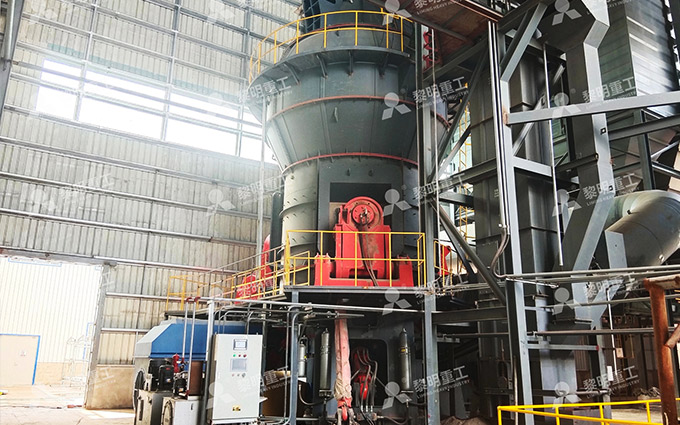
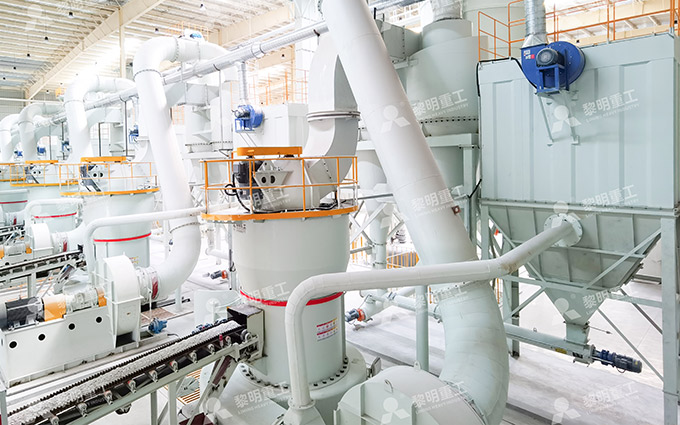
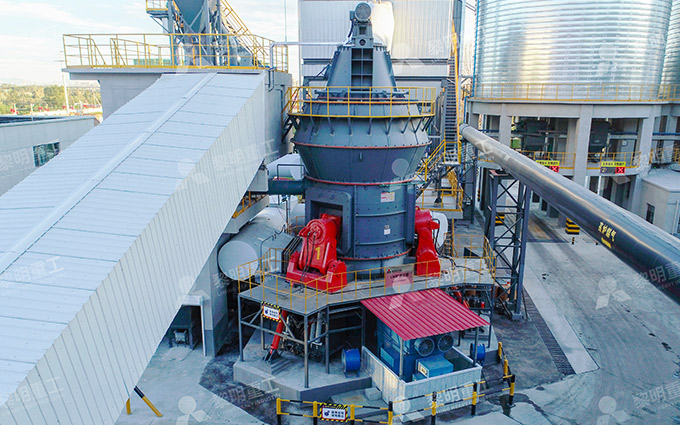
We are Liming Heavy Industry, a manufacturer of various types of industrial crushers, such as Raymond Mill, Trapezoidal Mill, Vertical Mill, Ultrafine Mill, Ball Mill, etc.
Our mills can process the following minerals:
limestone, quicklime, kaolin, talc, barite, bentonite, calcium carbonate, dolomite, coal, gypsum, clay, carbon black, slag, cement raw materials, cement clinker, etc.
If you need a mill to process stone or minerals into powder, please feel free to contact me (WhatsApp: +8615333807511). Thank you.
Precipitated calcium carbonate (PCC) is produced through a controlled chemical process that converts limestone into quicklime, calcium hydroxide slurry, and finally engineered calcium carbonate particles. The core PCC process is calcination → slaking → carbonation → separation → drying or slurry finishing.
Unlike ground calcium carbonate (GCC), PCC is not made by simply grinding limestone. PCC particles are newly formed during carbonation, allowing producers to control particle size, crystal shape, surface area, bulk density, whiteness, and other performance properties. The standard route uses a calcium hydroxide slurry reacted with carbon dioxide to precipitate CaCO3.
PCC Production at a Glance
| Production Stage | Purpose | Main Product |
|---|---|---|
| Raw-material preparation | Select and prepare high-quality limestone or obtain quicklime | Suitable CaCO3 feedstock or CaO feedstock |
| Calcination | Thermally decompose limestone | Quicklime, CaO, plus CO2 |
| Slaking | React quicklime with water | Calcium hydroxide slurry, Ca(OH)2 |
| Slurry refinement | Remove grit and control lime-milk quality | Refined calcium hydroxide slurry |
| Carbonation | React calcium hydroxide with carbon dioxide | PCC slurry containing newly precipitated CaCO3 |
| Separation and washing | Remove water and soluble impurities | Concentrated PCC filter cake or purified slurry |
| Drying and finishing | Produce final particle form and control agglomeration | Dry PCC powder, treated PCC, or finished slurry |
| Packaging and dispatch | Protect and deliver the product | Bags, FIBCs, bulk powder, or slurry tank delivery |
The Main PCC Reactions
PCC manufacture is based on a sequence of reversible calcium-carbonate reactions. The process starts with limestone and ultimately forms calcium carbonate again, but as newly precipitated particles with engineered properties.
1. Calcination
High-calcium limestone is heated to produce quicklime and carbon dioxide:
CaCO3(s) → CaO(s) + CO2(g)
This reaction is endothermic and requires high temperature. In industrial lime kilns, limestone is commonly calcined at approximately 900–1,100°C, depending on kiln design, stone size, fuel, residence time, and gas conditions.
2. Slaking
Quicklime reacts with water to form calcium hydroxide:
CaO(s) + H2O(l) → Ca(OH)2(aq or slurry) + heat
This reaction is exothermic. The resulting calcium hydroxide suspension is commonly called lime milk, milk of lime, or lime slurry.
3. Carbonation
Carbon dioxide is introduced into the refined calcium hydroxide slurry:
Ca(OH)2(aq) + CO2(g) → CaCO3(s) + H2O(l)
This is the PCC-forming reaction. Calcium carbonate crystals precipitate from the liquid phase. Reaction conditions determine whether the product develops rhombohedral, scalenohedral, prismatic, acicular, cubic, or other controlled particle morphology.
Overall PCC Process Flow
A complete PCC plant commonly follows this process sequence:
High-calcium limestone → crushing and screening → lime kiln calcination → quicklime cooling and storage → slaking → lime-milk refinement → carbonation reactor → PCC slurry → filtration and washing → drying or slurry finishing → deagglomeration → optional surface treatment → packaging
Some PCC producers purchase quicklime rather than operating a lime kiln. In that case, the process begins with quicklime receiving, storage, and slaking. Other producers integrate limestone quarrying, lime calcination, PCC production, and product finishing at one location.
Step 1: Raw-Material Selection
PCC quality starts with raw-material quality. The typical primary feedstock is high-calcium limestone, although quicklime from a qualified external source can also be used.
Raw limestone is evaluated for:
CaCO3 content: High calcium carbonate content supports high-yield, high-purity PCC production.
MgO content: High magnesium can indicate dolomite and may affect reaction chemistry or final product specifications.
SiO2 and acid-insoluble residue: Silica, sand, clay, and other insoluble material can create grit and reduce purity.
Fe2O3 content: Iron can reduce whiteness and create yellow, gray, brown, or reddish color bias.
Heavy metals and trace contaminants: Critical for food, pharmaceutical, cosmetic, and other regulated grades.
Moisture and organic matter: Affect calcination energy demand, color, and process stability.
Mineralogy: Identifies calcite, dolomite, quartz, clay minerals, and other components.
High-purity limestone is especially important for high-whiteness PCC, paper-grade PCC, technical polymer products, cosmetics, pharmaceuticals, food-related products, and other sensitive applications. Raw material that is suitable for cement or construction aggregate may not meet PCC requirements.
Step 2: Limestone Crushing and Feed Preparation
If limestone is processed on site, it is first crushed and screened to produce a controlled kiln feed. The target stone size depends on kiln technology and the required calcination performance.
Typical equipment may include:
Primary crusher, such as a jaw crusher or impact crusher.
Secondary crusher, hammer crusher, or impact crusher.
Vibrating screen for size control.
Belt conveyor and transfer systems.
Raw limestone stockpile or feed silo.
Magnetic separator for removal of tramp metal.
Stable kiln feed size is important. Oversized stone may remain under-calcined at the core, while excessive fines can create dust carryover, poor gas flow, and handling difficulties. Uniform feed supports more consistent quicklime quality.
Step 3: Calcination—Producing Quicklime
Calcination converts calcium carbonate into calcium oxide, or quicklime. Limestone is heated in a kiln, and carbon dioxide is released:
CaCO3 → CaO + CO2
Common kiln technologies include rotary kilns, vertical shaft kilns, regenerative kilns, and other lime-calcination systems. The best technology depends on capacity, fuel availability, limestone size, desired quicklime reactivity, energy efficiency, and emissions requirements.
Why Quicklime Quality Matters
The reactivity of quicklime has a major effect on PCC production. PCC plants generally require lime that slakes reliably, produces a clean calcium hydroxide slurry, and has predictable chemical composition.
| Quicklime Condition | Potential Effect on PCC Production |
|---|---|
| Under-burned lime | May contain residual CaCO3, lower available CaO, and create inconsistent slurry chemistry |
| Soft-burned reactive lime | Generally slakes readily and can support efficient lime-milk production |
| Hard-burned or over-burned lime | May slake more slowly because of reduced porosity and lower reactivity |
| High-impurity lime | Can introduce grit, color problems, unwanted mineral phases, and final-product inconsistency |
When PCC is integrated with lime production, the CO2 generated during calcination can be recovered and used in the later carbonation stage. This creates a direct process connection between lime production and PCC synthesis.
Step 4: Quicklime Cooling and Storage
After calcination, quicklime must be cooled before handling and slaking. Cooling protects downstream equipment, supports safer operation, and can recover heat for combustion air or preheating in energy-efficient plants.
Quicklime is highly reactive with moisture. It should be stored in dry, sealed conditions to prevent premature hydration and carbonation. Exposure to humid air can reduce available CaO and create handling problems before the slaking stage.
Step 5: Slaking—Making Calcium Hydroxide Slurry
Slaking is the controlled reaction of quicklime with water. The objective is to produce a uniform calcium hydroxide slurry with a defined solids concentration and low grit content.
The reaction is:
CaO + H2O → Ca(OH)2 + heat
Because the reaction releases heat, the slaker must manage temperature, water addition, mixing, residence time, and steam generation. Inadequate slaking can leave unreacted lime particles; excessive temperature or poor control can affect slurry properties and equipment reliability.
Carmeuse describes the PCC process as mixing quicklime with water to form calcium hydroxide slurry in an exothermic slaking reaction, then cooling and transferring the slurry to a mix tank before CO2 is added.
Slaking Equipment
Typical equipment may include:
Quicklime receiving hopper or silo.
Controlled feeder or screw conveyor.
Slaker or lime hydrator.
Water metering and temperature-control system.
Agitated lime-milk tank.
Grit classifier, vibrating screen, or hydrocyclone.
Slurry transfer pump and refinement tank.
Step 6: Lime-Milk Refinement and Grit Removal
Before carbonation, the calcium hydroxide slurry is usually refined to remove grit, unreacted particles, silica-rich residue, ash, and other coarse contaminants. This step is especially important for fine PCC grades and high-value applications.
Grit-removal systems can include screens, hydrocyclones, centrifuges, classifiers, or settling devices. The refined slurry is adjusted to the target solids content and transferred to the carbonation reactor.
Without effective refinement, coarse impurities can reduce paper smoothness, create visible defects in paint or plastic products, increase abrasion, interfere with particle morphology control, and lower the purity of the finished PCC.
Step 7: Carbonation—Precipitating PCC Crystals
Carbonation is the central PCC production stage. Carbon dioxide is dispersed into the refined calcium hydroxide slurry, causing calcium carbonate to precipitate as new solid particles.
The core reaction is:
Ca(OH)2 + CO2 → CaCO3 + H2O
In a typical industrial process, carbon dioxide may come from the lime kiln, an external CO2 source, or a captured industrial gas stream that has been appropriately cleaned and conditioned. Carbonation can be performed in stirred tanks, bubble columns, carbonation towers, pressurized reactors, or other specialized reactor designs.
What Controls PCC Particle Properties?
The key benefit of PCC is that particle properties can be influenced during precipitation. Critical controls include:
| Carbonation Variable | Why It Matters |
|---|---|
| CO2 concentration and purity | Affects reaction rate, pH profile, impurity risk, and nucleation conditions |
| CO2 flow rate | Influences gas-liquid mass transfer, supersaturation, and crystal-growth behavior |
| Slurry solids concentration | Affects viscosity, particle collision rate, precipitation density, and reactor performance |
| Temperature | Influences solubility, reaction kinetics, crystal growth, and final morphology |
| pH endpoint | Helps determine reaction completion and final particle characteristics |
| Mixing intensity | Controls CO2 dispersion, uniformity, nucleation, and agglomeration |
| Residence time | Affects crystal growth and completion of carbonation |
| Seed crystals and additives | Can influence crystal phase, particle shape, size, and agglomeration behavior |
| Process-water quality | Can introduce ions or impurities that alter crystal growth and product purity |
Research on the carbonation route confirms that precipitation conditions and additives can influence PCC polymorphism, morphology, particle size, and yield.
Carbonation Endpoint Control
Carbonation is typically monitored using pH, conductivity, temperature, CO2 flow, gas composition, slurry density, and other process measurements. The system must avoid incomplete carbonation, which can leave excess calcium hydroxide, and must prevent operating conditions that create unsuitable particle morphology or excess agglomeration.
Final product control is application-specific. A PCC slurry intended for paper coating may be optimized differently from a coated PCC powder intended for rigid PVC, a fine PCC for sealants, or a regulated-grade product for pharmaceutical use.
Step 8: PCC Slurry Aging and Finishing
After carbonation, some PCC systems include a controlled aging or maturation stage. This gives crystals time to stabilize, grow, or complete the desired morphology. The need for aging depends on the product grade and process route.
The PCC slurry may then be diluted, concentrated, dispersed, or transferred directly to a customer. On-site PCC systems at paper mills may use slurry directly, reducing the need for drying and long-distance powder transport.
Step 9: Filtration, Washing, and Dewatering
For dry PCC production, the slurry must be separated from water. Common dewatering equipment includes filter presses, vacuum belt filters, drum filters, centrifuges, and other solid-liquid separation systems.
Washing may be used to reduce soluble salts, residual process chemicals, or other contaminants. This is especially important for high-purity, food-related, pharmaceutical, cosmetic, or specialty grades.
The result is usually a wet PCC filter cake with a controlled solids content. The cake may be dried, milled, coated, or converted into another finished product form.
Step 10: Drying, Deagglomeration, and Classification
Dry PCC must be carefully dried to meet moisture specifications without causing excessive particle agglomeration, contamination, or thermal damage to any surface treatment. Drying systems may use flash dryers, spray dryers, rotary dryers, fluidized-bed dryers, or other configurations depending on the product.
After drying, PCC may form soft agglomerates. Deagglomeration equipment such as pin mills, impact mills, classifiers, or sieves may be used to create a uniform powder. The finishing step must preserve the desired particle-size distribution and crystal morphology as much as possible.
One conventional PCC production description states that carbonated calcium hydroxide suspension is subsequently filtered, dried, and deagglomerated by grinding.
Step 11: Surface Treatment, When Required
Some PCC grades are surface-treated for plastics, PVC, rubber, adhesives, and sealants. Stearic acid is a common coating agent, but other fatty acids, coupling agents, polymer modifiers, or specialty treatments may also be used.
Surface treatment can make PCC more hydrophobic, improve polymer compatibility, reduce moisture sensitivity, and support dispersion in nonpolar or low-polarity systems. The treatment must be matched to the target resin and application.
Not all PCC needs coating. Uncoated PCC is commonly used in paper, water-based coatings, selected paints, and other hydrophilic systems.
Step 12: Packaging and Storage
Finished PCC can be supplied as dry powder, coated powder, slurry, or custom-formulated product. Common delivery formats include:
Small bags.
Moisture-protected bags.
Flexible intermediate bulk containers, or FIBCs.
Bulk pneumatic tankers.
Bulk silo delivery.
Slurry tank trucks.
On-site pipeline supply to nearby paper operations.
Storage must protect PCC from moisture variation, contamination, unwanted agglomeration, and cross-product mixing. Coated grades require particular attention to moisture control and storage temperature.
PCC Plant Equipment
| Process Area | Typical Equipment |
|---|---|
| Limestone preparation | Crusher, screen, conveyor, stockpile, feed hopper, limestone silo |
| Calcination | Rotary kiln, shaft kiln, regenerative kiln, burner, fuel system, gas-cleaning equipment, lime cooler |
| Quicklime storage | Sealed quicklime silo, screw feeder, pneumatic conveying system |
| Slaking | Slaker, hydrator, water-metering system, lime-milk tank, agitator, slurry pump |
| Slurry refinement | Screen, grit remover, hydrocyclone, classifier, settling unit, refinement tank |
| Carbonation | Carbonation reactor, stirred tank, bubble column, carbonation tower, gas distributor, CO2 blower or compressor |
| Solid-liquid separation | Filter press, vacuum filter, belt filter, drum filter, centrifuge |
| Drying and finishing | Flash dryer, fluidized-bed dryer, pin mill, impact mill, air classifier, sieve |
| Surface coating | Heated mixer, coating machine, pin mill coating system, cooling system |
| Packaging | Product silo, bagging machine, FIBC station, bulk-loading system, slurry tank |
| Emission and utility systems | Bag filter, scrubber, gas-conditioning system, wastewater-treatment system, cooling-water system, compressed air |
Quality Control in PCC Production
PCC quality control begins with limestone or quicklime and continues through carbonation and final product dispatch. The required testing depends on the product grade and application.
Typical PCC Quality Tests
CaCO3 assay and residual calcium hydroxide.
Particle-size distribution, including D10, D50, D90, and D97.
Crystal morphology and mineral phase.
Whiteness, brightness, and CIE Lab* values.
Specific surface area.
Bulk density and true density.
Moisture content.
Oil absorption.
pH and slurry solids for wet products.
Surface-treatment level and hydrophobicity for coated grades.
SiO2, Fe2O3, MgO, acid-insoluble residue, and trace elements.
Heavy metals, microbiological limits, and regulatory documentation for qualified food, pharmaceutical, cosmetic, or feed grades.
How PCC Production Differs from GCC Production
| Feature | PCC Production | GCC Production |
|---|---|---|
| Main process type | Chemical precipitation | Mechanical grinding and classification |
| Starting material | Usually limestone-derived quicklime and carbon dioxide | Natural limestone, calcite, marble, or chalk |
| Core transformation | CaO → Ca(OH)2 → newly precipitated CaCO3 | Natural CaCO3 rock → smaller CaCO3 particles |
| Particle control | Controlled by chemical reaction, nucleation, crystal growth, and finishing | Controlled by grinding, milling, and classification |
| Crystal morphology | Can be engineered to a greater degree | Primarily determined by natural mineral structure and grinding fracture behavior |
| Energy intensity | Higher because of calcination, slaking, drying, and chemical process controls | Focused mainly on crushing, grinding, classification, and optional coating |
| Typical output | Specialty powder or slurry with controlled morphology | Cost-effective natural mineral filler in powder or slurry form |
Process Challenges in PCC Production
Quicklime Reactivity
Inconsistent quicklime can create poor slaking, variable slurry chemistry, grit, and unstable carbonation. PCC plants need reliable lime quality, controlled kiln conditions, and effective quicklime storage.
CO2 Purity and Availability
Carbon dioxide quality affects product purity and reaction control. Kiln gas may need cooling, dust removal, conditioning, or purification before use. A stable CO2 supply is essential for continuous operation.
Particle Agglomeration
Fine PCC particles can agglomerate during precipitation, filtration, drying, storage, or transport. Process design must manage mixing, dispersants, drying conditions, deagglomeration, and packaging.
Crystal-Shape Control
Small changes in temperature, pH, CO2 addition, slurry concentration, impurity level, and additive dosage can affect particle morphology. Plants targeting specialty paper, coating, polymer, or pharmaceutical grades require tight process control.
Water and Filtrate Management
PCC production uses water in slaking, slurry processing, washing, and filtration. Efficient plants recycle process water where appropriate and control filtrate quality to reduce water use, wastewater load, and product contamination risk.
Energy and CO2 Management
Calcination is energy-intensive and releases CO2 from limestone. Integrating calcination gas with carbonation can reuse part of this CO2 in PCC production, but total plant emissions and energy use depend on kiln efficiency, fuel choice, CO2 capture, gas handling, and plant integration.
Frequently Asked Questions
How is PCC produced?
PCC is typically produced by calcining limestone into quicklime, slaking quicklime with water to form calcium hydroxide slurry, and carbonating the slurry with carbon dioxide. The precipitated CaCO3 is then separated, washed, dried or supplied as slurry, and finished for the target application.
What is the carbonation reaction for PCC?
The main PCC reaction is:
Ca(OH)2 + CO2 → CaCO3 + H2O
Why is quicklime used to make PCC?
Quicklime reacts with water to form calcium hydroxide slurry, which provides a controlled calcium source for carbonation. Carbon dioxide can then react with the slurry to form new calcium carbonate crystals.
Can PCC be made without a lime kiln?
Yes. A PCC producer can purchase qualified quicklime from an external lime supplier and begin production at the slaking stage. Integrated PCC plants operate their own limestone quarry and lime kiln.
Why is PCC particle shape important?
Particle shape affects surface area, bulk density, light scattering, packing behavior, viscosity, rheology, reinforcement, and final-product appearance. PCC production allows particle morphology to be controlled more precisely than mechanical GCC grinding.
Is PCC produced as powder or slurry?
Both. PCC can be supplied as a wet slurry, often for paper-related use, or as dry powder after filtration, drying, deagglomeration, and optional surface treatment.
Conclusion
PCC is produced through an engineered chemical route: limestone is calcined into quicklime, quicklime is slaked into calcium hydroxide slurry, and carbon dioxide is introduced to precipitate new calcium carbonate particles. The resulting slurry is then refined into dry powder, coated powder, or a finished slurry product.
The key advantage of PCC production is control. By managing raw-material purity, lime reactivity, slurry preparation, carbonation conditions, particle finishing, and surface treatment, producers can tailor particle size, crystal morphology, whiteness, surface area, bulk density, and performance for paper, coatings, plastics, PVC, rubber, adhesives, sealants, and regulated specialty applications.