Calcium Carbonate Knowledge Hub
What Is PCC Used For?
2026-09-04 16:11:49
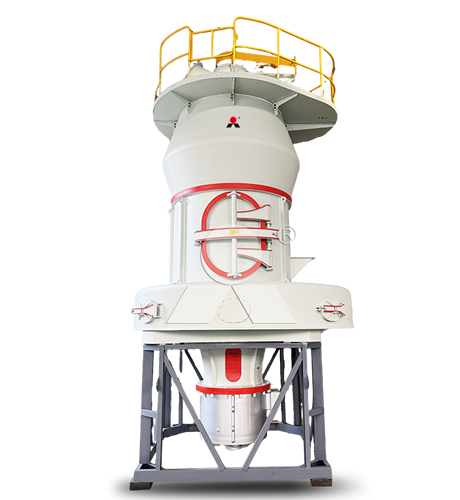
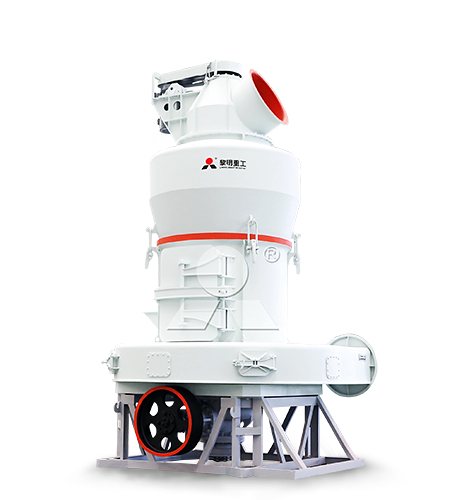
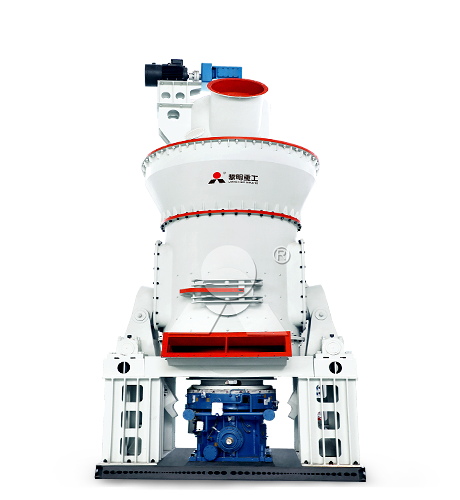
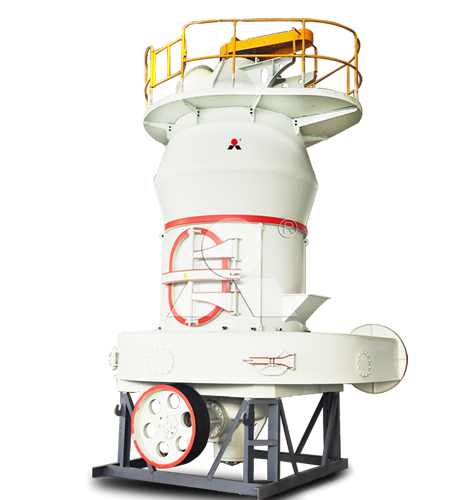
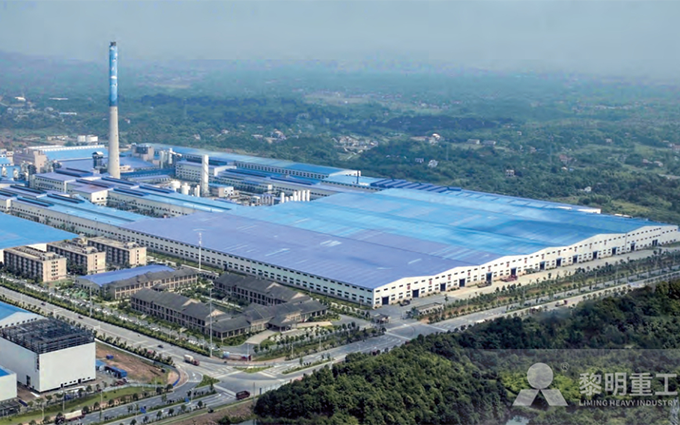
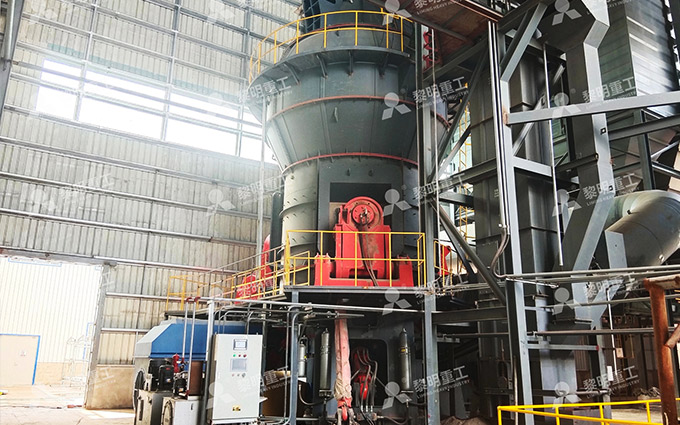
We are Liming Heavy Industry, a manufacturer of various types of industrial crushers, such as Raymond Mill, Trapezoidal Mill, Vertical Mill, Ultrafine Mill, Ball Mill, etc.
Our mills can process the following minerals:
limestone, quicklime, kaolin, talc, barite, bentonite, calcium carbonate, dolomite, coal, gypsum, clay, carbon black, slag, cement raw materials, cement clinker, etc.
If you need a mill to process stone or minerals into powder, please feel free to contact me (WhatsApp: +8615333807511). Thank you.
Precipitated calcium carbonate (PCC) is used as a high-purity, engineered mineral filler, coating pigment, functional additive, opacity agent, and calcium source. Its controlled particle size, crystal shape, whiteness, surface area, and bulk density make it valuable in paper, paint, coatings, plastics, PVC, rubber, adhesives, sealants, pharmaceuticals, food-related products, cosmetics, agriculture, and specialty industrial materials.
PCC is different from ground calcium carbonate (GCC) because it is chemically precipitated rather than mechanically ground from natural rock. This gives producers greater control over particle morphology and performance. In practice, PCC is selected when a formulation needs more than basic filler volume—for example, controlled brightness, opacity, rheology, reinforcement, smoothness, printability, or dispersion. Paper filling is historically the largest application area for PCC, while paper coating, plastics, paints, rubber, adhesives, and pharmaceuticals are also important uses.
PCC Uses at a Glance
| Industry | How PCC Is Used | Typical Performance Goal |
|---|---|---|
| Paper and paperboard | Filler and coating pigment | Improve brightness, opacity, smoothness, printability, bulk, and fiber substitution |
| Paints and coatings | Extender pigment, opacity-supporting filler, rheology modifier | Control whiteness, gloss, film structure, viscosity, and formulation cost |
| Plastics and PVC | Functional filler and reinforcing or processing-supporting additive | Improve stiffness, dimensional stability, surface appearance, and cost efficiency |
| Rubber and elastomers | Filler and property-control additive | Adjust hardness, stiffness, processability, surface finish, and formulation cost |
| Adhesives and sealants | Fine filler, rheology modifier, body-building material | Control viscosity, thixotropy, extrusion, sag resistance, and appearance |
| Printing inks | Extender pigment and rheology-control filler | Support color, gloss, opacity, flow, and print quality |
| Pharmaceuticals | Excipient, filler, calcium source, and antacid ingredient in qualified grades | Support tablet formulation, dosage consistency, and regulated product performance |
| Food and dietary supplements | Calcium source, permitted additive, or processing ingredient in qualified grades | Provide calcium, whiteness, or formulation functionality under applicable regulations |
| Cosmetics and personal care | Absorbent, opacifying filler, texture modifier, or mild abrasive in qualified grades | Control feel, coverage, appearance, and formulation texture |
| Agriculture and environmental use | Soil-acidity management, calcium source, or neutralizing material | Manage pH, provide calcium, or neutralize acidic conditions |
Why PCC Is Used Instead of Ordinary Filler
PCC is selected because its particles are formed during a controlled precipitation reaction. This allows manufacturers to tailor the mineral’s morphology, particle size, crystal form, surface area, bulk density, and surface chemistry more precisely than with mechanically ground natural calcium carbonate.
These controlled properties can create advantages in products where small changes in particle shape or particle-size distribution affect final performance. PCC can be made in rhombohedral, scalenohedral, prismatic, acicular, cubic, or other engineered forms, depending on production conditions.
| PCC Property | Why It Is Useful |
|---|---|
| Controlled particle size | Supports smoothness, opacity, dispersion, rheology, surface finish, and predictable formulation behavior |
| Engineered crystal morphology | Can influence light scattering, packing, reinforcement, bulk density, and viscosity |
| High whiteness | Important for white paper, coatings, PVC, plastic, sealants, and personal-care products |
| High purity potential | Important for optical-quality, chemical, pharmaceutical, food-related, and cosmetic applications |
| Surface-treatment flexibility | Allows PCC to be matched with hydrophobic polymers, rubber, adhesives, and sealants |
| Low bulk-density potential | Can influence formulation volume, packing behavior, storage, and dosing |
PCC in Paper and Paperboard
Paper is one of the most important uses of PCC. PCC is used both as a filler within the paper sheet and as a coating pigment on the paper surface. It can replace part of the more expensive cellulose fiber while helping improve optical and printing properties.
Calcium carbonate fillers and coating pigments are prized in papermaking for whiteness, printability, and cost-effective fiber substitution. Both GCC and PCC are used in paper structures and paper coatings.
PCC as a Paper Filler
When PCC is added to the paper furnish, it becomes distributed among cellulose fibers. The selected particle morphology can help improve brightness, opacity, bulk, and printability. PCC can reduce the amount of pulp fiber needed for a given paper grade, although the paper mill must balance filler loading against strength, retention, drainage, and machine-runability requirements.
Paper filling is widely recognized as the principal use of PCC. A papermaking review notes that PCC has become the most widely used filler for paper and that paper filling is by far its major application.
PCC as a Coating Pigment
In paper coating, PCC is combined with binders, dispersants, and other pigments to form a coating color. It is applied to the paper surface to improve smoothness, whiteness, opacity, ink holdout, printability, and visual appearance.
The correct PCC grade depends on the paper type, coat weight, coating method, printing technology, binder system, desired gloss, ink absorption, and finished-paper specifications.
Typical Paper Applications
Printing and writing paper.
Office and copy paper.
Coated publication paper.
Magazine and catalog paper.
Paperboard and packaging grades.
Specialty paper.
Low-basis-weight paper.
Selected tissue and hygiene papers.
PCC in Paints and Coatings
In paints and coatings, PCC is used as an extender pigment and functional mineral filler. It can affect viscosity, film structure, opacity, whiteness, gloss, rheology, sanding properties, and formulation economics.
Fine PCC particles can support smooth coatings and controlled surface appearance. Some PCC grades are engineered for high light scattering or opacity, helping formulators manage the balance between titanium dioxide, binder, other fillers, and total pigment-volume concentration.
Research on waterborne paints has reported that PCC additions can help reduce titanium dioxide demand while improving film toughness under selected formulation conditions. This does not mean PCC is a direct one-to-one replacement for TiO2; paint performance depends on the full formulation and must be validated in application testing.
Typical Coating Applications
Interior architectural paint.
Exterior paint and protective coatings.
Industrial coatings.
Primers and undercoats.
Wall putty and skim-coat products.
Printing inks.
Powder coatings.
Specialty coatings and pigment concentrates.
PCC should be selected based on particle morphology, particle size, whiteness, oil absorption, surface area, dispersion behavior, binder compatibility, and target gloss or sheen. A grade designed for paper filler use may not be suitable for high-gloss paint or water-based coating applications.
PCC in Plastics and PVC
PCC is used as a functional filler in plastics, particularly PVC, as well as polyethylene, polypropylene, plastisols, and selected engineering polymer systems. It can replace a portion of more expensive polymer while helping control stiffness, dimensional stability, surface appearance, and processing behavior.
Surface-treated PCC is often used in hydrophobic polymer systems. The treatment helps improve compatibility and dispersion between PCC particles and the polymer matrix. Depending on the product design, PCC can function as a cost-reducing filler, a stiffness modifier, a processing aid, or a reinforcing component.
Specialty polymer references describe PCC as a versatile additive in plastics and elastomers, with controlled structure and particle-size distribution enabling functions such as processing aid, impact modification, reinforcement, and weather-resistance support in selected formulations.
Typical Plastic Applications
Rigid PVC pipes and fittings.
PVC profiles, window systems, and building materials.
PVC flooring and vinyl flooring.
Wire and cable insulation or sheathing.
Polyethylene and polypropylene masterbatch.
Plastic film and sheet.
Injection-molded plastic parts.
Automotive and household plastic components.
The correct PCC grade must be matched with resin type, particle surface treatment, filler loading, compound additives, processing temperature, extrusion or molding method, and final mechanical-property requirements. PCC may improve some properties while reducing others if loading becomes too high or dispersion is poor.
PCC in Rubber and Elastomers
PCC is used in rubber compounds as a filler and property-control material. It can influence hardness, stiffness, tensile behavior, elongation, viscosity, mixing time, surface finish, and formulation cost.
Fine or surface-treated PCC may be used in footwear, rubber mats, rubber sheets, hoses, gaskets, cable compounds, automotive components, and molded elastomer products. The effect depends on rubber type, cure system, filler loading, plasticizer, reinforcing fillers, particle size, surface treatment, and mixing quality.
In many rubber formulations, PCC is evaluated alongside other fillers such as carbon black, silica, talc, clay, and GCC. The choice depends on the balance of reinforcement, appearance, processing, cost, and end-use durability.
PCC in Adhesives and Sealants
Adhesive and sealant manufacturers use PCC as a fine filler, body-building material, and rheology-control component. PCC can help adjust viscosity, thixotropy, extrusion behavior, bead shape, sag resistance, surface appearance, and formulation cost.
Surface-treated PCC is particularly useful in hydrophobic formulations, while uncoated PCC may be suitable for selected water-based or polar systems. The filler must be selected according to the resin chemistry, curing mechanism, desired viscosity, storage stability, adhesion requirement, and color target.
Typical Adhesive and Sealant Applications
Silicone sealants.
Acrylic sealants.
PVC sealants.
Construction adhesives.
Caulking compounds.
Tile adhesives and grouts.
Gap fillers and joint-sealing materials.
Pressure-sensitive and specialty adhesive systems.
In sealants, PCC may influence not only cost but also practical handling. A grade with unsuitable particle size, moisture, surface area, or oil absorption can create excessive viscosity, poor extrusion, cracking, settlement, or cure-related problems.
PCC in Printing Inks
PCC can be used in printing inks as an extender pigment and rheology modifier. It may help adjust viscosity, flow, opacity, gloss, color strength, surface texture, and ink-transfer behavior.
Ink applications are sensitive to particle size and coarse-particle control. Oversized particles or agglomerates can affect print quality, cause abrasion, create surface defects, or interfere with printing equipment. Fine PCC grades are selected based on the ink system, printing method, substrate, and required optical properties.
PCC in Pharmaceuticals
Qualified PCC grades can be used in pharmaceutical formulations as an excipient, filler, calcium source, and antacid ingredient. In tablet products, calcium carbonate may contribute to bulk, tablet weight, compression behavior, and dosage-form design.
Pharmaceutical use requires much more than high chemical purity. The product must meet the appropriate pharmacopoeia, impurity limits, heavy-metal limits, microbial standards where applicable, particle-size requirements, manufacturing controls, traceability, and batch documentation.
Industry sources identify PCC as a pharmaceutical tablet excipient that can act as a binder, filler, or disintegrant in qualified formulations. Actual pharmaceutical function depends on the dosage form and formulation design, so manufacturers must validate the selected grade for the intended medicine.
PCC in Food and Dietary Supplements
Selected PCC grades may be used in food and dietary supplements as a calcium source, whitening ingredient, processing aid, or permitted additive, subject to the laws and specifications of the target market.
Only products specifically manufactured and documented for food use should be considered. Industrial PCC is not automatically food grade. Food-grade approval requires verified chemical identity, purity, heavy-metal control, contaminant limits, traceability, and regulatory compliance.
PCC in Cosmetics and Personal Care
In qualified cosmetic and personal-care products, PCC may function as an absorbent, opacifier, texture modifier, bulking agent, or mild abrasive. It can appear in products such as toothpaste, powders, make-up products, personal-care formulations, and selected skin-care or cleansing products.
Cosmetic applications require control of particle size, whiteness, purity, heavy metals, microbiological quality, feel, dispersion, and regulatory compliance. Particle morphology and surface treatment can affect the sensory feel and visual finish of a cosmetic formulation.
PCC in Agriculture and Environmental Applications
PCC can also be used in agriculture and environmental treatment where calcium carbonate is needed for pH management, acid neutralization, or calcium supply. For example, PCC byproducts from certain industrial processes may be used as agricultural lime when they meet applicable quality requirements.
In these applications, chemical reactivity, neutralizing value, particle size, moisture, impurity profile, and local regulations are usually more important than engineered particle morphology. A specialty PCC grade designed for paper or plastics may not be economically justified for bulk agricultural use.
How to Choose PCC for an Application
The best PCC grade depends on the end product. Buyers should avoid choosing only by the name “PCC” or by CaCO3 content. The following properties should be reviewed together.
| Application | Key PCC Selection Factors |
|---|---|
| Paper filler | Crystal morphology, brightness, opacity, retention behavior, particle size, slurry solids, and compatibility with the paper furnish |
| Paper coating | Particle size, shape, rheology, whiteness, gloss, coating color viscosity, and printability |
| Paint and coatings | Whiteness, oil absorption, particle size, morphology, dispersion, rheology, gloss, and binder compatibility |
| PVC and plastics | Surface treatment, particle size, moisture, dispersion, bulk density, resin compatibility, and mechanical-property targets |
| Rubber | Particle size, surface treatment, reinforcement behavior, hardness, compound viscosity, and cure-system compatibility |
| Sealants and adhesives | Particle size, oil absorption, moisture, surface treatment, viscosity, extrusion, sag resistance, and curing compatibility |
| Pharmaceuticals | Pharmacopoeia compliance, particle size, assay, heavy metals, microbial control, batch documentation, and formulation testing |
| Food and supplements | Food-grade compliance, contaminant control, legal status, calcium content, taste or texture impact, and documented quality system |
| Cosmetics | Purity, particle size, sensory feel, whiteness, heavy-metal limits, and cosmetic regulatory compliance |
PCC vs GCC by Application
| Application Area | Why PCC May Be Chosen | Why GCC May Be Chosen |
|---|---|---|
| Paper | Engineered morphology, high brightness, controlled optical performance, on-site slurry production potential | Cost-effective natural filler and coating pigment for many grades |
| Paint | Fine particle control, opacity support, smoothness, high whiteness, specialized rheology | Cost-efficient extender with broad grade availability |
| Plastics | Controlled shape, fine particle size, engineered surface treatment, specialized performance | Lower-cost filler for high-volume compounds and common PVC products |
| Rubber | Fine morphology and surface modification for selected property targets | Economic filler for many general rubber compounds |
| Sealants | Fine particle control and tailored rheology for premium formulations | Cost-effective filler for many conventional sealants and adhesives |
| Regulated products | Can be manufactured under controlled conditions for qualified food, pharmaceutical, and cosmetic grades | Can also be qualified, but natural-source variability may require additional control and documentation |
Frequently Asked Questions
What is the main use of PCC?
The main use of PCC is as a filler and coating pigment in paper and paperboard. It is also widely used in paints, coatings, plastics, PVC, rubber, adhesives, sealants, pharmaceuticals, food-related products, and cosmetics.
Why is PCC used in paper?
PCC can improve paper brightness, opacity, smoothness, printability, and bulk while replacing part of the more expensive fiber content. Its particle shape can be engineered to meet specific paper-making and coating requirements.
Why is PCC used in plastics?
PCC is used as a functional filler in plastics to help control cost and influence stiffness, dimensional stability, surface appearance, and processing behavior. Coated PCC is often selected for improved compatibility with hydrophobic polymers.
Can PCC replace titanium dioxide in paint?
PCC can support opacity and help optimize titanium dioxide use in some paint formulations, but it is not a direct one-to-one replacement. The appropriate ratio depends on particle size, pigment volume concentration, binder, dispersant, gloss target, and performance testing.
Is PCC used in pharmaceuticals?
Yes, qualified PCC can be used in pharmaceutical formulations as an excipient, filler, calcium source, or antacid ingredient. The specific grade must meet applicable pharmacopoeia and regulatory requirements.
Is PCC suitable for food use?
Some PCC grades are suitable for regulated food and dietary-supplement applications, but industrial PCC is not automatically food grade. The product must be specifically qualified and documented for the intended market and use.
Conclusion
PCC is used in many industries because it provides controlled particle size, engineered crystal shape, high purity potential, high whiteness, and specialized functional performance. Its most important application is paper, where it serves as both a filler and coating pigment.
Beyond paper, PCC supports paint, coatings, plastics, PVC, rubber, adhesives, sealants, inks, pharmaceuticals, food-related products, cosmetics, and selected agricultural or environmental uses. The correct PCC grade should always be selected based on the required morphology, particle size, surface treatment, purity, optical performance, process behavior, and regulatory requirements of the final product.