Calcium Carbonate Knowledge Hub
Is Calcite Calcium Carbonate?
2026-09-04 15:57:13
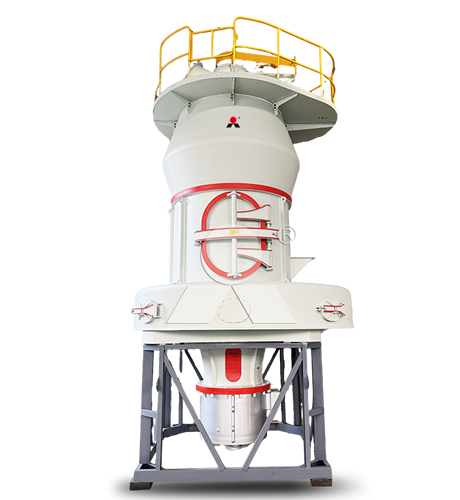
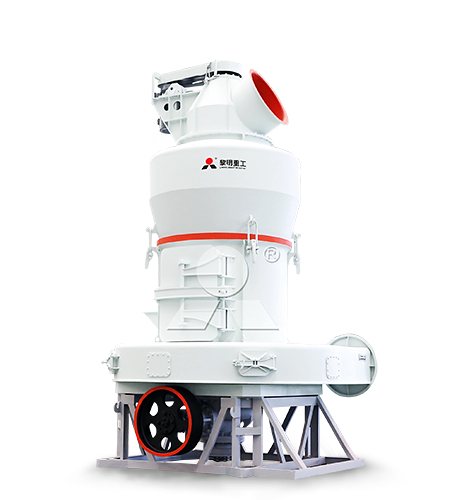
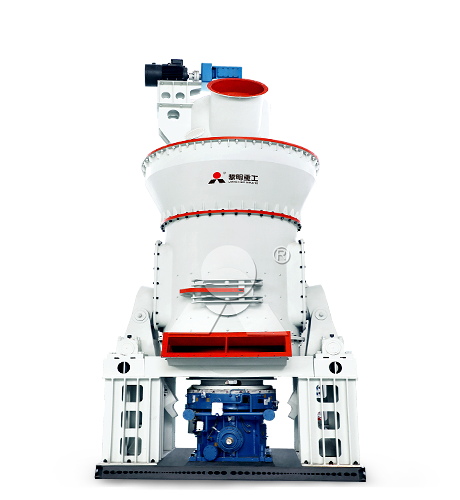
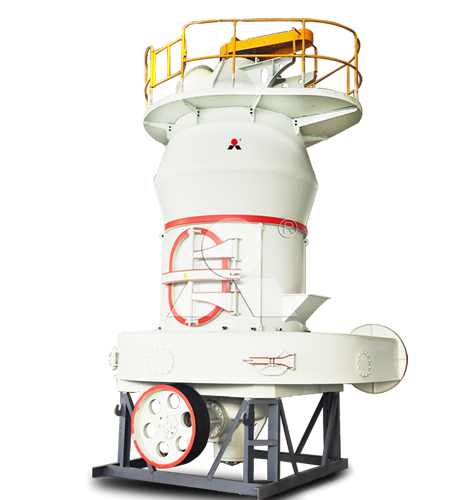
We are Liming Heavy Industry, a manufacturer of various types of industrial crushers, such as Raymond Mill, Trapezoidal Mill, Vertical Mill, Ultrafine Mill, Ball Mill, etc.
Our mills can process the following minerals:
limestone, quicklime, kaolin, talc, barite, bentonite, calcium carbonate, dolomite, coal, gypsum, clay, carbon black, slag, cement raw materials, cement clinker, etc.
If you need a mill to process stone or minerals into powder, please feel free to contact me (WhatsApp: +8615333807511). Thank you.
Yes. Calcite is calcium carbonate. More precisely, calcite is one naturally occurring mineral form of calcium carbonate, with the chemical formula CaCO3. It consists of calcium ions and carbonate ions arranged in a specific crystal structure.
However, the two terms do not mean exactly the same thing. Calcium carbonate is the broader chemical name, while calcite is a specific mineral form—also called a polymorph—of calcium carbonate. Calcite is the most common and stable calcium carbonate mineral under ordinary surface conditions.
Quick Answer
| Question | Answer |
|---|---|
| Is calcite calcium carbonate? | Yes. Calcite has the chemical formula CaCO3. |
| Is all calcium carbonate calcite? | No. Calcium carbonate can also occur as aragonite, vaterite, hydrated forms, or engineered precipitated calcium carbonate. |
| What is the difference? | Calcium carbonate defines the chemical composition; calcite defines one specific mineral crystal structure. |
| Why does it matter industrially? | Calcite is a major natural feedstock for ground calcium carbonate powder used in plastics, paper, paint, rubber, sealants, and construction materials. |
What Is Calcite?
Calcite is a common carbonate mineral composed of calcium and carbonate. Its chemical formula is CaCO3. It occurs naturally in limestone, marble, chalk, sedimentary rocks, hydrothermal veins, caves, and many other geological environments.
The U.S. Geological Survey describes calcite as a mineral composed of calcium and carbonate, and notes that it is used in construction, agriculture, and other industrial applications. In limestone deposits, calcite is often the dominant mineral. USGS also states that limestone consists dominantly of calcite, while dolostone consists dominantly of dolomite.
Pure calcite is usually colorless or white. However, natural calcite can appear gray, yellow, brown, pink, green, blue, or other colors when it contains impurities, inclusions, or trace minerals.
What Is Calcium Carbonate?
Calcium carbonate is an inorganic chemical compound with the formula CaCO3. It is made of calcium, carbon, and oxygen. Calcium carbonate is widespread in nature and is found in rocks, minerals, shells, coral, eggshells, limestone, marble, chalk, and marine sediments.
In industrial markets, “calcium carbonate” often describes a processed product rather than an individual mineral crystal. Commercial calcium carbonate can be supplied as:
Ground calcium carbonate (GCC).
Precipitated calcium carbonate (PCC).
Coated calcium carbonate.
Fine or ultrafine calcium carbonate powder.
Calcium carbonate slurry.
Granular calcium carbonate.
The commercial material may originate from calcite, limestone, marble, chalk, or a controlled chemical precipitation process. Therefore, calcium carbonate is a broader category than calcite.
Why Calcite and Calcium Carbonate Have the Same Formula
Calcite and calcium carbonate have the same formula because calcite is made of calcium carbonate. The difference is not chemical composition; it is crystal structure.
Minerals with the same chemical composition but different atomic arrangements are called polymorphs. Calcium carbonate has several known forms. The three principal anhydrous polymorphs are calcite, aragonite, and vaterite.
| Calcium Carbonate Form | Chemical Formula | General Characteristics |
|---|---|---|
| Calcite | CaCO3 | The most common and generally most stable natural polymorph at normal surface conditions |
| Aragonite | CaCO3 | Common in shells, coral, marine sediments, caves, and some geothermal environments |
| Vaterite | CaCO3 | Less stable and less common; often occurs in biological, laboratory, or transient environments |
Scientific literature identifies calcite, aragonite, and vaterite as the three crystalline polymorphs of calcium carbonate. Calcite is generally the most stable form under atmospheric pressure and temperature, while vaterite is metastable.
All Calcite Is Calcium Carbonate, but Not All Calcium Carbonate Is Calcite
This is the simplest way to understand the relationship:
All calcite is calcium carbonate because calcite has the chemical formula CaCO3.
Not all calcium carbonate is calcite because calcium carbonate can also be aragonite, vaterite, a hydrated carbonate phase, an amorphous calcium carbonate material, or chemically manufactured PCC.
For example, many mollusk shells and coral skeletons contain aragonite rather than calcite. Some calcium carbonate deposits formed under specialized conditions may contain vaterite or mixtures of different crystal forms. Industrial PCC can also be engineered to have selected particle shapes and crystal morphologies.
Calcite in Limestone, Marble, and Chalk
Calcite is important because it is the primary calcium carbonate mineral in many commercial raw materials. High-purity calcite deposits, high-calcium limestone, white marble, and selected chalk deposits can all be used to produce ground calcium carbonate.
Calcite in Limestone
Limestone is a sedimentary rock that commonly consists mainly of calcite. It forms when carbonate sediments, shell fragments, coral remains, carbonate mud, or chemically precipitated calcium carbonate accumulate and become consolidated over geological time.
Some limestone is high-calcium limestone with a high CaCO3 content. Other limestone contains more dolomite, silica, clay, iron-bearing minerals, or organic matter. This variation affects whether the deposit is suitable for cement, aggregate, lime production, agricultural applications, or high-quality calcium carbonate powder.
Calcite in Marble
Marble forms when limestone undergoes heat and pressure and its calcite crystals recrystallize. High-quality white marble can be an excellent source of calcium carbonate because it may have high purity and good whiteness.
For industrial mineral processing, selected marble can be crushed, ground, classified, and optionally coated to produce calcium carbonate grades for paper, plastics, paint, artificial stone, rubber, adhesives, and sealants.
Calcite in Chalk
Chalk is a soft, fine-grained form of limestone made mainly of microscopic calcium carbonate remains from marine organisms. It is commonly calcite-rich and can be used as a natural calcium carbonate source where suitable deposits are available.
Why Calcite Matters for Calcium Carbonate Powder
Calcite is a major industrial mineral because suitable deposits can be processed into high-quality ground calcium carbonate powder. This material is widely used as a filler, extender, pigment-supporting material, and functional additive.
High-quality calcite raw material may offer several advantages:
High CaCO3 content: Supports chemical consistency and low impurity levels.
High whiteness: Important for white PVC, paper, paint, coatings, sealants, artificial stone, and plastic masterbatch.
Relatively low hardness: Calcite is easier to grind than many hard silicate minerals, supporting efficient powder production.
Stable mineralogy: A consistent deposit helps producers maintain repeatable powder quality across production batches.
Broad processing range: Calcite can be processed into coarse powder, fine powder, ultrafine powder, and coated calcium carbonate grades.
However, the word “calcite” alone does not guarantee premium powder quality. Industrial performance depends on the actual raw-material chemistry, whiteness, silica level, iron content, moisture, particle-size distribution, grinding process, and surface treatment.
Calcite vs Precipitated Calcium Carbonate
Natural calcite and precipitated calcium carbonate are both based on CaCO3, but they are produced differently.
| Feature | Natural Calcite / GCC | Precipitated Calcium Carbonate / PCC |
|---|---|---|
| Source | Natural calcite, limestone, marble, or chalk deposits | Chemically manufactured from lime, water, and carbon dioxide |
| Production route | Crushing, grinding, classification, and optional coating | Calcination, hydration, carbonation, filtration, drying, and classification |
| Particle control | Controlled through mineral selection, grinding, and classification | More directly engineered through chemical process conditions |
| Typical role | Cost-effective filler and functional mineral for large-volume applications | Specialized applications requiring controlled particle shape or morphology |
| Common applications | PVC, plastics, rubber, paint, paper, sealants, construction materials | Specialty paper, coatings, technical polymers, pharmaceuticals, and qualified food-related products |
Both materials can be useful, but the selection depends on the required particle properties, product performance, compliance requirements, and formulation cost.
How to Identify Calcite
In geology and mineral testing, calcite can be identified through a combination of physical, chemical, and mineralogical methods. Visual appearance alone is not always enough because many minerals can look white, transparent, or crystalline.
Chemical composition: Calcite has the formula CaCO3.
Acid reaction: Calcite reacts with dilute acid and releases carbon dioxide gas.
Hardness: Calcite has a Mohs hardness of approximately 3.
Cleavage: It commonly shows perfect cleavage in three directions.
Mineralogical testing: X-ray diffraction can identify calcite and distinguish it from dolomite, quartz, aragonite, and other minerals.
Optical properties: Clear calcite can show strong double refraction, also called birefringence.
For industrial raw-material assessment, chemical analysis and mineralogical testing are more reliable than simple visual identification. Producers should evaluate CaCO3 content, MgO, SiO2, Fe2O3, whiteness, moisture, particle-size behavior, and acid-insoluble residue.
Frequently Asked Questions
Is calcite 100% calcium carbonate?
Pure calcite has the chemical composition CaCO3. Natural calcite specimens and calcite-bearing ore, however, may contain impurities, inclusions, or associated minerals. Therefore, a commercial calcite raw material is not always 100% CaCO3.
Is calcium carbonate always calcite?
No. Calcium carbonate can occur as calcite, aragonite, vaterite, hydrated calcium carbonate phases, amorphous calcium carbonate, or engineered precipitated calcium carbonate.
Is calcite used to make calcium carbonate powder?
Yes. High-purity calcite is widely used to manufacture ground calcium carbonate powder. The mineral is crushed, ground, classified, and sometimes surface-treated for use in plastics, PVC, paper, paint, rubber, coatings, adhesives, sealants, and construction products.
Is calcite the same as limestone?
No. Calcite is a mineral. Limestone is a sedimentary rock that commonly consists mainly of calcite, but it can also contain aragonite, dolomite, clay, silica, fossils, iron minerals, and other components.
Why is calcite preferred for high-whiteness calcium carbonate?
High-purity white calcite may provide high CaCO3 content, low iron and silica levels, good whiteness, and favorable grinding behavior. These properties can be valuable in applications such as white PVC, paint, paper, coatings, sealants, and artificial stone.
Conclusion
Yes, calcite is calcium carbonate. Calcite is a naturally occurring mineral with the formula CaCO3, making it one specific form of calcium carbonate.
The key distinction is that calcium carbonate is the broad chemical term, while calcite is a particular crystal structure of that chemical compound. Calcite is the most common and stable natural CaCO3 polymorph and is one of the most important raw materials for producing industrial ground calcium carbonate powder.