Calcium Carbonate Knowledge Hub
Calcium Carbonate vs Calcite: What Is the Difference?
2026-09-04 15:56:38
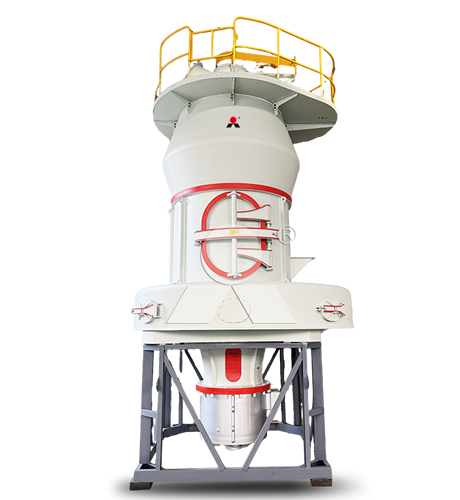
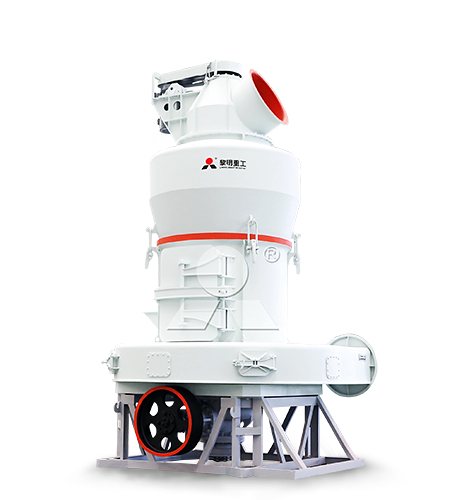
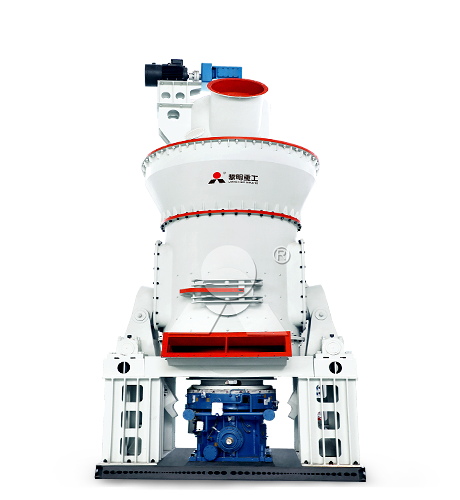
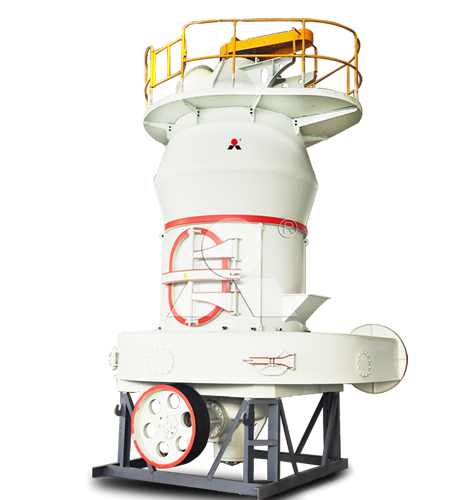
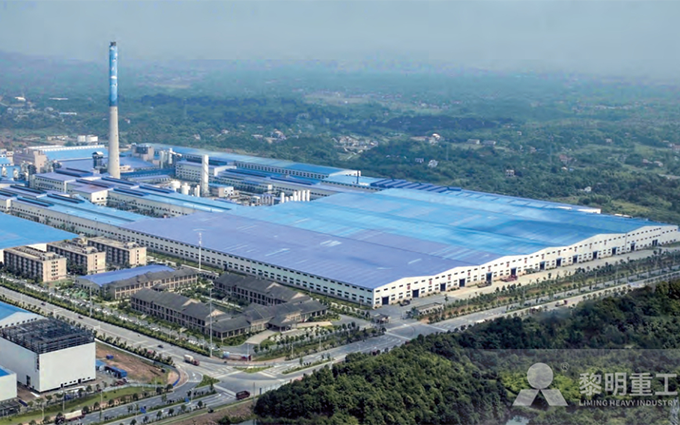
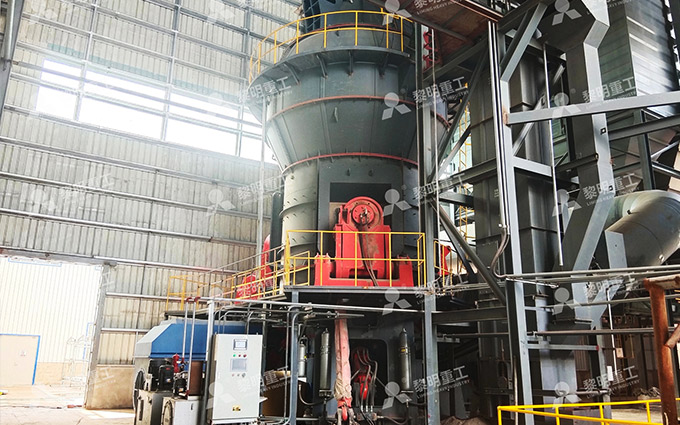
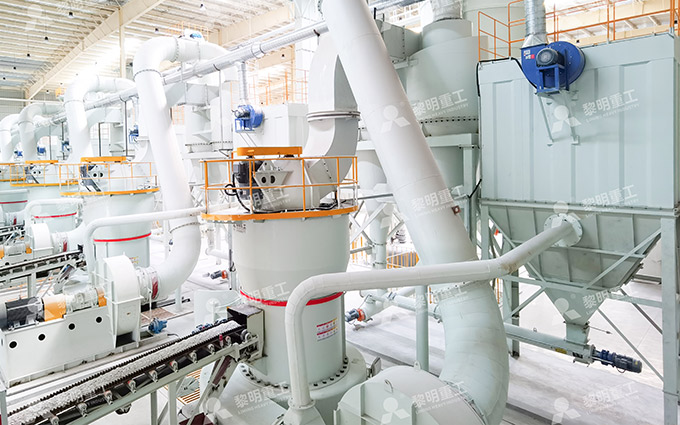
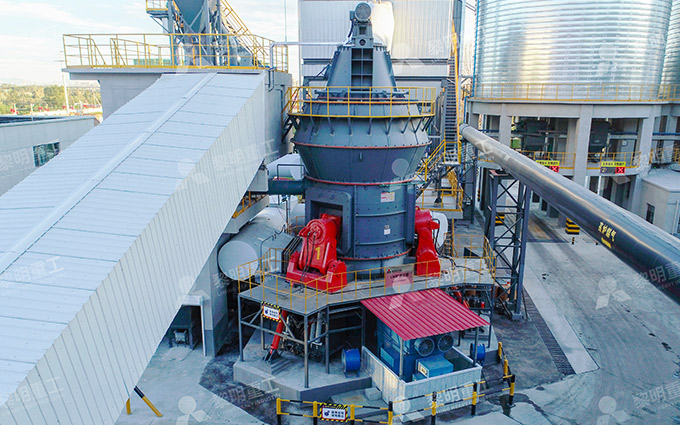
We are Liming Heavy Industry, a manufacturer of various types of industrial crushers, such as Raymond Mill, Trapezoidal Mill, Vertical Mill, Ultrafine Mill, Ball Mill, etc.
Our mills can process the following minerals:
limestone, quicklime, kaolin, talc, barite, bentonite, calcium carbonate, dolomite, coal, gypsum, clay, carbon black, slag, cement raw materials, cement clinker, etc.
If you need a mill to process stone or minerals into powder, please feel free to contact me (WhatsApp: +8615333807511). Thank you.
Calcium carbonate and calcite are closely connected, but they are not identical terms. Calcium carbonate is the chemical compound with the formula CaCO3. Calcite is one naturally occurring mineral form of calcium carbonate.
In simple terms, calcium carbonate describes the chemical composition, while calcite describes a specific crystal structure of that composition. Calcite is the most common and stable form of naturally occurring CaCO3, and it is the principal mineral in many limestone and marble deposits used to produce industrial calcium carbonate powder.
Quick Answer: Calcium Carbonate vs Calcite
| Feature | Calcium Carbonate | Calcite |
|---|---|---|
| What it is | A chemical compound | A naturally occurring mineral |
| Chemical formula | CaCO3 | CaCO3 |
| Meaning | Defines chemical composition | Defines a specific mineral crystal structure |
| Natural occurrence | Occurs in several mineral forms and biological materials | Occurs in limestone, marble, chalk, veins, caves, and sedimentary rocks |
| Other CaCO3 forms | Includes calcite, aragonite, and vaterite | Only one of the calcium carbonate polymorphs |
| Industrial meaning | Often refers to processed GCC, PCC, coated powder, slurry, or filler material | Often refers to a high-purity natural mineral feedstock |
What Is Calcium Carbonate?
Calcium carbonate is an inorganic compound made of calcium, carbon, and oxygen. Its formula is CaCO3. It is one of the most common natural mineral compounds and is found in rocks, sediments, shells, coral, eggshells, limestone, marble, and chalk.
In industry, the term “calcium carbonate” often refers to a commercial material rather than a single crystal mineral. It may be supplied as:
Ground calcium carbonate, or GCC.
Precipitated calcium carbonate, or PCC.
Coated calcium carbonate for polymer and rubber applications.
Fine or ultrafine calcium carbonate powder.
Calcium carbonate slurry for paper or coating applications.
Granular calcium carbonate for agriculture, construction, and chemical uses.
Commercial calcium carbonate products can differ widely in purity, whiteness, particle size, particle-size distribution, density, moisture, surface treatment, and mineral source.
What Is Calcite?
Calcite is a mineral composed of calcium carbonate. It has the formula CaCO3, but unlike the general chemical term “calcium carbonate,” calcite refers specifically to a mineral with a defined crystal structure.
PubChem identifies calcite as a mineral with the formula CaCO3 and lists calcium carbonate as a broader related chemical category. Calcite is common in limestone, marble, chalk, carbonate veins, cave formations, hydrothermal deposits, and sedimentary rocks.
Limestone consists predominantly of calcite, while dolostone consists predominantly of dolomite, a calcium-magnesium carbonate mineral with the formula CaMg(CO3)2. This distinction is important when selecting natural raw materials for calcium carbonate powder production.
Why Do They Have the Same Formula?
Calcium carbonate can exist in more than one crystal structure. These different structures are called polymorphs. Each polymorph has the same chemical formula, CaCO3, but its atoms are arranged differently in the crystal lattice.
The three main calcium carbonate polymorphs are:
Calcite: The most common and thermodynamically stable form under normal surface conditions.
Aragonite: A denser crystal form commonly found in shells, coral, and certain marine, geothermal, or cave environments.
Vaterite: A less common and less stable form that can occur in certain biological, laboratory, or transient natural environments.
Therefore, all calcite is calcium carbonate, but not all calcium carbonate is calcite. Calcium carbonate can also occur as aragonite, vaterite, or chemically precipitated material with different particle morphology.
Calcite Properties
Calcite has several physical properties that make it important in geology and industrial mineral processing. Pure calcite is usually colorless or white, although impurities can create gray, yellow, brown, pink, green, blue, or other colors.
| Calcite Property | Typical Description |
|---|---|
| Chemical formula | CaCO3 |
| Mineral class | Carbonate mineral |
| Crystal system | Trigonal |
| Mohs hardness | Approximately 3 |
| Specific gravity | Approximately 2.71 g/cm3 |
| Cleavage | Perfect cleavage in three directions |
| Common appearance | Colorless, white, translucent, or colored when impurities are present |
Calcite is commonly described as having a Mohs hardness of 3 and a specific gravity of approximately 2.71 g/cm3. It belongs to the trigonal crystal system and has perfect cleavage in three directions.
Calcite vs Aragonite
Calcite and aragonite are both natural calcium carbonate minerals, but they have different crystal structures and physical characteristics. Calcite is the most common form in limestone and marble, while aragonite is common in marine shells, coral, some cave deposits, and certain geothermal environments.
| Feature | Calcite | Aragonite |
|---|---|---|
| Chemical formula | CaCO3 | CaCO3 |
| Crystal structure | Trigonal | Orthorhombic |
| Relative stability | More stable under normal surface conditions | Less stable over long geological periods |
| Common occurrence | Limestone, marble, chalk, veins, caves | Shells, coral, marine sediments, hot springs, caves |
| Industrial relevance | Major raw material for GCC production | Important in marine and biological carbonate systems; less common as bulk GCC feedstock |
Over geological time, aragonite may recrystallize into calcite because calcite is generally more stable under ordinary surface conditions. This is one reason calcite is so common in older limestone and marble formations.
Calcite as a Raw Material for Calcium Carbonate Powder
High-purity calcite is one of the preferred raw materials for producing ground calcium carbonate powder. Industrial mineral processors quarry or source calcite-rich rock, then crush, grind, classify, and optionally coat the powder to meet specific market requirements.
Calcite is attractive for industrial processing because it can offer:
High CaCO3 content: Suitable deposits can provide high chemical purity.
High whiteness: Important for white plastics, PVC, paper, paint, coatings, sealants, and artificial stone.
Relatively low hardness: Calcite’s Mohs hardness of about 3 supports efficient grinding compared with harder silicate minerals.
Good particle-size control: It can be ground and classified into products from coarse filler grades to ultrafine powders.
Broad application range: Processed calcite powder can be used in plastics, rubber, paper, paint, adhesives, sealants, construction materials, and other industries.
However, not every material sold as “calcite” is equally suitable for every application. Raw-material chemistry, whiteness, silica content, iron content, moisture, mineral inclusions, and consistency between quarry benches must all be evaluated.
Calcium Carbonate vs Calcite in Industrial Purchasing
In industrial purchasing, the words “calcium carbonate” and “calcite” may be used differently depending on the supplier and market. Understanding the intended meaning helps avoid specification mistakes.
| Purchase Term | What It May Mean | What Buyers Should Verify |
|---|---|---|
| Calcium carbonate powder | A processed GCC or PCC product | Particle size, purity, whiteness, moisture, coating, bulk density, application suitability |
| Calcite powder | Usually GCC made from calcite-rich natural ore | Actual CaCO3 assay, mineralogy, silica, iron, whiteness, particle-size distribution |
| Natural calcium carbonate | GCC from limestone, marble, chalk, or calcite | Raw-material origin, consistency, impurities, fineness, surface treatment |
| Precipitated calcium carbonate | Engineered CaCO3 made chemically | Crystal morphology, particle shape, particle size, bulk density, regulatory grade where relevant |
A product described as “calcite powder” is often a type of ground calcium carbonate, but buyers should request a technical data sheet and confirm the actual specifications. The name alone does not guarantee purity, whiteness, fineness, coating quality, or suitability for a particular PVC, paint, paper, rubber, or sealant formulation.
Does Calcite Always Produce High-Quality Calcium Carbonate?
No. Calcite is an excellent calcium carbonate mineral, but deposit quality still determines the quality of the finished powder. A calcite deposit may contain quartz, clay, dolomite, iron oxides, mica, or other minerals that affect whiteness, abrasiveness, chemical composition, and processing cost.
For example, a calcite-rich material with high silica content may require more wear-resistant grinding equipment and may not be ideal for high-whiteness paint or plastic applications. A very white calcite with low silica and iron may be more suitable for ultrafine GCC used in premium coatings, PVC cable compounds, masterbatch, paper, and artificial stone.
The best raw-material evaluation should include chemical analysis, mineralogical analysis, whiteness testing, particle-size testing, moisture measurement, and application trials in the actual final formulation.
Frequently Asked Questions
Is calcite the same as calcium carbonate?
Calcite is a form of calcium carbonate, but the two terms are not completely interchangeable. Calcium carbonate is the chemical compound CaCO3; calcite is a specific mineral form with that composition.
Is all calcium carbonate calcite?
No. Calcium carbonate can occur as calcite, aragonite, or vaterite. It can also be manufactured as precipitated calcium carbonate with controlled particle characteristics.
Why is calcite used to make calcium carbonate powder?
High-purity calcite is used because it can provide high CaCO3 content, good whiteness, relatively low hardness, and favorable grinding behavior. These qualities are useful for producing GCC for plastics, paint, paper, rubber, sealants, and construction materials.
What is the difference between calcite powder and calcium carbonate powder?
Calcite powder usually refers to natural ground calcium carbonate produced from calcite-rich ore. Calcium carbonate powder is a broader term that can include calcite-based GCC, limestone-based GCC, marble-based GCC, chalk-based GCC, PCC, and coated grades.
Is calcite better than limestone for calcium carbonate production?
Not always. High-purity calcite and high-calcium limestone can both be excellent raw materials. The better choice depends on purity, whiteness, silica level, iron content, moisture, mineralogy, grinding behavior, cost, and the final application requirements.
Conclusion
Calcium carbonate and calcite share the same chemical formula, CaCO3, but they describe different things. Calcium carbonate is the chemical compound, while calcite is the most common mineral form of that compound.
All calcite is calcium carbonate, but calcium carbonate can also occur as aragonite, vaterite, or engineered precipitated material. In industrial mineral processing, high-purity calcite is an important raw material for producing ground calcium carbonate powder used in plastics, PVC, paper, paint, rubber, adhesives, sealants, and construction products.