Calcium Carbonate Knowledge Hub
Calcium Carbonate vs Limestone: What Is the Difference?
2026-09-04 15:56:06
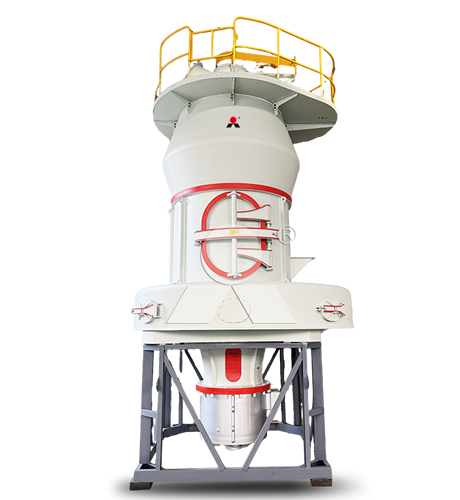
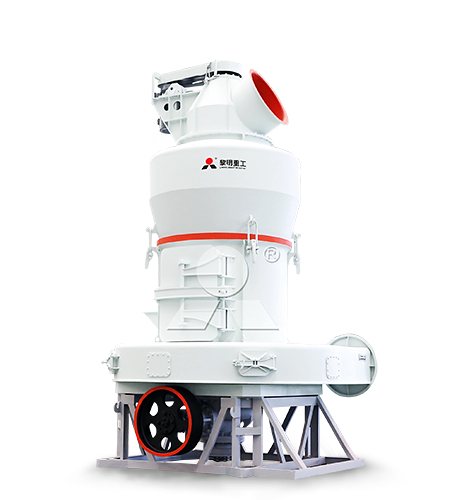
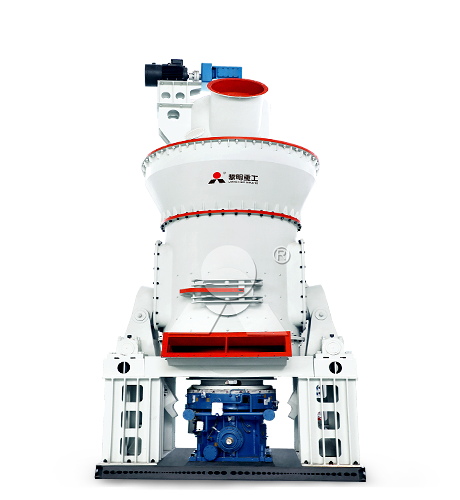
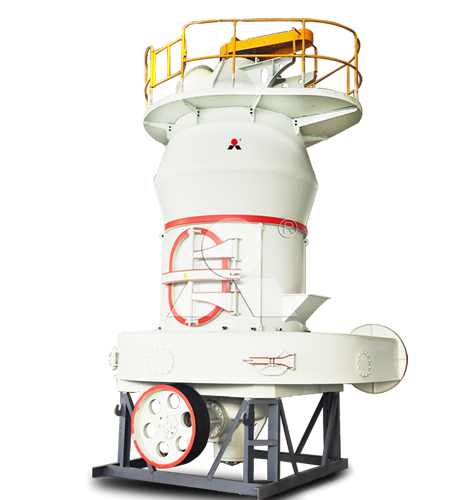
We are Liming Heavy Industry, a manufacturer of various types of industrial crushers, such as Raymond Mill, Trapezoidal Mill, Vertical Mill, Ultrafine Mill, Ball Mill, etc.
Our mills can process the following minerals:
limestone, quicklime, kaolin, talc, barite, bentonite, calcium carbonate, dolomite, coal, gypsum, clay, carbon black, slag, cement raw materials, cement clinker, etc.
If you need a mill to process stone or minerals into powder, please feel free to contact me (WhatsApp: +8615333807511). Thank you.
Calcium carbonate and limestone are closely related, but they are not exactly the same thing. Calcium carbonate is a chemical compound with the formula CaCO3. Limestone is a natural sedimentary rock composed mainly of calcium carbonate minerals, most commonly calcite or aragonite.
In simple terms, calcium carbonate is the chemical material, while limestone is one of the most important natural rocks that contains it. This distinction matters in mining, mineral processing, powder production, plastics, paint, paper, construction, agriculture, and industrial purchasing because limestone quality can vary significantly from one deposit to another.
Quick Answer: Calcium Carbonate vs Limestone
| Feature | Calcium Carbonate | Limestone |
|---|---|---|
| What it is | A chemical compound | A natural sedimentary rock |
| Formula | CaCO3 | Usually dominated by CaCO3, but composition can vary |
| Main mineral forms | Calcite, aragonite, and vaterite | Usually calcite or aragonite; may also contain dolomite and other minerals |
| Purity | Can be highly refined or chemically engineered | Varies by quarry, geological formation, and impurity level |
| Typical form | Powder, granules, slurry, crystals, or precipitated particles | Rock, crushed stone, aggregate, or raw feed material |
| Main industrial role | Filler, extender, pigment-supporting material, chemical raw material | Raw material for calcium carbonate powder, cement, lime, aggregate, and construction products |
What Is Calcium Carbonate?
Calcium carbonate is an inorganic compound made of calcium, carbon, and oxygen. Its chemical formula is CaCO3. It occurs naturally in minerals and rocks and is also manufactured through controlled chemical processes.
Natural calcium carbonate occurs mainly in three mineral forms:
Calcite: The most common and stable form of calcium carbonate, widely found in limestone, marble, and chalk.
Aragonite: A calcium carbonate mineral with a different crystal structure, commonly found in shells, coral, and some marine or geothermal deposits.
Vaterite: A less common and less stable calcium carbonate form.
In industry, calcium carbonate may be supplied as ground calcium carbonate (GCC), precipitated calcium carbonate (PCC), coated calcium carbonate, ultrafine powder, slurry, granules, or other grades designed for a specific application.
What Is Limestone?
Limestone is a sedimentary rock made mainly of calcium carbonate. It commonly contains calcite, aragonite, or both. Depending on the deposit, limestone may also include dolomite, silica, clay, iron-bearing minerals, organic matter, fossils, quartz, and other non-carbonate materials.
Britannica defines limestone as a sedimentary rock composed mainly of calcium carbonate, generally in the form of calcite or aragonite, and notes that it may contain magnesium carbonate and minor constituents such as clay, iron carbonate, feldspar, pyrite, and quartz.
From a geological perspective, limestone is generally defined as a carbonate sedimentary rock containing a substantial proportion of calcite and/or dolomite. The Missouri Department of Natural Resources notes that the geological definition includes sedimentary rock with at least 50% calcite and dolomite, while commercial definitions may require a higher carbonate content.
The Core Difference: Compound vs. Rock
The most important difference is that calcium carbonate is a defined chemical compound, whereas limestone is a naturally occurring rock.
Pure calcium carbonate has the formula CaCO3. In contrast, limestone is not always chemically pure. A limestone deposit can contain high levels of calcium carbonate, but its exact composition depends on its geological history and mineral impurities.
For example, a high-calcium limestone may contain a very high proportion of CaCO3 and be suitable for white calcium carbonate powder. Another limestone may contain more silica, clay, dolomite, iron, or organic material and be better suited for cement, aggregate, agricultural lime, or other lower-purity applications.
How Limestone Becomes Calcium Carbonate Powder
Limestone is one of the primary raw materials used to produce ground calcium carbonate. The rock is quarried, tested, crushed, ground, classified, and sometimes surface-treated to create calcium carbonate powder for industrial use.
A simplified production route is:
A suitable limestone deposit is identified through geological exploration and laboratory testing.
The limestone is quarried and transported to a processing plant.
Large rock is crushed into smaller feed material.
The material is ground to the required particle size.
Air classifiers separate particles according to the target fineness.
The powder may be coated for plastic, rubber, adhesive, or sealant applications.
The finished calcium carbonate is packed in bags, loaded into bulk tankers, or supplied as slurry.
The result is usually called ground calcium carbonate, or GCC. GCC is not created by changing the chemical formula of the limestone. Instead, it is produced by selecting suitable calcium carbonate rock and mechanically processing it into a controlled powder grade.
Does All Limestone Contain Calcium Carbonate?
Most limestone contains a significant amount of calcium carbonate, but the amount is not identical in every deposit. Some limestone is high-calcium limestone, meaning it is predominantly composed of CaCO3. Other limestone is dolomitic, meaning it contains a substantial amount of dolomite, a calcium-magnesium carbonate mineral with the formula CaMg(CO3)2.
Calcite is chemically calcium carbonate, while dolomite is chemically calcium-magnesium carbonate. Both minerals can occur in limestone, but they behave differently in chemical analysis, calcination, grinding, and end-use applications.
This is why an industrial buyer should not assume that all limestone can be used interchangeably for calcium carbonate powder production. The raw material must be tested against the requirements of the target product.
Calcium Carbonate, Limestone, and Dolomite
Calcium carbonate, limestone, and dolomite are often discussed together because they are all related to carbonate minerals. However, they should be distinguished carefully.
| Material | Category | Main Chemical Formula | Key Industrial Point |
|---|---|---|---|
| Calcium carbonate | Chemical compound | CaCO3 | Used as a mineral filler, chemical material, and processed powder |
| Calcite | Mineral | CaCO3 | The most common mineral form of calcium carbonate |
| Limestone | Sedimentary rock | Mainly CaCO3, but variable | Major raw material for GCC, cement, lime, aggregate, and construction products |
| Dolomite | Mineral | CaMg(CO3)2 | Contains magnesium and is not the same as pure calcium carbonate |
| Dolomitic limestone | Carbonate rock | Contains both calcite and dolomite | May be suitable for specific applications but differs from high-calcium limestone |
Why Limestone Composition Matters
The chemical and mineralogical composition of limestone determines what it can be used for. A quarry may produce material suitable for one market but unsuitable for another.
High-Calcium Limestone
High-calcium limestone contains a high proportion of calcium carbonate and relatively low levels of magnesium, silica, iron, clay, and other impurities. It may be suitable for high-quality GCC, lime production, selected chemical uses, paper fillers, paint extenders, PVC applications, and white construction materials.
Dolomitic Limestone
Dolomitic limestone contains more magnesium because it includes dolomite. It can be valuable for many industrial and construction uses, but it may not meet the same specification as high-purity calcium carbonate for applications requiring very high CaCO3 content or low MgO content.
Impure or Low-Grade Limestone
Limestone with higher levels of silica, clay, iron, or other impurities may still be commercially valuable. It may be used in cement manufacture, road aggregate, concrete, soil conditioning, flue-gas treatment, or other applications where ultra-high whiteness and high CaCO3 purity are not required.
Physical Differences Between Calcium Carbonate Powder and Limestone
Calcium carbonate powder and limestone rock can have very different physical forms, even when they originate from the same mineral deposit.
| Property | Processed Calcium Carbonate Powder | Raw Limestone Rock |
|---|---|---|
| Particle size | Controlled from coarse powder to ultrafine micron grades | Natural rock size or crushed aggregate size |
| Consistency | Can be classified to meet defined particle-size specifications | Varies naturally and requires crushing, screening, or grinding |
| Purity control | Can be selected, blended, and quality controlled for target grades | Depends on local geology and quarry management |
| Surface treatment | May be coated for polymer and rubber applications | Usually untreated raw material |
| End use | Fillers, coatings, paper, plastics, rubber, sealants, specialty materials | Cement, lime, aggregate, raw material for powder processing, construction |
Calcium Carbonate vs Limestone in Industrial Applications
Plastics, PVC, and Rubber
Plastic and rubber manufacturers generally use processed calcium carbonate powder rather than raw limestone. The powder must meet particle-size, moisture, whiteness, purity, and dispersion requirements. In many polymer applications, coated calcium carbonate is preferred to improve compatibility with the resin or rubber compound.
Paper, Paint, and Coatings
Paper and coating applications usually require finely controlled calcium carbonate grades. Whiteness, brightness, particle-size distribution, oil absorption, and purity are important. Raw limestone cannot be used directly in these formulations without processing into a suitable GCC or PCC grade.
Cement, Concrete, and Aggregate
Limestone is used directly as a major raw material for cement manufacture and as crushed aggregate for concrete, asphalt, and road construction. In these applications, the rock form and bulk availability of limestone are often more important than ultrafine powder characteristics.
Agriculture and Environmental Treatment
Limestone and calcium carbonate powders can both be used for agricultural and environmental applications. Coarser limestone may be used as agricultural lime or aggregate, while finer calcium carbonate powders may be chosen where higher reactivity, improved distribution, or controlled particle size is needed.
How to Tell Calcium Carbonate and Limestone Apart
In laboratory or industrial documentation, the distinction is usually made through chemical analysis, mineralogical testing, and product specification rather than visual inspection alone.
Check the product description: “Calcium carbonate” normally refers to the chemical compound or a processed material; “limestone” usually refers to natural rock or a quarry-derived feedstock.
Review the chemical analysis: Look for CaCO3 content, MgO, SiO2, Fe2O3, acid-insoluble residue, and loss on ignition.
Review mineralogy: X-ray diffraction or other mineralogical methods can identify calcite, dolomite, quartz, clay minerals, and other components.
Evaluate physical form: Limestone is typically rock, crushed stone, or aggregate; calcium carbonate for industrial filler use is commonly a controlled powder, slurry, or coated powder.
Match the grade to the application: A high-purity ultrafine GCC grade may be required for premium PVC or paint, while crushed limestone may be appropriate for cement, aggregate, or soil treatment.
Frequently Asked Questions
Is limestone the same as calcium carbonate?
No. Limestone is a natural rock composed mainly of calcium carbonate minerals. Calcium carbonate is the chemical compound CaCO3. Limestone may contain impurities and other minerals, so it is not always pure calcium carbonate.
Can limestone be used to make calcium carbonate powder?
Yes. High-calcium limestone is one of the main raw materials used to produce ground calcium carbonate powder. It is crushed, ground, classified, and sometimes coated to create grades for plastics, paper, paint, rubber, sealants, and construction materials.
Is all limestone CaCO3?
Most limestone contains a high proportion of calcium carbonate, but its exact composition varies. Some limestone contains dolomite, silica, clay, iron-bearing minerals, organic matter, and other impurities.
What is better for calcium carbonate powder: limestone or calcite?
Neither is automatically better. High-purity calcite and high-calcium limestone can both be excellent raw materials. The best choice depends on CaCO3 content, whiteness, silica level, iron content, moisture, mineralogy, grinding behavior, and the requirements of the final application.
Why is limestone used in cement while calcium carbonate is used in plastics?
Limestone is suitable for cement because it is available in large volumes and provides calcium-bearing raw material for clinker production. Plastics typically require processed calcium carbonate powder with controlled particle size, purity, moisture, and surface treatment, which raw limestone does not provide directly.
Conclusion
Calcium carbonate and limestone are related but different materials. Calcium carbonate is the chemical compound CaCO3, while limestone is a naturally occurring sedimentary rock made mainly of calcium carbonate minerals such as calcite and aragonite.
Limestone is one of the primary sources used to produce ground calcium carbonate powder. However, each limestone deposit has its own purity, whiteness, mineralogy, and impurity profile. Understanding this difference helps manufacturers choose the right raw material and processing route for applications ranging from cement and aggregate to high-quality PVC, paper, paint, rubber, and sealant products.