Calcium Carbonate Knowledge Hub
What Is Ultrafine GCC?
2026-09-04 16:07:12
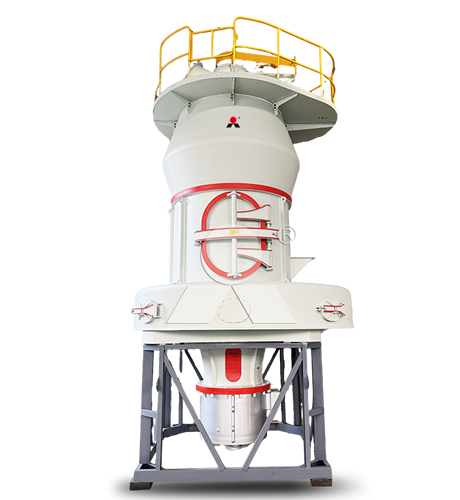
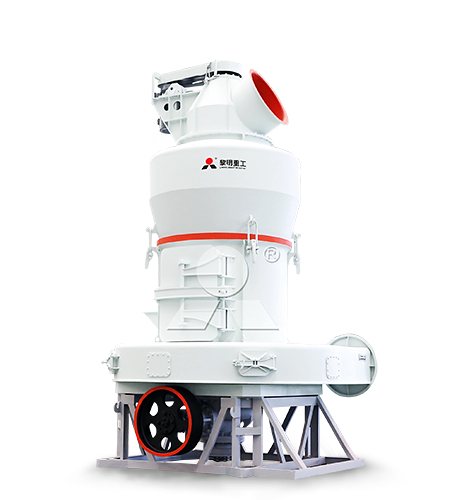
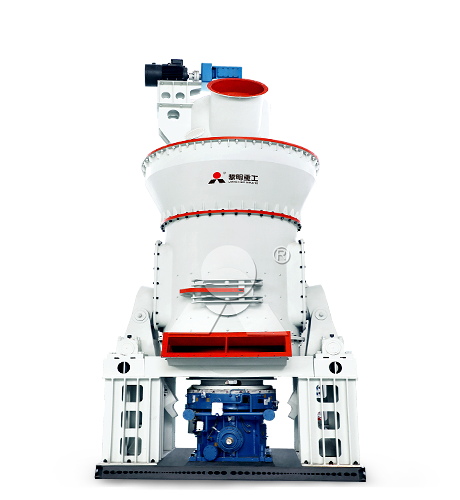
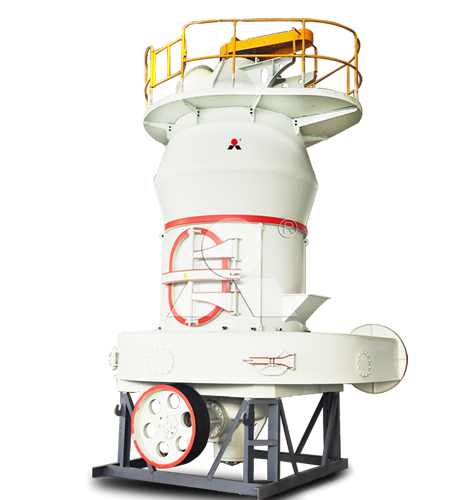
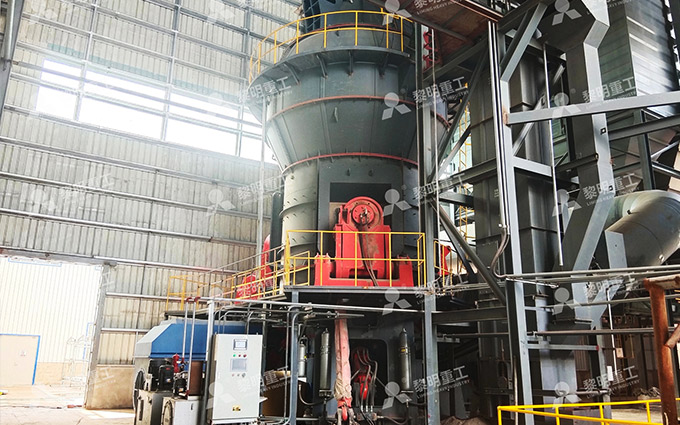
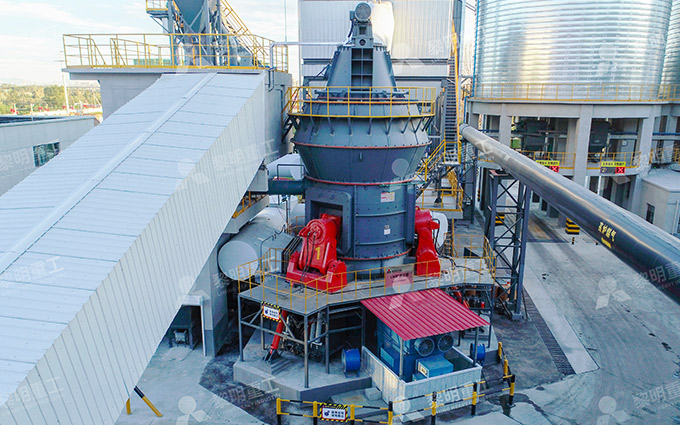
We are Liming Heavy Industry, a manufacturer of various types of industrial crushers, such as Raymond Mill, Trapezoidal Mill, Vertical Mill, Ultrafine Mill, Ball Mill, etc.
Our mills can process the following minerals:
limestone, quicklime, kaolin, talc, barite, bentonite, calcium carbonate, dolomite, coal, gypsum, clay, carbon black, slag, cement raw materials, cement clinker, etc.
If you need a mill to process stone or minerals into powder, please feel free to contact me (WhatsApp: +8615333807511). Thank you.
Ultrafine GCC is an exceptionally fine grade of ground calcium carbonate. GCC stands for ground calcium carbonate, a natural mineral powder made by mechanically grinding and classifying high-quality limestone, calcite, marble, or chalk. Ultrafine GCC is produced with a much smaller particle size and tighter particle-size distribution than standard calcium carbonate filler grades.
It is widely used in plastics, PVC, masterbatch, paint, coatings, paper, rubber, adhesives, sealants, artificial stone, and other products where powder fineness strongly affects surface quality, dispersion, viscosity, gloss, stiffness, opacity, and processing performance. In commercial practice, “ultrafine” has no single universal size definition; buyers should specify the actual particle-size distribution, such as D50, D90, D97, laser-diffraction method, and residue limit. Calcium carbonate powders below 10 μm are commonly used in premium coatings, plastics, paper, sealants, and advanced composites.
Ultrafine GCC at a Glance
| Item | Description |
|---|---|
| Full name | Ultrafine ground calcium carbonate |
| Abbreviation | Ultrafine GCC |
| Main chemical formula | CaCO3 |
| Raw materials | High-calcium limestone, calcite, marble, chalk, or other suitable natural carbonate minerals |
| Production method | Fine or ultrafine grinding, closed-circuit classification, and optional surface treatment |
| Particle-size description | Usually expressed by D50, D90, D97, microns, specific surface area, and residue—not only mesh |
| Common commercial form | Uncoated dry powder, coated dry powder, or wet-ground slurry |
| Main applications | PVC, plastics, masterbatch, paint, coatings, paper, rubber, sealants, adhesives, and engineered materials |
What Does “Ultrafine” Mean in GCC?
Ultrafine GCC refers to calcium carbonate powder with a particle size substantially smaller than standard coarse or medium filler grades. However, the word “ultrafine” is a commercial and technical description, not a single worldwide standard.
One supplier may call a 5 μm calcium carbonate product ultrafine, while another may use the term for products with D97 below 10 μm, D50 below 2 μm, or even submicron grades. Therefore, a buyer should never specify ultrafine GCC only by name.
A complete ultrafine GCC specification should include:
D10: Particle diameter below which 10% of the sample volume lies.
D50: Median particle diameter; 50% of the sample volume is finer than this value.
D90 or D97: Fine-cut control; 90% or 97% of the sample volume is below this diameter.
Residue: The percentage retained on a specified sieve or screen.
Specific surface area: A useful indicator for very fine powders.
Test method: Usually laser diffraction, sedimentation, sieving, or another agreed method.
Particle-size distribution is more important than a single mesh number because GCC does not consist of particles all having exactly the same size. It contains a distribution of fine, medium, and coarse particles.
Ultrafine GCC vs Standard GCC
| Feature | Standard GCC | Ultrafine GCC |
|---|---|---|
| Particle size | Often coarser and suitable for general fillers or construction products | Smaller particles with tighter control of D50, D90, D97, and residue |
| Surface area | Lower specific surface area | Higher specific surface area because of finer particles |
| Grinding requirement | Moderate grinding and classification demand | Requires more advanced grinding, classification, and process control |
| Dispersion requirement | Generally easier to handle in low-demand applications | More sensitive to agglomeration and may require better dispersion control |
| Typical uses | Wall putty, dry mortar, general rubber, basic plastic fillers, construction products | High-quality PVC, masterbatch, films, coatings, paper, sealants, fine rubber products |
| Cost position | Usually lower processing cost | Usually higher due to grinding energy, classifier precision, and quality control |
Ultrafine GCC does not automatically replace standard GCC. The right product depends on the application. A dry-mix mortar producer may not need the fineness required by a high-gloss coating or thin plastic film. Choosing a finer powder than necessary can increase cost, binder demand, viscosity, or processing difficulty without delivering a meaningful performance benefit.
How Is Ultrafine GCC Produced?
Ultrafine GCC is made through a controlled mechanical process. The starting material is typically high-purity limestone, calcite, marble, or chalk. The mineral is selected, crushed, ground, classified, and sometimes surface-treated.
A typical dry ultrafine GCC process is:
High-purity carbonate rock → crushing → drying when necessary → ultrafine grinding → dynamic air classification → fine-powder collection → optional coating → finished-product storage and packaging
1. Raw-Material Selection
Ultrafine production begins with suitable feed material. Fine grinding cannot fully correct poor raw-material quality, so the mineral should be evaluated for CaCO3 content, whiteness, silica, iron, magnesium, moisture, mineralogy, and grindability.
High-purity calcite, white marble, and selected high-calcium limestone are commonly preferred for premium ultrafine GCC. Low silica is especially important because silica-bearing impurities can increase abrasion and reduce the optical quality of the final powder.
2. Crushing and Feed Preparation
Large quarry rock is reduced by primary and secondary crushing. Screens and feed silos help provide a stable particle size to the fine-grinding system. Consistent mill feed is essential because large variation in feed size or moisture can reduce grinding efficiency and make particle-size control more difficult.
3. Ultrafine Grinding
The grinding stage reduces the crushed material to the required fine particle size. Common equipment choices include ball mills with air classifiers, vertical roller mills, ring roller mills, ultrafine roller mills, impact mills, and wet stirred-media mills.
The mill selection depends on required capacity, feed size, target D50 and D97, energy use, wear rate, raw-material hardness, moisture, product whiteness, and whether the product will be coated.
4. Air Classification
Air classification is critical in ultrafine GCC production. The classifier separates the finest particles from coarse particles and returns oversized material to the mill for further grinding.
Dynamic air classifiers allow producers to control the upper particle-size limit, often described by D90 or D97. This is essential because a small amount of oversized material can affect paint smoothness, coating gloss, paper surface quality, plastic-film appearance, extrusion stability, and sealant texture.
5. Optional Surface Coating
For PVC, plastics, rubber, adhesives, and sealants, ultrafine GCC is often surface-treated. Stearic acid is a widely used coating agent. The treatment helps improve compatibility between hydrophilic calcium carbonate particles and hydrophobic polymer systems.
Coated ultrafine GCC can improve powder dispersion, reduce agglomeration, support more stable feeding, and help improve compound consistency. Coating quality depends on powder fineness, moisture, temperature, coating dosage, mixing intensity, and the resin system used by the customer.
Why Particle Size Matters
Particle size is the defining feature of ultrafine GCC. As calcium carbonate particles become smaller, their total surface area increases. This can improve some properties but also creates new formulation and processing requirements.
| Effect of Finer GCC | Potential Benefit | Potential Trade-Off |
|---|---|---|
| Higher surface area | Can improve interaction with binders, resins, and other formulation components | Can increase binder demand, oil absorption, and viscosity |
| Lower coarse-particle content | Can improve smoothness, gloss, and surface appearance | Requires precise classification and tighter quality control |
| Better potential dispersion | Can support uniform filler distribution in a properly designed formulation | Fine powder may agglomerate if moisture, coating, or mixing is poorly controlled |
| More uniform particle size | Can improve product consistency and reduce surface defects | May increase grinding energy and production cost |
| Higher reactivity in acidic systems | Useful in selected chemical or neutralization applications | May be unsuitable for acid-sensitive formulations |
Finer GCC can enhance dispersion and surface activity compared with regular grades, which is why it is commonly used in plastics and coatings where product texture and appearance are important. However, this benefit depends on good formulation design. Fine powder that is poorly dispersed can create agglomerates, surface defects, inconsistent color, and processing instability.
Ultrafine GCC for Plastics and PVC
Ultrafine GCC is widely used in plastic and PVC formulations. It can serve as a functional filler that reduces formulation cost while contributing to stiffness, dimensional stability, surface finish, and processing behavior.
Fine coated GCC is especially relevant for hydrophobic polymer systems. Surface coating can improve compatibility between calcium carbonate and PVC, polyethylene, polypropylene, rubber, or other polymer matrices.
Typical Plastic Applications
PVC pipes and fittings.
PVC window and door profiles.
SPC and vinyl flooring.
Wire and cable insulation or sheathing.
Polyethylene and polypropylene masterbatch.
Plastic film and sheet.
Woven bags and raffia products.
Injection-molded products.
Household and automotive plastic components.
In plastics, ultrafine GCC should be selected using actual compounding trials. The correct grade depends on resin type, filler loading, processing temperature, screw configuration, lubricant system, impact-modifier package, pigment level, mechanical requirements, and surface-quality expectations.
Ultrafine GCC for Paints and Coatings
Paint and coating applications often benefit from fine calcium carbonate because particle size affects smoothness, sheen, gloss, rheology, film structure, sanding properties, and visual appearance.
Ultrafine GCC may be used in interior and exterior architectural paints, industrial coatings, primers, putty, undercoats, printing inks, powder coatings, and specialty coating systems. The appropriate grade depends on the required pigment volume concentration, binder type, titanium dioxide level, thickener system, dispersant, solvent or water phase, and targeted gloss level.
Using a finer calcium carbonate does not always improve every coating. Very fine powder can increase oil absorption and viscosity, potentially requiring more binder, dispersant, or formulation adjustment. The selected grade must balance optical performance, flow, cost, scrub resistance, gloss, and processability.
Ultrafine GCC for Paper
Fine GCC is used as a filler and coating pigment in paper and paperboard. It can contribute to brightness, opacity, smoothness, printability, and surface properties. For paper coating, very fine wet-ground GCC slurry is commonly used because it can provide controlled particle-size distribution and rheological behavior.
Ground calcium carbonate grains can range from coarse agricultural grades to very fine products around 2 μm used in paper coatings. The paper industry evaluates more than particle size: whiteness, brightness, slurry solids, viscosity, dispersant performance, particle shape, abrasion, and compatibility with the coating formulation are also important.
Ultrafine GCC for Rubber
Ultrafine GCC can be used in rubber compounds when a finer filler is required for surface quality, color consistency, processing behavior, or physical-property control. Applications can include footwear, rubber mats, gaskets, cable compounds, rubber sheets, hoses, and molded products.
The final performance depends on the rubber type, filler loading, curing system, plasticizer, carbon black or other fillers, particle size, surface treatment, and dispersion quality. Fine calcium carbonate can contribute to a smoother appearance, but it should be evaluated against compound viscosity, mixing time, hardness, tensile properties, and cost.
Ultrafine GCC for Adhesives and Sealants
Fine and ultrafine calcium carbonate is widely used in silicone sealants, acrylic sealants, PVC sealants, construction adhesives, caulking compounds, and filler-rich polymer formulations.
The powder can influence viscosity, thixotropy, extrusion behavior, sag resistance, bead appearance, surface smoothness, mechanical properties, and formulation cost. For hydrophobic systems, coated ultrafine GCC may be preferred to improve polymer compatibility and reduce moisture sensitivity.
Sealant and adhesive producers should evaluate moisture, oil absorption, surface treatment, particle-size distribution, bulk density, and storage stability. A powder that is too fine or has excessive surface area can increase viscosity beyond the target process window.
Ultrafine GCC vs Nano Calcium Carbonate
Ultrafine GCC and nano calcium carbonate are not the same material category. Both are fine calcium carbonate products, but their particle size, production method, surface area, cost, and performance targets are different.
| Feature | Ultrafine GCC | Nano Calcium Carbonate |
|---|---|---|
| Typical origin | Naturally sourced calcium carbonate mechanically ground and classified | Often chemically precipitated or specially engineered at nanoscale dimensions |
| Particle-size range | Usually discussed in micron-scale specifications, though commercial definitions vary | Generally discussed in nanometer-scale specifications |
| Production complexity | Advanced grinding and classification | Higher control of nucleation, growth, surface treatment, and agglomeration |
| Surface area | Higher than standard GCC | Usually much higher because particles are smaller |
| Cost position | Higher than standard GCC but often suitable for high-volume filler use | Usually higher due to specialized production and handling requirements |
| Typical purpose | Improve performance and surface quality in bulk industrial formulations | Provide specialized reinforcement, rheology, barrier, or surface effects in selected applications |
Some sources use “ultrafine calcium carbonate” for submicron or even nanoscale material, which creates confusion. Therefore, buyers should always request the measured particle-size distribution, test method, morphology, surface area, and whether the material is GCC or PCC.
How to Specify Ultrafine GCC
A purchasing specification should describe measurable performance requirements instead of relying only on terms such as “ultrafine,” “superfine,” “micronized,” or “nano.”
| Specification Item | Why It Should Be Defined |
|---|---|
| CaCO3 content | Confirms mineral purity and non-carbonate content. |
| Particle-size distribution | Define D10, D50, D90/D97, maximum particle size, and the test method. |
| Whiteness and color | Specify whiteness or brightness method, plus CIE Lab* values if visual appearance matters. |
| Moisture | Important for polymer compounding, powder flow, storage, and coating quality. |
| Surface treatment | Define coating type, coating level, and application compatibility for coated grades. |
| Oil absorption | Important for paint, ink, rubber, sealant, and adhesive formulations. |
| Bulk density | Affects packaging, silo volume, conveying, volumetric dosing, and logistics. |
| Impurity profile | Define SiO2, Fe2O3, MgO, acid-insoluble residue, and other critical limits. |
| Application trial | Confirms actual performance in the customer’s resin, coating, rubber, paper, adhesive, or sealant system. |
Common Ultrafine GCC Production Challenges
Particle Agglomeration
As particle size becomes smaller, powders tend to agglomerate more easily. Moisture, static charge, inadequate coating, poor dispersion, or storage pressure can create soft or hard agglomerates. These may affect feeding, mixing, surface finish, and final-product consistency.
High Energy Consumption
Finer grinding requires more energy. A plant must optimize mill selection, classifier efficiency, circulation load, grinding media, airflow, feed size, and operating conditions to produce ultrafine GCC economically.
Equipment Wear
Although calcite is relatively soft, silica and other hard impurities can accelerate wear in mills, classifiers, ducts, cyclones, and conveying systems. Raw-material testing and wear-resistant design are important for stable long-term operation.
Unstable Particle-Size Distribution
Changes in feed moisture, feed size, mineral hardness, mill condition, classifier speed, airflow, or system pressure can shift the particle-size distribution. Continuous monitoring and regular laboratory testing are essential.
Dust Control and Product Recovery
Ultrafine GCC can become airborne easily. Proper cyclones, bag filters, sealed conveying equipment, pressure balance, housekeeping, and operator protection are necessary to improve recovery and maintain a clean production environment.
Frequently Asked Questions
What is ultrafine GCC?
Ultrafine GCC is a very fine grade of ground calcium carbonate made by mechanically grinding and classifying natural limestone, calcite, marble, or chalk. It has a smaller and more tightly controlled particle-size distribution than standard GCC.
What particle size is ultrafine GCC?
There is no single universal size definition. Ultrafine GCC is commonly specified using D50, D90, D97, residue, and surface area. Many premium industrial calcium carbonate grades have particles below 10 μm, but buyers should define exact measured limits rather than rely only on the word “ultrafine.”
Is ultrafine GCC the same as nano calcium carbonate?
No. Ultrafine GCC is generally a micron-scale natural calcium carbonate powder produced by grinding and classification. Nano calcium carbonate is usually defined at nanometer scale and often requires more specialized or chemically controlled production.
Why is ultrafine GCC coated?
Ultrafine GCC is coated to improve compatibility and dispersion in hydrophobic polymers, rubber, adhesives, and sealants. Stearic acid is commonly used for coated GCC grades.
What is ultrafine GCC used for?
Ultrafine GCC is used in PVC, plastics, masterbatch, paint, coatings, paper, rubber, adhesives, sealants, artificial stone, and other products requiring controlled particle size and good surface quality.
Is finer GCC always better?
No. Finer GCC can improve smoothness, dispersion, and surface performance, but it can also increase viscosity, oil absorption, binder demand, energy cost, and agglomeration risk. The best grade is the one that meets the final product’s requirements at the lowest practical total cost.
Conclusion
Ultrafine GCC is a high-value form of ground calcium carbonate produced from natural carbonate minerals through precise grinding, classification, and, when required, surface treatment. Its defining feature is a fine and tightly controlled particle-size distribution.
Ultrafine GCC can improve surface quality, filler dispersion, optical performance, and formulation control in plastics, PVC, masterbatch, paint, coatings, paper, rubber, adhesives, and sealants. However, its value depends on matching particle size, purity, whiteness, moisture, surface treatment, and bulk-density characteristics to the real requirements of the final application.