Calcium Carbonate Knowledge Hub
Where Does Calcium Carbonate Come From?
2026-09-04 15:54:47
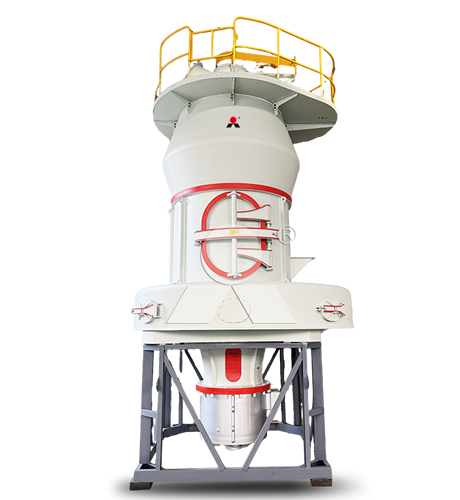
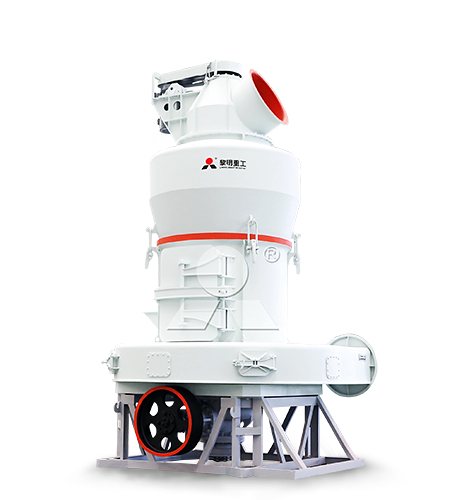
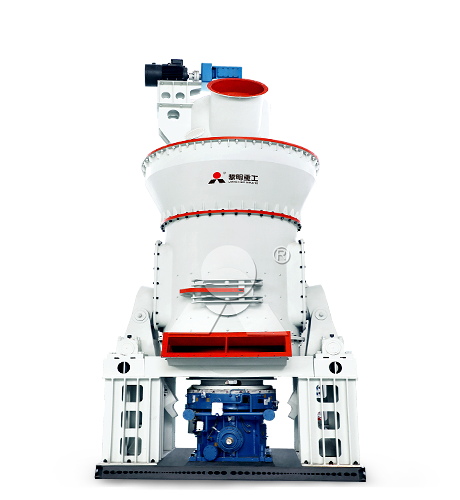
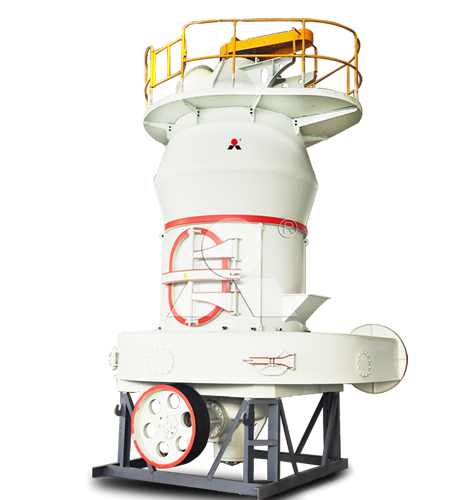
We are Liming Heavy Industry, a manufacturer of various types of industrial crushers, such as Raymond Mill, Trapezoidal Mill, Vertical Mill, Ultrafine Mill, Ball Mill, etc.
Our mills can process the following minerals:
limestone, quicklime, kaolin, talc, barite, bentonite, calcium carbonate, dolomite, coal, gypsum, clay, carbon black, slag, cement raw materials, cement clinker, etc.
If you need a mill to process stone or minerals into powder, please feel free to contact me (WhatsApp: +8615333807511). Thank you.
Calcium carbonate comes mainly from natural geological deposits and biological materials. It occurs in limestone, marble, chalk, calcite, aragonite, shells, coral, and other carbonate-rich formations. For industrial production, the most important raw materials are high-calcium limestone, marble, chalk, and natural calcite.
Although calcium carbonate has the same chemical formula, CaCO3, its source strongly affects its purity, whiteness, mineral structure, hardness, impurity level, grindability, and suitability for applications such as plastics, PVC, paper, paint, rubber, construction materials, and agriculture.
Where Calcium Carbonate Comes From at a Glance
| Source | How It Forms | Industrial Relevance |
|---|---|---|
| Limestone | Mostly forms from carbonate sediments deposited in marine or freshwater environments | The most common raw material for GCC, lime, cement, aggregate, and construction products |
| Marble | Forms when limestone recrystallizes under heat and pressure | Often used for high-whiteness calcium carbonate powder |
| Chalk | Forms from fine marine skeletal remains and carbonate mud | Soft, fine-grained source of calcium carbonate |
| Calcite | Forms in sedimentary, hydrothermal, metamorphic, and other geological environments | High-purity feedstock for calcium carbonate powder |
| Aragonite | Forms in marine settings, shells, coral, caves, hot springs, and saline waters | Natural calcium carbonate mineral with a different crystal structure from calcite |
| Shells and coral | Biologically produced by marine organisms | Important natural examples; also contribute to long-term limestone formation |
| Precipitated calcium carbonate | Manufactured through controlled chemical reactions | Engineered CaCO3 for applications requiring controlled particle properties |
Calcium Carbonate Is a Natural Mineral
Calcium carbonate is one of the most abundant mineral compounds in the Earth’s crust. It is made of calcium, carbon, and oxygen and occurs naturally in several mineral forms. The most important forms are calcite and aragonite, while vaterite is a less common and less stable form.
Natural calcium carbonate can form in oceans, lakes, caves, hot springs, sedimentary basins, hydrothermal veins, and metamorphic rock environments. It can also be produced biologically by organisms that create shells or skeletal structures from calcium carbonate.
The U.S. Geological Survey explains that limestone is rock formed mostly of calcium carbonate and that most carbonate rocks were deposited from seawater. Carbonate sediments have formed through much of geological history and continue to form today in shallow seas and tropical coral-reef environments.
Limestone: The Main Industrial Source
Limestone is the most important natural source of calcium carbonate for industrial use. It is a sedimentary rock composed mainly of calcite, aragonite, or a combination of calcium carbonate minerals. Depending on the deposit, limestone may also contain clay, silica, dolomite, iron-bearing minerals, organic matter, and other impurities.
Most limestone deposits began as carbonate-rich sediment in ancient seas or lakes. Over time, layers of shells, coral fragments, carbonate mud, and chemically precipitated minerals accumulated on the bottom. Burial, compaction, and cementation gradually transformed these loose sediments into solid limestone rock.
USGS describes limestone formation as a process in which shells, sand, and mud are deposited on the bottoms of oceans and lakes and later solidify into rock.
How Limestone Forms
Marine limestone commonly forms because seawater contains dissolved calcium and bicarbonate ions. Under suitable physical, chemical, and biological conditions, these components combine to create calcium carbonate. Marine organisms also extract calcium carbonate from seawater to build shells and skeletal structures.
When these organisms die, their shells and skeletal fragments can accumulate on the seabed. Over millions of years, the material may become buried and lithified into limestone. This is why many limestone deposits contain fossils, shell fragments, or traces of ancient marine environments.
Why Limestone Quality Varies
Not all limestone is equally suitable for calcium carbonate powder production. The quality of a deposit depends on factors such as:
CaCO3 content: Higher calcium carbonate content is generally preferred for high-value powder applications.
Whiteness: White limestone or calcite is important for paint, paper, PVC, coatings, artificial stone, and other visual products.
Silica content: High silica can increase abrasiveness and reduce suitability for premium fillers.
Iron content: Iron-bearing impurities can reduce whiteness and cause yellow, brown, gray, or reddish tones.
Magnesium content: A high magnesium level can indicate dolomite or mixed carbonate material rather than high-calcium limestone.
Moisture and clay content: These can affect crushing, grinding, drying, classification, and powder quality.
For industrial calcium carbonate production, mineral testing is essential before a quarry or deposit is selected. Chemical analysis, whiteness testing, mineralogical analysis, hardness testing, moisture testing, and pilot grinding tests help determine whether the raw material can meet the target powder specification.
Marble: Recrystallized Calcium Carbonate
Marble is another important source of calcium carbonate. It begins as limestone but changes through metamorphism. When limestone is exposed to heat and pressure inside the Earth, its calcium carbonate crystals recrystallize and form a denser, more crystalline rock known as marble.
High-quality white marble can contain very pure calcium carbonate and may offer excellent whiteness. For this reason, selected marble deposits are used to produce premium ground calcium carbonate for plastics, paper, paint, coatings, artificial stone, sealants, and other products where color and purity are important.
However, marble quality also varies. Some marble contains veins, colored minerals, silica, mica, iron, dolomite, or other impurities. A visually attractive architectural marble is not automatically suitable for ultrafine industrial powder production. The deposit must still be evaluated against the required chemical and physical specifications.
Chalk: A Fine-Grained Form of Limestone
Chalk is a soft, fine-grained, porous form of limestone. It is usually white to light gray and consists largely of microscopic calcium carbonate remains from marine organisms. Britannica describes chalk as a soft, fine-grained, easily pulverized variety of limestone composed of shells from tiny marine organisms.
Because it is relatively soft and naturally fine-grained, chalk can be an important source of calcium carbonate in regions where suitable deposits are available. Its purity, brightness, moisture behavior, and impurity profile must be evaluated before industrial use.
In commercial language, “chalk” can sometimes refer to natural chalk, while “precipitated chalk” may refer to chemically produced PCC. These are not the same material source: natural chalk comes from geological deposits, while PCC is manufactured under controlled chemical conditions.
Calcite: The Main Calcium Carbonate Mineral
Calcite is the most common and stable mineral form of calcium carbonate. It occurs in limestone, marble, chalk, veins, caves, sedimentary rocks, hydrothermal deposits, and many other geological settings.
Calcite is especially important to the calcium carbonate industry because high-purity calcite can be crushed and ground into white powder with controlled particle sizes. Calcite-rich raw materials are widely used to produce ground calcium carbonate, commonly called GCC.
Pure calcite is typically colorless or white. Color changes in natural calcite usually result from impurities or inclusions. The University of Waterloo notes that calcite is colorless or white when pure, but it can appear in many colors when impurities are present.
Calcite for Calcium Carbonate Powder
Industrial producers often seek calcite deposits with high CaCO3 content, low silica, low iron, good whiteness, stable mineralogy, and favorable grinding characteristics. These properties are particularly important for ultrafine powder used in high-value applications.
Calcite is relatively soft, with a Mohs hardness of approximately 3. This can support efficient grinding compared with harder minerals, although actual grinding performance also depends on the deposit’s silica content, moisture, feed size, and mineral impurities.
Aragonite: Another Natural Form of CaCO3
Aragonite is a natural calcium carbonate mineral with the same chemical formula as calcite but a different crystal structure. It can form in marine environments, shells, coral reefs, caves, hot springs, saline lakes, and other specialized settings.
USGS identifies calcite and aragonite as the two calcium carbonate mineral forms found in the ocean. Many marine organisms, including corals and mollusks, use aragonite to form their skeletal structures or shells.
Aragonite is less stable than calcite under normal surface conditions and may transform into calcite over long geological periods. For industrial powder production, calcite-rich limestone and marble are generally more common feed materials, but aragonite remains an important part of calcium carbonate geology and marine biology.
Shells, Coral, and Biological Sources
Many organisms produce calcium carbonate as part of their shells or skeletal structures. Examples include mollusks, shellfish, corals, foraminifera, coccolithophores, and other marine organisms. Eggshells also contain a high proportion of calcium carbonate.
These biological materials are important because they contribute to the natural carbon cycle and, over geological time, can become part of carbonate sediments. Large limestone deposits may contain the accumulated remains of organisms that lived in ancient shallow seas.
While shells and coral are clear examples of natural calcium carbonate, they are not usually the primary feedstock for large-scale industrial GCC production. Quarry-based limestone, marble, chalk, and calcite deposits are generally more practical, consistent, and scalable sources for industrial mineral processing.
Calcium Carbonate from Caves and Hot Springs
Calcium carbonate can also form when mineral-rich water loses carbon dioxide or experiences changes in temperature, pressure, or chemical conditions. This process can create deposits such as travertine, tufa, stalactites, and stalagmites.
In caves, groundwater dissolves calcium carbonate from surrounding rock and carries it in solution. When the water enters an air-filled cave, carbon dioxide can escape. Calcium carbonate may then precipitate and slowly form stalactites on ceilings and stalagmites on cave floors.
At hot springs, calcium carbonate can precipitate from mineral-rich water to create travertine terraces and other carbonate formations. These natural environments demonstrate the chemical reversibility of calcium carbonate: it can dissolve under some conditions and re-form as a solid under others.
How Precipitated Calcium Carbonate Is Made
Not all commercial calcium carbonate is obtained by grinding natural stone. Precipitated calcium carbonate, or PCC, is manufactured through a controlled chemical process.
A typical PCC route starts with limestone. The limestone is calcined to produce quicklime, the quicklime is hydrated to create calcium hydroxide, and carbon dioxide is then introduced to precipitate engineered calcium carbonate particles.
The basic reactions are:
CaCO3 → CaO + CO2
CaO + H2O → Ca(OH)2
Ca(OH)2 + CO2 → CaCO3 + H2O
PCC is still calcium carbonate, but its particle size, morphology, and crystal form can be controlled more precisely than in mechanically ground natural calcium carbonate. This makes PCC useful for specialty paper, coatings, plastics, pharmaceutical products, food-related applications, and other products that require tailored mineral properties.
From Quarry to Calcium Carbonate Powder
For ground calcium carbonate production, the journey from natural deposit to finished powder usually follows a mineral-processing route:
Geological exploration identifies a suitable limestone, marble, chalk, or calcite deposit.
Laboratory testing evaluates chemical composition, whiteness, hardness, moisture, and impurities.
The raw mineral is mined or quarried and transported to the processing plant.
Large rock is crushed into smaller feed material.
The material is ground into the required powder fineness.
Air classification separates particles according to the target particle-size range.
Some grades receive surface treatment for use in plastic, rubber, adhesive, or sealant formulations.
The finished calcium carbonate powder is stored, packed, or loaded in bulk for delivery.
The final product can range from coarse powder for construction materials to ultrafine coated calcium carbonate for PVC, masterbatch, cable compounds, films, coatings, paper, rubber, and sealants.
Why the Source Matters
The source of calcium carbonate affects nearly every stage of production and product performance. A high-purity white calcite deposit may be suitable for premium ultrafine powder, while a lower-grade limestone may be better suited for cement, aggregate, agricultural lime, or general construction materials.
| Raw Material Characteristic | Potential Effect on Calcium Carbonate Products |
|---|---|
| High CaCO3 purity | Supports high-value, white, and consistency-sensitive applications |
| High whiteness | Important for coatings, paper, PVC, paint, artificial stone, and white plastics |
| Low iron content | Helps maintain a clean white appearance and reduce discoloration risk |
| Low silica content | Can reduce abrasiveness and improve suitability for fine powder processing |
| Low moisture and clay content | Supports easier crushing, grinding, classification, and stable powder handling |
| Stable mineralogy | Improves batch consistency and predictability in downstream formulations |
Frequently Asked Questions
Is calcium carbonate natural or synthetic?
Calcium carbonate can be both natural and manufactured. Natural calcium carbonate comes from limestone, marble, chalk, calcite, aragonite, shells, and other carbonate deposits. Precipitated calcium carbonate is manufactured through a controlled chemical process.
What is the main source of calcium carbonate?
Limestone is the main industrial source of calcium carbonate. High-purity limestone, marble, chalk, and calcite are commonly quarried and processed into calcium carbonate powder.
Does calcium carbonate come from shells?
Yes. Shells, coral, and eggshells contain calcium carbonate. Over long periods, marine shells and skeletal remains can contribute to carbonate sediments that later form limestone deposits.
Is marble calcium carbonate?
Marble is a metamorphic rock made mainly of recrystallized calcium carbonate. It forms when limestone is exposed to heat and pressure. Selected white marble can be an important raw material for high-quality calcium carbonate powder.
What is the difference between calcite and aragonite?
Calcite and aragonite have the same chemical formula, CaCO3, but different crystal structures. Calcite is the more stable and more common form in industrial calcium carbonate raw materials, while aragonite is common in shells, coral, and certain marine or geothermal environments.
Conclusion
Calcium carbonate comes primarily from limestone, marble, chalk, calcite, and other natural carbonate deposits formed through geological and biological processes. It also occurs in shells, coral, caves, and hot-spring deposits, demonstrating how widely CaCO3 is distributed in nature.
For industrial use, the most valuable sources are those with high calcium carbonate content, high whiteness, low impurity levels, stable mineralogy, and good grinding characteristics. These raw materials can be transformed into ground calcium carbonate powder for plastics, paper, paint, rubber, sealants, construction materials, and many other applications.