Calcium Carbonate Knowledge Hub
What Is Calcium Carbonate Used For?
2026-09-04 15:54:08
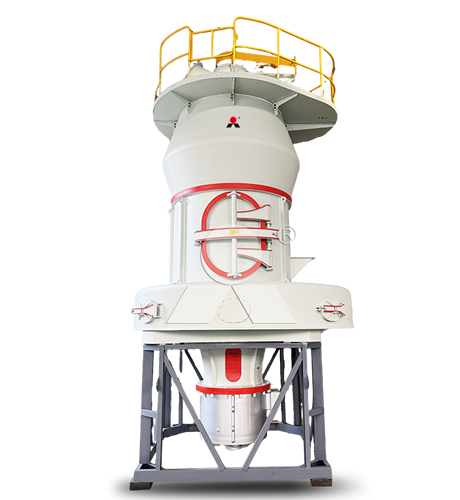
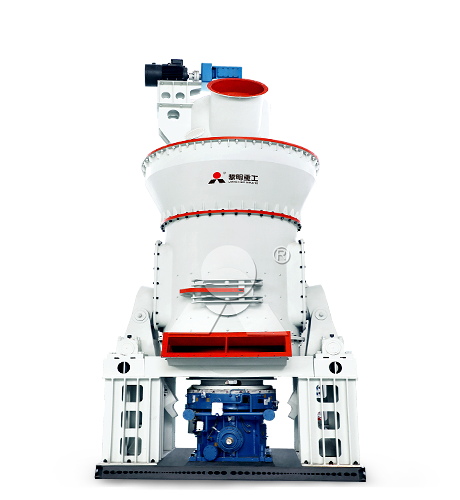
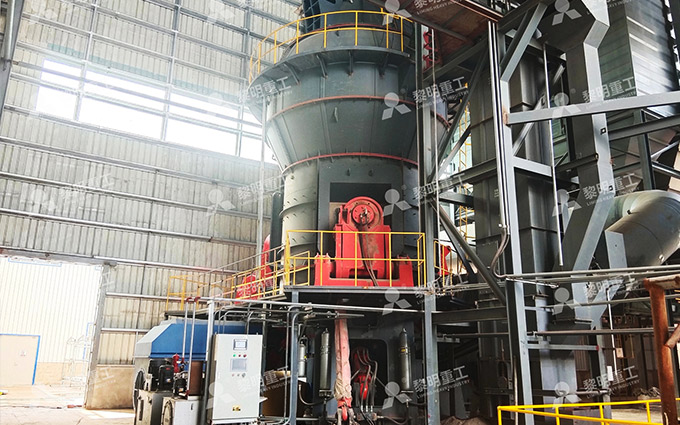
We are Liming Heavy Industry, a manufacturer of various types of industrial crushers, such as Raymond Mill, Trapezoidal Mill, Vertical Mill, Ultrafine Mill, Ball Mill, etc.
Our mills can process the following minerals:
limestone, quicklime, kaolin, talc, barite, bentonite, calcium carbonate, dolomite, coal, gypsum, clay, carbon black, slag, cement raw materials, cement clinker, etc.
If you need a mill to process stone or minerals into powder, please feel free to contact me (WhatsApp: +8615333807511). Thank you.
Calcium carbonate is used in a wide range of industries as a mineral filler, extender, coating pigment, raw material, pH-control material, and calcium source. With the chemical formula CaCO3, it is found naturally in limestone, marble, chalk, and calcite, then processed into powders, granules, slurries, or engineered particles for industrial use.
The largest applications for calcium carbonate include plastics, PVC, paper, paint, coatings, rubber, adhesives, sealants, construction materials, agriculture, environmental treatment, food, and pharmaceuticals. Its broad use comes from its natural availability, whiteness, relatively low hardness, controlled particle-size options, and ability to improve formulation economics and product performance. The American Chemical Society identifies construction products and manufactured materials—including paint, rubber, plastics, ceramics, inks, and adhesives—as major practical use categories for CaCO3.
Calcium Carbonate Uses at a Glance
| Industry | How Calcium Carbonate Is Used | Typical Products |
|---|---|---|
| Plastics and PVC | Functional filler and cost-control material | Pipes, profiles, flooring, cable compounds, films, masterbatch |
| Paper | Filler and coating pigment | Printing paper, coated paper, packaging board, tissue paper |
| Paint and coatings | Extender pigment and rheology-supporting filler | Architectural paint, industrial coatings, putty, inks |
| Rubber | Filler for formulation and physical-property control | Footwear, mats, hoses, gaskets, rubber sheets |
| Adhesives and sealants | Filler, viscosity modifier, and body-building material | Silicone sealants, acrylic sealants, construction adhesives |
| Construction | Mineral raw material, aggregate, filler, and cement-related feedstock | Cement, mortar, wall putty, concrete, gypsum products |
| Agriculture | Soil-acidity management and calcium source | Agricultural lime, soil conditioners, feed-related products |
| Environmental treatment | Acid neutralization and treatment-process reagent | Water treatment, flue-gas treatment, mining applications |
| Food and pharmaceuticals | Calcium source, excipient, antacid, and permitted additive in qualified grades | Tablets, supplements, selected foods, personal-care products |
Calcium Carbonate in Plastics and PVC
Plastics are one of the most important markets for calcium carbonate. In polymer formulations, CaCO3 is used as a functional filler that can reduce raw-material cost while helping control stiffness, dimensional stability, surface finish, processing behavior, and compound consistency.
Ground calcium carbonate (GCC) is widely used in high-volume plastic products. Coated calcium carbonate is particularly important in hydrophobic polymer systems because surface treatment can improve compatibility and dispersion between calcium carbonate particles and polymer resins.
Common Plastic Applications
PVC pipes and fittings.
PVC window and door profiles.
PVC flooring, vinyl flooring, and SPC flooring.
Wire and cable insulation or sheathing compounds.
Plastic masterbatch.
Polyethylene and polypropylene films.
Woven bags and raffia products.
Injection-molded plastic parts.
Automotive and household plastic components.
The correct calcium carbonate grade depends on resin type, processing method, filler loading, required mechanical properties, final-product color, and surface-quality expectations. Fine coated calcium carbonate is often selected when better dispersion and more consistent polymer processing are required.
Calcium Carbonate in Paper and Paperboard
Calcium carbonate is used extensively in paper manufacturing as both a filler and a coating pigment. It can support brightness, opacity, smoothness, printability, and bulk in finished paper products. Paper producers may use ground calcium carbonate (GCC), precipitated calcium carbonate (PCC), or a combination of mineral grades depending on the paper type and production process.
In paper coating, calcium carbonate contributes to the surface properties needed for printing and visual quality. In paper filling, it is incorporated into the sheet to help manage cost and achieve selected optical or physical characteristics. Industrial sources identify calcium carbonate as a pigment and filler used to improve brightness, opacity, and printability in paper, particularly in coated grades.
Typical Paper Applications
Woodfree printing and writing paper.
Coated printing paper.
Magazine paper.
Copy paper and office paper.
Packaging paper and paperboard.
Tissue and specialty paper products.
Calcium Carbonate in Paints and Coatings
In paints and coatings, calcium carbonate is commonly used as an extender pigment. It can help balance formulation cost while contributing to paint viscosity, film structure, smoothness, sheen, sanding properties, and storage behavior.
The role of calcium carbonate depends strongly on powder fineness, particle-size distribution, whiteness, oil absorption, and compatibility with the binder system. Fine grades are often used for smoother coatings and better visual performance, while coarser grades may be suitable for textured coatings, wall putty, and economy-grade products.
Typical Coating Applications
Interior and exterior architectural paints.
Wall putty and skim-coat compounds.
Industrial protective coatings.
Powder coatings.
Printing inks.
Primers and undercoats.
Textured coatings and decorative finishes.
Calcium carbonate does not simply replace titanium dioxide or other pigments on a one-to-one basis. A paint formulator must optimize the complete system, including pigment volume concentration, binder, dispersant, thickener, solvent or water phase, and the chosen calcium carbonate grade.
Calcium Carbonate in Rubber
Rubber manufacturers use calcium carbonate as a filler in many products. It can help control formulation cost and influence hardness, stiffness, processing behavior, and finished-product appearance. The specific effect depends on particle size, surface treatment, loading level, rubber type, plasticizer content, and the full compound design.
Fine calcium carbonate is commonly used in non-critical and semi-technical rubber goods, while more demanding applications may require specially selected mineral fillers, surface treatment, or a combination of fillers.
Typical Rubber Applications
Rubber mats and flooring.
Footwear soles and shoe components.
Rubber sheets and molded parts.
Hoses and flexible tubing.
Gaskets and seals.
Wire and cable compounds.
Automotive rubber components.
Calcium Carbonate in Adhesives and Sealants
Calcium carbonate is a major filler in many adhesive and sealant systems. It provides body, helps control rheology, contributes to viscosity, and can reduce the cost of the final formulation. Fine and ultrafine grades are often selected to support smooth extrusion, consistent bead formation, and acceptable surface appearance.
For hydrophobic sealant systems, coated calcium carbonate is commonly considered because its surface treatment can improve compatibility with the polymer matrix. The final choice depends on the sealant chemistry, desired viscosity, extrusion rate, adhesion requirements, color, storage stability, and curing behavior.
Typical Adhesive and Sealant Applications
Silicone sealants.
Acrylic sealants.
PVC sealants.
Polyurethane-related construction formulations.
Tile adhesives and construction adhesives.
Caulking compounds.
Gap fillers and joint-sealing products.
Calcium Carbonate in Construction Materials
Construction is one of the oldest and largest uses for calcium carbonate-rich materials. Limestone is used as a feedstock for cement and lime production, as aggregate in concrete and road construction, and as a raw material in many building products. Calcium carbonate powder is also used in dry-mix mortar, wall putty, gypsum-based products, artificial stone, decorative materials, and building coatings.
In construction products, the appropriate grade depends on whether the material functions as a coarse aggregate, mineral filler, cementitious raw material, or fine powder for surface finishing. The American Chemical Society lists building materials and road-paving aggregate among the major practical applications of calcium carbonate.
Typical Construction Applications
Portland cement and lime production.
Concrete and asphalt aggregate.
Dry-mix mortar.
Wall putty and skim coat.
Tile adhesives and grouts.
Gypsum board and gypsum-based products.
Artificial stone and engineered stone.
Roofing, flooring, and decorative building materials.
Calcium Carbonate in Agriculture
In agriculture, calcium carbonate-rich materials are used to help manage soil acidity. Agricultural lime can raise soil pH in acidic soils and provide calcium. The suitable application rate depends on soil test results, soil type, crop requirements, particle size, neutralizing value, and local agronomic recommendations.
Calcium carbonate may also be used in selected feed, fertilizer, and animal-nutrition applications when the grade meets the relevant quality and regulatory requirements. Industrial mineral powder should never be assumed suitable for agricultural feed or food-related use without confirming the required specification and compliance documentation.
Calcium Carbonate in Environmental Treatment
Calcium carbonate can be used in processes that require acid neutralization or pH adjustment. Because CaCO3 reacts with acids, carbonate-rich materials may be used in water treatment, wastewater treatment, mine-water management, soil remediation, and other industrial treatment systems.
In flue-gas treatment and related air-pollution-control systems, calcium carbonate or limestone can serve as a reagent or feed material in processes designed to reduce acidic gas emissions. The required particle size, reactivity, purity, and process configuration vary by system.
Calcium Carbonate in Food, Pharmaceuticals, and Personal Care
Calcium carbonate is used in selected food, dietary supplement, pharmaceutical, and personal-care products. Depending on the grade and jurisdiction, it may function as a calcium source, excipient, color-related additive, bulking agent, or antacid ingredient.
In pharmaceutical products, calcium carbonate is commonly associated with antacid formulations and calcium supplements. In food-related applications, only grades that meet applicable purity, contaminant, manufacturing, and regulatory requirements should be used. Industrial-grade calcium carbonate is not automatically appropriate for food, supplement, or pharmaceutical applications.
How to Choose Calcium Carbonate for an Application
The best calcium carbonate grade is determined by the final product and manufacturing process. The same powder is rarely ideal for every application. A PVC cable compound, a high-gloss paint, a paper coating, a silicone sealant, and a dry-mix mortar each need different material characteristics.
| Application | Important Calcium Carbonate Characteristics |
|---|---|
| PVC and plastics | Particle size, coating, moisture, dispersion, whiteness, impurity control |
| Paper | Brightness, particle shape, particle-size distribution, optical performance |
| Paint and coatings | Whiteness, fineness, oil absorption, rheology, dispersion, surface finish |
| Rubber | Particle size, loading behavior, purity, hardness contribution, compatibility |
| Sealants and adhesives | Fine particle size, moisture, oil absorption, surface treatment, extrusion behavior |
| Construction materials | Particle size, chemical composition, cost, flowability, required strength and finish |
| Food and pharmaceuticals | Regulatory compliance, high purity, contaminant control, documented quality standards |
Frequently Asked Questions
What is the main use of calcium carbonate?
One of the main industrial uses of calcium carbonate is as a filler and extender in plastics, paper, paints, coatings, rubber, adhesives, sealants, and construction products. Its exact function depends on the powder grade and the final formulation.
Why is calcium carbonate used in PVC?
Calcium carbonate is used in PVC to help control formulation cost and contribute to stiffness, dimensional stability, processing behavior, and surface properties. Fine coated calcium carbonate is often used when improved dispersion in PVC is required.
Why is calcium carbonate used in paint?
In paint, calcium carbonate is used as an extender pigment. It can influence viscosity, coating texture, film structure, smoothness, sheen, and formulation economics.
Is calcium carbonate used in paper?
Yes. Calcium carbonate is used as a filler and coating pigment in many paper and paperboard grades. It can help improve brightness, opacity, printability, smoothness, and bulk.
Can calcium carbonate be used in food?
Yes, but only when it meets the required food-grade specifications and regulatory requirements for the intended market and use. Industrial calcium carbonate should not be used in food, supplements, or pharmaceuticals unless it is specifically qualified for that purpose.
Conclusion
Calcium carbonate is used across modern manufacturing because it is a versatile, abundant, and adaptable industrial mineral. It supports products ranging from PVC pipes, paper, paint, rubber, and sealants to cement, agricultural lime, water-treatment materials, supplements, and pharmaceutical formulations.
The value of calcium carbonate is not limited to its role as a low-cost filler. Its purity, whiteness, particle size, density, surface treatment, and consistency can influence the quality, appearance, processability, and economics of the final product. Selecting the correct calcium carbonate grade is therefore essential for achieving stable production and reliable application performance.