Calcium Carbonate Knowledge Hub
Chalk Calcium Carbonate Guide
2026-09-04 16:27:10
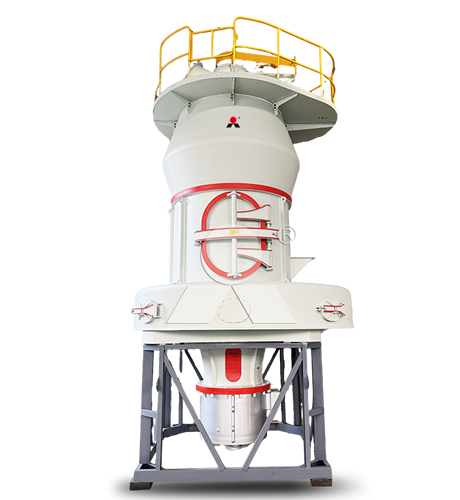
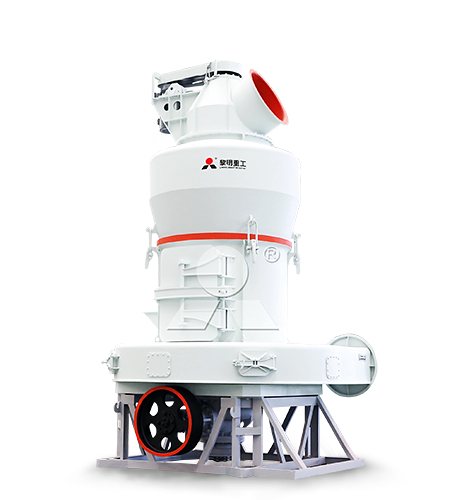
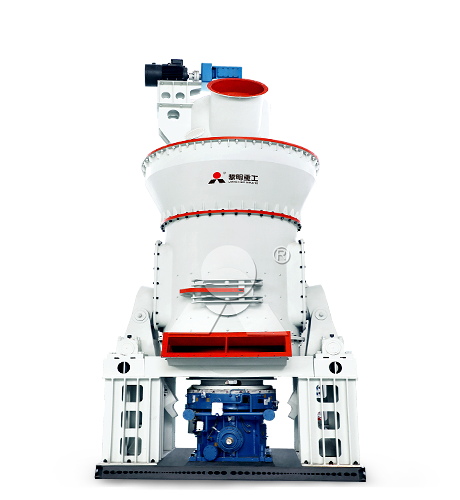
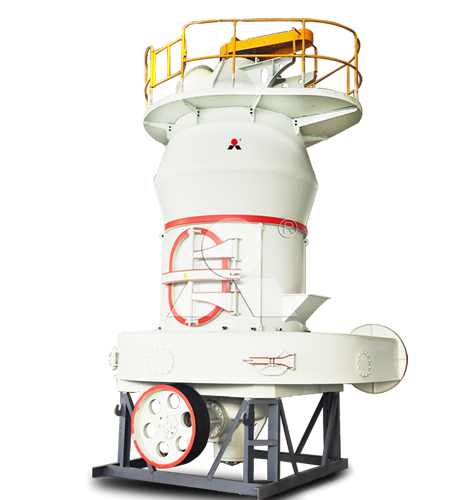
We are Liming Heavy Industry, a manufacturer of various types of industrial crushers, such as Raymond Mill, Trapezoidal Mill, Vertical Mill, Ultrafine Mill, Ball Mill, etc.
Our mills can process the following minerals:
limestone, quicklime, kaolin, talc, barite, bentonite, calcium carbonate, dolomite, coal, gypsum, clay, carbon black, slag, cement raw materials, cement clinker, etc.
If you need a mill to process stone or minerals into powder, please feel free to contact me (WhatsApp: +8615333807511). Thank you.
Chalk calcium carbonate is natural calcium carbonate sourced from chalk, a soft, porous, biogenic form of limestone composed mainly of calcite, CaCO3. After quarrying and processing, it can be sold as ground calcium carbonate (GCC) powder or slurry for paper, coatings, PVC, plastics, rubber, sealants, adhesives, and construction products.
Chalk can be an attractive GCC feedstock because it is naturally fine-textured, relatively soft, and often bright. But a white chalk deposit is not automatically a premium calcium carbonate source: flint, silica, clay, moisture, iron staining, magnesium-bearing carbonate, and deposit variation determine the grade that can be produced. The UK recognizes chalk as one of its industrial-mineral commodities, alongside materials such as limestone, kaolin, clay, and barite.
What Is Chalk Calcium Carbonate?
“Chalk calcium carbonate” normally means calcium carbonate powder or slurry manufactured from natural chalk. It is a form of GCC, not a separate calcium carbonate chemistry. The chemical formula remains CaCO3; the terms describe the geological origin and processing route of the material.
Chalk is a soft, white to pale-gray, fine-grained carbonate rock. It is a type of limestone that formed from the microscopic skeletal remains and calcite plates of marine organisms. Its principal mineral is typically calcite. After crushing and grinding, the resulting product may be marketed as chalk powder, ground chalk, calcium carbonate powder, fine calcium carbonate, or GCC depending on local industry terminology and specification.
| Term | Meaning | How it relates to chalk calcium carbonate |
|---|---|---|
| Chalk | Soft, porous, biogenic carbonate sedimentary rock | The natural raw material source |
| Calcite | Most common mineral form of calcium carbonate, CaCO3 | Usually the principal mineral in chalk |
| Calcium carbonate | Chemical compound CaCO3 | The chemical composition of the main chalk mineral |
| GCC | Ground calcium carbonate made by mechanically processing natural carbonate material | Chalk-derived powder or slurry is a type of GCC |
| PCC | Precipitated calcium carbonate made through a chemical production route | Not produced simply by grinding chalk |
GCC is made by physical mineral processing. Natural chalk is quarried, prepared, reduced in size, ground, classified, and sometimes surface-treated. PCC follows a different chemical route, so it should not be confused with chalk-derived calcium carbonate even when both materials are primarily CaCO3.
Why Use Chalk as a CaCO3 Source?
Chalk can provide a practical and economical source of calcium carbonate where suitable deposits, quarry permits, processing infrastructure, and customer markets are available. Its soft texture may lower crushing and grinding requirements compared with denser carbonate rock, while clean white deposits can support high-brightness powder and slurry grades.
| Potential advantage | Why it can matter | Condition for realizing the advantage |
|---|---|---|
| High calcium carbonate content | Supports GCC purity and lowers non-carbonate residue | Deposit must be low in clay, silica, dolomite, and other impurities |
| Fine natural texture | Can support efficient dispersion and fine-powder processing | Product must still meet controlled D50, D97, and residue requirements |
| Softness | May reduce crushing and grinding energy for clean material | Flint, quartz, and hard silica must be controlled |
| Whiteness potential | Important for white paper, coatings, PVC, plastics, and sealants | Low iron, low dark specks, low clay, and stable quarry selection are required |
| Wet-process potential | Can be converted into fine calcium carbonate slurry for nearby users | Water quality, dewatering, rheology, and logistics must be managed |
| Local availability | Can reduce delivered mineral cost in regional markets | Reserve quality and quarry-scale consistency must be proven |
Calcium carbonate is widely valued as an industrial mineral filler because it can be used across paper, paint, plastics, rubber, textiles, caulks, sealants, and printing inks. For chalk-based GCC, the final product must match the performance requirements of the specific application rather than relying on the natural rock name.
Chalk Composition and Quality
High-quality chalk calcium carbonate is predominantly calcite, but industrial deposits are rarely uniform. Quality may change between beds, quarry benches, weathered zones, flint layers, marl seams, and groundwater-affected areas. The relevant composition is the composition of the processed feed, not only one laboratory result from a single sample.
Key chemical and mineralogical controls
| Parameter | What it indicates | Impact on chalk-derived GCC |
|---|---|---|
| CaCO3 or CaO | Calcium carbonate richness | Supports purity, yield, and high-calcium product positioning |
| MgO | Dolomite or magnesium-bearing carbonate | High levels may limit use in low-MgO calcitic GCC grades |
| SiO2 | Flint, quartz, sand, or siliceous contamination | Raises grit, acid-insoluble residue, abrasion, and mill wear |
| Al2O3 | Clay and other aluminosilicate minerals | Can lower brightness, complicate slurry viscosity, and cause feed variation |
| Fe2O3 | Iron staining and iron-bearing minerals | Can reduce whiteness and create yellow, gray, beige, brown, or red tones |
| Acid-insoluble residue | Non-carbonate material remaining after acid dissolution | Practical measure of grit and unwanted insoluble impurities |
| Moisture | Water retained in porous chalk or introduced by mining and washing | Influences drying cost, powder flow, classifier efficiency, and storage stability |
Mineralogy should be confirmed with X-ray diffraction (XRD), particularly when the deposit changes or the product requires low MgO, low residue, high brightness, or controlled processing behavior. XRD distinguishes calcite from dolomite, quartz, clay minerals, feldspar, sulfides, and other phases that bulk chemical analysis alone may not fully explain.
Flint is a key chalk-specific concern
Flint is a hard, silica-rich material that can occur as nodules or bands within chalk. It is very different from the soft calcite matrix. Even when flint represents only a small fraction of the quarry feed, it can increase crusher wear, damage grinding components, raise acid-insoluble residue, and create coarse hard particles in the finished powder.
A chalk plant should identify flint-bearing beds before production, use selective quarrying or screening where feasible, and protect downstream equipment from hard oversize. If a target market requires low grit—such as paper coating, high-gloss paint, fine PVC, or smooth sealants—flint control becomes a commercial requirement, not merely a maintenance issue.
How Chalk Becomes GCC
Chalk-derived GCC is made through mechanical processing. The process can be dry or wet, depending on feed moisture, target particle size, impurity level, product format, and customer location.
Chalk quarry → selective extraction → flint and contaminant control → crushing or slurry preparation → drying or wet grinding → fine grinding → classification → optional surface treatment → quality testing → powder or slurry delivery
Selective quarrying and feed preparation
Quarry teams should separate clean high-calcium chalk from flint-rich, clay-rich, weathered, stained, or dolomitic zones. Stockpile blending can stabilize routine variation, but it cannot economically correct severe contamination once material enters the grinding circuit.
Because chalk is soft and friable, it may generate fine material during excavation and transport. Feed preparation should therefore manage both oversize flint and excess fines. Covered storage, controlled conveying, accurate feeding, and dust collection help maintain a stable feed to dry or wet processing.
Dry processing route
Dry processing is used when the finished product will be supplied as powder in bags, big bags, bulk tankers, or silos. The chalk is crushed or milled, dried if required, finely ground, air-classified, and collected through cyclones and bag filters.
A closed-circuit mill and classifier system allows coarse particles to return for additional grinding while qualified fine product proceeds to storage. This helps control D50, D97, top cut, and coarse residue—properties that matter in PVC, coatings, rubber, sealants, and other formulated products.
Wet processing route
Wet processing is often useful for fine calcium carbonate slurry, especially where customers are nearby and can receive bulk liquid product. Chalk is mixed with water, dispersed, wet-ground, classified, and adjusted to the required solids content and viscosity. Washing, desliming, or other wet separation may also help manage some clay or fine impurity issues.
Wet-ground calcium carbonate products are relevant to paper, paper coating, water-based paint, and coating applications. Calcium carbonate pigment is used as a filler and coating material in printing papers and board, where brightness and particle-size control are important.
Surface treatment for polymers
For PVC, polyethylene, polypropylene, masterbatch, cable compounds, rubber, adhesives, and sealants, chalk-derived GCC may be coated with stearic acid or another suitable surface modifier. Surface treatment makes the calcium carbonate more hydrophobic and can improve compatibility with non-polar polymer matrices.
The coating is applied after grinding and classification, usually using a heated coating mixer or integrated modification system. The required coating level depends on particle size, surface area, polymer type, filler loading, processing method, and the desired balance between viscosity, dispersion, mechanical properties, and cost.
Chalk GCC Grades and Uses
Chalk calcium carbonate can be manufactured in different fineness ranges and surface conditions. The product should be defined by measured properties, not only a label such as “chalk powder” or “800 mesh.”
| Chalk calcium carbonate grade | Typical characteristics | Potential applications |
|---|---|---|
| Coarse chalk powder | Relatively broad particle-size range; usually uncoated | Wall putty, mortars, plasters, tile adhesive, agricultural products, general construction fillers |
| Fine uncoated GCC | Controlled fine particle-size distribution and low residue | Paints, coatings, paper, selected rubber products, construction chemicals |
| Fine coated GCC | Fine powder treated to improve hydrophobicity and polymer compatibility | Rigid PVC, PVC pipe and profile, masterbatch, cable compounds, rubber, sealants, adhesives |
| Wet-ground chalk slurry | Fine CaCO3 dispersed in water with controlled solids and viscosity | Paper filler, paper coating, water-based paints, specialty coatings |
| Ultrafine chalk GCC | Very fine distribution with high specific surface area | Higher-value coatings, polymers, paper applications, and specialty formulations where qualified |
Paper and paperboard
Fine chalk-derived calcium carbonate can function as a paper filler or coating pigment. The value proposition is typically optical and surface-related: brightness, opacity, smoothness, printability, and controlled sheet or coating behavior. The required product must have low grit, stable fine particle size, good slurry rheology, and consistent brightness.
PVC and plastics
In PVC and plastics, chalk GCC is used as a mineral filler. Coated grades are often selected to improve dispersion and compatibility with the polymer matrix. Product selection should be based on particle size, coating quality, moisture, bulk density, whiteness, and actual compound performance—not on CaCO3 content alone.
Paints, coatings, and sealants
In paints and coatings, calcium carbonate may function as an extender pigment and can influence viscosity, film structure, cost, and appearance. In sealants and adhesives, it can influence rheology, density, extrusion behavior, and formulation economics. Each system requires its own particle-size and surface-chemistry balance.
Construction chemicals
Coarser and fine chalk powders are used in wall putty, skim coat, mortar, plaster, and tile adhesive. These applications often prioritize cost, fineness, moisture, color, powder flow, and reliable supply. They may accept a broader quality range than paper coating or white PVC, but product consistency remains important for predictable mixing and application behavior.
How to Specify Chalk Calcium Carbonate
When buying or selling chalk-derived calcium carbonate, avoid relying only on the terms “natural,” “white,” “chalk,” or “mesh.” A useful technical specification connects chemical, physical, and application performance requirements.
| Specification item | Why request it |
|---|---|
| CaCO3, CaO, and MgO | Confirms carbonate purity and distinguishes high-calcium from dolomitic material |
| SiO2, Fe2O3, Al2O3, and acid-insoluble residue | Controls grit, abrasion, color, clay contamination, and product cleanliness |
| XRD mineralogy | Identifies calcite, dolomite, quartz, clay, and other mineral phases |
| Whiteness, brightness, Lab* values, and dark-speck count | Important for white or light-colored products |
| D10, D50, D97, and coarse residue | Defines actual particle-size distribution more reliably than nominal mesh alone |
| Moisture, bulk density, and flowability | Affects storage, conveying, compounding, packing, and dosing accuracy |
| Specific surface area and oil absorption | Important for paints, rubber, sealants, adhesives, and coating demand |
| Coating degree or hydrophobicity | Required for evaluating stearic-acid-coated GCC in polymers |
| Slurry solids and viscosity | Required for wet-ground products supplied to paper or coating operations |
Always validate the supplied material in the actual customer formulation. A chalk GCC powder that meets laboratory chemistry and particle-size targets can still behave differently in a high-filler PVC compound, paint system, paper-coating color, rubber compound, or sealant formulation because of resin compatibility, additives, mixing energy, and process conditions.
Common Problems and Controls
| Problem | Likely source | Control approach |
|---|---|---|
| High grit or mill wear | Flint, silica, quartz, contaminated stockpiles | Selective quarrying, flint removal, screening, reject management, equipment protection |
| Variable whiteness | Iron staining, clay seams, weathered zones, mixed feed | Grade mapping, controlled blending, impurity rejection, clean handling systems |
| High powder moisture or caking | Porous raw chalk, insufficient drying, humid storage | Control moisture before grinding, maintain dryer performance, cool powder before packing, use dry storage |
| High MgO | Dolomitic layers or mixed carbonate feed | Separate quarry zones, confirm with XRD, tighten stockpile blending rules |
| High coarse residue | Weak grinding, unstable feed, incorrect classifier settings | Optimize mill load, airflow, classifier speed, and closed-circuit return flow |
| Poor polymer dispersion | Wrong PSD, inadequate coating, moisture, agglomeration | Optimize grinding and treatment, improve drying and storage, test in the target compound |
| Unstable slurry viscosity | Clay, inconsistent PSD, poor dispersant control, fluctuating solids | Improve feed selection, refine wet grinding, control solids and dispersant dosage, monitor slurry quality |
Key Takeaway
Chalk calcium carbonate is GCC made from natural chalk, a soft and often bright calcite-rich limestone. It can be processed into powders and slurries for paper, coatings, plastics, PVC, rubber, adhesives, sealants, and construction applications.
Its commercial value depends on controlled quality: high CaCO3, low MgO, low flint and silica, low iron and clay, stable moisture, consistent whiteness, and a particle-size distribution matched to the end use. The strongest chalk calcium carbonate product is not defined by the word “chalk,” but by proven performance from quarry feed through the customer’s finished formulation.