Calcium Carbonate Knowledge Hub
What Is Chalk?
2026-09-04 16:25:56
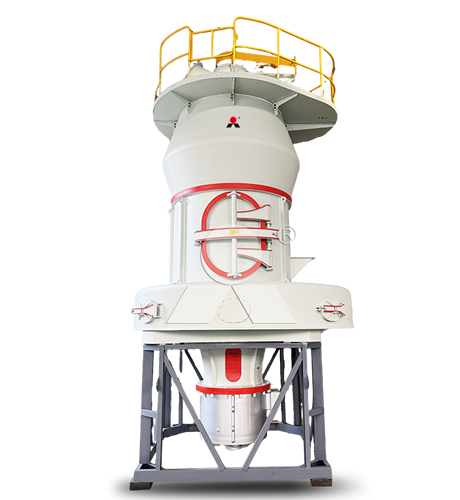
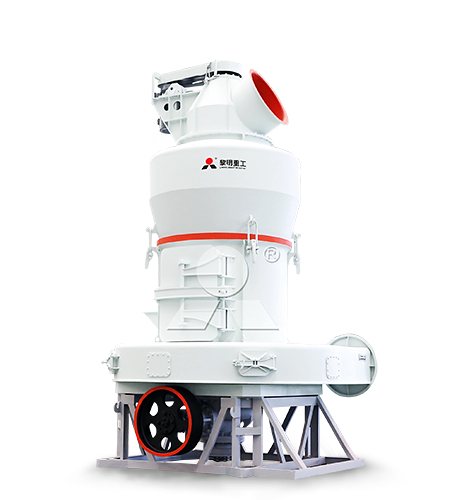
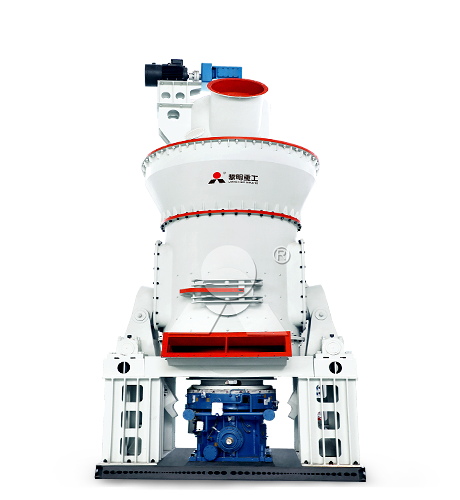
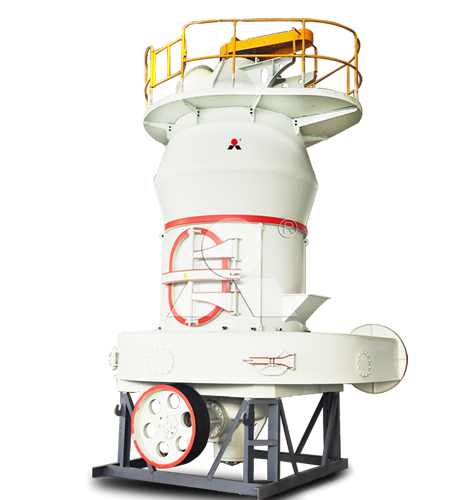
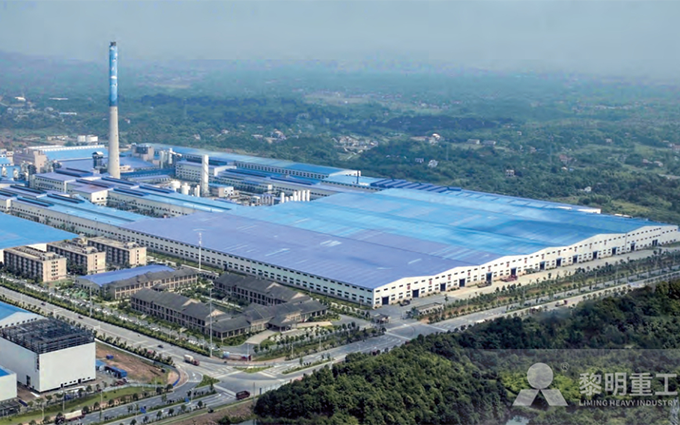
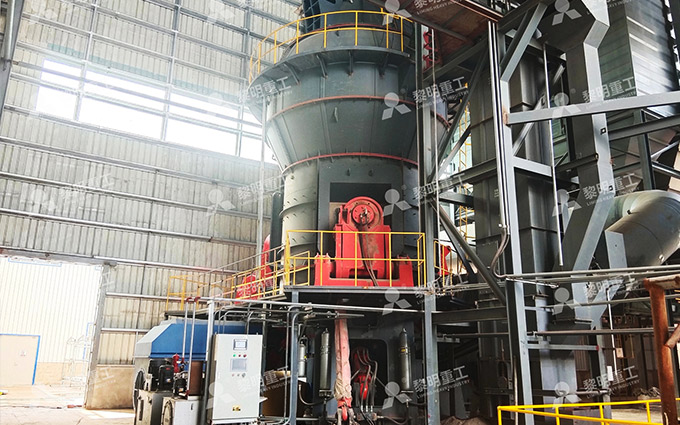
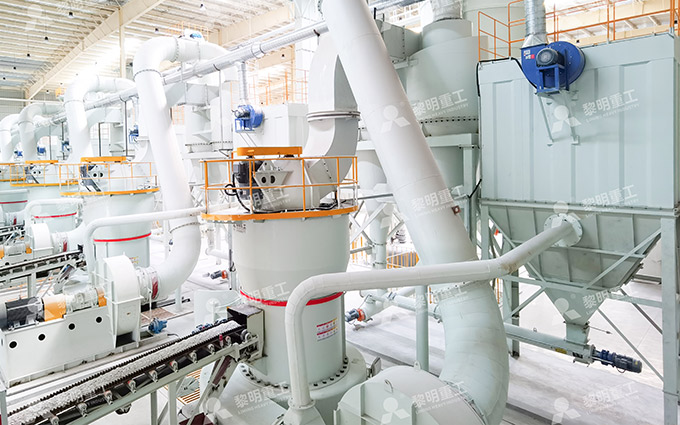
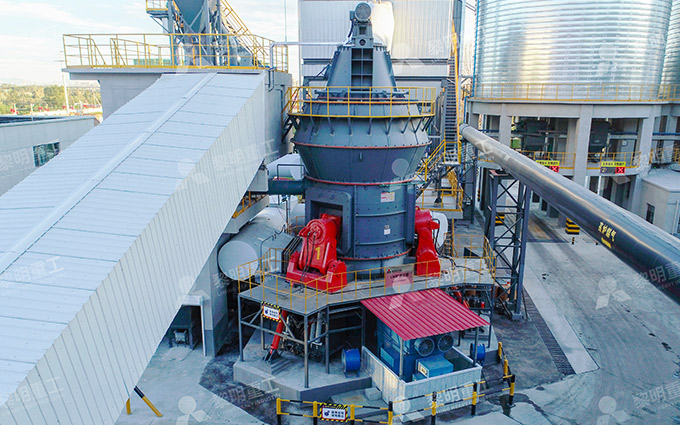
We are Liming Heavy Industry, a manufacturer of various types of industrial crushers, such as Raymond Mill, Trapezoidal Mill, Vertical Mill, Ultrafine Mill, Ball Mill, etc.
Our mills can process the following minerals:
limestone, quicklime, kaolin, talc, barite, bentonite, calcium carbonate, dolomite, coal, gypsum, clay, carbon black, slag, cement raw materials, cement clinker, etc.
If you need a mill to process stone or minerals into powder, please feel free to contact me (WhatsApp: +8615333807511). Thank you.
Chalk is a soft, white, porous form of limestone composed mainly of calcium carbonate, usually as calcite. It formed from the accumulated microscopic calcite plates and skeletal remains of marine plankton, especially coccoliths, that settled on ancient sea floors and were later compacted into rock.
In the calcium carbonate industry, chalk is a natural feedstock for ground calcium carbonate (GCC). Its fine natural texture, high calcite content, softness, and often high brightness can make it suitable for paper, coatings, plastics, rubber, sealants, adhesives, and other filler applications—provided the deposit meets chemical, optical, mineralogical, and consistency requirements. The British Geological Survey defines chalk as a friable, porous sedimentary rock with more than 50% calcite and/or aragonite, largely of biogenic origin such as coccoliths.
Chalk Is a Type of Limestone
Chalk is not a separate chemical substance from limestone. It is a specific variety of limestone. Both are carbonate sedimentary rocks that commonly contain calcite, CaCO3. The main difference is texture and origin: chalk is typically soft, fine-grained, porous, and biogenic, whereas limestone is a broad category that includes many carbonate rock types with different grain sizes, textures, origins, and impurity profiles.
Most chalk formed in marine environments. Tiny planktonic organisms, including coccolithophores, produced microscopic calcium carbonate plates called coccoliths. After these organisms died, their remains accumulated on the sea floor. Over geological time, burial and compaction transformed this carbonate-rich sediment into chalk. The Geological Society describes chalk as a soft white limestone composed of microscopic coccolith remains from planktonic organisms.
| Feature | Chalk | General limestone |
|---|---|---|
| Rock category | A specific type of limestone | Broad category of carbonate sedimentary rocks |
| Main composition | Mostly calcite, CaCO3 | Usually calcite and/or aragonite; may also contain dolomite and non-carbonate minerals |
| Origin | Largely biogenic, from microscopic marine organism remains | Can be biological, chemical, detrital, reef-related, oolitic, or mixed in origin |
| Texture | Fine-grained, soft, earthy, friable, and porous | May be dense, crystalline, fossiliferous, layered, porous, chalky, or massive |
| Color | Usually white to light gray; can be cream, gray, or yellowish where impurities occur | Ranges from white and cream to gray, tan, red, brown, or dark colors |
| Industrial processing behavior | Often easy to crush and disperse due to softness and fine natural texture | Varies widely with mineralogy, hardness, chert content, clay, and rock fabric |
What Chalk Is Made Of
Chalk is composed primarily of calcium carbonate. Its dominant mineral is usually calcite, although aragonite can occur in some carbonate sediments. The principal microscopic constituents are often coccoliths—small calcite plates created by marine algae—as well as fragments of foraminifera and other calcareous microfossils.
Commercial chalk deposits are not always chemically identical. A deposit may contain very high CaCO3, but it can also include clay, silica, quartz, flint, iron-bearing minerals, organic matter, phosphate, or magnesium-bearing carbonate. These impurities determine whether the material is suitable for premium GCC or better suited to lower-value applications.
| Component | Role in chalk | Industrial significance |
|---|---|---|
| Calcite | Main calcium carbonate mineral | Provides the CaCO3 content used in GCC, filler, and chemical applications |
| Coccoliths | Microscopic calcite plates from planktonic algae | Create chalk’s fine, soft, biogenic texture |
| Foraminifera fragments | Calcareous microfossil material | Contribute to carbonate content and deposit texture |
| Clay minerals | Fine aluminosilicate contamination | Can reduce whiteness, increase moisture sensitivity, and complicate slurry processing |
| Silica and flint | Quartz, chert-like nodules, or siliceous inclusions | Can increase abrasion, grit, acid-insoluble residue, and mill wear |
| Iron-bearing minerals | Staining or accessory minerals | Can lower brightness and produce yellow, gray, brown, or reddish color tones |
| Dolomite or magnesium carbonate | Magnesium-bearing carbonate component in some deposits | Raises MgO and may limit use in low-magnesium high-calcium GCC grades |
Chalk is commonly described as nearly pure calcite, but its industrial suitability must be confirmed by analysis. A visually white chalk face can still contain flint bands, clay seams, stained fractures, or variable layers that affect product purity and grinding cost.
Key Properties of Chalk
Chalk’s characteristic properties come from its fine carbonate particles and porous structure. It is generally softer and more friable than dense crystalline limestone or marble, which can simplify crushing and grinding. However, its porosity and moisture behavior require careful process design.
| Property | Typical chalk characteristic | Effect on industrial processing |
|---|---|---|
| Composition | Predominantly calcite, CaCO3 | Can provide a natural source of calcium carbonate for GCC |
| Texture | Fine-grained and earthy | Often crushes and disperses readily |
| Hardness | Soft because calcite has Mohs hardness of about 3 | Generally lower grinding energy than hard silicate minerals, unless flint or quartz is present |
| Porosity | Usually porous and permeable | Can retain moisture and increase drying requirements |
| Color | Usually white or light gray | Potentially valuable for bright filler products; impurities must still be controlled |
| Particle structure | Built from microscopic biogenic carbonate particles | Can influence dispersion, slurry behavior, bulk density, and grinding response |
| Acid reaction | Effervesces with dilute acid because it contains calcium carbonate | Useful as a basic identification check and relevant to acid-sensitive applications |
Chalk is commonly fine-grained, with particles often in the 0.032–0.25 mm range before industrial grinding, according to the BGS rock classification description.
How Chalk Forms
Chalk formed in ancient marine environments where large populations of microscopic calcium carbonate-producing organisms lived near the surface. When these organisms died, their calcite-rich remains settled through seawater and accumulated as carbonate mud on the seabed.
Over millions of years, burial, compaction, and limited cementation transformed this sediment into rock. Compared with dense limestone, chalk is often relatively poorly compacted and retains significant porosity. Its visible whiteness reflects the high proportion of fine calcite particles and the way light scatters through the porous material.
Chalk deposits are often associated with calm, open-marine conditions that allowed fine carbonate particles to accumulate over extensive areas. The famous white chalk cliffs found in some coastal regions are exposed sections of these ancient marine deposits.
Chalk for Calcium Carbonate Production
Chalk can be processed into GCC because it is naturally rich in calcium carbonate. It is mined or quarried, crushed, screened, dried or wet-processed, ground, classified, and delivered either as dry powder or as a slurry. Its soft texture can be an advantage in mineral processing, but its porosity, moisture content, and impurity distribution must be managed.
Natural calcium carbonate used commercially can originate from limestone, marble, and chalk. Calcium carbonate is a widely used mineral filler in paper, paint, plastics, rubber, textiles, caulks, sealants, and printing inks.
Typical chalk-to-GCC process
Chalk deposit → selective extraction → crushing or slurry preparation → removal of flint, clay, and contaminants → drying or wet grinding → classification → optional surface treatment → quality control → packing or slurry delivery
The process route depends on the product. Dry-ground chalk is commonly used where bagged or bulk powder is required. Wet-ground chalk may be suitable for paper, coatings, paints, and local slurry markets. A wet process can also support washing and removal of clay or fine contaminants before final grinding.
Chalk processing challenges
Flint and silica: Flint nodules and siliceous bands can be much harder than calcite, increasing crusher and mill wear.
Moisture: Porous chalk can retain water, which reduces dry-grinding efficiency and may require dewatering or drying.
Clay seams: Fine clay may reduce whiteness, affect slurry rheology, and increase non-carbonate residue.
Variable deposit quality: Different layers may have different CaCO3, moisture, flint content, brightness, and impurity levels.
Powder handling: Fine, low-density chalk powder can create dust and may compact or agglomerate if exposed to moisture.
Chalk vs Limestone vs Marble
Chalk, limestone, and marble can all be sources of natural calcium carbonate, but their geological origin and processing behavior differ. The right feedstock depends on the required product specification, available reserves, local logistics, and processing economics.
| Feature | Chalk | Limestone | Marble |
|---|---|---|---|
| Rock type | Soft biogenic limestone | Sedimentary carbonate rock | Metamorphic carbonate rock |
| Typical main mineral | Calcite | Calcite and/or aragonite; sometimes dolomite | Calcite or dolomite, depending on source |
| Texture | Fine, porous, friable, earthy | Highly variable: dense, layered, fossiliferous, chalky, crystalline, or porous | Dense, crystalline, interlocking grains |
| Common processing advantage | Often soft and relatively easy to disperse or grind | Wide availability and broad range of commercial grades | Potentially high whiteness and high-purity calcitic feed |
| Common processing concern | Moisture, porosity, flint, clay, low bulk density | Chert, clay, variable chemistry, dolomite, iron staining | Veins, colored minerals, silica, mica, graphite, dolomite, dimension-stone waste contamination |
| Typical GCC opportunities | Fine powder and slurry grades for paper, coatings, plastics, rubber, and sealants | Large-volume standard to premium GCC across many industries | High-brightness, high-purity GCC where suitable deposits are available |
Chalk is therefore best understood as one end of the natural calcium carbonate feedstock spectrum. It is a specific, soft, fine-grained limestone—not a replacement term for all limestone or all calcium carbonate powder.
Industrial Uses of Chalk
Historically, chalk is known for writing sticks and marking materials, but industrial chalk has much broader uses. When processed and graded correctly, it functions as a calcium carbonate source, filler, pigment extender, rheology modifier, and formulation-cost control material.
| Industry | Role of processed chalk or chalk-derived GCC | Important properties |
|---|---|---|
| Paper and paperboard | Filler and coating pigment | Brightness, particle size, low grit, slurry stability, optical performance |
| Paints and coatings | Extender pigment and formulation mineral | Whiteness, particle-size distribution, oil absorption, dispersion, low coarse residue |
| PVC and plastics | Mineral filler, often surface-treated for polymer compatibility | Purity, low moisture, particle size, coating quality, whiteness, low dark-speck content |
| Rubber | Filler and cost-control component | Particle size, surface area, moisture, dispersion, consistency |
| Adhesives and sealants | Filler affecting viscosity, rheology, and formulation economics | Fineness, moisture, surface treatment, purity, powder flow |
| Construction chemicals | Filler in putty, mortar, tile adhesive, plaster, and related formulations | Fineness, color, moisture, bulk density, flow, cost |
| Agriculture | Calcium source and soil amendment where permitted and appropriately specified | Neutralizing value, fineness, contaminant limits, regulatory compliance |
How to Evaluate a Chalk Deposit
A chalk source should be evaluated as a long-term industrial mineral reserve, not only as white rock. Quality can vary across layers, quarry benches, and weathered zones. The evaluation program should connect geology to finished-product performance.
Map the deposit for chalk quality, flint bands, clay seams, weathering, color changes, and groundwater conditions.
Collect representative samples by bench, depth, geological layer, and expected mining sequence.
Measure CaCO3, CaO, MgO, SiO2, Al2O3, Fe2O3, sulfur, loss on ignition, and acid-insoluble residue.
Use XRD to confirm calcite, dolomite, quartz, clay minerals, and other phases.
Test moisture, dewatering behavior, drying requirement, and powder flow after processing.
Conduct pilot crushing, grinding, classification, and, if required, surface-treatment trials.
Measure whiteness, brightness, particle-size distribution, slurry viscosity, bulk density, and end-use performance.
Assess mine planning, flint rejection, water management, energy use, logistics, and delivered cost.
Key Takeaway
Chalk is a soft, porous, fine-grained, biogenic form of limestone made mainly of calcite, CaCO3. It formed from microscopic marine organisms and can serve as a natural source of calcium carbonate for GCC and related industrial products.
Its softness, fine texture, and potential whiteness can be advantageous, but chalk must still be carefully evaluated for CaCO3 purity, flint and silica, clay, moisture, color, mineralogy, and deposit consistency. For industrial buyers, the relevant decision is whether the processed chalk powder meets the required particle size, brightness, purity, handling, and formulation-performance specification—not simply whether it is called chalk.