Calcium Carbonate Knowledge Hub
Why Is Calcium Carbonate Used in Plastic?
2026-09-04 17:34:08
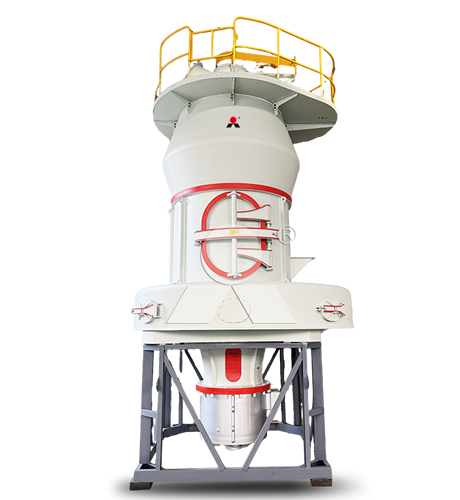
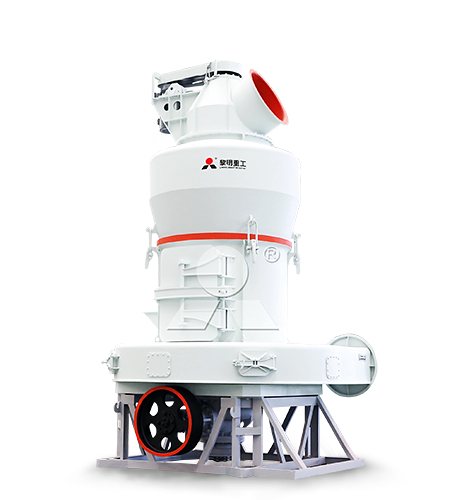
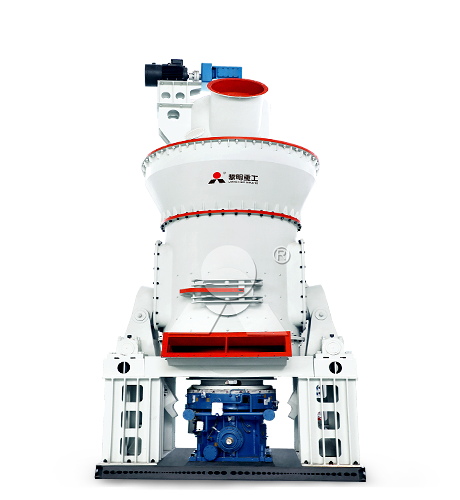
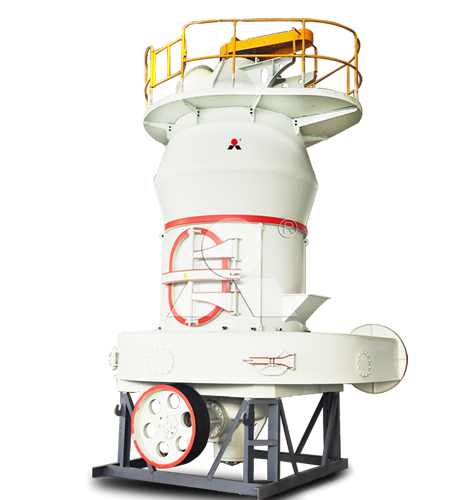
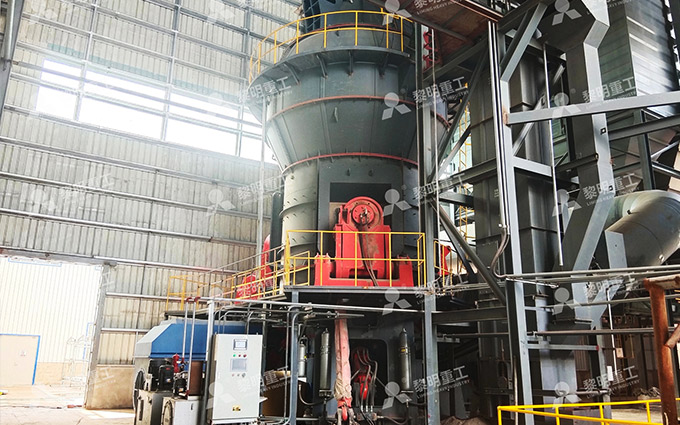
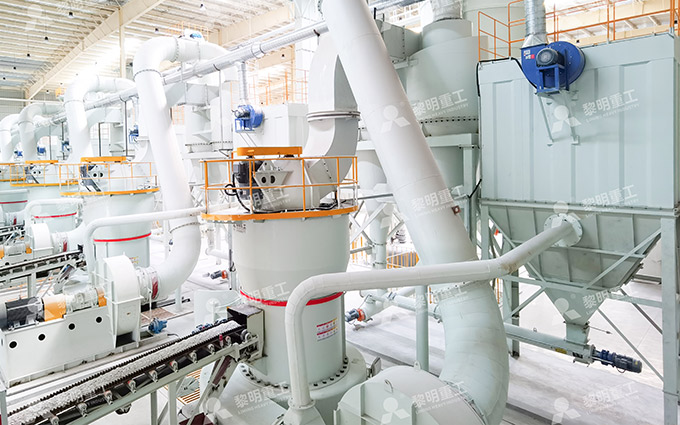
We are Liming Heavy Industry, a manufacturer of various types of industrial crushers, such as Raymond Mill, Trapezoidal Mill, Vertical Mill, Ultrafine Mill, Ball Mill, etc.
Our mills can process the following minerals:
limestone, quicklime, kaolin, talc, barite, bentonite, calcium carbonate, dolomite, coal, gypsum, clay, carbon black, slag, cement raw materials, cement clinker, etc.
If you need a mill to process stone or minerals into powder, please feel free to contact me (WhatsApp: +8615333807511). Thank you.
Calcium carbonate is used in plastic because it is a cost-effective mineral filler that can increase stiffness, improve dimensional stability, modify processing behavior, add whiteness and opacity, and reduce the amount of more expensive polymer resin required. It is widely used in PVC, polypropylene (PP), polyethylene (PE), masterbatch, rigid packaging, film, pipe, profile, cable compounds, and molded products.
It is not a universal “more is better” additive. The performance of calcium carbonate-filled plastic depends on filler particle size, particle-size distribution, coating, loading level, polymer type, compatibilizer, compounding method, and end-use requirement. Poorly selected or poorly dispersed calcium carbonate can reduce impact strength, elongation, surface quality, or processing stability.
What Calcium Carbonate Does in Plastic
In plastics, calcium carbonate functions as both a filler and a performance modifier. It replaces part of the resin volume while influencing the physical and processing properties of the compound.
| Function | Why plastic producers use it | Typical result |
|---|---|---|
| Cost reduction | Calcium carbonate generally costs less than polymer resin | Lower compound cost when loading is technically appropriate |
| Stiffness improvement | Rigid mineral particles reinforce the polymer matrix | Higher modulus, rigidity, and resistance to deformation |
| Dimensional stability | Mineral filler can reduce shrinkage and thermal movement | More stable molded, extruded, or calendered parts |
| Processing modification | Particle shape, surface treatment, and loading affect melt behavior | Can improve consistency, extrusion behavior, and compound handling when properly formulated |
| Whiteness and opacity | Calcium carbonate is naturally white and scatters light | Can improve visual coverage and reduce pigment demand in some white products |
| Property tailoring | Filler grade can be selected by application | Adjustable balance among stiffness, impact behavior, surface appearance, and cost |
Research and technical literature commonly identify calcium carbonate as a low-cost filler used to improve stiffness and processability in plastics. In polypropylene composites, increasing calcium carbonate loading has been associated with higher flexural modulus, although the final result depends on the formulation and interface between the filler and polymer.
Why It Reduces Material Cost
Plastic resins are usually more expensive than mineral fillers. By replacing a portion of PVC, PP, PE, or another polymer with calcium carbonate, compounders can reduce raw-material cost per kilogram—provided the final product still meets mechanical, appearance, processing, and regulatory requirements.
The savings depend on the relative prices of resin and GCC or PCC, the filler loading level, scrap rate, energy use, processing speed, and final-product performance. A formulation with high filler loading is not automatically lower cost if it causes line instability, rejected parts, poor mechanical properties, lower output, or customer complaints.
In selected thermoplastic-polyolefin formulations, calcium carbonate loadings may range from about 20% to more than 80%, but such high levels require purpose-designed formulations and should not be generalized to every plastic product. The appropriate loading must be established through compounding trials and end-use testing.
Why It Improves Stiffness and Stability
Rigid calcium carbonate particles restrict deformation of the polymer matrix. This commonly increases stiffness, flexural modulus, and dimensional stability. These properties are valuable in applications such as PVC pipe, profiles, sheet, cable compounds, PP injection-molded products, rigid packaging, and selected automotive or construction components.
Calcium carbonate can also reduce shrinkage in some formulations, helping molded or extruded parts hold their intended dimensions. A technical formulation reference notes that calcium carbonate masterbatch can increase stiffness and heat-deflection temperature while reducing shrinkage.
The trade-off is that excessive filler loading, poor dispersion, or weak filler–polymer bonding can reduce ductility and impact strength. The formulation must balance rigidity with toughness, especially for thin-wall parts, film, impact-sensitive molded products, and low-temperature applications.
Why Particle Size Matters
Particle size affects surface area, dispersion, reinforcing effect, processing behavior, and final appearance. Fine calcium carbonate generally has more surface area and more contact with the polymer matrix than coarse material. That can improve property modification when the particles are properly dispersed and compatible with the resin.
| Calcium carbonate grade | Typical particle-size direction | Potential plastic benefit | Key trade-off |
|---|---|---|---|
| Coarser GCC | Higher D50 and broader top size | Lower-cost bulk filling for less demanding applications | Can reduce surface quality and mechanical performance if coarse particles are excessive |
| Fine GCC | Moderate fine particle size with controlled D97 | Good balance of cost, dispersion, stiffness, and processability | Requires consistent classification and lower coarse residue |
| Ultrafine GCC | Low D50 and tight coarse tail | Can support smoother surfaces, improved dispersion, and more controlled properties | Higher grinding, coating, and handling cost |
| Fine PCC | Often engineered particle shape and small particle size | Can provide specific performance in selected PVC and specialty compounds | Usually higher cost and should be justified by formulation results |
A PVC study found that smaller calcium carbonate particles produced better results in the tested foamed PVC layer, which the authors linked to the larger interfacial area between the filler and PVC matrix. This does not mean the smallest grade is always best. Finer grades cost more and may increase melt viscosity or coating demand, so the appropriate particle size must match the product requirement.
Why Coated Calcium Carbonate Is Used
Uncoated calcium carbonate has a hydrophilic mineral surface, while many polymers are relatively hydrophobic. Surface treatment helps improve compatibility between the mineral filler and the resin, reducing particle agglomeration and improving dispersion during compounding.
Stearic acid is a widely used coating agent for GCC in PVC, PP, PE, masterbatch, rubber, sealants, and adhesive applications. Coated GCC can improve handling, reduce moisture sensitivity, and support more uniform distribution in the polymer melt.
| Property | Uncoated GCC | Coated GCC |
|---|---|---|
| Particle surface | Hydrophilic mineral surface | Modified to be more compatible with hydrophobic matrices |
| Typical fit | Selected paint, paper, construction, and water-based applications | PVC, PP, PE, masterbatch, rubber, sealants, and adhesives |
| Powder behavior | May be more sensitive to moisture and agglomeration in hydrophobic systems | Often improves powder flow and dispersion in suitable polymer formulations |
| Cost | Usually lower processing cost | Higher cost due to coating agent and processing, but may improve compound performance |
Surface treatment is particularly important at higher filler loadings and with finer powders, where particle surface area is greater. However, coating does not replace correct compound design. The resin grade, compatibilizer, stabilizer package, dispersive mixing, screw design, processing temperature, and filler moisture all remain important.
Uses in PVC, PP, and PE
PVC
Calcium carbonate is extensively used in rigid PVC pipe, profiles, sheet, flooring, cable compounds, and some flexible PVC products. It can reduce cost and modify rigidity, processing behavior, and dimensional stability. In PVC, calcium carbonate may also help neutralize hydrogen chloride released during thermal degradation, although stabilizer selection and processing control remain essential for long-term PVC performance.
For rigid PVC, a fine, low-moisture calcium carbonate grade with controlled D97 is commonly preferred to reduce surface defects and improve dispersion. Coated GCC is often used where compatibility with the PVC formulation and processing efficiency are important.
Polypropylene
In PP, calcium carbonate is used in injection molding, raffia, woven sacks, nonwoven materials, automotive components, sheet, and masterbatch. It can increase flexural modulus and dimensional stability, but impact performance depends strongly on particle size, surface treatment, compatibilizers, and the PP grade.
Fine calcium carbonate is frequently used when the compound needs a better balance of stiffness and acceptable toughness. Research on mineral-filled polymer systems shows that the mechanical outcome depends on filler content, particle size, and compatibility with the polymer matrix rather than calcium carbonate content alone.
Polyethylene
In PE, calcium carbonate is used in filler masterbatch, film, bags, sheet, pipes, extrusion coatings, and molded goods. It can reduce material cost and adjust stiffness, opacity, and processing behavior. For film and thin-wall products, particle size and dispersion are especially important because oversized particles can create surface defects, weaken the film, or interfere with processing.
Coated fine GCC is commonly selected for PE and PP masterbatch because the modified surface can improve compatibility with hydrophobic polyolefins. The best grade depends on the target product: blown film, cast film, injection molding, extrusion, raffia, or sheet each has different requirements.
What Can Go Wrong?
Calcium carbonate delivers benefits only when the grade and formulation are properly matched. Common problems include:
Poor dispersion: Agglomerates can cause weak points, surface defects, gels, and inconsistent mechanical properties.
Excess coarse particles: A high D97 or coarse residue can create rough surfaces, visible specks, film defects, and screen-pack pressure issues.
High moisture: Moisture can cause processing instability, porosity, defects, and reduced compound consistency.
Incorrect coating: Under-coated or incompatible filler may disperse poorly in PP, PE, PVC, rubber, or adhesive systems.
Excessive loading: Too much filler can reduce elongation, toughness, weld-line strength, or impact resistance.
Weak process control: Variable PSD, bulk density, whiteness, or coating level can cause inconsistent extrusion and molding results.
A calcium carbonate supplier and plastic compounder should therefore agree on measurable filler specifications: D50, D97, surface treatment, moisture, whiteness, bulk density, chemical composition, packaging, and test methods. Product qualification should include trials on the actual extrusion, injection molding, calendering, film, or compounding line.
Practical Example
Consider a PP injection-molding compound where the manufacturer wants lower cost and higher stiffness without unacceptable brittleness. A coarse, untreated GCC may reduce cost but create poor dispersion and visible surface defects. A finer, surface-treated GCC with a controlled D97 may cost more per tonne, but it can provide more uniform dispersion and a better stiffness–impact balance.
The winning option is not necessarily the cheapest calcium carbonate. It is the grade that produces the lowest cost per acceptable molded part after considering resin replacement, cycle time, scrap, surface quality, mechanical properties, and customer specifications.
FAQ
Why is calcium carbonate added to PVC?
Calcium carbonate is added to PVC primarily to reduce cost, increase stiffness, improve dimensional stability, and modify processing behavior. Fine or coated grades are often selected to support dispersion and surface quality. Calcium carbonate can also help neutralize hydrogen chloride released during PVC degradation, but it does not replace a properly designed PVC stabilizer package.
Is calcium carbonate a filler or an additive?
It is commonly called a mineral filler, but it can also act as a functional additive because it changes stiffness, shrinkage, opacity, rheology, and other compound properties. Its exact role depends on the polymer formulation and application.
Does calcium carbonate make plastic stronger?
It commonly makes plastic stiffer and can improve dimensional stability. Whether it improves overall “strength” depends on the property being measured. Properly selected fine, coated calcium carbonate may maintain or improve some properties, but excessive loading or poor dispersion can reduce tensile elongation, impact resistance, and toughness.
Why is coated calcium carbonate preferred for PP and PE?
PP and PE are hydrophobic polymers, while untreated calcium carbonate has a hydrophilic mineral surface. Coating, often with stearic acid, can improve filler–polymer compatibility, reduce agglomeration, and support better dispersion and processing.
Bottom Line
Calcium carbonate is used in plastic because it lowers formulation cost while helping tailor stiffness, dimensional stability, processing behavior, whiteness, and opacity. It is especially common in PVC, PP, PE, masterbatch, rubber-modified systems, packaging, pipe, profiles, film, sheet, sealants, and adhesives.
The best results come from matching the calcium carbonate grade to the resin and application. Control particle size, D97, moisture, surface treatment, loading level, dispersion, and compatibilizer selection. In plastic compounding, calcium carbonate is not simply a cheap substitute for resin—it is a formulation tool whose value depends on how accurately it is specified and processed.