FAQ
What Is the Typical Fineness Range of Industrial Grinding Mills?
2026-03-09 11:52:51
Summary:
Industrial grinding mills typically produce mineral powders ranging from about 80 mesh to 2500 mesh (180–5 microns), depending on the mill type, material properties, and the requirements of downstream industrial applications.
Details:
Common Fineness Levels in Mineral Powder Processing
In mineral powder production, the required fineness depends largely on the application. Industries such as cement, building materials, metallurgy, and fillers all require different particle sizes. Grinding mills are designed to control particle size through grinding pressure, classifier systems, and airflow.
In most industrial plants, powder fineness generally falls within the following ranges:
80–200 mesh for cement additives, desulfurization limestone, and quicklime
200–400 mesh for construction materials and mineral fillers
400–800 mesh for plastics, coatings, and chemical applications
800–2500 mesh for ultrafine powder industries
Factors That Influence Grinding Fineness
The achievable fineness of a grinding system depends on several technical factors. Material hardness, moisture content, and grindability all affect the final particle size. For example, softer minerals such as talc or limestone can reach higher fineness levels more easily than harder materials.
_1767930326611.jpg)
Grinding equipment configuration also plays a key role. Classifier efficiency, grinding pressure, and airflow control determine how precisely the final powder size can be adjusted.
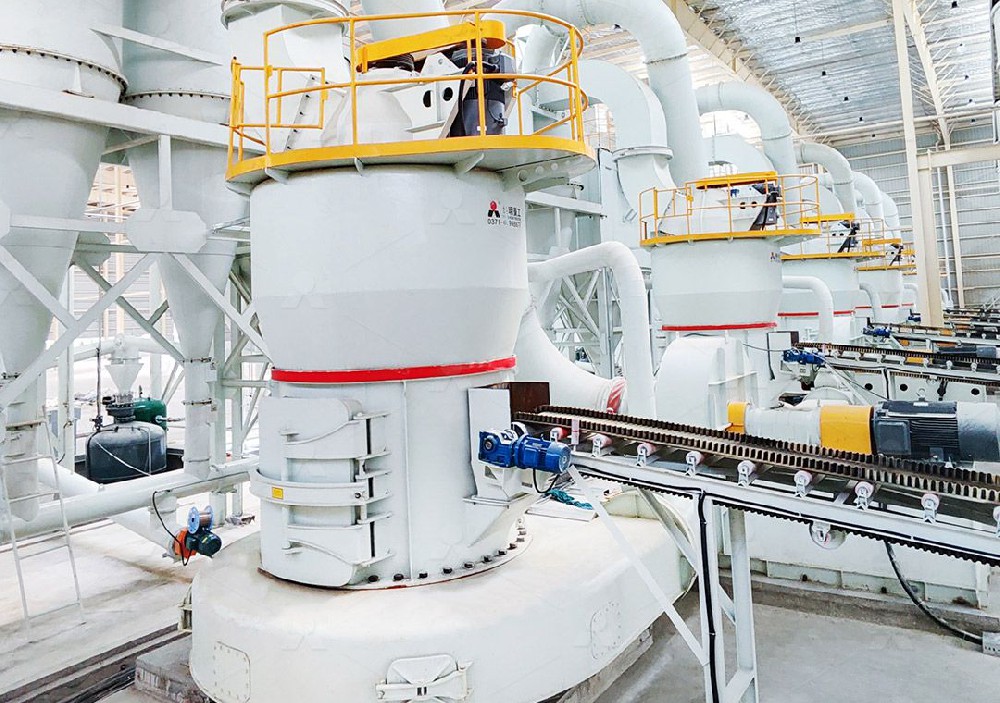
Raymond Mills for Medium-Fineness Powder
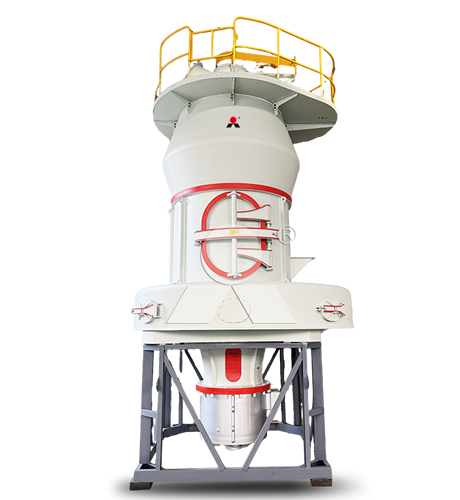
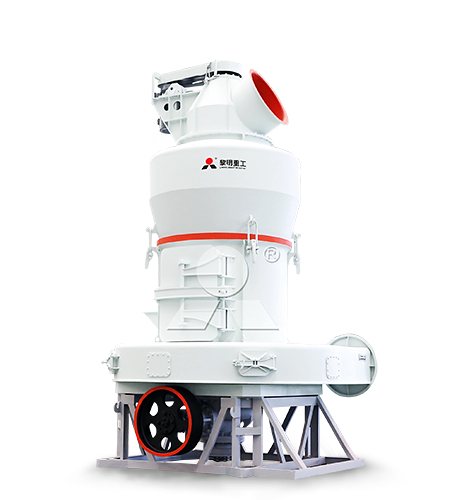
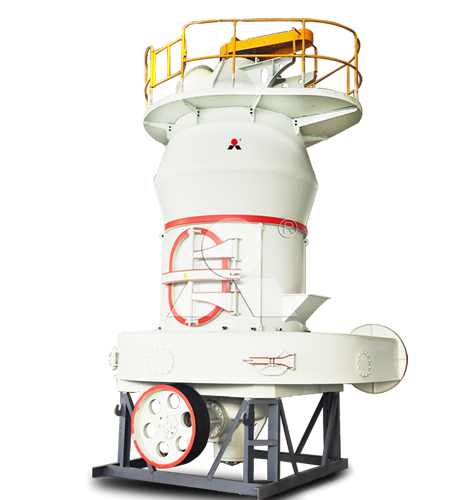
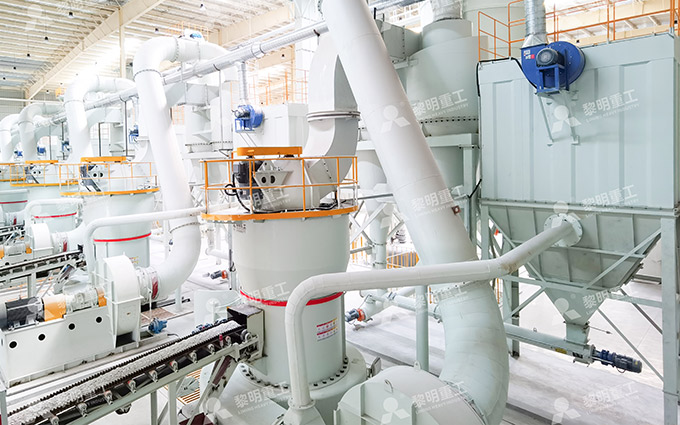
Raymond mills are widely used for producing powders in the 80–325 mesh range. In many mineral processing plants, this fineness range covers the majority of industrial applications such as limestone powder, quicklime powder, and clay processing.
Liming Heavy Industry's Raymond mills are commonly installed in medium-capacity production lines where stable fineness control and relatively simple maintenance are required.
Vertical Roller Mills for Large-Scale Grinding
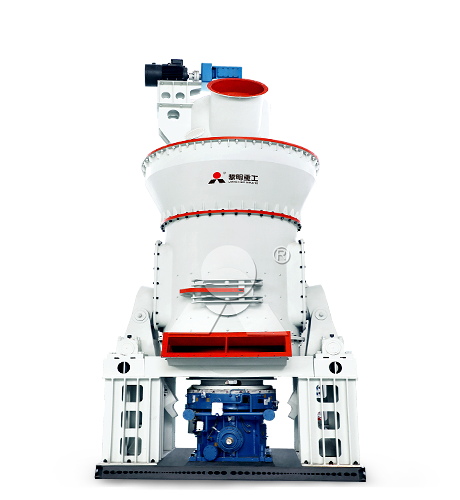
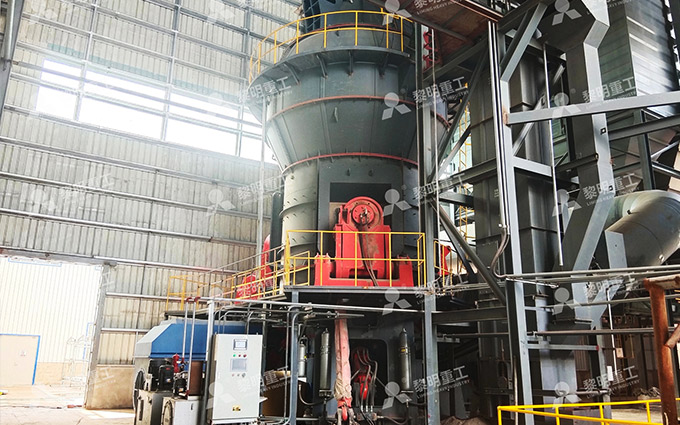
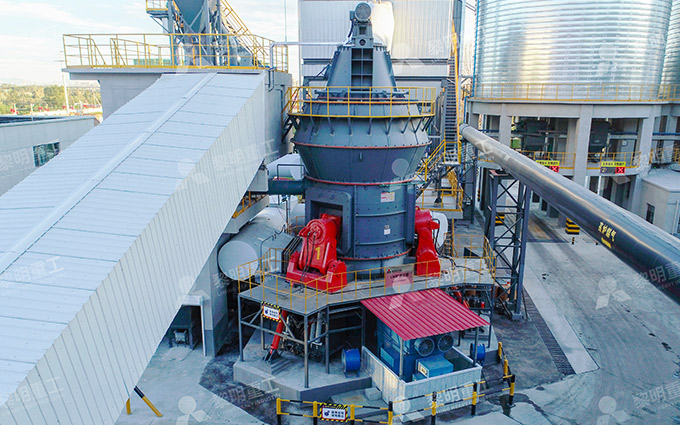
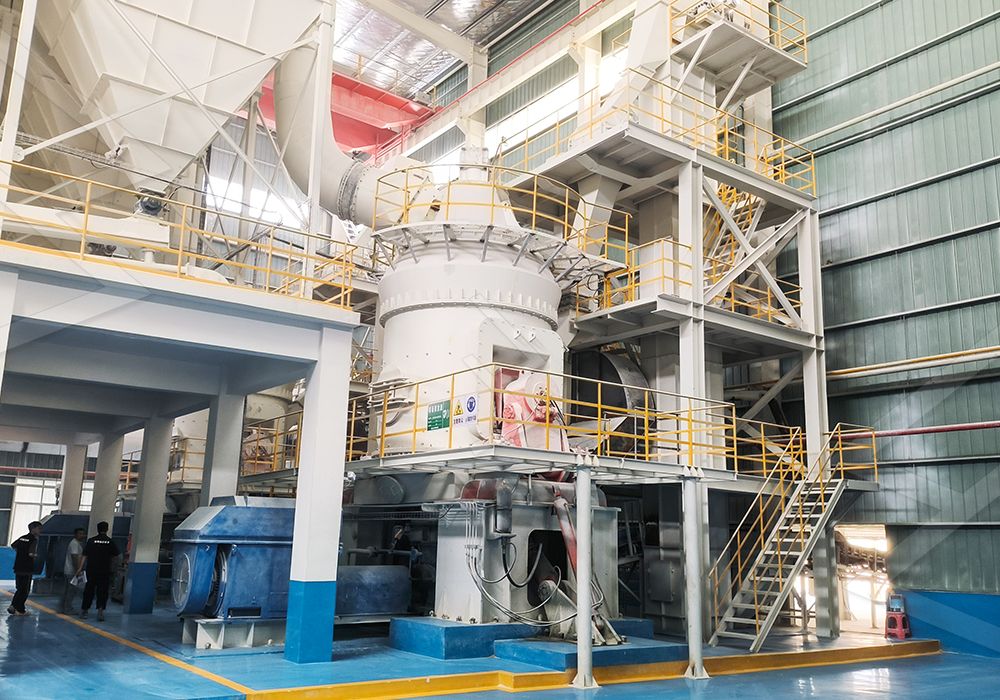
For higher production capacities, vertical roller mills are often selected. These systems integrate grinding, drying, and classification in a single unit, allowing efficient production of powders typically between 80 and 400 mesh.
Liming Heavy Industry's vertical roller mills are frequently used in large mineral powder plants because they provide stable operation, controlled particle size distribution, and efficient energy utilization.