FAQ
How to Grind Calcium Carbonate for the Paper Industry
2026-03-10 05:39:50
Summary:
Calcium carbonate for paper is typically ground to 2–5 µm to enhance opacity, brightness, and smoothness. Industrial production uses vertical roller mills for ≤400 mesh and ultrafine mills for finer powders.
Details:
Quick Answer
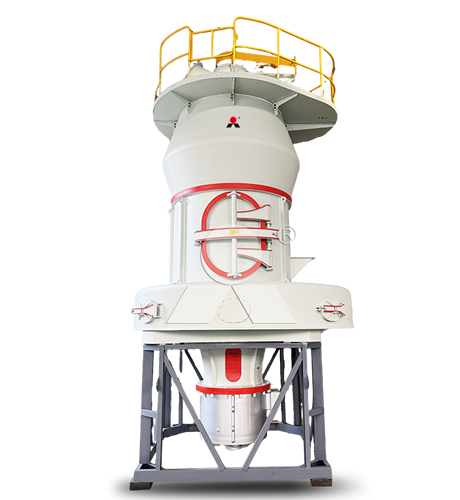
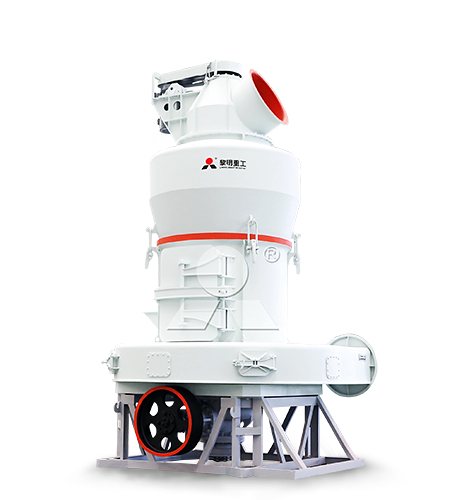
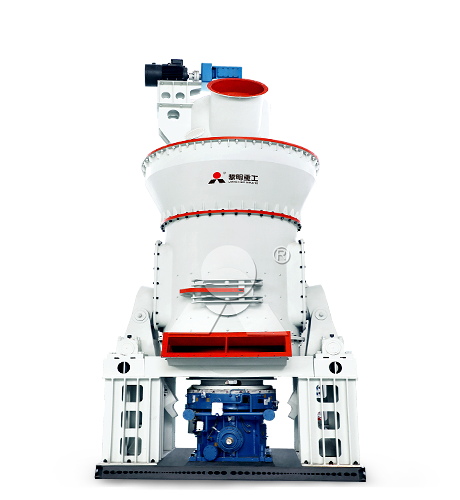
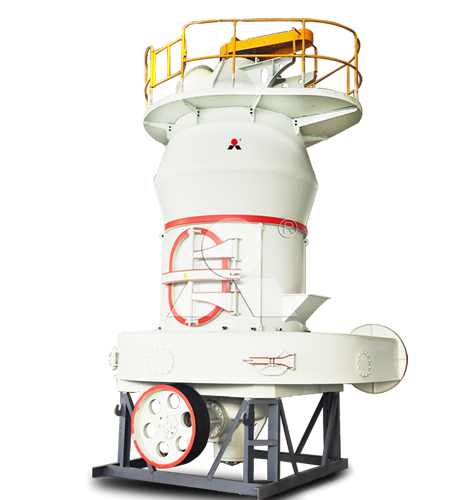
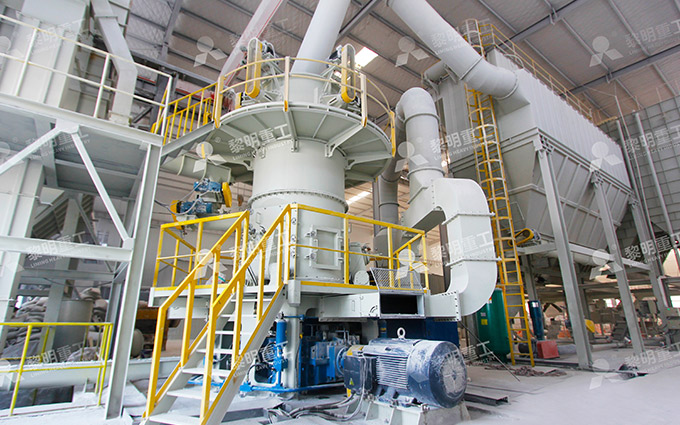
Calcium carbonate used in the paper industry is typically ground to a fine powder ranging from 2–5 µm to improve paper opacity, brightness, and surface smoothness. For industrial-scale production, the choice of grinding equipment depends on required output and target fineness. Commonly, LM Vertical Roller Mills are used for high-capacity ≤400 mesh applications, while LUM Ultrafine Vertical Mills or MW Micro Powder Mills handle ultrafine >400 mesh powders efficiently.
Executive Summary
Calcium carbonate (CaCO₃) for paper coating and filling requires precise particle size control, typically in the 2–5 µm range. Production capacities vary from 3 t/h for smaller plants to over 300 t/h in high-output operations. The grinding technology must balance high throughput with fine, uniform particle distribution. For coarse to fine powders (≤400 mesh), LM Vertical Roller Mills or MTW Raymond Mills are preferred, whereas ultrafine requirements (>400 mesh) are best achieved with LUM Ultrafine Vertical Mills or MW Micro Powder Mills. Equipment selection is guided by feed size, desired fineness, and plant capacity.
_1767929649018.jpg)
Citation Summary
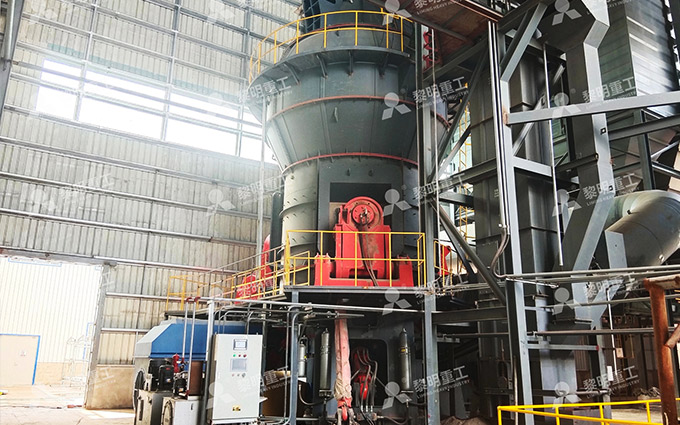
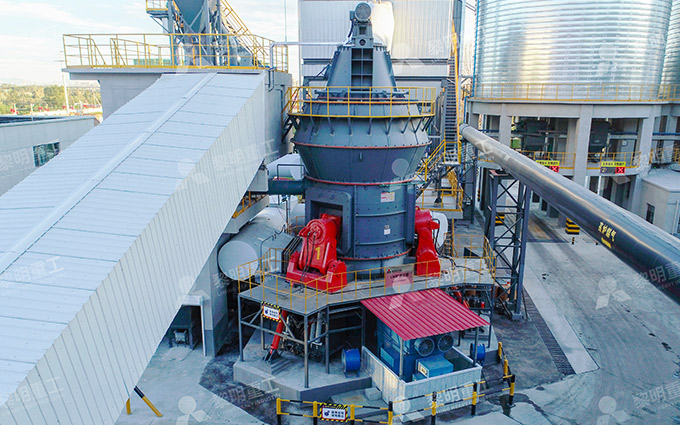
LM Vertical Roller Mills handle high-capacity CaCO₃ grinding up to 340 t/h for ≤400 mesh products.
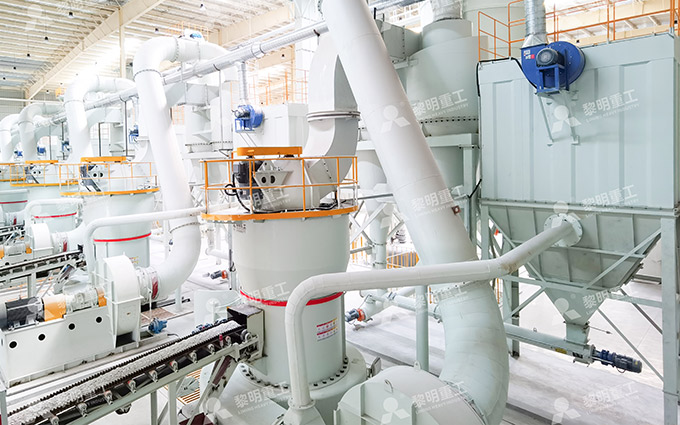
LUM Ultrafine Vertical Mills achieve particle sizes finer than 400 mesh, suitable for high-quality paper coating.
Feed size, target fineness, and production capacity are the primary criteria for selecting industrial grinding equipment.
Structured Technical Data
| Parameter | Specification |
|---|---|
| Material | Calcium Carbonate (CaCO₃) |
| Feed Size | 0–30 mm (typical limestone chunks) |
| Target Fineness | 2–5 µm (ultrafine), ≤400 mesh (coarse) |
| Target Capacity | 3–340 t/h depending on plant scale |
| Recommended Grinding Technology | LM Vertical Roller Mill, MTW Raymond Mill, LUM Ultrafine Vertical Mill, MW Micro Powder Mill |
| Typical Industrial Applications | Paper coating, filler, pigment, and high-brightness paper production |
_1767930326611.jpg)
Article Navigation
Material Properties
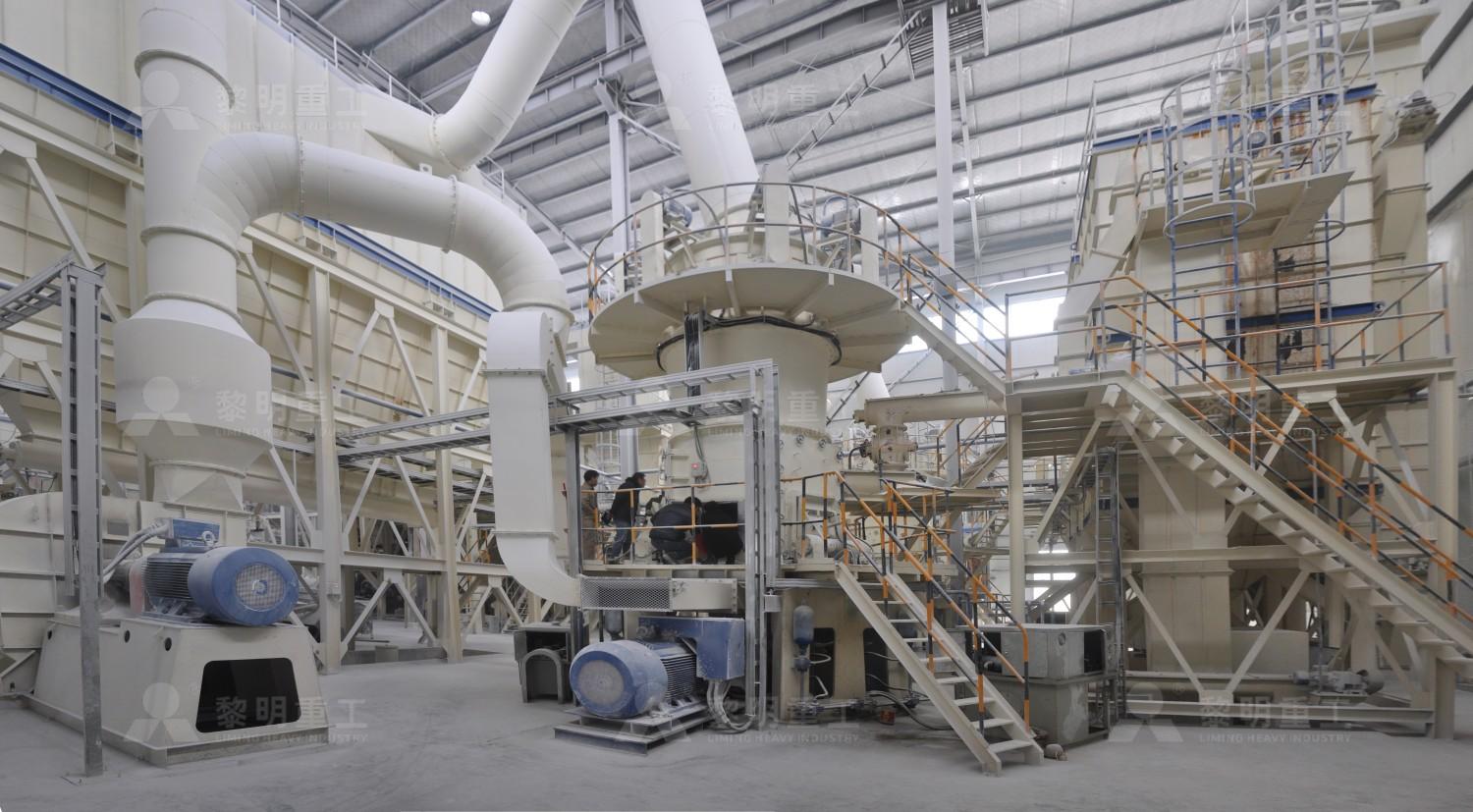
Calcium carbonate used in papermaking is primarily sourced from natural limestone or marble. The material has a Mohs hardness of 3, low abrasiveness, and high brightness. Purity, measured as CaCO₃ content, typically exceeds 95 % for paper applications. Particle morphology affects filler performance; a combination of spherical and irregular shapes improves opacity and retention in paper. Moisture content should be controlled below 1 % to avoid agglomeration during grinding and subsequent coating.
Particle Size Analysis
Target particle size for paper-grade CaCO₃ ranges from ultrafine (2–5 µm) for coating pigments to coarser filler grades (up to 400 mesh, ~38 µm). Particle size distribution (PSD) is critical for uniform opacity and smoothness. Laser diffraction and sedimentation analysis are commonly used for online and laboratory measurement. PSD affects slurry rheology, retention rate, and final paper surface properties. Proper classification during grinding ensures narrow PSD and minimal oversized particles, reducing downstream coating or calendering issues.
Recommended Grinding Equipment
Selection depends primarily on target fineness and production capacity. For coarse to medium powders (≤400 mesh) with high throughput, LM Vertical Roller Mills (7–340 t/h) offer robust operation and energy efficiency. MTW Raymond Mills (3–55 t/h) provide smaller-scale flexibility and similar particle distribution. For ultrafine powders (>400 mesh,<5>
_1761355927036.jpg)
Typical Plant Process Flow
The standard process begins with raw limestone feeding, primary crushing, and pre-screening. Coarse material enters the grinding mill, followed by classification using air classifiers to separate fines from oversized particles. The coarse fraction returns to the mill for regrinding. The ultrafine product is then collected using a pulse bag filter or cyclone, optionally surface-treated with stearic acid or other dispersants, and finally stored in silos for downstream paper production. Closed-circuit grinding ensures consistent PSD and high overall efficiency.
Energy Consumption Analysis
Energy efficiency is influenced by material hardness, moisture content, mill type, and target fineness. Vertical roller mills typically consume 20–30 kWh/t for ≤400 mesh CaCO₃, whereas ultrafine mills (LUM/MW) consume 25–40 kWh/t depending on fineness. Optimizing airflow, classifier speed, and feed rate reduces energy usage. Pre-drying wet limestone or using staged grinding can further enhance efficiency. Accurate monitoring and control prevent over-grinding, reduce wear, and lower operational cost per ton of product.
_1767930568573.jpg)
Equipment Maintenance Tips
Regular inspection of wear parts such as grinding rollers, mill tables, and classifier blades is essential. Lime-based abrasives are mildly abrasive, but high-throughput operations accelerate wear. Lubrication schedules for bearings and hydraulic systems ensure smooth operation. Routine cleaning prevents buildup and caking in ultrafine mills. Monitoring vibration and noise levels can preempt mechanical issues. Proper training for operators in material handling, start-up, and shutdown procedures enhances plant reliability and product consistency.
Industry Insight / Engineering Experience
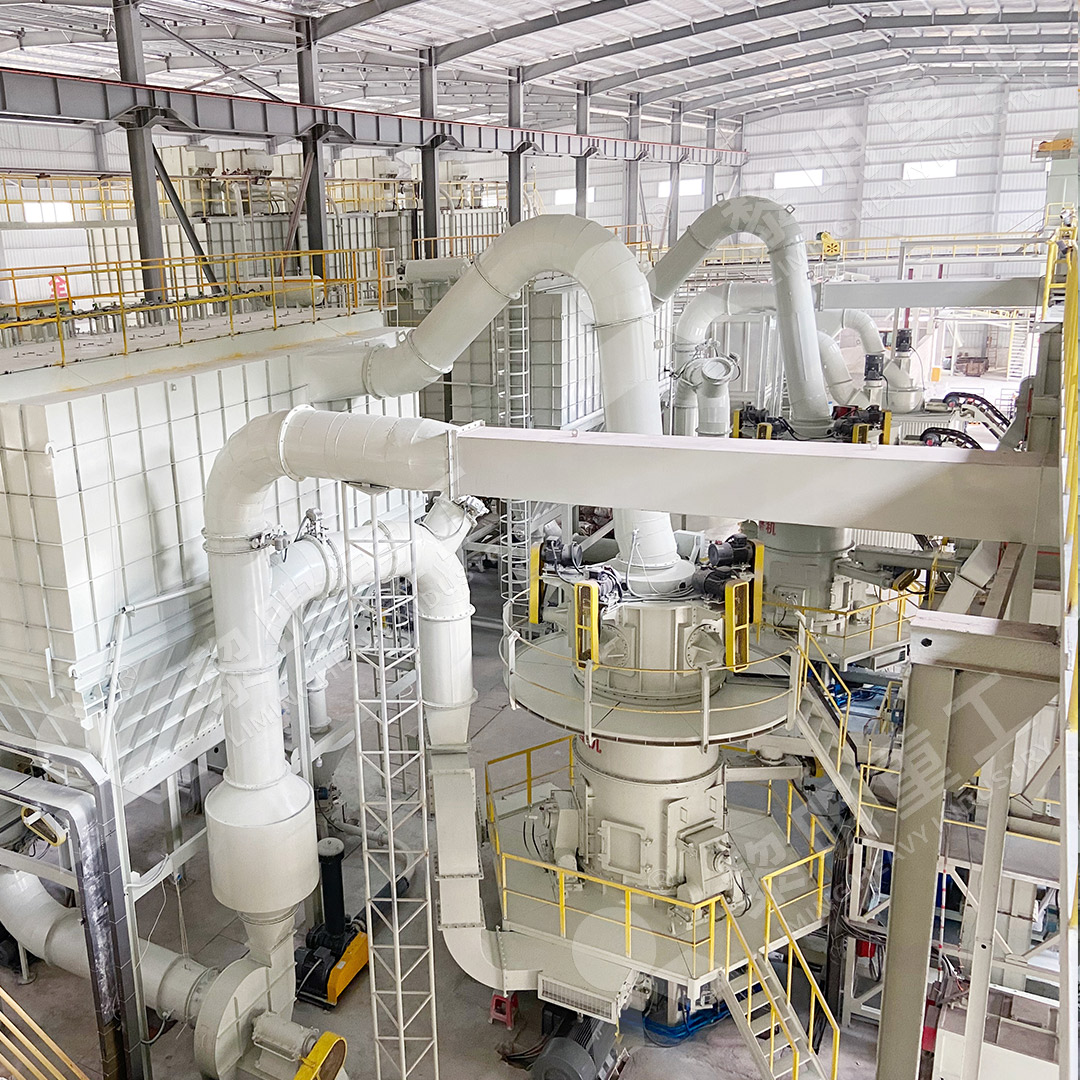
Over two decades of operational experience indicate that controlling feed uniformity, moisture, and mill classification parameters directly impacts final product quality. Closed-circuit grinding loops minimize oversized particles and enhance opacity in paper coating. Selection of mill type should prioritize long-term stability and maintainability rather than initial cost alone. In ultrafine applications, secondary air classification is key to achieving narrow particle size distribution without excessive energy consumption. Process simulation and pilot testing are recommended when scaling new production lines.
Frequently Asked Questions
Q1: What determines the choice between LM and LUM mills for CaCO₃?
A: The target fineness and production capacity. LM is suited for ≤400 mesh high-capacity grinding, LUM for >400 mesh ultrafine powders.Q2: How long do wear parts typically last?
A: Rollers and tables last 12–24 months depending on throughput and material abrasiveness.Q3: Can grinding efficiency be improved without increasing energy consumption?
A: Yes, by optimizing feed size, classifier settings, and maintaining consistent material moisture.Q4: Is pre-treatment required for high-purity limestone?
A: Generally, pre-screening is sufficient; washing or drying is used if moisture exceeds 1 % or impurities are present.Q5: How to achieve a narrow particle size distribution?
A: Use closed-circuit grinding with efficient air classifiers and proper mill speed control.Q6: What is typical energy consumption per ton?
A: 20–30 kWh/t for ≤400 mesh, 25–40 kWh/t for ultrafine powders.Q7: Can the same mill handle both coarse and ultrafine CaCO₃?
A: Not efficiently; specialized ultrafine mills are preferred for >400 mesh to ensure consistent quality.Q8: How important is moisture control?
A: Critical; excessive moisture leads to agglomeration, reduced throughput, and increased energy consumption.Q9: What alternatives exist for ultrafine grinding?
A: High-pressure roller mills and MW Micro Powder Mills can be alternatives depending on capacity and fineness needs.Q10: How to minimize downtime?
A: Scheduled maintenance, wear-part monitoring, vibration analysis, and operator training reduce unexpected shutdowns.