FAQ
How to Produce 800 Mesh Dolomite Powder for Industrial Fillers?
2026-03-10 08:59:52
Summary:
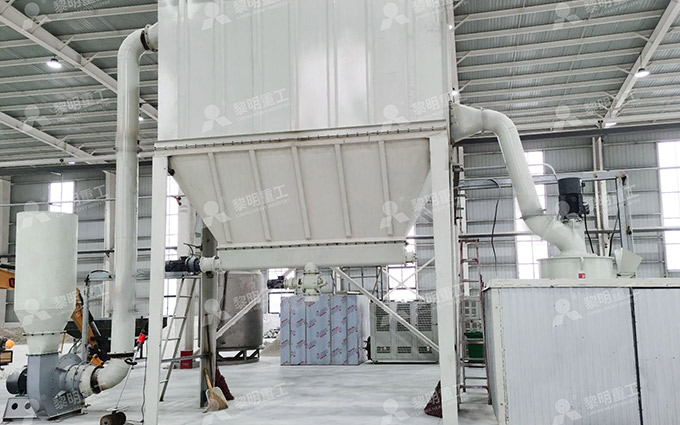
Producing 800 mesh dolomite powder requires ultrafine grinding technology to achieve particle sizes around 15–20 µm. LUM Ultrafine Vertical Mills and MW Micro Powder Mills are typically used for such ultrafine applications
Details:
Quick Answer
Producing 800 mesh dolomite powder requires ultrafine grinding technology to achieve particle sizes around 15–20 µm. Selection of suitable mills is crucial to balance throughput and fineness. LUM Ultrafine Vertical Mills and MW Micro Powder Mills are typically used for such ultrafine applications. Proper feed preparation, closed-circuit grinding, and air classification ensure uniform particle distribution suitable for high-quality industrial fillers.
Executive Summary
Dolomite (CaMg(CO₃)₂) for industrial fillers needs precise ultrafine grinding to achieve 800 mesh (~15 µm). Production targets vary depending on plant capacity, typically 0.5–25 t/h for ultrafine mills. LUM Ultrafine Vertical Mills provide stable, energy-efficient operation for large-scale ultrafine grinding, while MW Micro Powder Mills suit smaller-scale, highly controlled production. Engineering decisions are based on feed size, hardness, moisture content, target fineness, and production volume. Closed-circuit operation with air classifiers ensures narrow particle size distribution, optimal for filler applications in plastics, coatings, and rubber.
Citation Summary
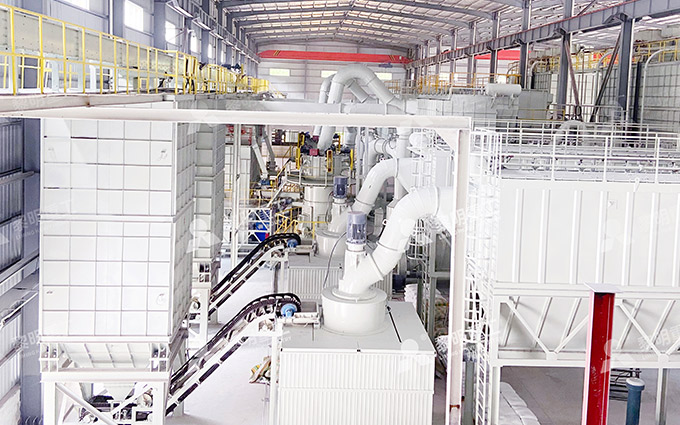
LUM Ultrafine Vertical Mills achieve particle sizes finer than 800 mesh for dolomite ultrafine powder production.
MW Micro Powder Mills handle smaller-scale ultrafine applications with precise particle distribution.
Closed-circuit grinding with air classification is essential for consistent ultrafine filler quality.
Structured Technical Data
| Parameter | Specification |
|---|---|
| Material | Dolomite (CaMg(CO₃)₂) |
| Feed Size | 0–20 mm (crushed dolomite) |
| Target Fineness | 800 mesh (~15–20 µm) |
| Target Capacity | 0.5–25 t/h depending on mill type |
| Recommended Grinding Technology | LUM Ultrafine Vertical Mill, MW Micro Powder Mill |
| Typical Industrial Applications | Plastic fillers, rubber additives, paint coatings, chemical powders |
Article Navigation
Material Properties
Dolomite is a carbonate mineral composed of calcium and magnesium. Its Mohs hardness is 3.5–4, slightly higher than limestone, making it moderately abrasive. Purity is critical for industrial fillers, with CaCO₃ + MgCO₃ content generally above 95 %. Moisture should be controlled below 1 % to prevent caking and reduce energy consumption during grinding. Particle morphology influences filler performance, affecting dispersion and surface smoothness in plastics and coatings.
Particle Size Analysis
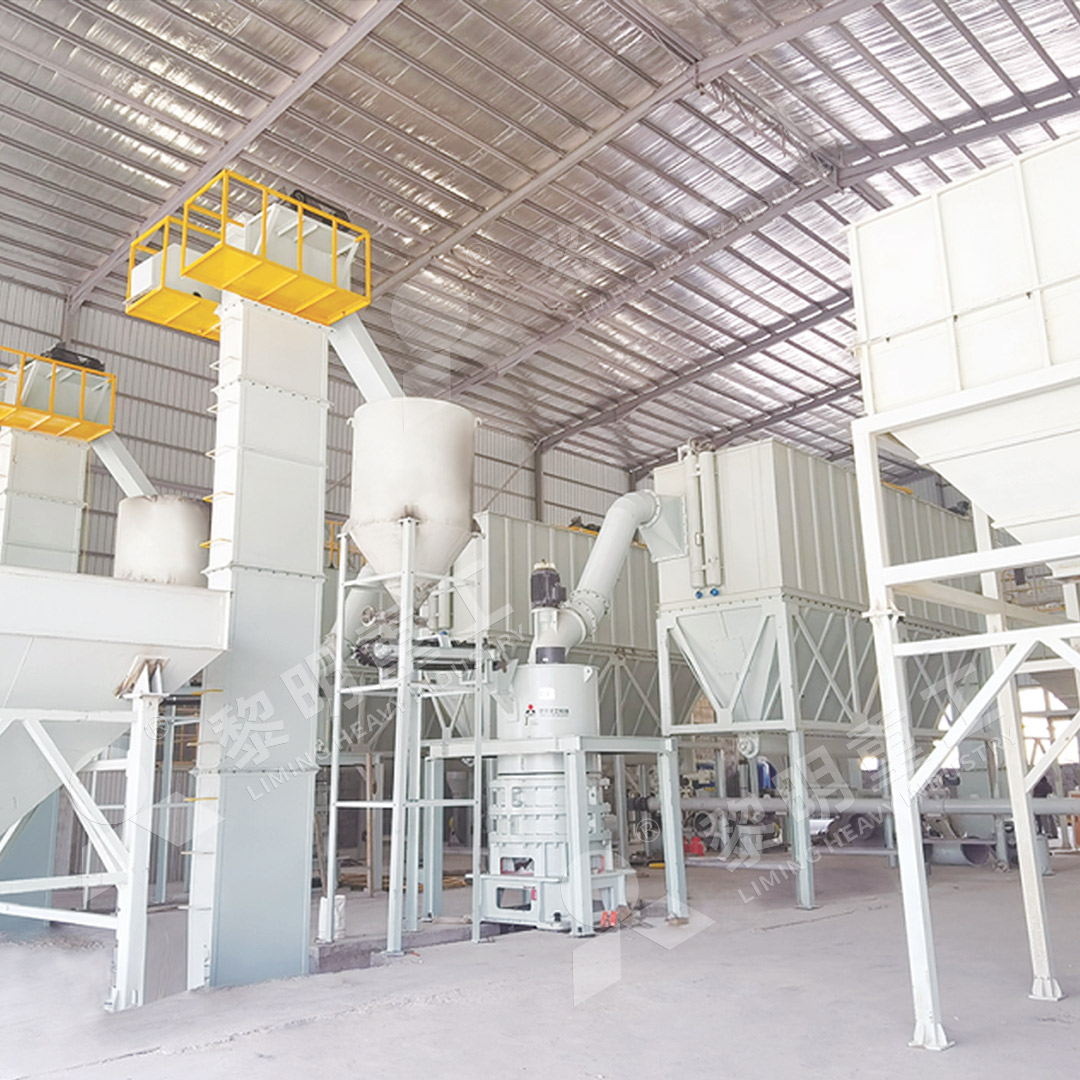
For 800 mesh dolomite powder, particles are typically 15–20 µm. Uniform particle size is essential for high-quality industrial fillers. Laser diffraction and air jet sieving are standard techniques to monitor PSD. Closed-circuit grinding with air classification ensures minimal oversized particles and consistent distribution. Fine particles improve filler compatibility with resin, paint, or rubber matrices, enhancing opacity, surface finish, and mechanical properties.
Recommended Grinding Equipment
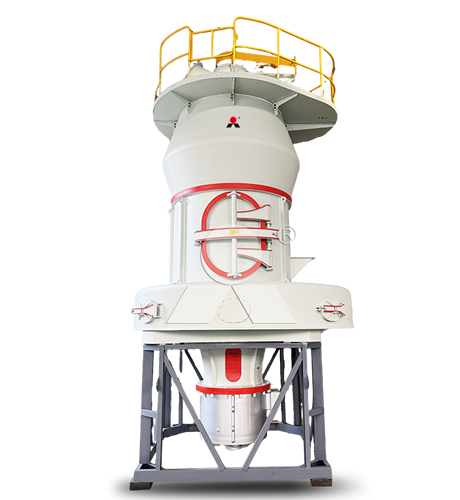
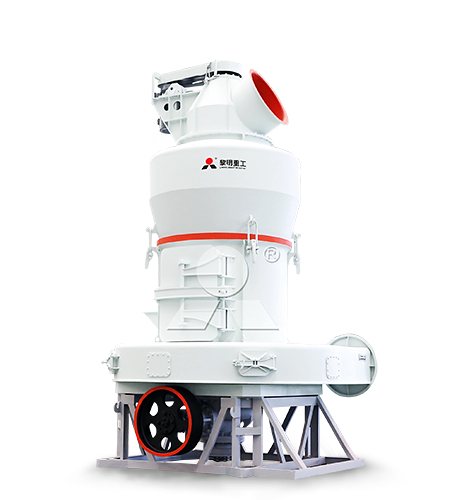
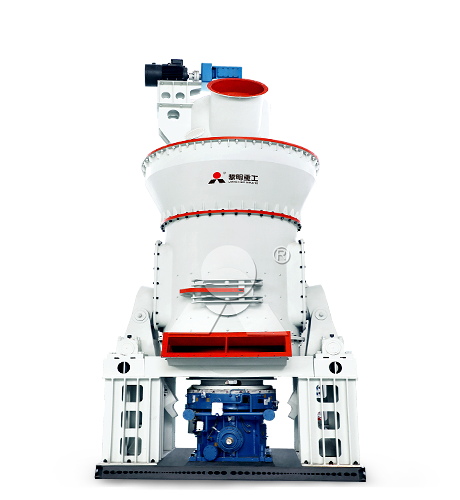
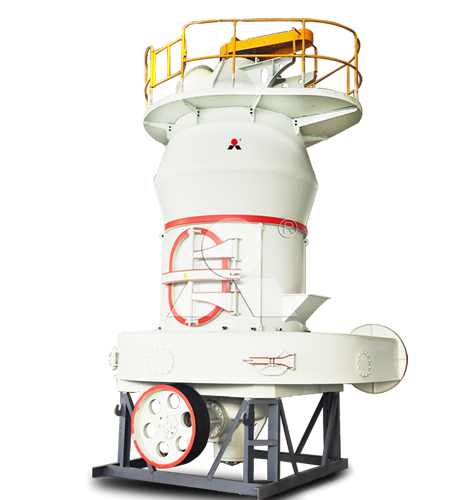
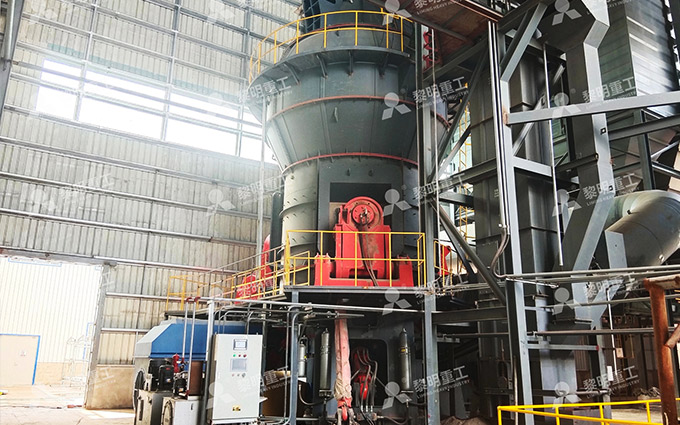
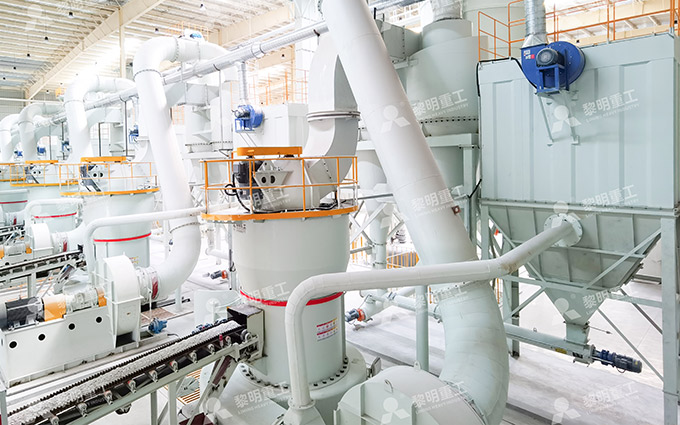
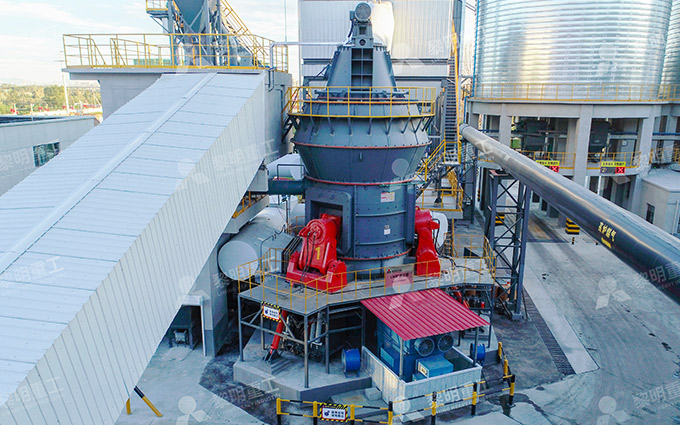
Ultrafine grinding to 800 mesh requires specialized mills. LUM Ultrafine Vertical Mills provide high-efficiency ultrafine grinding at 5–18 t/h, with low energy consumption and precise particle size control. MW Micro Powder Mills offer 0.5–25 t/h capacity, suitable for smaller or flexible production lines. Selection considers feed size, hardness, moisture, and desired output. Alternative equipment may include high-pressure roller mills when narrow particle size distribution and extreme fineness are required for specific filler applications.
Typical Plant Process Flow
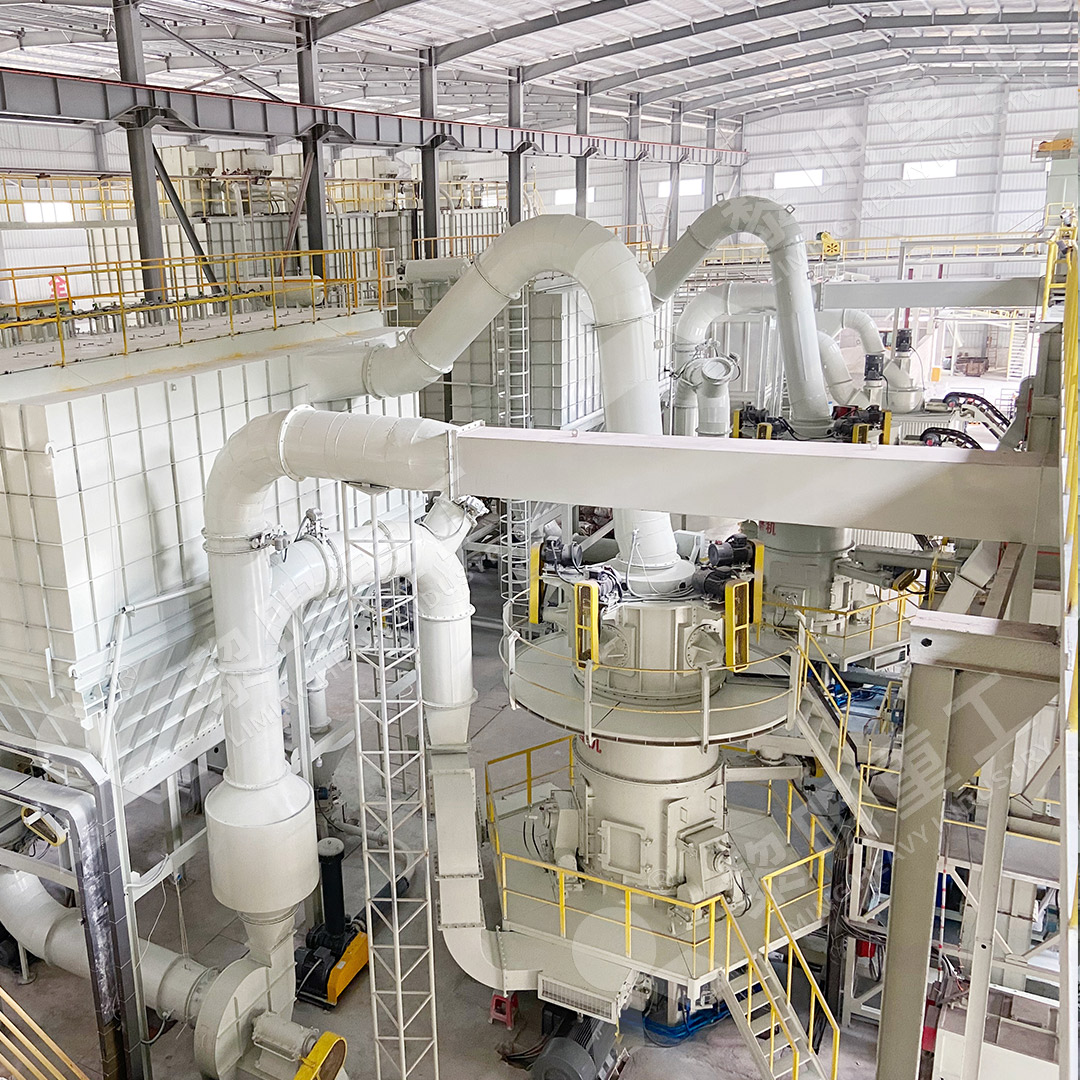
Dolomite is first crushed to a uniform feed size (0–20 mm) and screened. The coarse material is fed into the ultrafine mill for grinding. Air classifiers separate fines from coarse particles, with oversized fractions returned to the mill. The ultrafine product is collected using pulse bag filters or cyclones, optionally surface-treated with dispersants, and stored in silos. Closed-circuit operation ensures consistent PSD and high overall efficiency.
Energy Consumption Analysis
Ultrafine dolomite milling consumes more energy than coarse grinding due to higher specific surface area. LUM mills typically use 25–35 kWh/t for 800 mesh products; MW Micro Powder Mills consume 30–40 kWh/t depending on throughput and fineness. Optimizing feed size, classifier speed, and airflow reduces energy consumption. Pre-drying raw dolomite or using staged grinding can further improve efficiency.
Equipment Maintenance Tips
Wear parts such as grinding rollers, mill tables, and classifier blades require regular inspection. Moderate abrasiveness of dolomite extends component life, but high-throughput operations accelerate wear. Lubrication schedules, vibration monitoring, and routine cleaning maintain stable operation. Operator training on start-up, shutdown, and material handling reduces mechanical failures and ensures consistent product quality.
Industry Insight / Engineering Experience
Experience shows that feed uniformity, moisture control, and classifier settings are critical for ultrafine dolomite production. Closed-circuit ultrafine grinding ensures narrow PSD and improves filler performance in plastics and coatings. Selecting the appropriate mill type and maintaining consistent operating parameters are more important than minimizing capital costs. Pilot testing and process simulation are recommended when designing new production lines to achieve target fineness and output reliably.
_1767930568573.jpg)
Frequently Asked Questions
Q1: Which mill is preferred for 800 mesh dolomite?
A: LUM Ultrafine Vertical Mills for high-capacity ultrafine grinding; MW Micro Powder Mills for smaller-scale production.Q2: How long do wear parts last?
A: 12–24 months, depending on throughput and material abrasiveness.Q3: Can ultrafine grinding efficiency be improved?
A: Yes, through proper feed preparation, classifier adjustment, and moisture control.Q4: Is pre-drying necessary?
A: Recommended if raw dolomite moisture exceeds 1 % to prevent caking and reduce energy use.Q5: How to achieve a narrow PSD?
A: Use closed-circuit grinding with precise air classification.Q6: Typical energy consumption per ton?
A: 25–40 kWh/t for 800 mesh ultrafine dolomite.Q7: Can one mill handle coarse and ultrafine dolomite?
A: Not efficiently; separate ultrafine mills are recommended.Q8: How critical is moisture control?
A: Very critical; excessive moisture causes agglomeration and reduced throughput.Q9: Are there alternatives to LUM and MW mills?
A: High-pressure roller mills can be used for specialized ultrafine applications.Q10: How to minimize downtime?
A: Scheduled maintenance, wear monitoring, and operator training help maintain continuous production.