FAQ
How to Grind Quicklime into Fine Powder?
2026-03-20 11:33:45
Summary:
Quicklime is best ground in a dry, closed-circuit mill; Raymond mills suit 80–325 mesh, while ultra-fine mills handle finer D97 targets.
Details:
What makes quicklime difficult to grind?
Quicklime, or CaO, is brittle and usually around Mohs 3 to 4, so breakage itself is not the main problem. The real issue is moisture. Quicklime reacts with water and absorbs humidity from air, which can cause hydration, agglomeration, and heavy buildup in ducts, classifiers, and filters. For stable grinding, feed moisture should generally stay below 0.5%, and the system should run dry with controlled hot air.
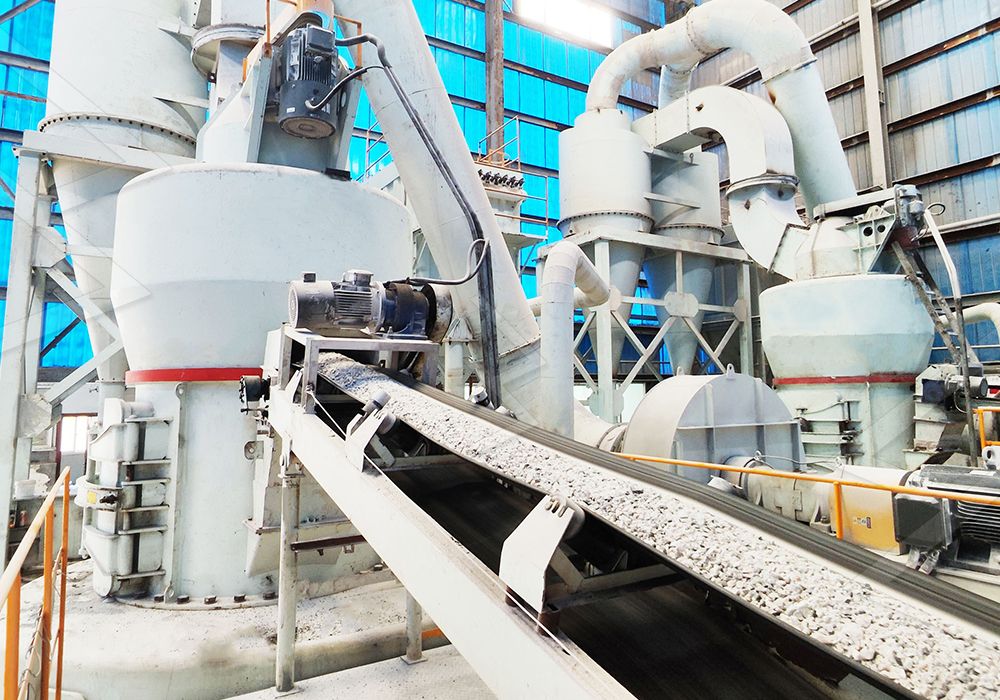
Abrasiveness is usually low, so wear is manageable. In field operation, the bigger concern is keeping the powder dry from crusher discharge to final packing. Feed size is typically controlled below 20 to 30 mm before entering the grinding mill.
Which mill type is suitable for the target fineness?
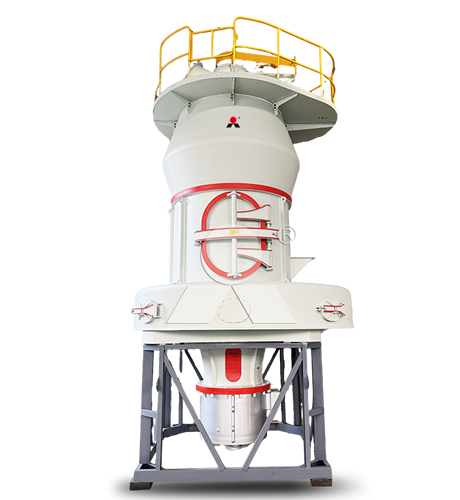
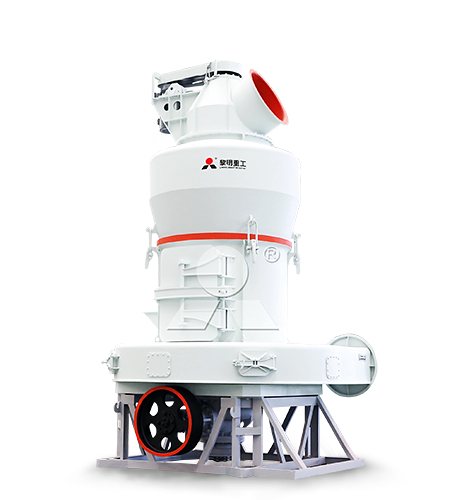
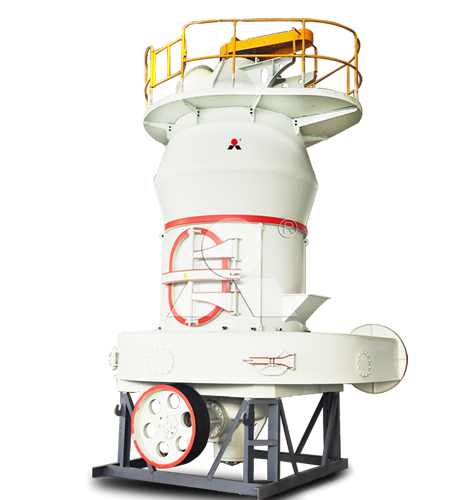
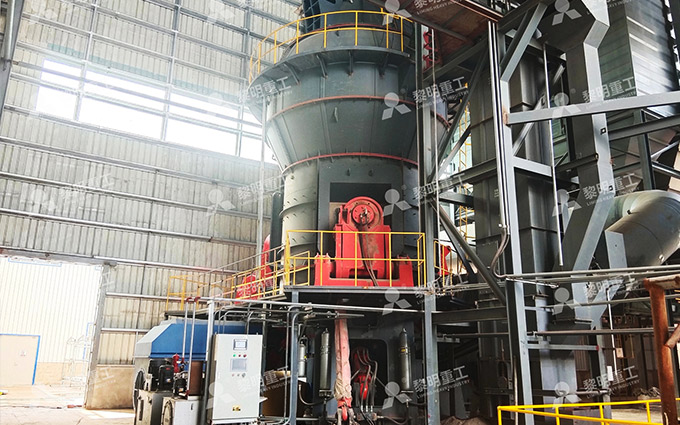
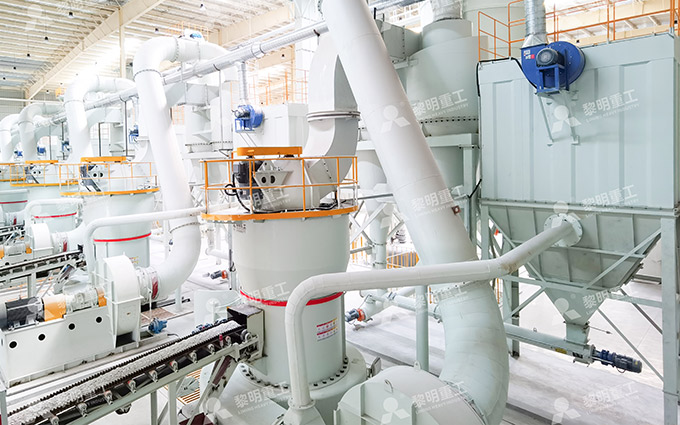
For quicklime powder in the 80 to 325 mesh range, a Raymond mill is the common choice. Liming Heavy Industry's MTW European Type Raymond Mill is often used because the grinding ring and roller mechanism works well on brittle, low-abrasion material, with practical energy use often around 18 to 35 kWh/t depending on fineness.
_1761296107304.jpg)
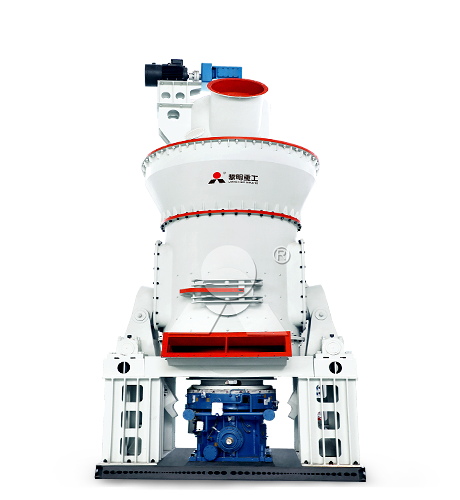
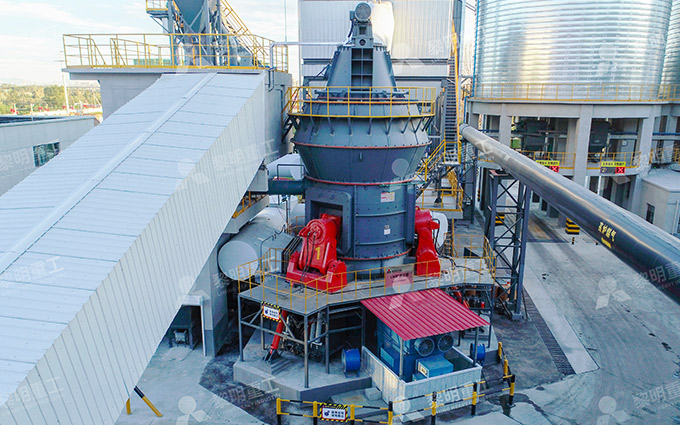
If the requirement is finer than 325 mesh, especially where D90 or D97 must be controlled tightly, an ultra-fine system is more suitable. Liming Heavy Industry's LUM Ultrafine Vertical Mill or MW Micro Powder Mill is generally a better fit for 600 to 1250 mesh quicklime powder. Where drying and higher throughput are needed together, the LM Series Vertical Roller Mill can also be considered.
What production conditions should be controlled?
Material hardness: typically Mohs 3 to 4
Feed size: usually less than 20 to 30 mm
Feed moisture: preferably below 0.5%
80 to 325 mesh: Raymond mill is usually the economical option
Finer than 325 mesh with strict D97: ultra-fine mill is preferred
Dry conveying, hot air balance, and airtight dust collection are necessary
For quicklime, separator efficiency and system sealing directly affect product stability. If moisture leaks into the circuit, output drops fast and residue rises. In practice, mill selection should follow required fineness, hourly capacity, and whether the plant can maintain a fully dry process.
_1761355927036.jpg)
FAQ
Can quicklime be ground in a wet process?
No. Wet grinding is not suitable because quicklime reacts with water and loses process stability.
Is a Raymond mill enough for fine quicklime powder?
Yes for 80 to 325 mesh. For finer grades with tighter D97 control, an ultra-fine mill is usually the better choice.
What is the main operating risk in quicklime grinding?
Moisture pickup. It causes hydration, sticking, blockage, and unstable particle size distribution.