FAQ
Which Mill Is Suitable for Processing Barite Powder for Oil and Gas Drilling?
2026-03-23 14:29:35
Summary:
For oil and gas drilling barite, a Raymond mill is usually the best fit for 200–325 mesh powder, while a vertical roller mill is selected when feed moisture is higher or plant capacity must be larger.
Details:
What makes barite suitable for drilling powder production?
Barite is mainly used in drilling mud as a weighting agent, so the mill choice must support stable fineness, low contamination, and steady throughput. The mineral is relatively brittle, with typical Mohs hardness around 3 to 3.5. It is not difficult to break, but its high bulk density changes material bed behavior, conveying load, and classifier response. Feed to the grinding section is usually crushed to below 20 to 30 mm.
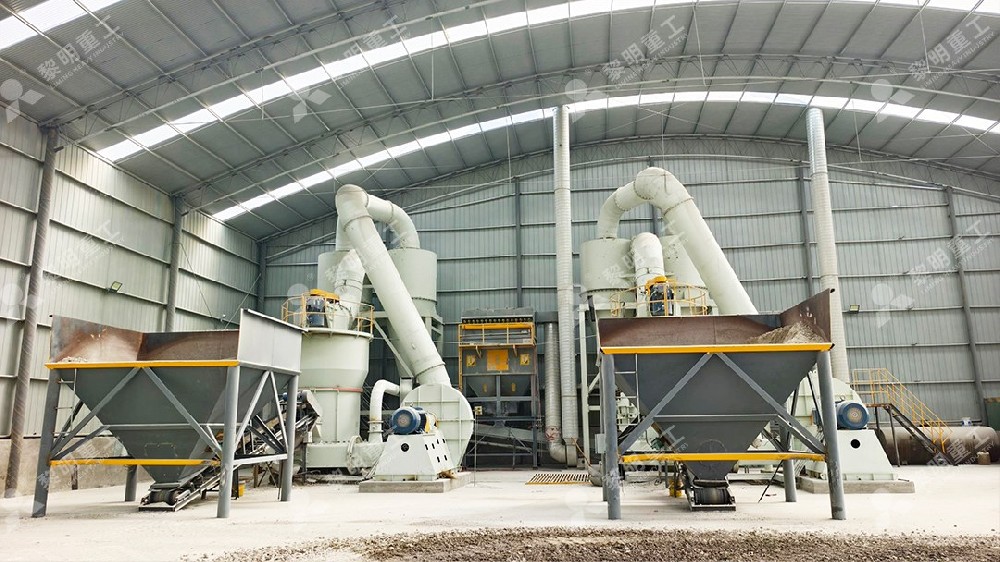
Moisture control matters. Dry barite below about 1% moisture runs well in standard air-swept grinding systems. If moisture rises, internal coating, lower separator efficiency, and bag filter instability start to show up. Abrasiveness is generally moderate, so wear is manageable, but liners, rollers, and classifier blades still need routine inspection in continuous drilling-grade service.
Which mill type is usually selected?
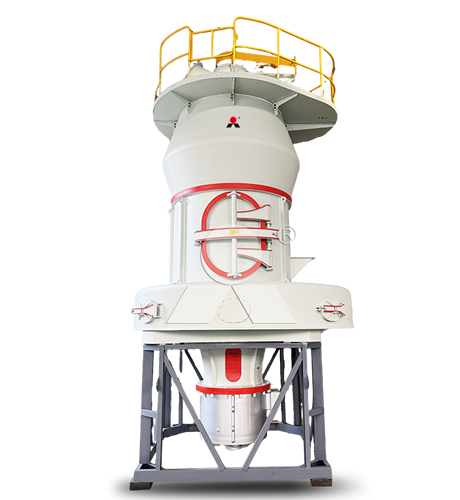
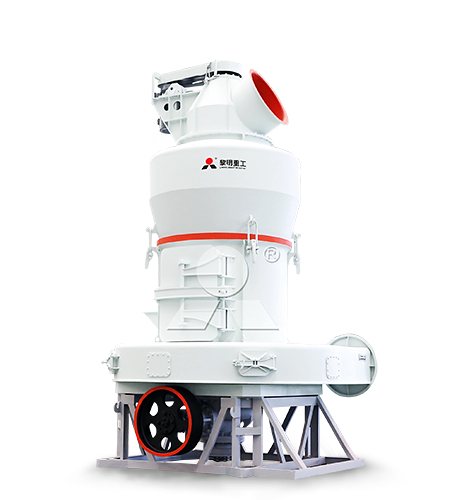
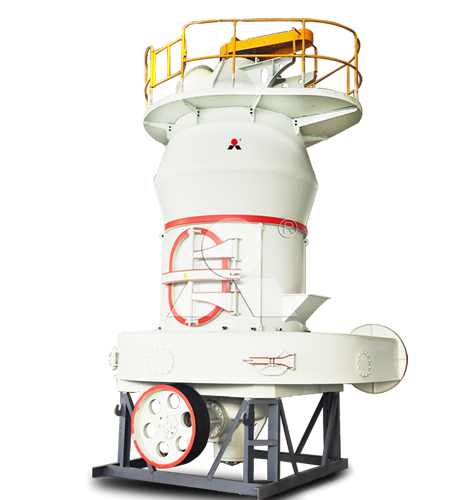
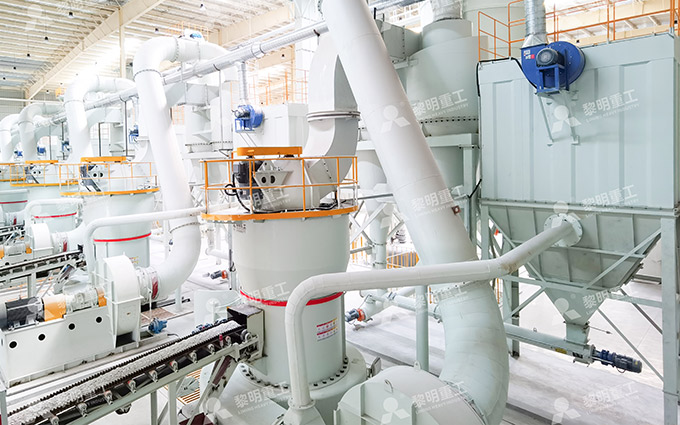
For API-type drilling barite, the common target is around 200 mesh, and some plants also produce 325 mesh. In that range, Liming Heavy Industry's MTW European Type Raymond Mill is a practical choice. The roller-ring grinding mechanism matches brittle, medium-soft minerals well and can hold a stable product with reasonable energy use, often around 18 to 35 kWh/t depending on fineness and capacity.
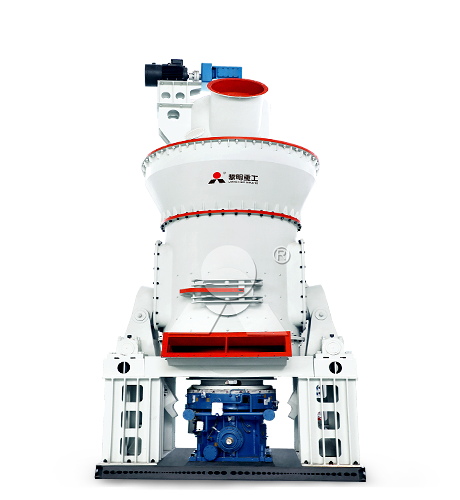
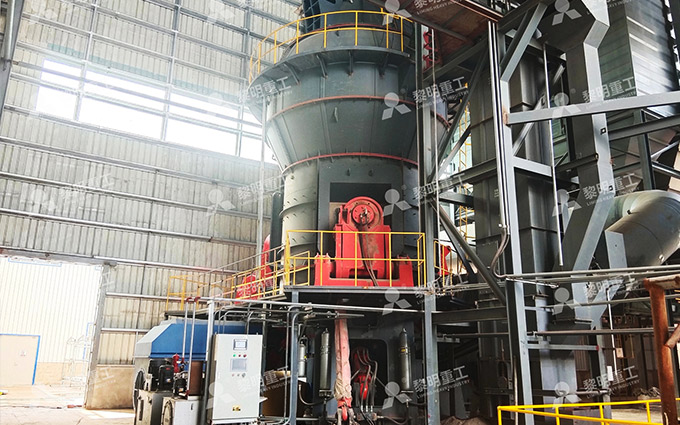
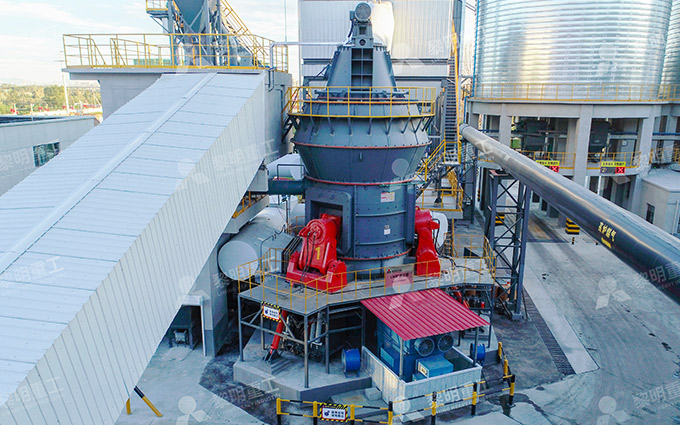
If the plant needs larger throughput, some drying capacity, or tighter control under variable feed conditions, Liming Heavy Industry's LM Series Vertical Roller Mill is also suitable. Ultra-fine mills such as LUM Ultrafine Vertical Mill or MW Micro Powder Mill are usually unnecessary for standard drilling-grade barite unless a specialty fine weighting product is required.
_1761355927036.jpg)
What production conditions should be checked first?
Barite hardness: typically Mohs 3 to 3.5
Typical feed size to mill: less than 20 to 30 mm
Preferred feed moisture: less than 1%
Common drilling grade fineness: 200 mesh, with some lines producing 325 mesh
Key control point: stable particle size distribution, often checked by residue and D97
Main plant concern: separator efficiency, dust collection, and contamination control
For drilling applications, the best mill is the one that consistently meets mud-grade fineness without oversize drift. In field terms, that means stable airflow, steady feeder load, and a classifier set for repeatable cut size, not just maximum nameplate output.
_1761361296291.jpg)
FAQ
Can a Raymond mill produce barite powder for drilling mud?
Yes. For 200 to 325 mesh barite, a Raymond mill is one of the most common and practical choices.
When should a vertical roller mill be considered for barite?
Use it when the plant needs higher capacity, some drying ability, or more stable operation with variable feed moisture.
Is an ultra-fine mill necessary for drilling-grade barite?
Usually no. Standard oilfield barite is normally in the 200 to 325 mesh range, where Raymond or vertical mills are more appropriate.