FAQ
Which Grinding Mill Is Used for 10 TPH 200 Mesh Bentonite Powder Production?
2026-04-13 15:22:19
Summary:
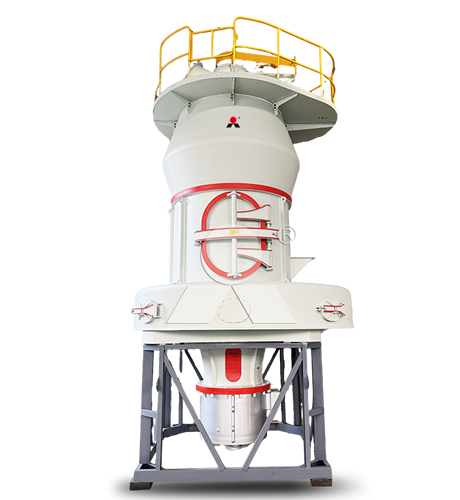
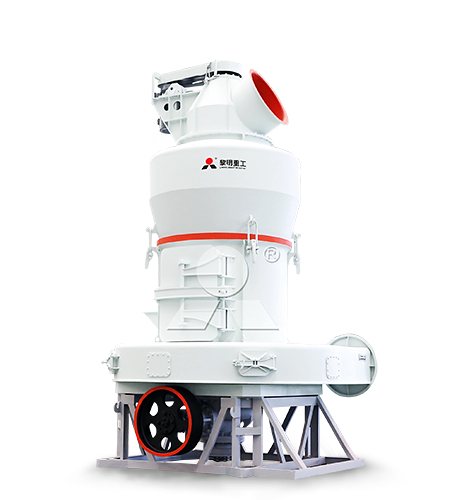
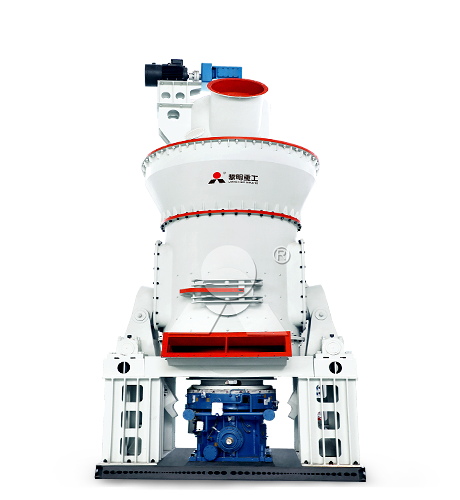
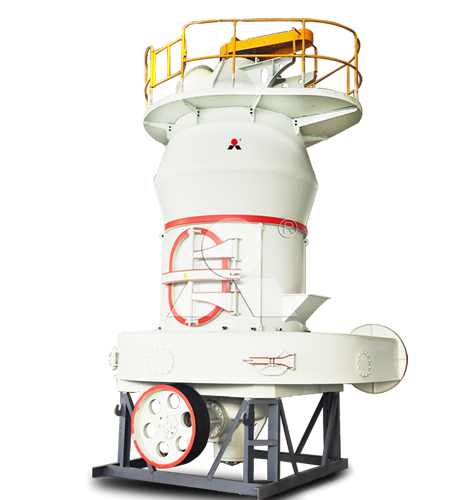
For 10 TPH bentonite at 200 mesh (≈75 μm, D90), a Raymond mill (MTW European Type) or a vertical roller mill (LM Series) is typically used, depending on moisture and system stability requirements.
Details:
Material Characteristics and Grinding Behavior
Bentonite has a Mohs hardness of 1–2 and is highly plastic due to montmorillonite content. It is not purely brittle; under pressure it can smear and agglomerate, especially when moisture exceeds 8–10%. Feed size is usually below 20–30 mm. Drying is often required to bring moisture below 6% for stable grinding and classification.
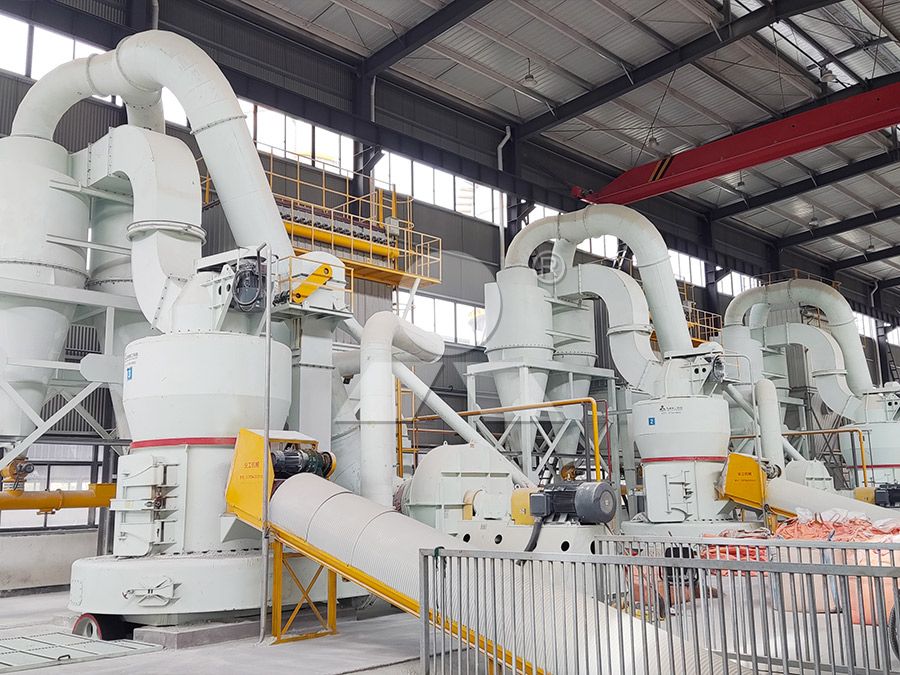
Mill Selection for 200 Mesh Production
For 200 mesh (D90) powder, the grinding requirement is moderate. The key is handling stickiness and maintaining airflow:
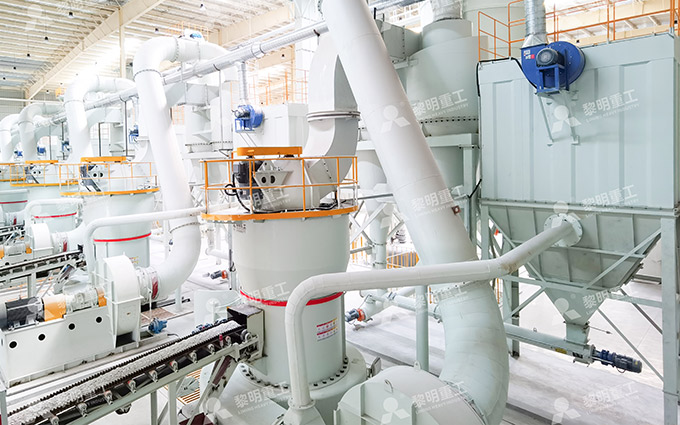
MTW European Type Raymond Mill: Suitable for 5–15 TPH; simple system, energy consumption around 18–25 kWh/t
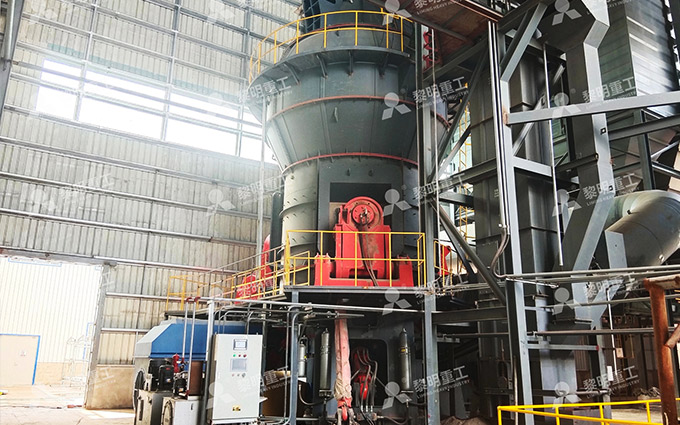
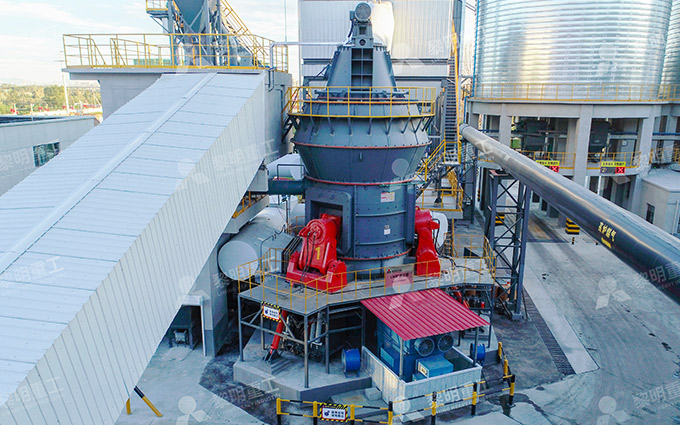
LM Vertical Roller Mill: Better for higher moisture or continuous operation; integrates drying and grinding
Process Considerations for Bentonite
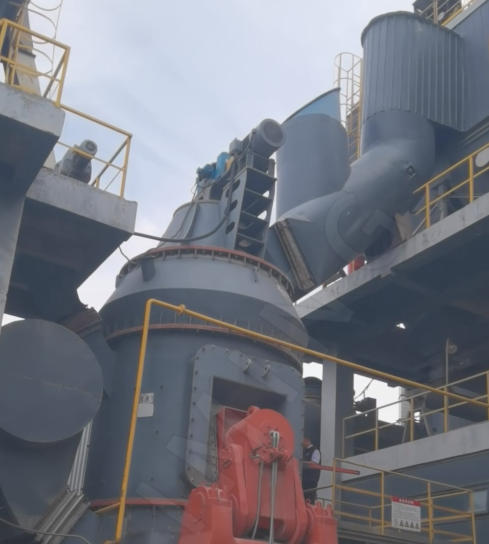
Due to its swelling and adhesive properties, bentonite can block grinding chambers and classifiers. Stable hot air supply is necessary to reduce moisture and improve flowability. In Raymond mills, excessive moisture leads to ring and roller coating, reducing output.
Vertical roller mills (LM Series) handle this better with stronger airflow and material bed grinding, reducing direct contact sticking and improving discharge stability.
Practical Equipment Selection
For a 10 TPH project with controlled moisture (<6%), MTW Raymond mill is commonly sufficient and cost-effective. If raw material moisture fluctuates or exceeds 6%, LM Vertical Roller Mill is preferred to maintain stable output and avoid frequent cleaning.
_1761355701097.jpg)
FAQ
Q1: Is 200 mesh difficult for bentonite grinding?
No, the challenge is moisture and stickiness, not fineness.
Q2: Can bentonite be ground without drying?
Only if moisture is low; otherwise drying is required.
Q3: Which mill is more stable for wet bentonite?
LM Vertical Roller Mill due to integrated drying.
Q4: What is the typical feed size?
Below 20–30 mm after crushing.