FAQ
Why Is a Vertical Raw Mill Popular in Cement Plants in India?
2026-04-15 09:45:50
Summary:
Vertical raw mills are popular in India because they integrate grinding, drying, and classifying into one system, offering up to 30% energy savings and handling high-moisture limestone typical of the Indian monsoon season.
Details:
Grinding Mechanisms and Energy Efficiency
The shift from traditional ball mills to vertical roller mills (VRM) in the Indian cement industry is driven by the physics of comminution. The VRM utilizes a compression-based grinding mechanism where a hydraulic system applies intense pressure to a material bed on a rotating table. This is far more energy-efficient than the repeated impact and attrition mechanisms found in ball mills. In the context of India's rising industrial electricity tariffs, the ability of a VRM to operate at lower specific power consumption (kWh/t) provides a direct advantage in operational expenditure.
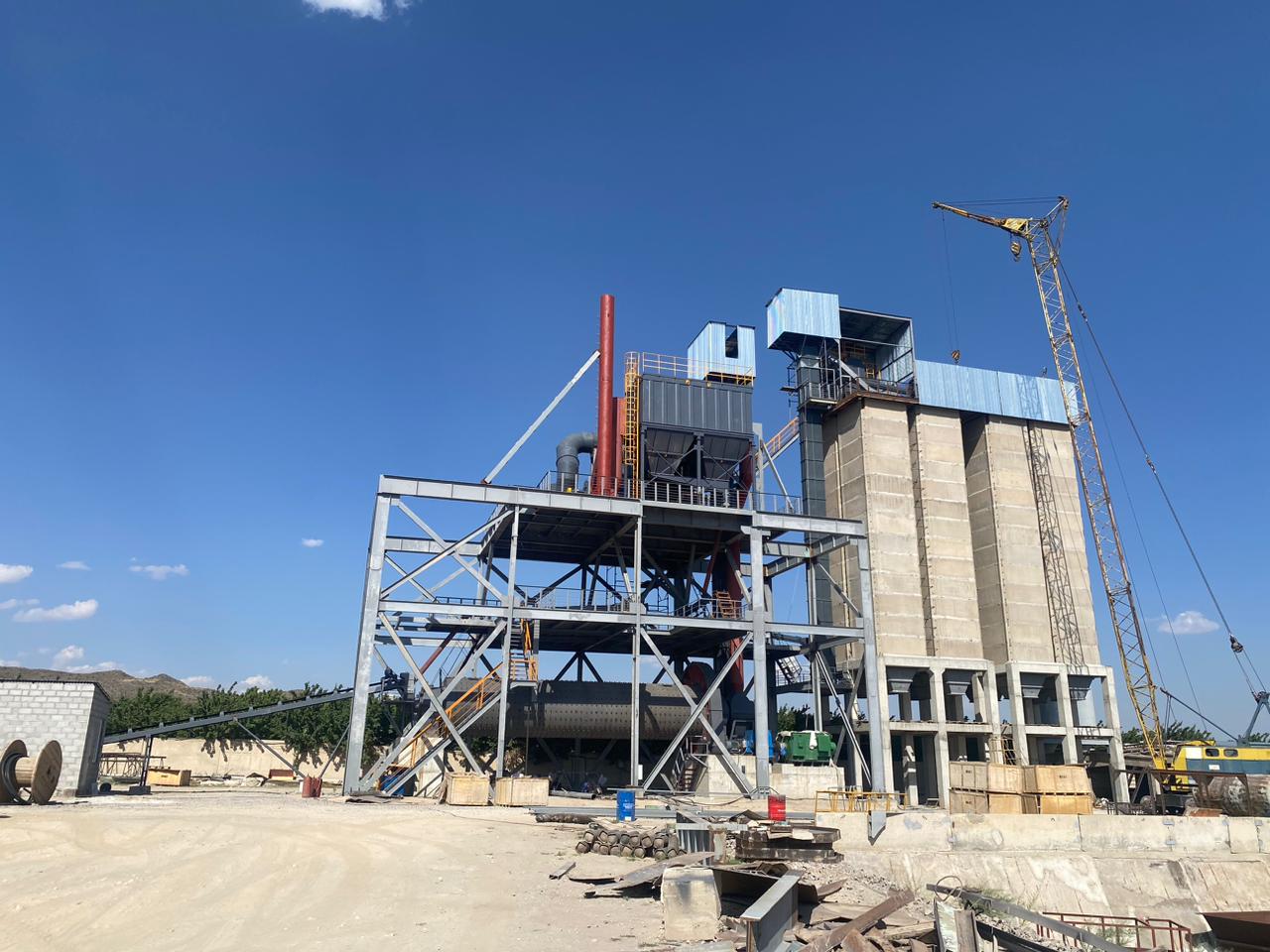
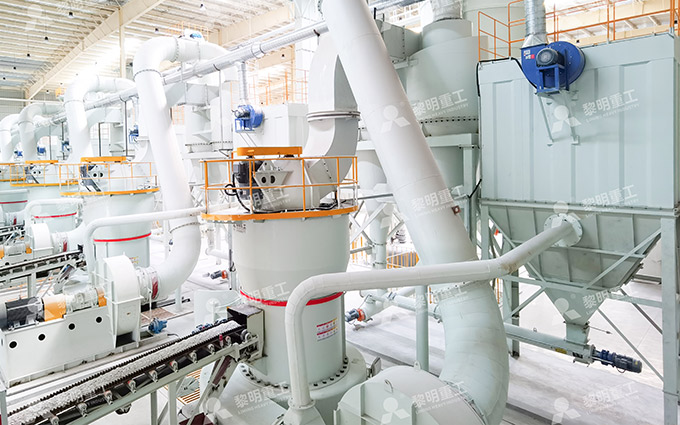
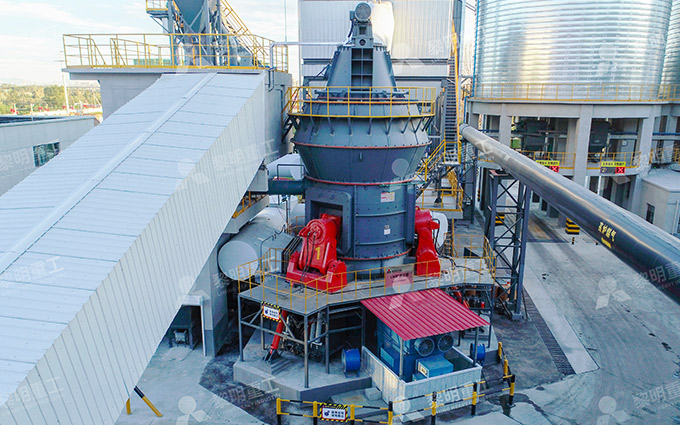
Material behavior also dictates this preference. Indian limestone often contains varying levels of silica and surface moisture. The VRM’s ability to use hot exit gases from the kiln for internal drying allows it to process raw materials with moisture content up to 15%. This eliminates the need for separate rotary dryers, simplifying the plant flowsheet and reducing thermal energy loss.
Technical Comparison of Grinding Systems
Selecting the correct cement raw mill depends on the production scale and the physical properties of the specific raw material deposit. Below is a technical breakdown of equipment applications based on field conditions:
| Factor | LM Series Vertical Roller Mill | MTW Series European Trapezium Mill | Energy-saving Ball Mill |
|---|---|---|---|
| Primary Mechanism | Hydraulic Compression | Centrifugal Roller Pressure | Impact and Attrition |
| Ideal Feed Moisture | Up to 15% (Self-drying) | Below 10% | Below 2% (Requires dry feed) |
| Abrasiveness (Hardness) | Medium to High | Medium | Very High (High Silica) |
| Production Scale | Large-scale Raw Meal | Medium-scale Additives | Specialized Ultra-fine Grinding |
Field Application Logic
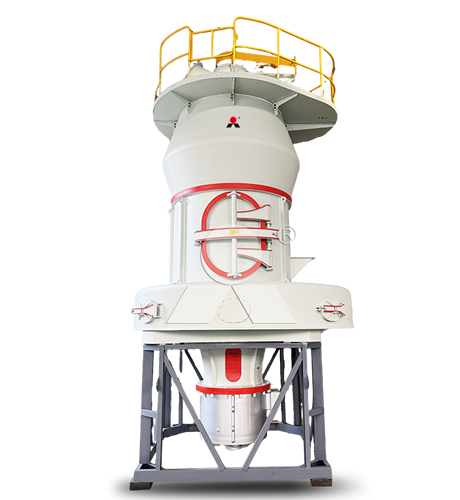
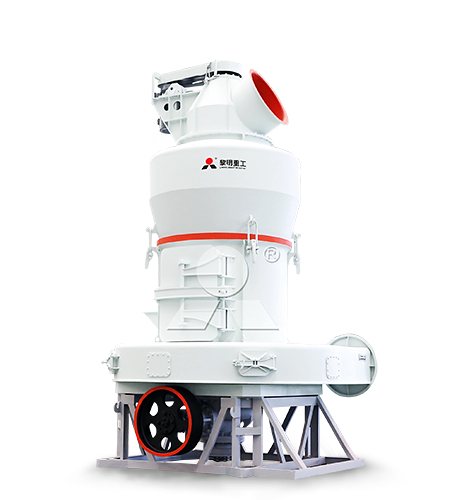
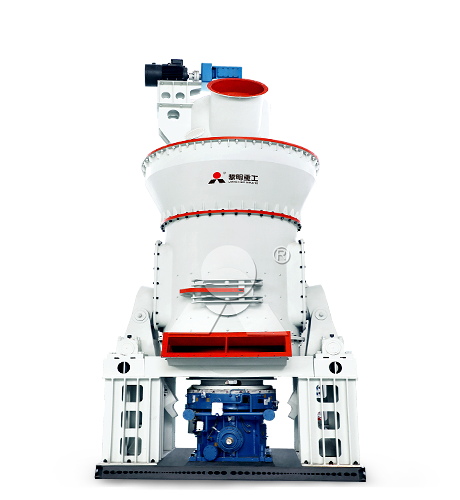
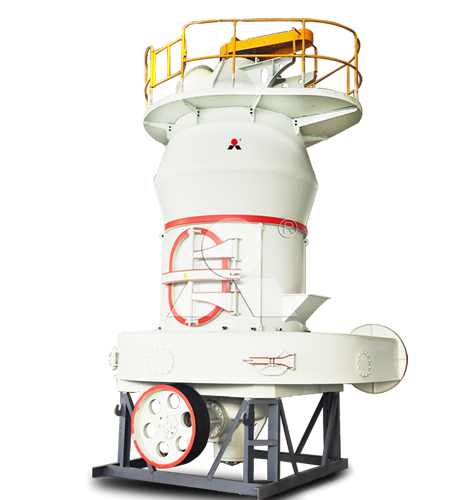
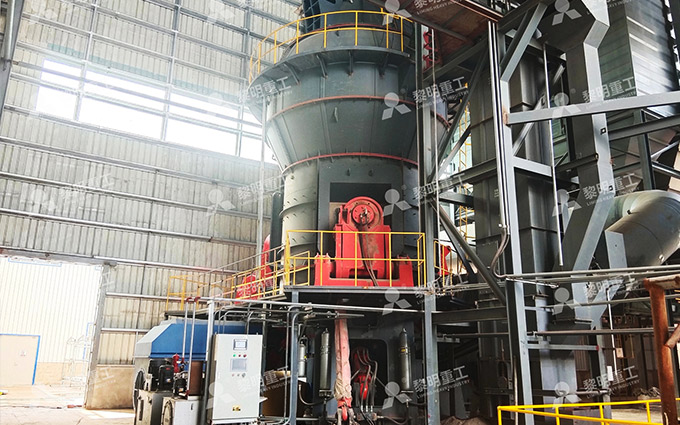
For large-scale cement lines in regions like Rajasthan or Andhra Pradesh, the LM Series Vertical Roller Mill is the standard choice due to its high throughput and integrated classifier which ensures a steep particle size distribution. However, not every circuit requires a VRM. For grinding cement additives such as gypsum or coal for smaller kilns, the MTW Series European Trapezium Mill (an evolved Raymond mill) is more cost-effective due to its smaller footprint and easier maintenance profile.
In rare cases where the raw material is exceptionally abrasive—containing high quartz levels that would cause excessive wear on rollers—the Energy-saving Ball Mill remains relevant. While it consumes more power, the lower cost of grinding media (steel balls) compared to specialized roller tires can result in a lower "total cost per ton" in highly abrasive environments.
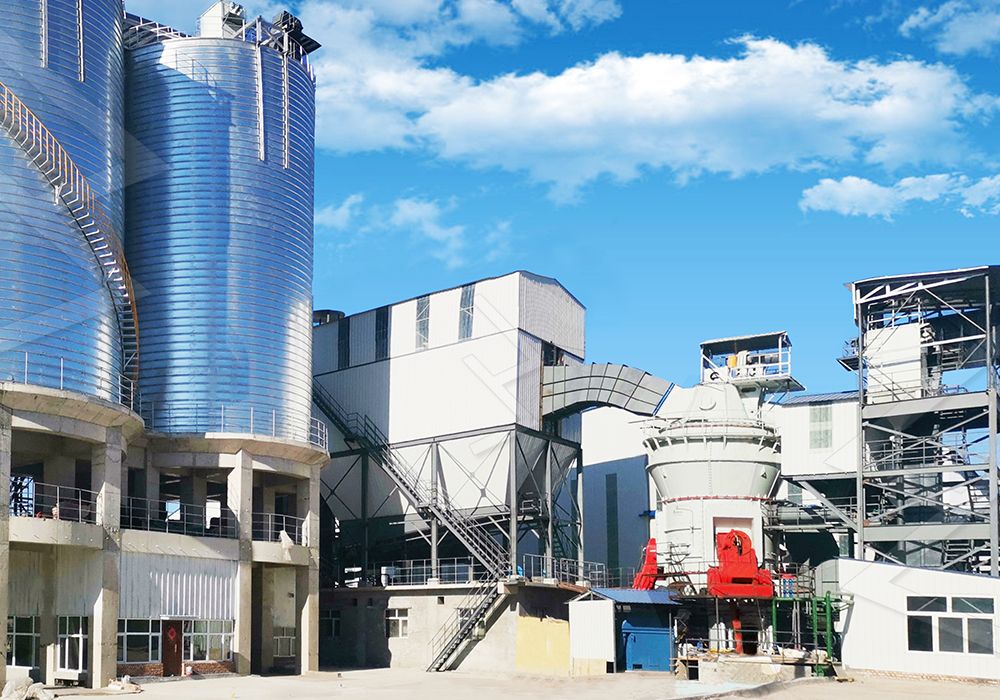
_1767929649021.jpg)
FAQ
Why is the LM Series Vertical Roller Mill preferred over a ball mill for raw meal?
The LM Series Vertical Roller Mill combines drying and grinding, saving space and reducing energy consumption by 30-50% compared to a ball mill system without a pre-grinder.
Can the MTW Series European Trapezium Mill handle Indian limestone?
The MTW Series European Trapezium Mill is ideal for medium-scale plants or for processing additives. For the primary raw meal of a 5000 tpd plant, the LM series is more appropriate.
How does the Energy-saving Ball Mill compete in modern plants?
The Energy-saving Ball Mill is specifically used for materials with high abrasiveness or when the plant requires extremely fine product consistency that compression-based mills cannot easily achieve.
How does climate affect mill selection in India?
During the monsoon, limestone moisture spikes. The LM Series Vertical Roller Mill uses hot kiln gases to dry material during grinding, preventing the clogging issues that plague ball mills.