FAQ
What Is the Best Raw Mill for a Cement Plant in Indonesia?
2026-04-15 09:30:08
Summary:
The optimal raw mill for Indonesian cement plants is the Vertical Roller Mill (VRM) due to its ability to handle high-moisture limestone (up to 15%) and volcanic clay while maintaining low power consumption.
Details:
Grinding Mechanisms and Material Challenges
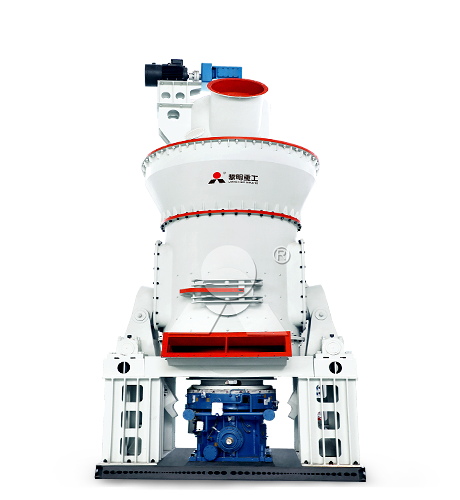
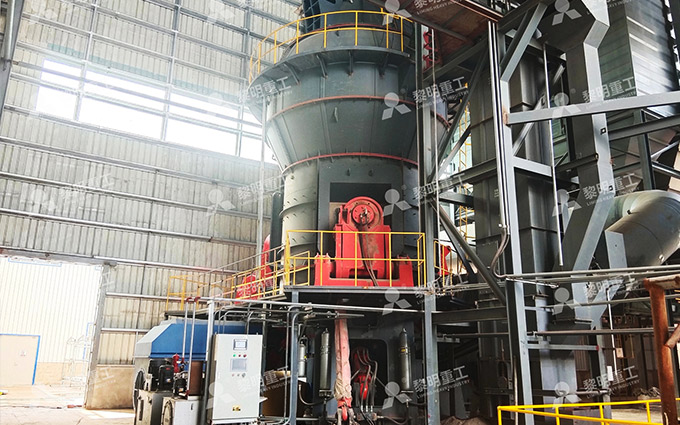
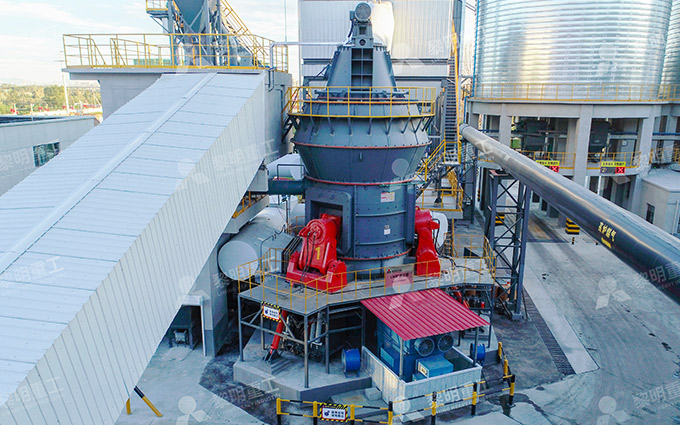
Selecting a raw mill for the Indonesian market requires accounting for specific geological and climatic conditions. Indonesian limestone often presents high surface moisture due to tropical rainfall, and local additives like volcanic ash or laterite can be abrasive. A Vertical Roller Mill (VRM) excels here because it combines drying, grinding, and classifying in a single unit. The high-pressure hydraulic system creates a stable material bed between the rollers and the table, utilizing comminution by compression rather than impact.
_1761298062777.jpg)
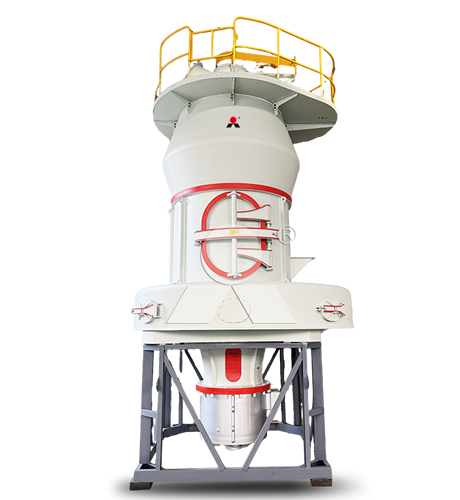
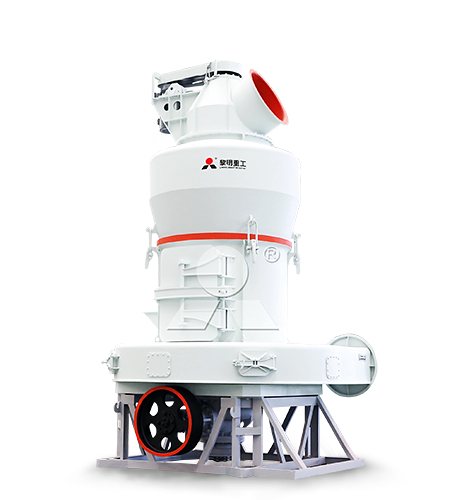
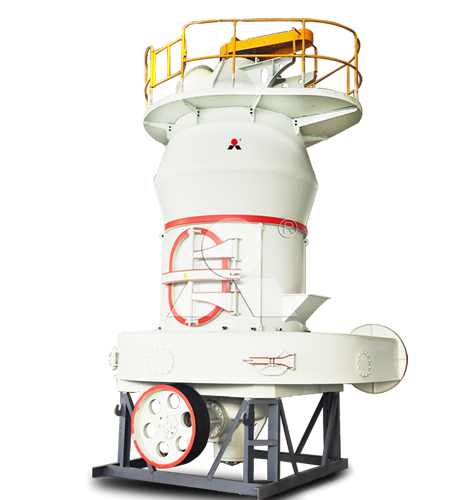
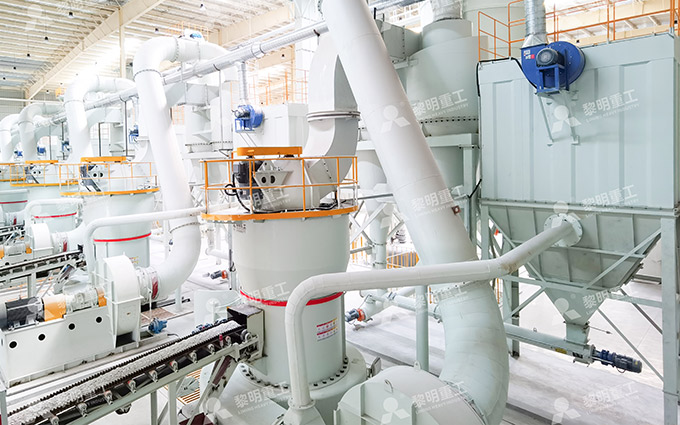
For smaller-scale operations or specific additive grinding, the 5R Raymond Mill or MTW European Trapezium Mill offers a compact footprint. These utilize centrifugal force to press the rollers against the ring. However, when dealing with extremely hard or abrasive raw materials that exceed a 6 on the Mohs scale, a Ball Mill remains the traditional choice. While the Ball Mill has higher energy consumption, its simple mechanical structure and reliance on impact and attrition make it less sensitive to variations in material hardness.
Technical Parameters for Raw Material Processing
Production efficiency depends on balancing the feed size with the required fineness, typically 80 microns for cement raw meal. The following conditions dictate equipment selection:
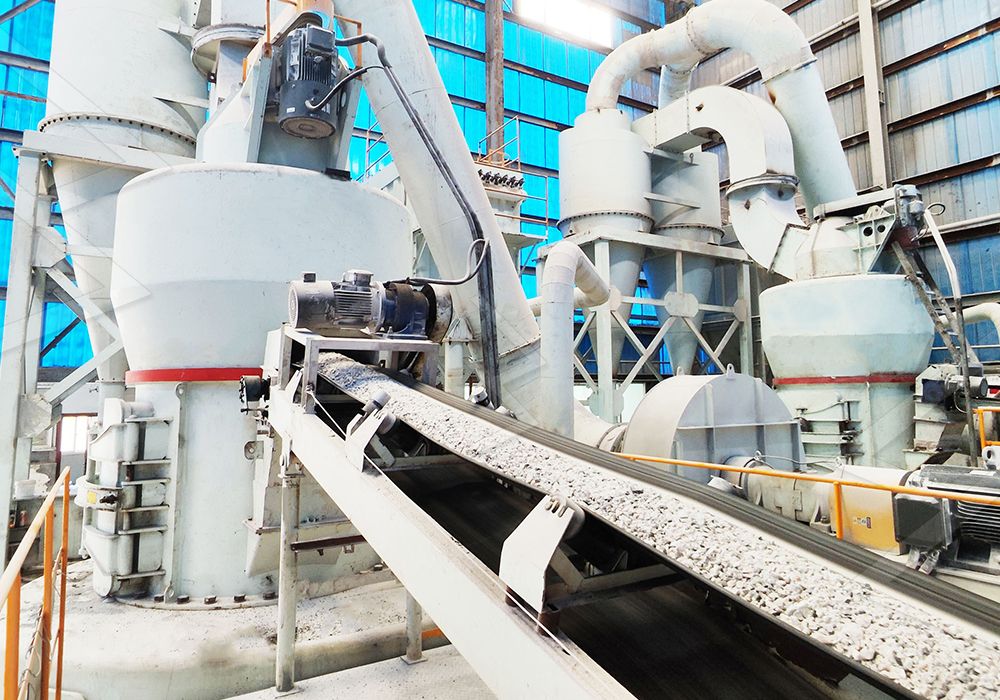
Moisture Content: Use VRM for feed moisture above 8% to utilize exhaust gas for internal drying.
Abrasiveness: Ball mills are preferred for materials with high silica content to reduce maintenance intervals.
Specific Energy Consumption: VRMs typically operate at 7-10 kWh/t, significantly lower than ball mill systems.
Feed Size: Vertical mills accept feed up to 100mm, reducing the need for secondary crushing.
Recommended Equipment Models
Based on field performance in Southeast Asian mineral processing, three specific models are prioritized for raw meal preparation:
| Equipment Type | Recommended Model | Primary Application |
|---|---|---|
| Vertical Roller Mill | LM Series Vertical Mill | Large-scale raw meal production with high moisture limestone. |
| Raymond Mill | MTW European Trapezium Mill | Medium-scale grinding of additives like gypsum or phosphate. |
| Ball Mill | Liming Energy-Saving Ball Mill | Hard raw materials requiring high-fineness consistency. |
FAQ
Can a Raymond mill process raw meal for a 5000 tpd plant?
No, Raymond mills are better suited for smaller auxiliary grinding tasks. Large-scale cement lines require the high throughput capacity of LM Series Vertical Mills.
How does humidity affect raw mill selection in Indonesia?
High humidity causes material clogging in traditional mills. The LM Vertical Mill uses high-temperature air to flash-dry materials during the grinding process, preventing buildup.
What is the benefit of the MTW mill over a standard ball mill?
The MTW European Trapezium Mill occupies less space and uses an integral transition oil lubrication system, reducing the power loss common in older ball mill belt drives.