FAQ
Cement Raw Mill: FAQ, Working Principle, Types, Capacity & Best Solutions for Cement Plants
2026-04-15 09:15:55
Summary:
Learn everything about cement raw mills, including faq, working principle, types, capacity, and how to choose between vertical roller mill, ball mill, and MTW Raymond mill.
Details:
What is a cement raw mill?
A cement raw mill is a key piece of equipment used in cement plants to grind raw materials such as limestone, clay, and iron ore into fine powder (raw meal). This raw meal is then fed into the rotary kiln for clinker production.
The performance of the raw mill directly impacts plant efficiency, energy consumption, and final cement quality.
What is the function of a raw mill in a cement plant?
The main function of a raw mill is to grind and dry raw materials into a fine and uniform raw meal.
Grinding raw materials into fine powder
Drying materials using hot gas
Ensuring stable chemical composition
Preparing feed for the rotary kiln
Modern systems often integrate grinding, drying, and classification to improve efficiency.
How does a cement raw mill work?
The working principle varies depending on the equipment type, but generally includes crushing, grinding, drying, and classification.
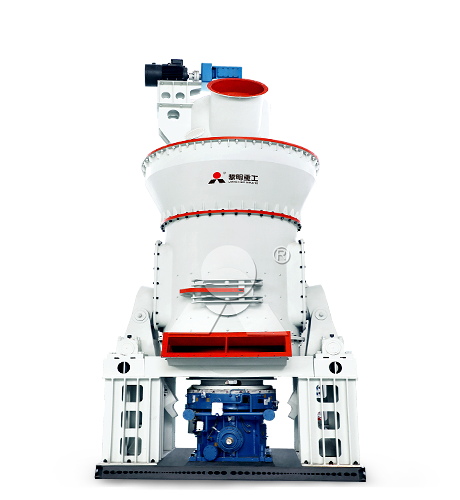
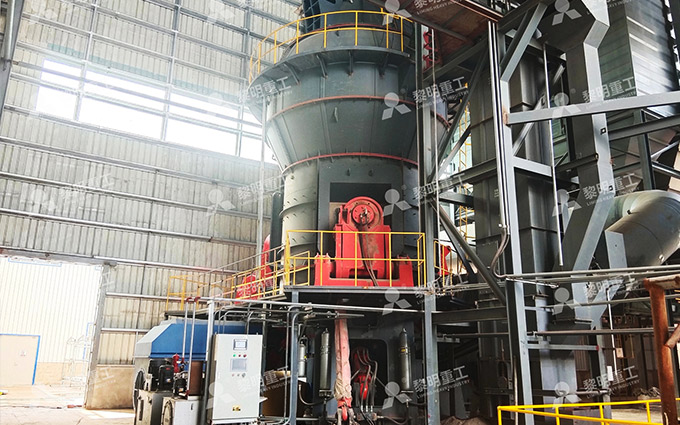
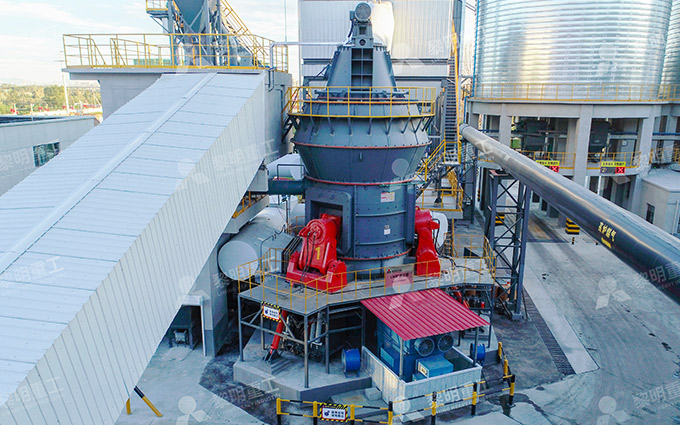
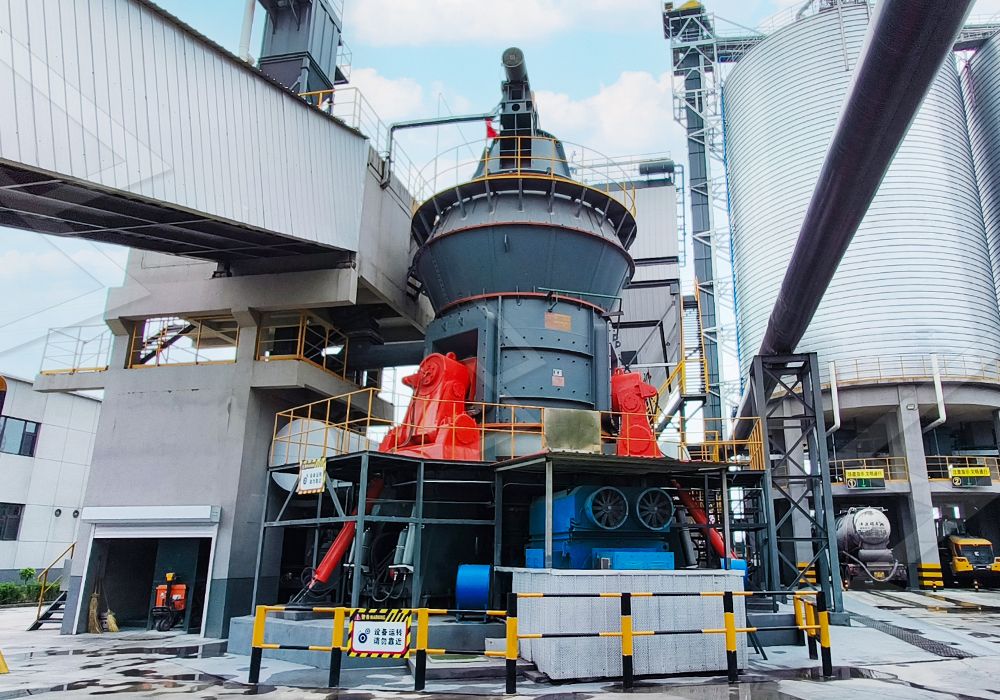
Vertical Roller Mill: Material is crushed between rollers and a rotating table, with hot air for drying and a separator for classification.
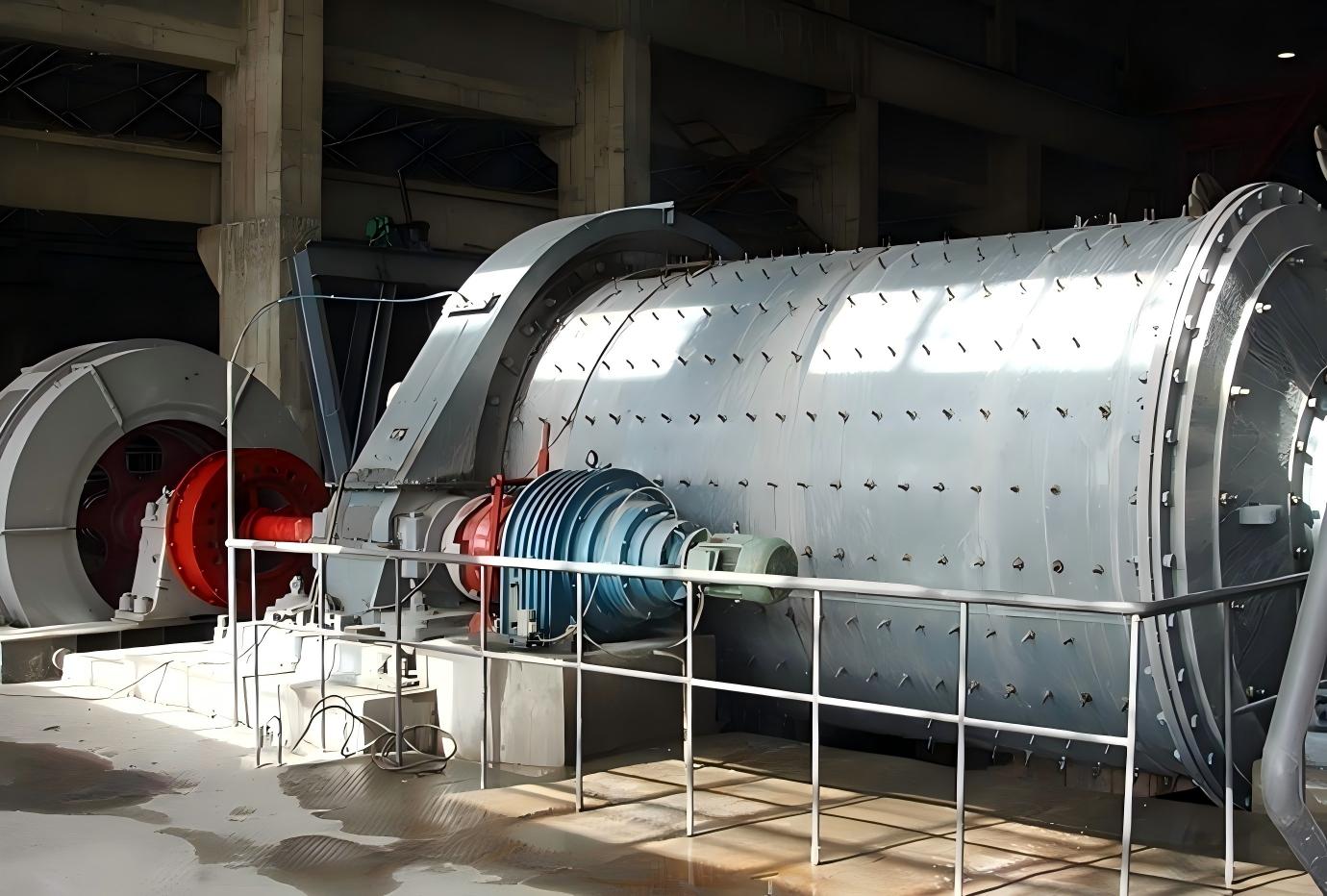
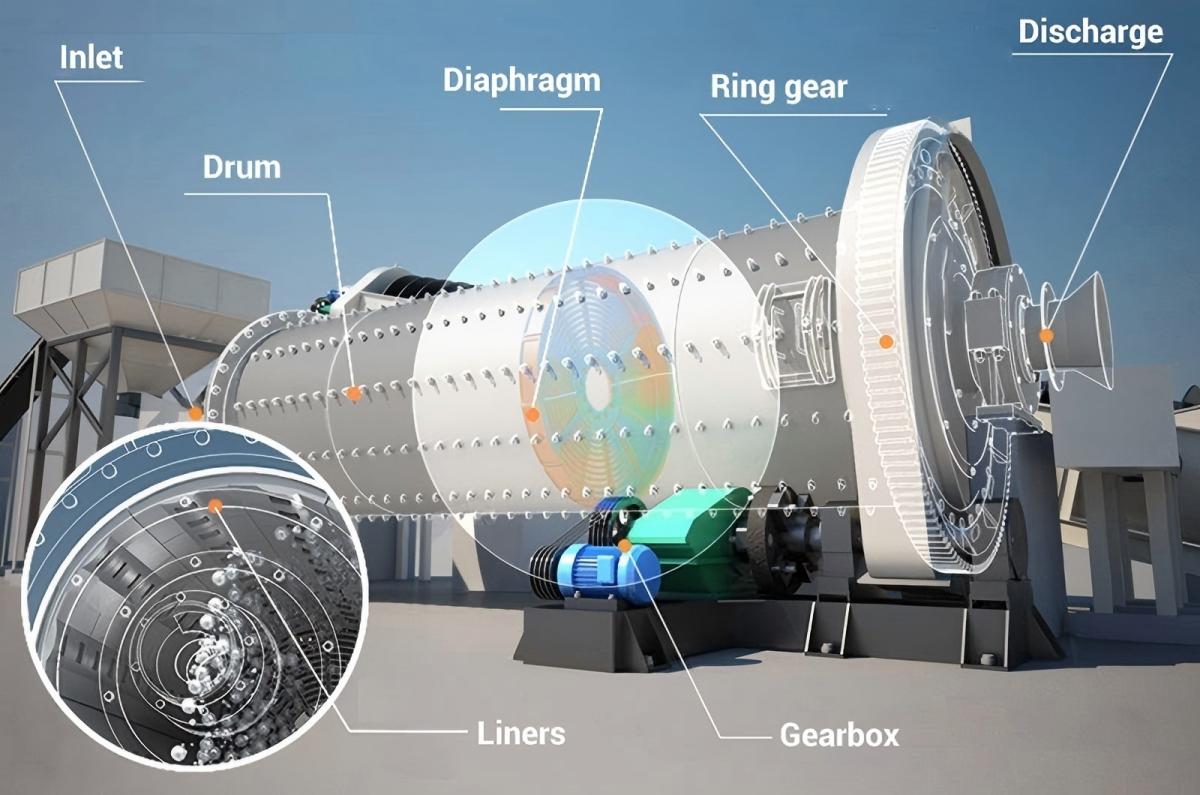
Ball Mill: Material is ground by steel balls through impact and friction inside a rotating cylinder.
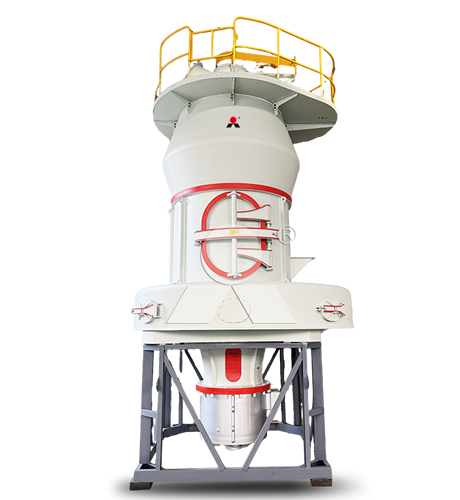
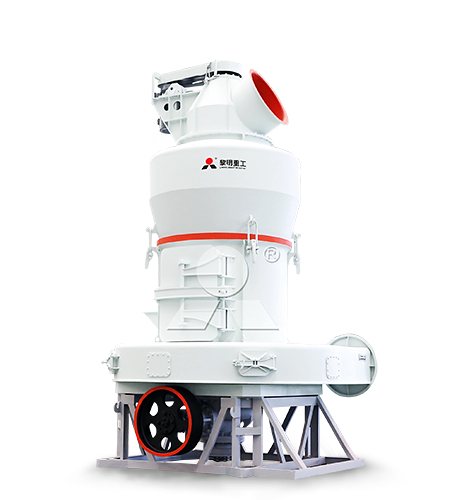
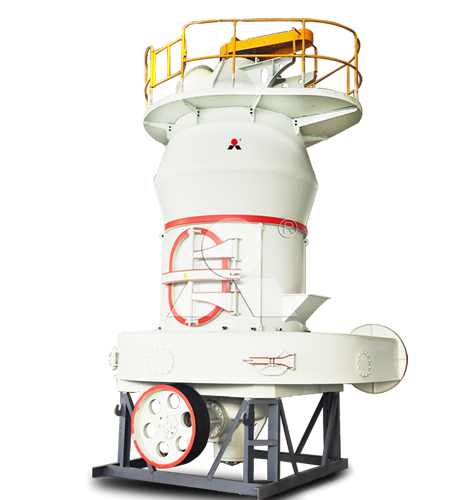
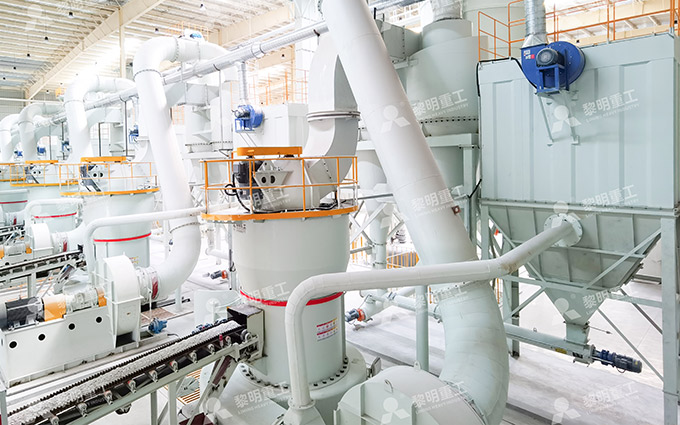
MTW Raymond Mill: Material is ground by grinding rollers and rings, with airflow carrying fine particles to a classifier for separation.
Each system offers different advantages depending on capacity and application.
What are the types of cement raw mills?
Vertical Roller Mill (VRM)
High efficiency and low energy consumption
Integrated grinding, drying, and classification
Ideal for large-scale cement plants
Ball Mill
Mature and reliable technology
Suitable for a wide range of materials
Higher energy consumption
MTW Raymond Mill
Advanced European-type grinding technology
Stable performance and uniform fineness
Suitable for medium capacity and fine powder production
Different types of mills are selected based on production scale, material characteristics, and investment requirements.
Vertical Roller Mill vs Ball Mill vs MTW Raymond Mill: Which is better?
| Parameter | Vertical Roller Mill | Ball Mill | MTW Raymond Mill |
|---|---|---|---|
| Energy Consumption | Low | High | Medium |
| Capacity | Large-scale | Medium to large | Small to medium |
| Fineness Control | Excellent | Good | Very good |
| System Integration | High | Low | Medium |
| Application | Modern cement plants | Traditional systems | Flexible grinding needs |
For large cement production lines, vertical roller mills are usually the preferred solution. Ball mills remain widely used due to their simplicity, while MTW Raymond mills are suitable for specific scenarios requiring stable operation and fine powder processing.
What is the capacity of a cement raw mill?
The capacity of a cement raw mill depends on the equipment type:
Vertical Roller Mill: 10–400+ T/H
Ball Mill: 10–200 T/H
MTW Raymond Mill: 3–50 T/H
Large-scale cement plants typically use vertical roller mills, while MTW Raymond mills are more suitable for smaller production lines or auxiliary grinding systems.
What materials are processed in a cement raw mill?
Common materials include:
Limestone
Clay
Iron ore
Silica
Slag
Other additives
Material characteristics vary by region, which affects equipment selection and system design.
What is the required fineness of raw meal?
Raw meal fineness is typically controlled within a specific range to ensure efficient clinker production.
Controlled particle size distribution
Stable fineness for kiln efficiency
Advanced grinding systems allow precise adjustment of product fineness.
How to choose the right cement raw mill?
Choosing the right raw mill depends on several factors:
Production Capacity: Large plants prefer vertical roller mills
Material Properties: Hardness and moisture affect performance
Energy Requirements: Energy-saving solutions are increasingly important
Investment Budget: Balance between initial cost and operating cost
Application Scenario: MTW Raymond mills are suitable for flexible and smaller-scale grinding needs
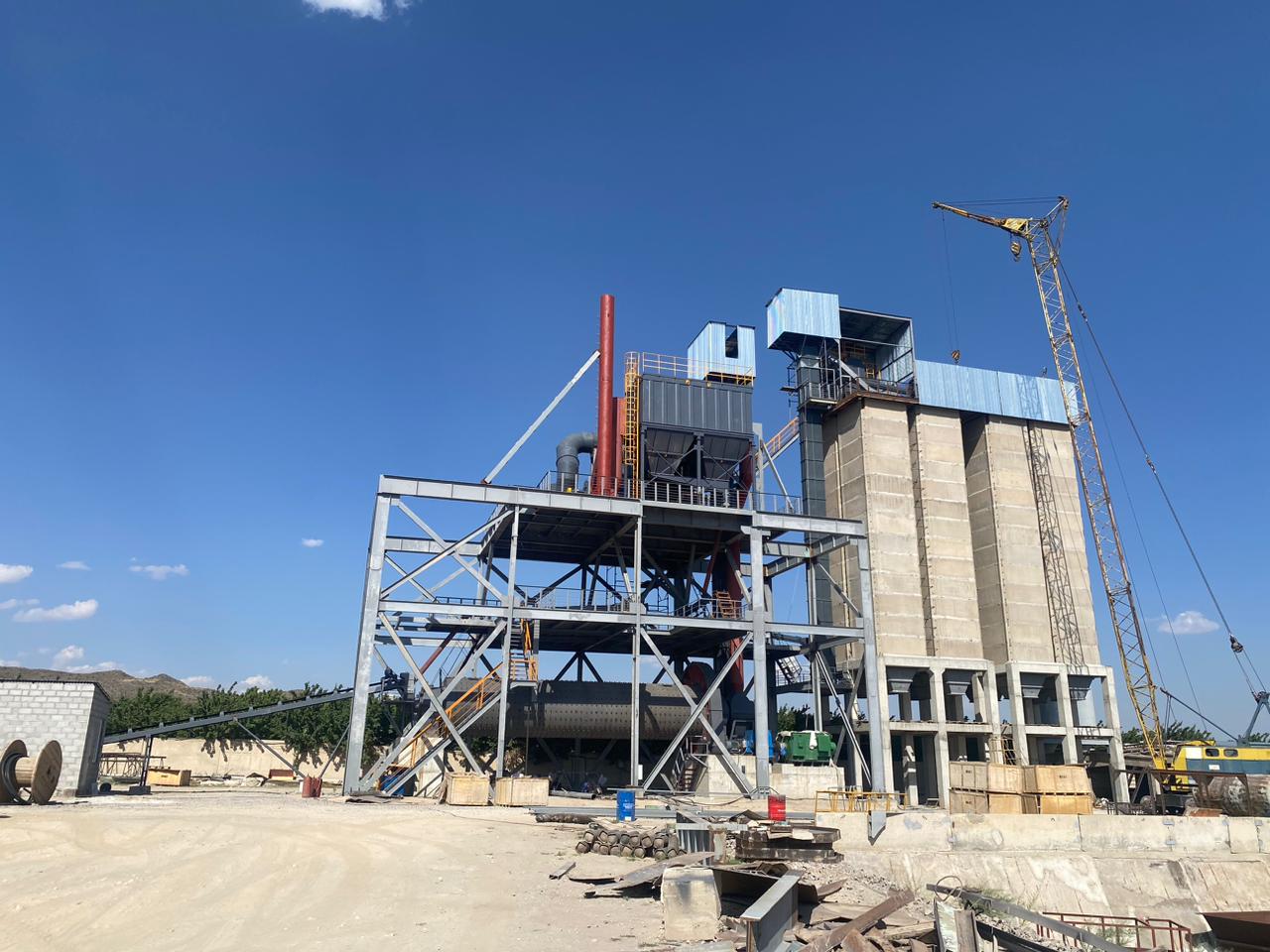
In practice, many cement plants adopt vertical roller mills for primary raw grinding, while ball mills or MTW Raymond mills are used in specific or supplementary applications.
_1761355701097.jpg)
What is the energy consumption of a raw mill?
Energy consumption varies by equipment type:
Vertical Roller Mill: lowest energy consumption
Ball Mill: highest energy consumption
MTW Raymond Mill: moderate energy consumption
Energy efficiency is a key factor in reducing overall production costs.
What is the cost of a cement raw mill?
The cost of a cement raw mill depends on:
Equipment type and capacity
System configuration
Installation and location
Customized solutions are typically required. For detailed pricing, you can request a quotation online.
_1761355927035.jpg)
Which raw mill is best for modern cement plants?
The best raw mill depends on production goals:
Vertical Roller Mill: Best for large-scale, energy-efficient production
Ball Mill: Suitable for traditional or simple systems
MTW Raymond Mill: Ideal for medium-scale or flexible grinding applications
Conclusion: Choosing the Right Cement Raw Mill Solution
Selecting the right cement raw mill is essential for achieving efficient and cost-effective production.
Vertical roller mills dominate modern large-scale plants
Ball mills provide reliable and flexible solutions
MTW Raymond mills offer advanced performance for medium-scale and fine grinding needs
Working with an experienced supplier ensures you get the most suitable solution based on your specific requirements.