FAQ
How to Process Talc into Fine Powder for Coating Applications?
2026-04-14 10:15:39
Summary:
Coating-grade talc typically requires 800–2000 mesh (D97 ≈15–5 μm) with controlled particle shape and narrow distribution. Ultrafine grinding with precise classification is essential to achieve consistent dispersion and surface performance.
Details:
Material Characteristics and Grinding Behavior
Talc has a Mohs hardness of 1 and a layered (platy) crystal structure. It fractures easily but tends to form flakes rather than equiaxed particles. This affects coating performance, as plate-like particles improve barrier properties and smoothness. Feed size is usually below 10–20 mm, and moisture should be kept under 2–3% to prevent agglomeration and airflow instability during ultrafine grinding.
Grinding and Classification Process
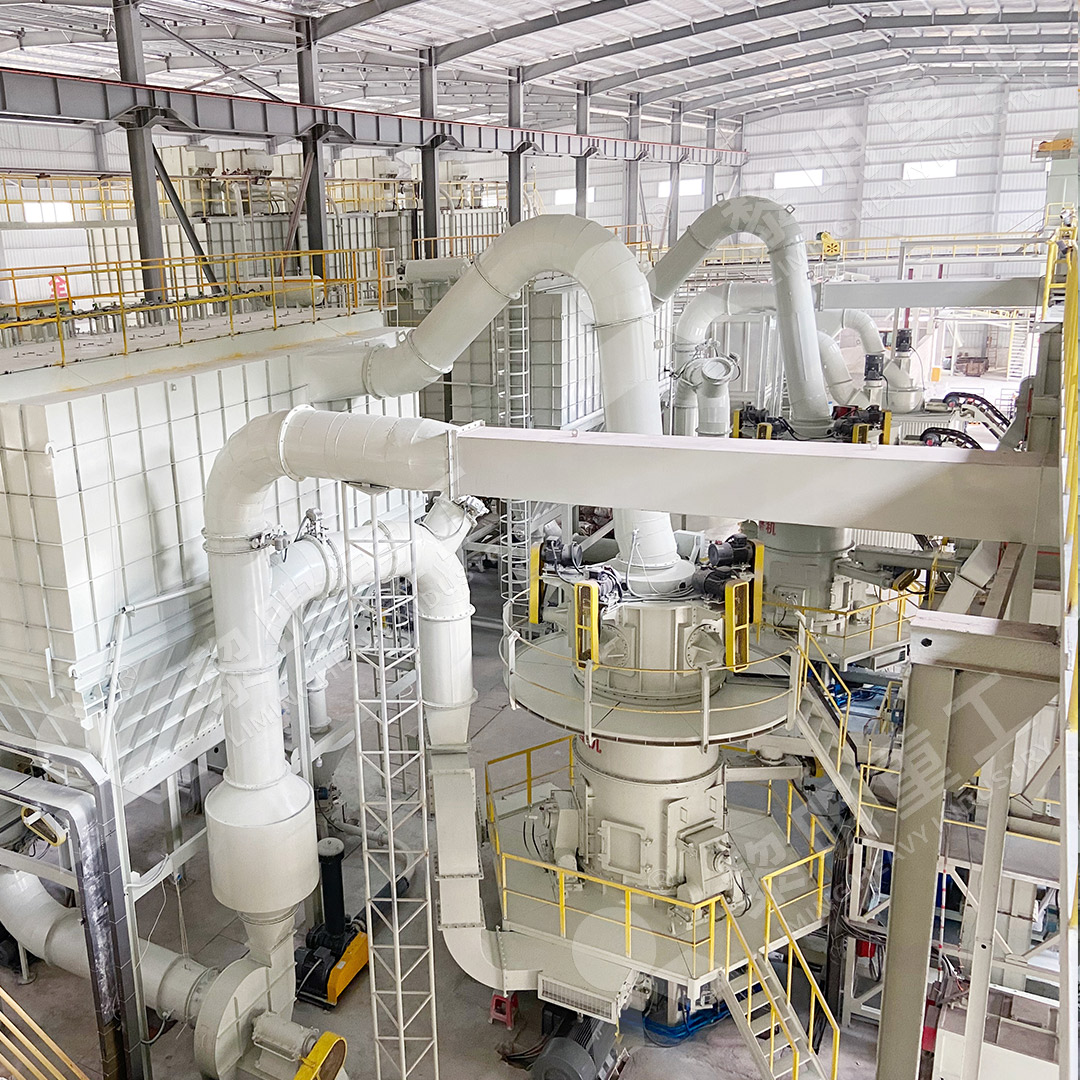
For coating applications, the focus is on particle size distribution (D97) and shape retention. The process typically includes crushing, grinding, classification, and collection:
Primary crushing to <20 mm
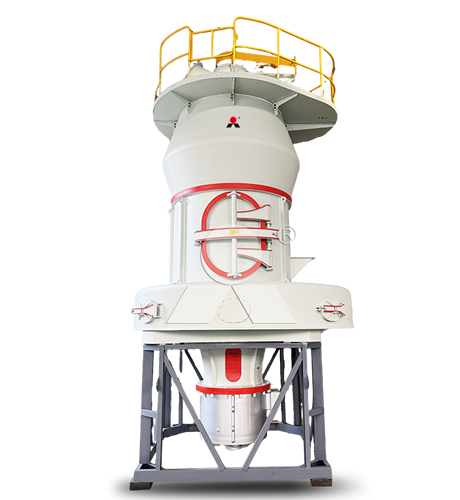
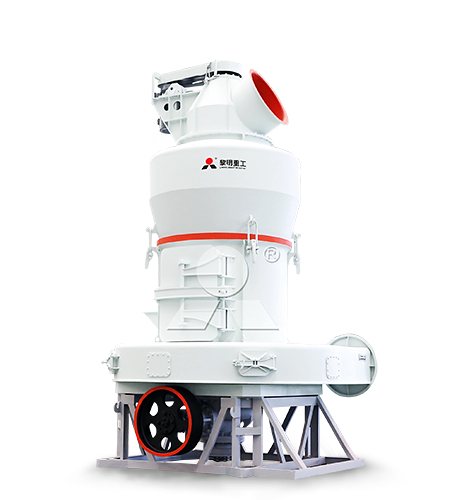
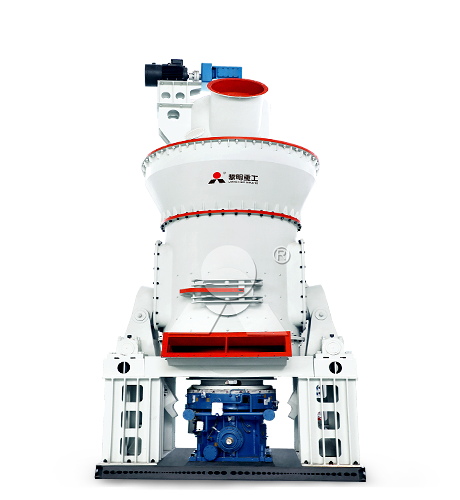
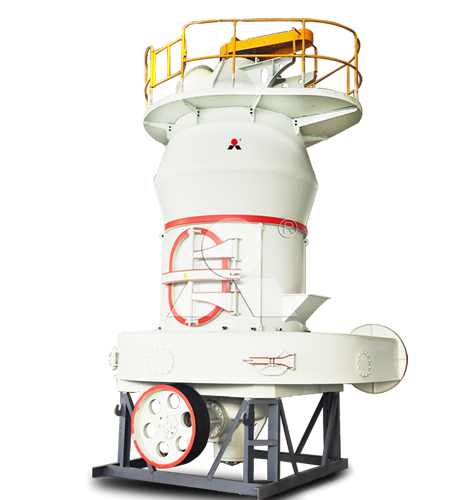
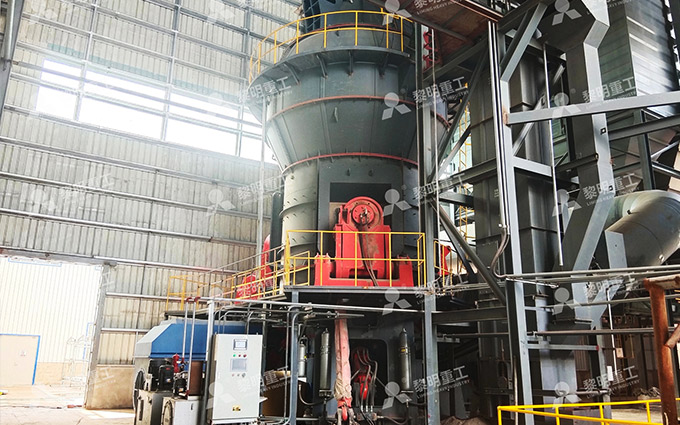
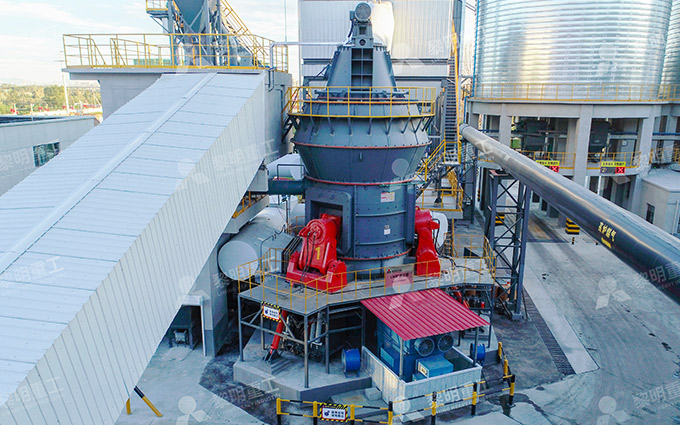
Ultrafine grinding using MW Micro Powder Mill or LUM Ultrafine Vertical Mill
High-efficiency classification to control D97 (5–15 μm)
Pulse dust collection to ensure product purity and system stability
Equipment Selection Logic
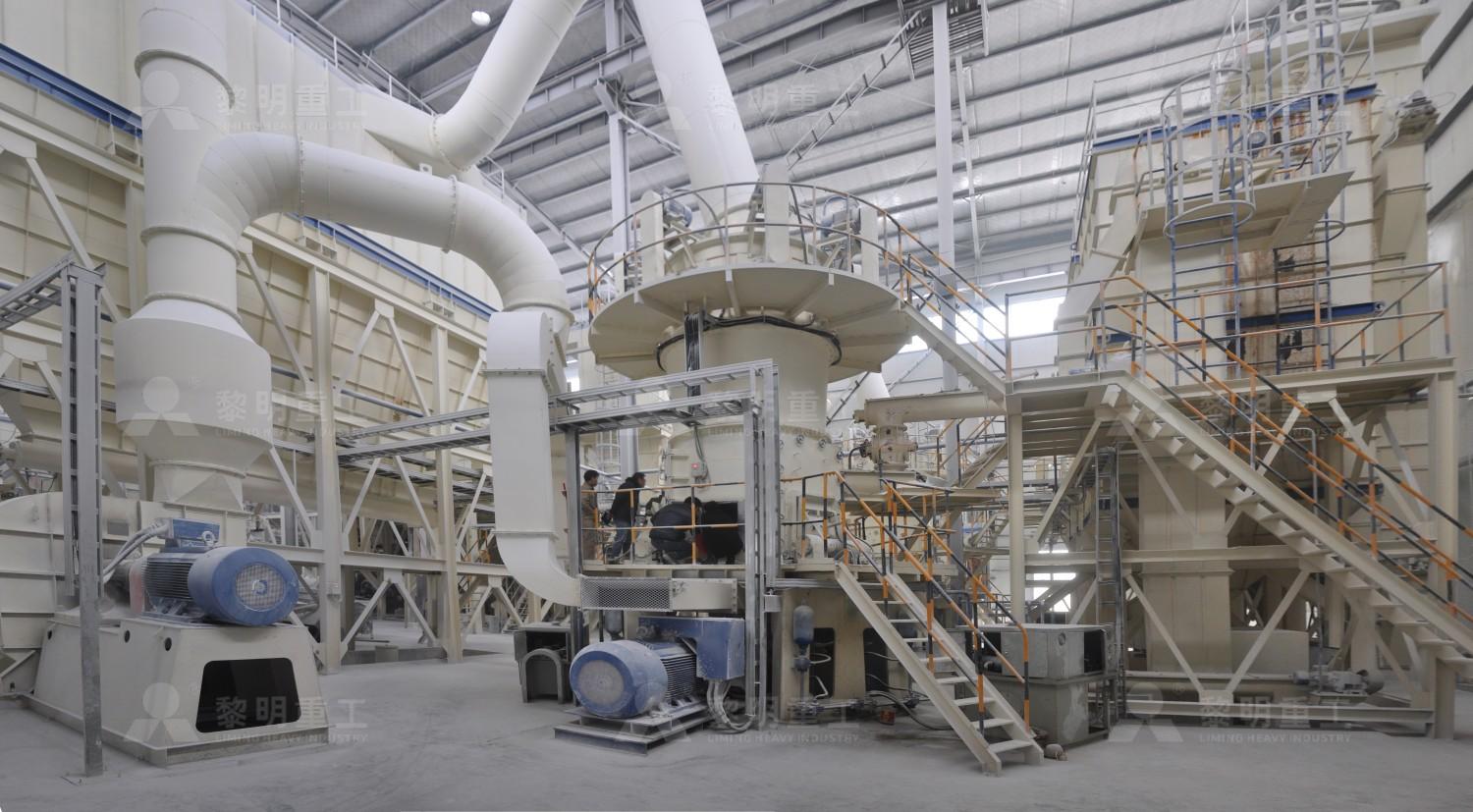
MW Micro Powder Mill is suitable for fine control in the 800–2000 mesh range, especially for small to medium capacity lines. LUM Ultrafine Vertical Mill is preferred for larger-scale production due to integrated grinding and multi-stage classification, which reduces over-grinding and improves energy efficiency.
Typical energy consumption ranges from 30–50 kWh/t. Classifier rotor speed and airflow balance directly affect the final particle size distribution and coating performance.
Production Considerations
Maintaining stable airflow is critical to prevent particle agglomeration. Over-grinding should be avoided, as excessively fine particles reduce dispersion quality in coatings. System sealing and dust control are also important to ensure consistent product quality and meet environmental requirements.
FAQ
Q1: What fineness is required for coating-grade talc?
Typically 800–2000 mesh (D97 ≈5–15 μm).
Q2: Why is particle shape important?
Plate-like particles improve barrier properties and surface smoothness.
Q3: Which mill is best for coating applications?
MW Micro Powder Mill or LUM Ultrafine Vertical Mill.
Q4: Is drying necessary?
Only if moisture exceeds 2–3%.