FAQ
Which Raw Mill Is Suitable for a Cement Plant in the Philippines?
2026-04-22 09:57:27
Summary:
Selecting a raw mill for Philippines cement plants requires balancing high moisture tropical volcanic ash or limestone with energy efficiency. The LM Vertical Roller Mill is the optimal choice for large-scale production due to its integrated drying and grinding capabilities.
Details:
Impact of Material Characteristics on Mill Selection
In the Philippines, cement raw materials often include high-moisture limestone and additives like volcanic tuff or shale. These materials exhibit varying levels of abrasiveness and moisture content, typically ranging from 8% to 15% during the monsoon season. Grinding mechanisms must be selected based on these physical properties:
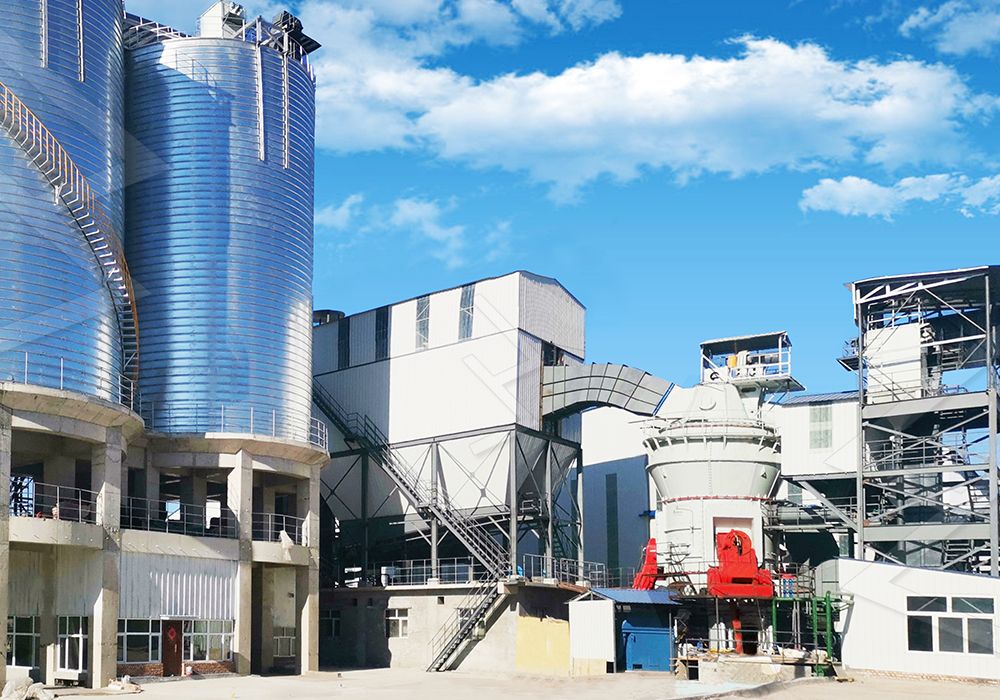
Compression Grinding: Ideal for limestone and raw meal. This mechanism, used in vertical mills, handles moisture effectively by using hot flue gas for simultaneous drying.
Impact and Attrition: Used in trapezium mills for medium-hard minerals. It provides excellent particle size distribution for specific additives.
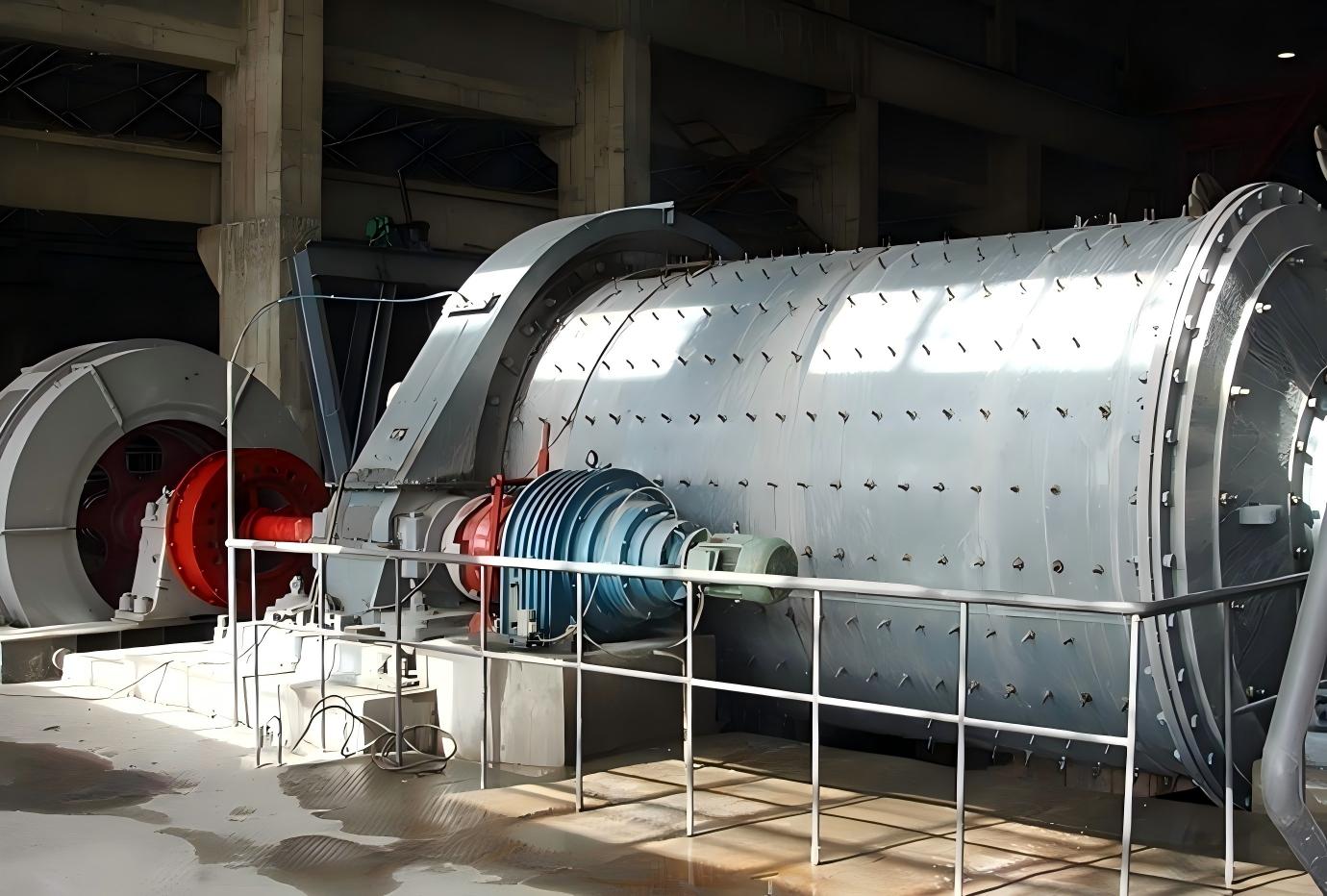
Impact and Tumbling: The primary mechanism of ball mills, necessary for highly abrasive silica-rich materials that would cause excessive wear on roller-based systems.
Liming Heavy Industry Equipment Comparison
The choice of equipment depends on the planned clinker capacity and the specific mineralogical profile of the quarry. Below is a technical comparison of suitable models for the Philippine market:
| Equipment Model | Grinding Mechanism | Best Application Scenario | Key Advantage |
|---|---|---|---|
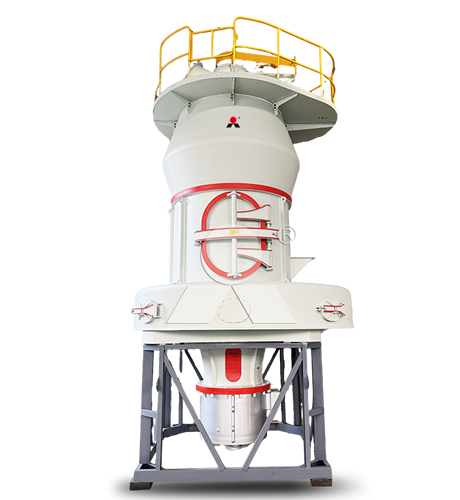
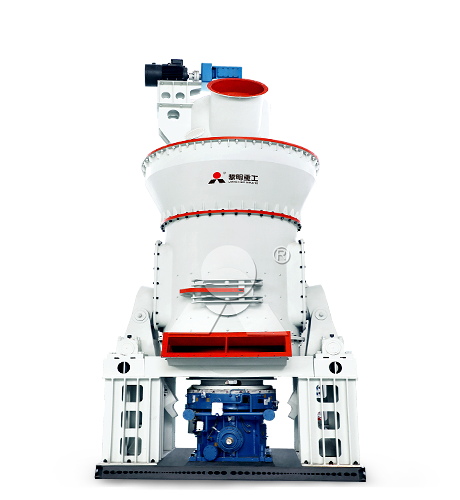
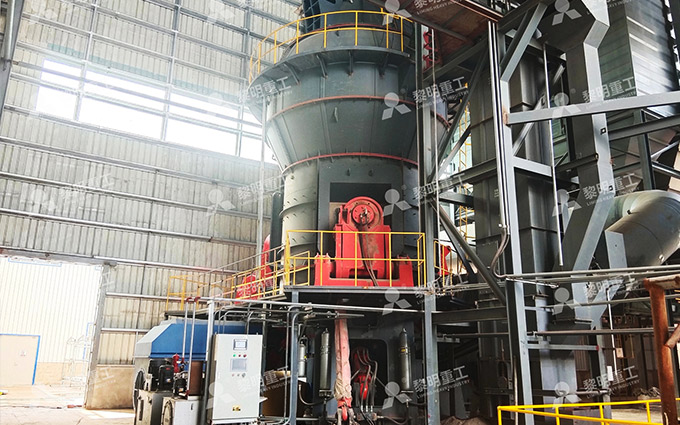
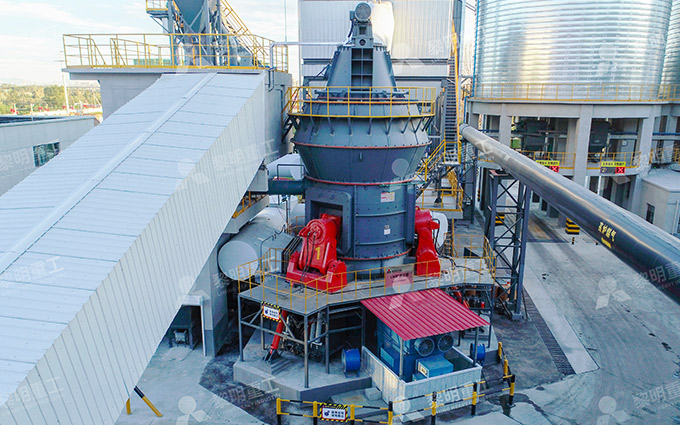
| LM220K Vertical Roller Mill | Bed compression | Large-scale cement raw meal (100-200 t/h) | Drying capacity up to 15% moisture |
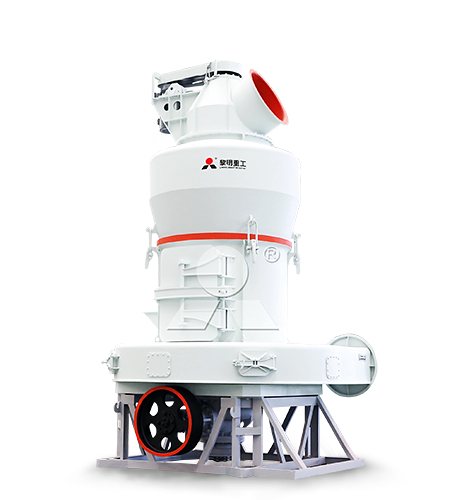
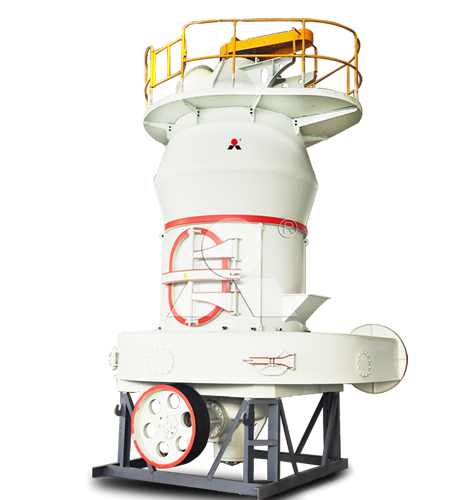
| MTW175 European Trapezium Mill | Roller pressure/Impact | Small to medium additive grinding | Lower initial CAPEX for 20-50 t/h |
| Φ3.2×13m Energy-saving Ball Mill | Steel ball impact | Highly abrasive raw materials | Simple maintenance and fine consistency |
Production Efficiency and Energy Consumption
For modern Philippine cement plants, energy costs represent a significant portion of OPEX. The LM Series Vertical Roller Mill reduces power consumption by 30-50% compared to traditional ball mill systems because it combines grinding, drying, and classifying into a single unit. However, if the raw mix contains high quartz or silica levels, the Energy-saving Ball Mill is more durable, as the wear-resistant liners and grinding media are more cost-effective to replace than roller tires and table segments. For plants producing specialized Portland cement types or blended cements with local pozzolanic materials, the MTW Series European Trapezium Mill offers a precise fineness control that ensures the reactivity of the final product.
Frequently Asked Questions
What is the typical fineness required for cement raw meal?
For most Philippine cement operations, the target fineness is 10-12% residue on an 80μm sieve. Both the LM Vertical Mill and MTW Trapezium Mill utilize built-in cage-type classifiers to achieve this consistently.
How does the LM Vertical Roller Mill handle high moisture limestone?
The LM190K Vertical Roller Mill utilizes hot air from the kiln preheater. The material is dried while in suspension within the raw mill body, allowing it to process raw materials with up to 15% moisture without an external dryer.
When should a plant choose a Ball Mill over a Vertical Mill?
A Φ2.4×13m Energy-saving Ball Mill is recommended if the Bond Work Index (BWI) of the raw material is exceptionally high or if the material is highly abrasive (high silica content), which leads to prohibitive maintenance costs on vertical mill rollers.
What is the maintenance interval for the MTW Series European Trapezium Mill?
The MTW138 European Trapezium Mill features a centralized lubrication system that allows for longer intervals between manual servicing, typically requiring a major wear part inspection every 2,000 to 3,000 operating hours depending on material hardness.