FAQ
What is the Optimal Raw Mill for a Cement Plant in Indonesia?
2026-04-23 15:43:34
Summary:
Indonesian cement plants must process high-moisture tropical limestone efficiently. The LM Vertical Roller Mill offers optimal drying and grinding, while Ball Mills handle abrasive silica. Match equipment to mineral properties.
Details:
Material Behavior and Grinding Mechanisms
Raw meal preparation in Indonesia is heavily influenced by the tropical climate and local geology. Quarried limestone often exhibits moisture contents exceeding 12% during the rainy season, while additive materials like volcanic ash present varying degrees of abrasiveness and brittleness. Equipment selection dictates the grinding mechanism applied to these materials:
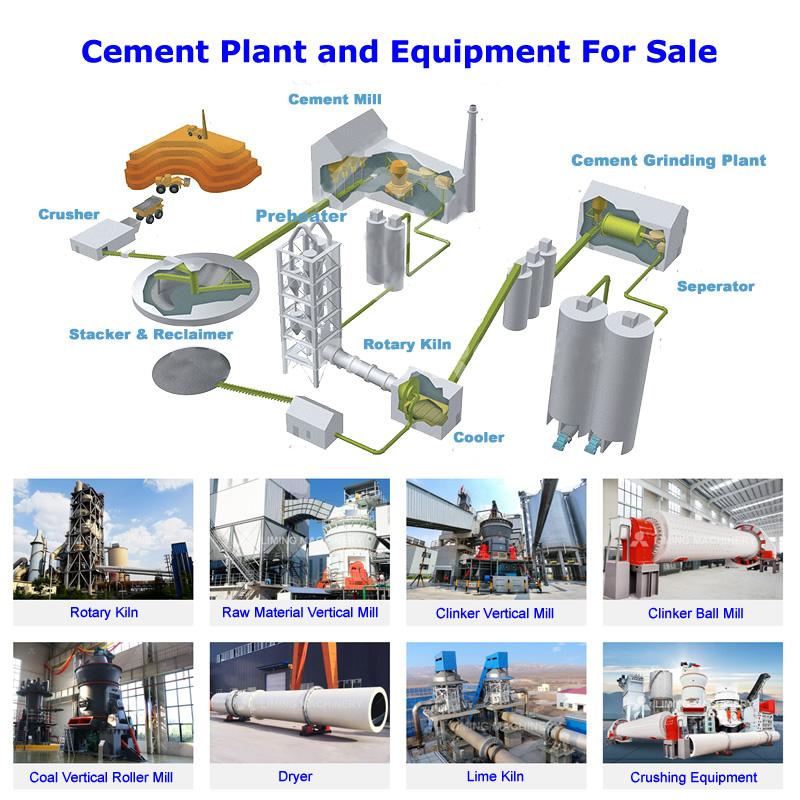
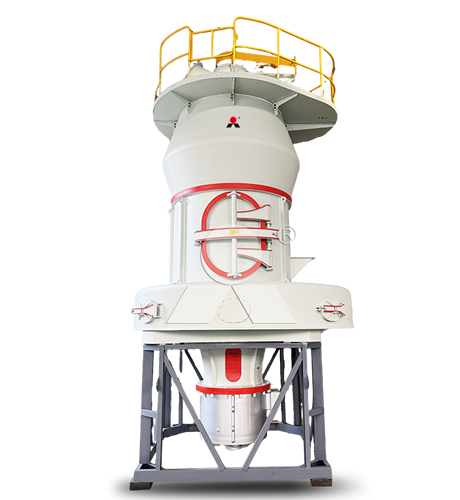
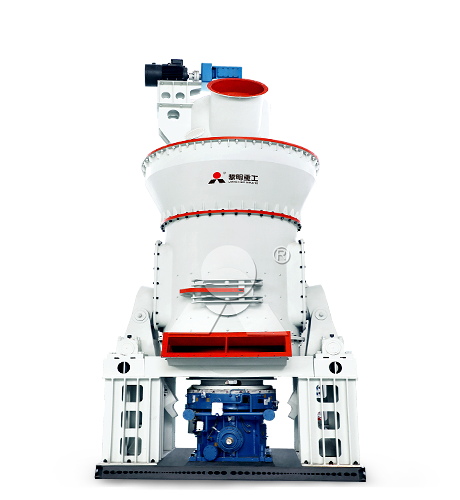
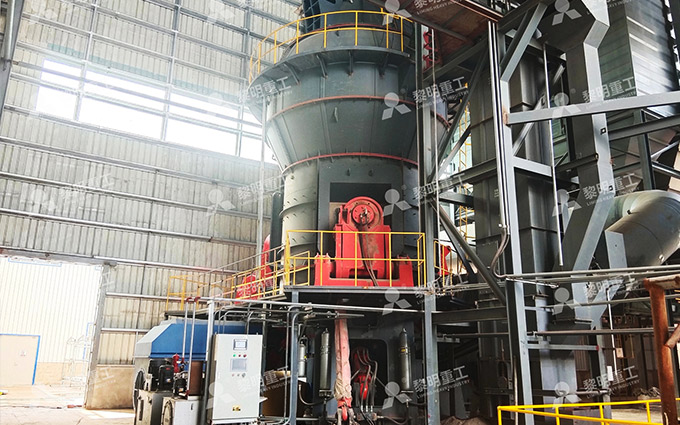
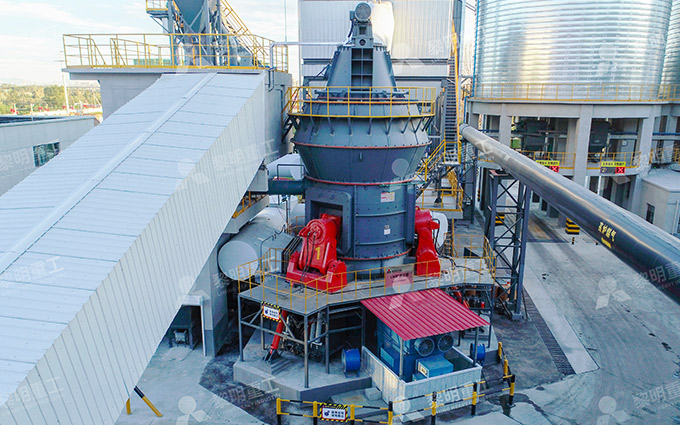
Bed Compression: Utilized in vertical mills, this method subjects a material bed to intense pressure between rollers and a rotating table. It is highly efficient for brittle limestone and allows for simultaneous injection of hot kiln gases to manage high moisture.
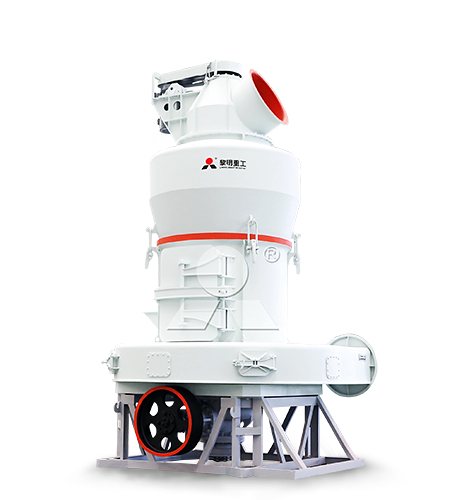
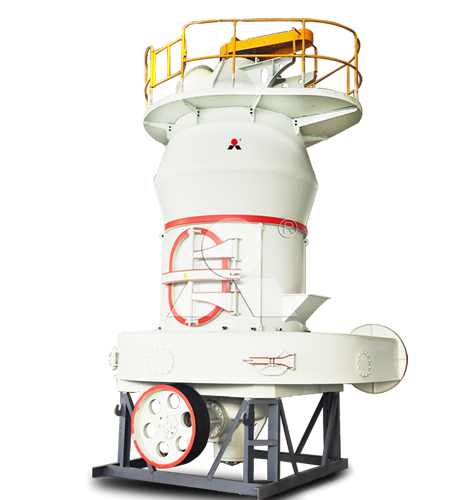
Impact and Attrition: Found in trapezium mills and advanced Raymond mills, this mechanism uses centrifugal force to press rollers against a grinding ring. It is effective for medium-hard, less abrasive materials requiring specific particle size distributions.
Impact and Tumbling: Characteristic of ball mills, where cascading steel media crushes the feed. This mechanism is necessary for highly abrasive, high-silica ores that degrade roller profiles rapidly.
Equipment Selection Matrix for Indonesian Cement Plants
_1767930055775.jpg)
Our engineers specify grinding circuits based on clinker capacity, target fineness, and raw material characteristics. The following comparison outlines the primary applications for each mill type:
| Equipment Model | Primary Mechanism | Ideal Application Profile | Operational Advantage |
|---|---|---|---|
| LM220K Vertical Roller Mill | Compression | Large-scale clinker lines handling >10% moisture limestone | Combines drying and classifying; reduces specific power consumption by 30-40% |
| MTW175 European Trapezium Mill | Impact / Attrition | Medium-capacity operations or dedicated additive grinding | Lower initial footprint; precise fineness control for specialty blends |
| Φ3.2×13m Energy-saving Ball Mill | Impact / Tumbling | Processing highly abrasive volcanic tuff or silica-rich ores | High tolerance for wear; produces ultra-fine consistency with straightforward maintenance |
Optimizing Production Efficiency
Energy consumption during the raw mill stage accounts for approximately 25-30% of a cement plant's total electrical demand. Deploying an LM Series Vertical Roller Mill significantly lowers operational expenditure by integrating the drying and grinding phases, utilizing waste heat directly from the preheater tower. Conversely, when raw mix design requires abrasive pozzolans, the localized wear in a vertical mill can cause unplanned downtime. In these high-abrasion scenarios, the Energy-saving Ball Mill maintains production stability. For operations blending supplementary cementitious materials, the MTW Series European Trapezium Mill, alongside our advanced 5R Raymond mills, delivers the narrow particle size distribution required for optimal clinker reactivity.
_1761355927036.jpg)
Frequently Asked Questions
Which mill handles the highest moisture content in Indonesian limestone?
The LM Vertical Roller Mill can process raw materials with up to 15% moisture when equipped with adequate hot gas flow from the kiln exhaust, eliminating the need for independent rotary dryers.
How do I choose between a trapezium mill and a ball mill for additives?
Evaluate the Bond Abrasion Index (Ai) of your additive. If the material is highly abrasive, select the Energy-saving Ball Mill to minimize wear part replacement costs. For standard, moderately hard additives, the MTW Series European Trapezium Mill offers superior energy efficiency.
What is the typical maintenance schedule for the LM Vertical Roller Mill?
Standard preventive maintenance includes inspecting roller tires and table segments every 3,000 to 4,000 hours, depending on material abrasiveness. The mill's hydraulic system allows the rollers to be swung out for rapid tire replacement.
Can the MTW Series Mill achieve the fineness required for early-strength cement?
Yes. The MTW Series utilizes an integrated dynamic separator that consistently produces fineness levels of 10-12% residue on an 80μm sieve, which is strictly required for high-reactivity raw meal.