FAQ
What Machine Is Used to Process Gypsum Powder for Plaster Plants?
2026-04-25 13:37:37
Summary:
For plaster plants, gypsum powder is usually made with a Raymond mill or vertical mill after crushing and drying. The correct machine depends on feed size, moisture, target fineness, and required hourly output.
Details:
What Mill Is Normally Used for Gypsum Powder?
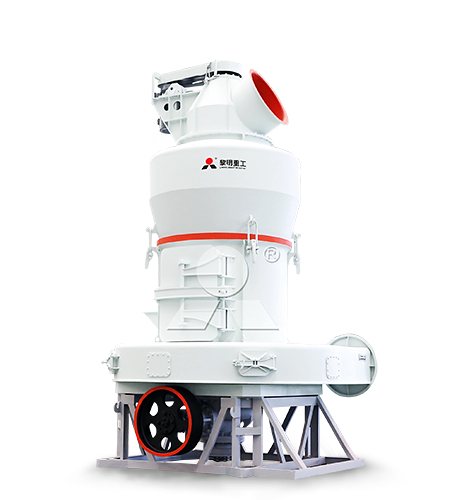
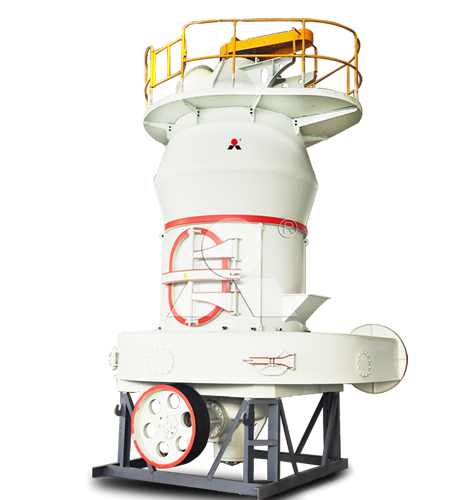
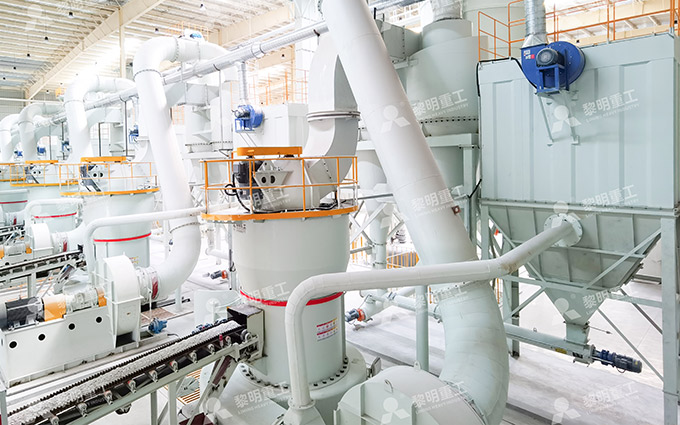
For most plaster-grade gypsum powder lines, the common choice is a Raymond-type grinding mill. In practical plant work, Liming Heavy Industry MTW European Type Grinding Mill is often selected when the target product is in the 80 to 325 mesh range. This range covers many plaster, putty, and building gypsum applications.
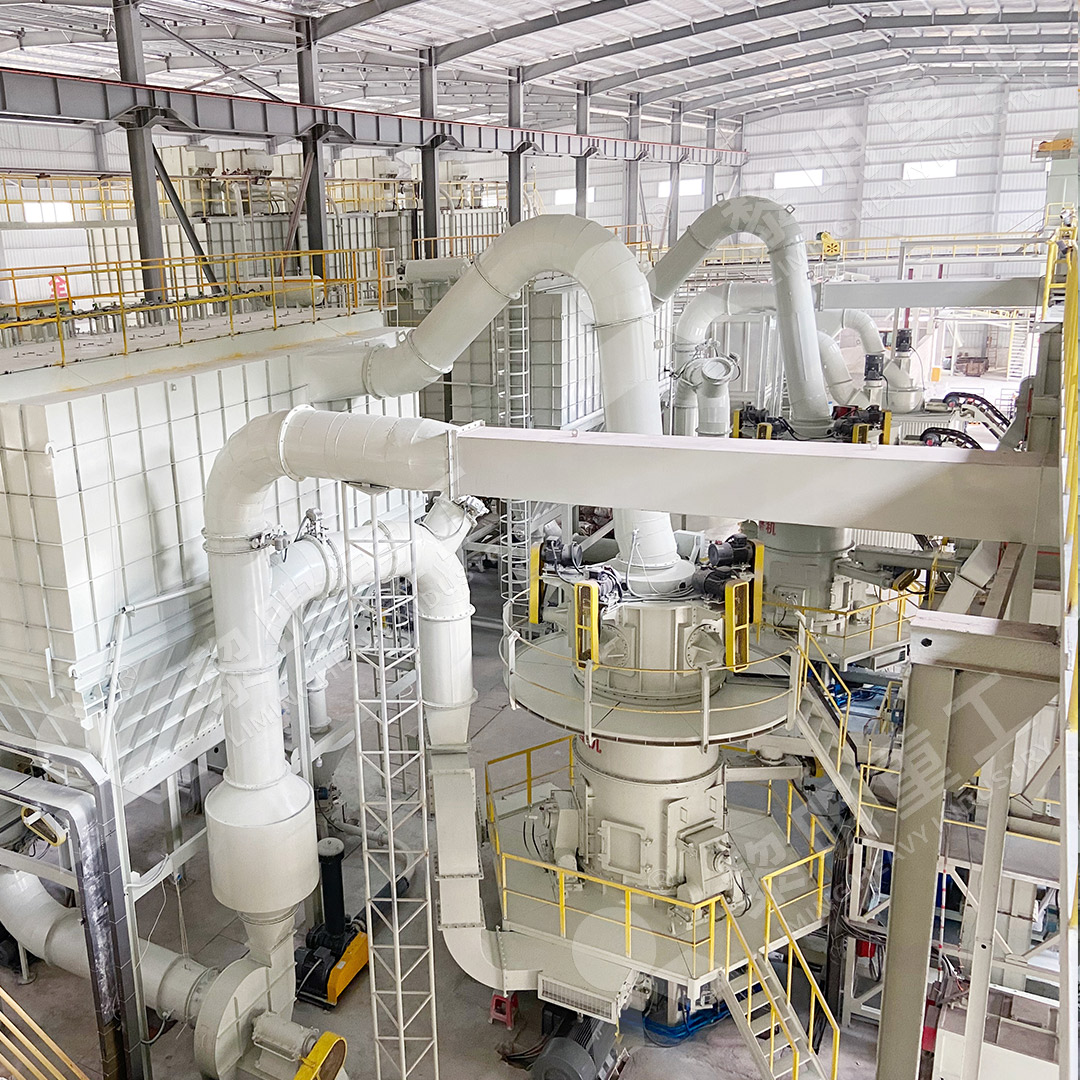
Gypsum is a relatively soft and brittle material, usually around Mohs hardness 2. Raw feed to the mill is normally controlled below 25 to 30 mm after crushing. If feed moisture is high, drying must be handled first or integrated into the system, because sticky wet feed reduces grinding efficiency and classifier stability. In normal operation, gypsum feed moisture is preferably below 1 to 3 percent for a Raymond mill.
Why Does Mill Type Depend on Fineness and Material Condition?
Gypsum breaks easily under compression and shear, so roller-based mills are efficient. For standard plaster powder, a Raymond mill gives stable throughput, simple maintenance, and reasonable power draw. Typical product control is by classifier setting, often checked by D90 or D97.
_1767930326611.jpg)
Mohs hardness: about 2
Recommended feed size after crushing: below 25 to 30 mm
Preferred feed moisture for Raymond mill: below 1 to 3 percent
Typical plaster fineness: 80 to 325 mesh
Typical fine control indicator: D90 or D97 depending on plant specification
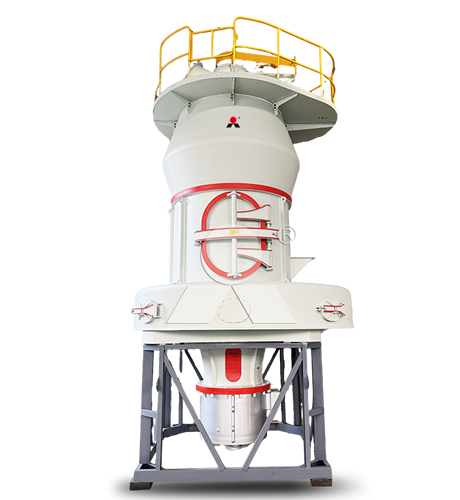
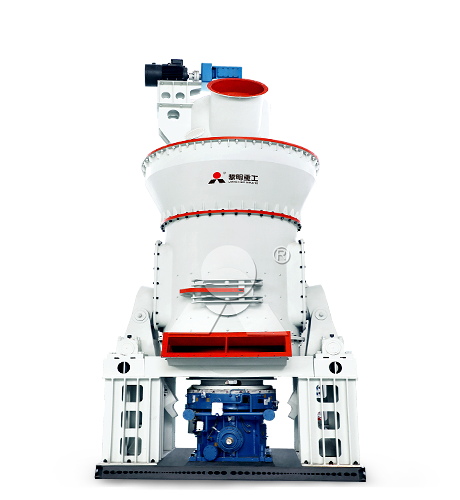
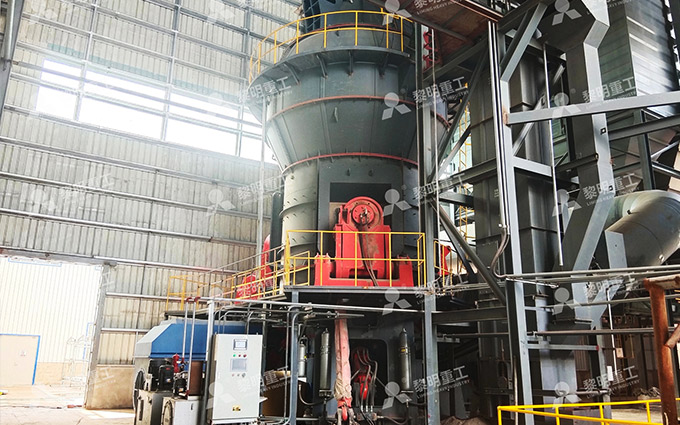
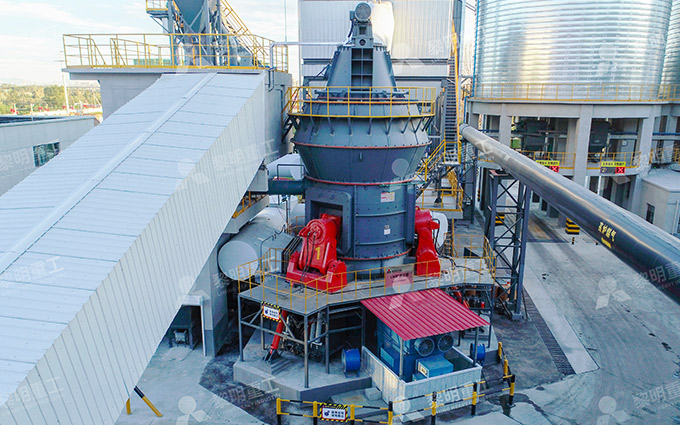
If the plant needs finer powder than 325 mesh, the selection changes. Liming Heavy Industry LUM Ultrafine Vertical Mill or MW Micro Powder Mill is more suitable for finer gypsum grades, where tighter particle size distribution is required. If the plant needs larger output with integrated drying and lower unit energy in continuous duty, LM Series Vertical Roller Mill is a practical option. In actual projects, energy use can vary by system design, but a well-matched vertical mill generally performs better in kWh per ton than an old ball mill circuit for the same fineness band.
How Should a Plaster Plant Choose the Machine?
Choose by product target first, then by feed condition. If the job is standard building gypsum powder, MTW European Type Grinding Mill is usually the straightforward choice. If the material has higher moisture or the line requires larger capacity, LM Series Vertical Roller Mill is easier to justify. If the product is very fine filler-grade gypsum, use LUM Ultrafine Vertical Mill or MW Micro Powder Mill.
The main mistake is selecting only by hourly capacity without checking moisture, feed size, and final mesh. Those three factors decide whether the mill runs steadily or becomes a bottleneck.
_1761361296294.jpg)
FAQ
Can a Raymond mill produce gypsum powder for plaster?
Yes. For plaster plants requiring 80 to 325 mesh gypsum powder, a Raymond-type mill such as Liming Heavy Industry MTW is a common and practical choice.
What is the suitable gypsum feed size before grinding?
In most lines, the gypsum should be crushed to below 25 to 30 mm before entering the mill.
When should a vertical mill be used for gypsum?
Use a vertical mill when capacity is larger, feed moisture is higher, or the plant wants integrated drying and lower specific energy consumption.
Which machine is used for very fine gypsum powder?
For powder finer than normal plaster grade, LUM Ultrafine Vertical Mill or MW Micro Powder Mill is more suitable than a standard Raymond mill.