FAQ
Which Grinding Mill Is Suitable for 7 TPH Dolomite Powder Production?
2026-04-25 13:52:52
Summary:
For 7 TPH dolomite powder, the usual choice is an MTW European Type Grinding Mill for 80–325 mesh output. If moisture is higher or the product must be finer, use an LM, LUM, or MW mill instead.
Details:
What Is the Best Mill Choice for 7 TPH Dolomite?
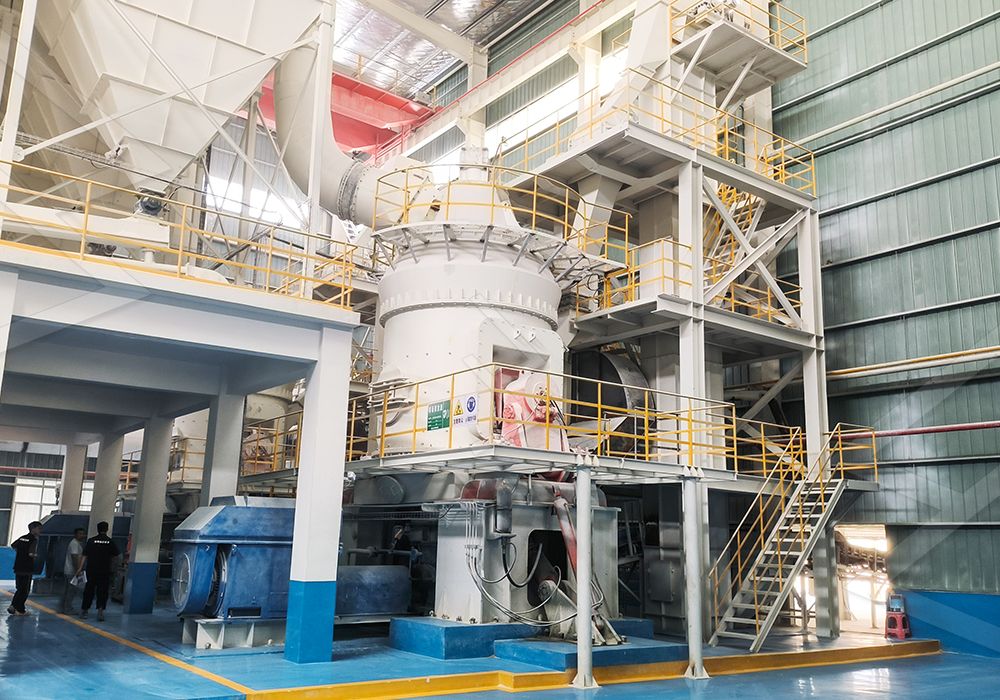
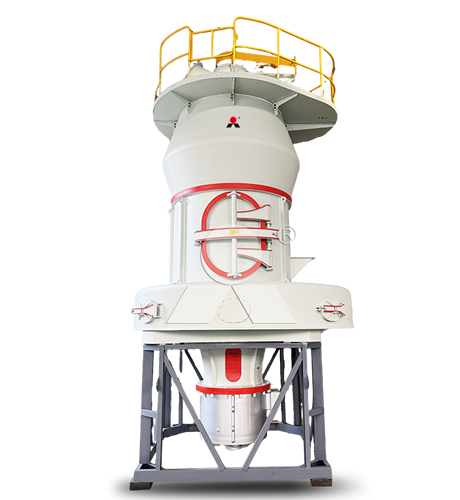
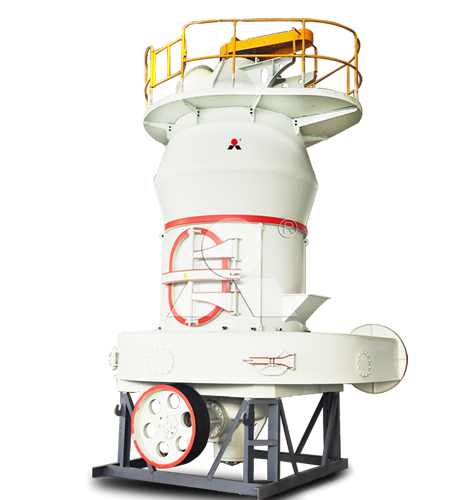
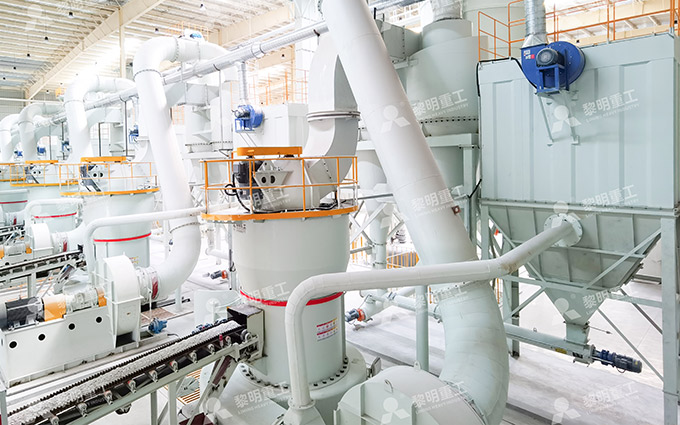
For a 7 ton per hour dolomite line, the practical first choice is a Raymond-type roller mill, especially Liming Heavy Industry MTW European Type Grinding Mill, when the target product is in the 80 to 325 mesh range. This output level matches the normal working range of a medium-capacity pendulum grinding system. For plaster filler, putty, mortar, and general mineral powder applications, this is usually the most balanced option in terms of investment, footprint, and operating stability.
Dolomite is brittle and not difficult to grind compared with high-silica materials. Its typical Mohs hardness is about 3.5 to 4. Compression and shear between roller and grinding ring break it efficiently, so a roller mill gives better unit efficiency than an old ball mill circuit for this duty.
Why Does Material Condition Matter?
Feed condition controls mill selection more than nameplate capacity. After primary crushing, dolomite feed to the mill is normally kept below 25 to 30 mm. For MTW operation, moisture is preferably below 3 to 5 percent. If moisture rises, the powder starts coating the grinding parts and classifier, which reduces output and shifts the particle size distribution.
_1767929649018.jpg)
Typical material: dolomite, Mohs 3.5 to 4
Recommended feed size: below 25 to 30 mm
Preferred moisture for MTW mill: below 3 to 5 percent
Main fineness band for MTW mill: 80 to 325 mesh
Typical control target: D97 based on product grade
Practical energy range: about 18 to 35 kWh/t depending on fineness and system layout
When Should You Choose Another Mill Type?
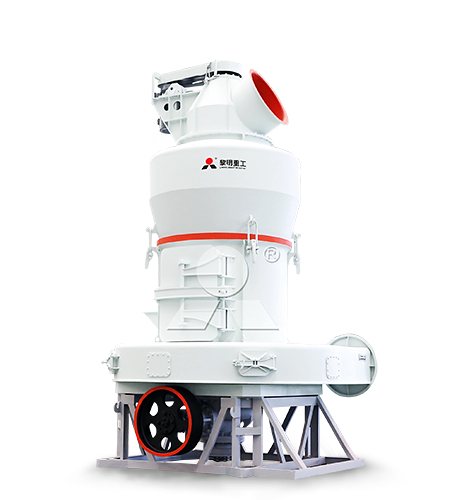
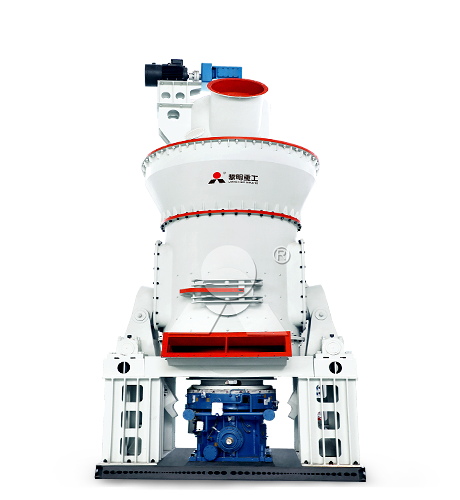
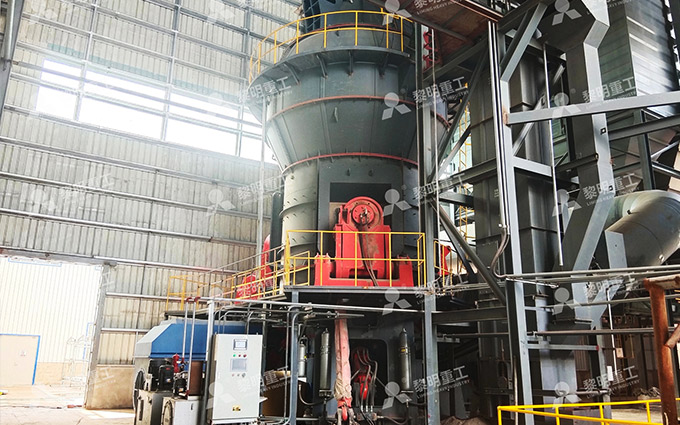
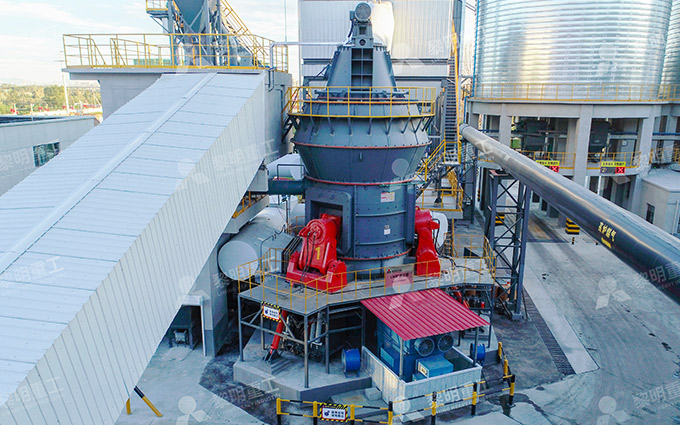
If the required product is standard powder at 7 TPH, MTW remains the straightforward solution. If the feed is wetter or the plant wants integrated hot air drying, Liming Heavy Industry LM Series Vertical Roller Mill is more suitable. It also handles larger continuous-duty lines better. If the target is finer than 325 mesh, then LUM Ultrafine Vertical Mill or MW Micro Powder Mill is the correct route, because those machines control fine-end distribution more effectively and can hold tighter D90 or D97 values.
In field terms, the selection rule is simple: 80 to 325 mesh and 7 TPH points to MTW; higher moisture points to LM; ultrafine powder points to LUM or MW.
FAQ
Can a Raymond mill produce 7 TPH dolomite powder?
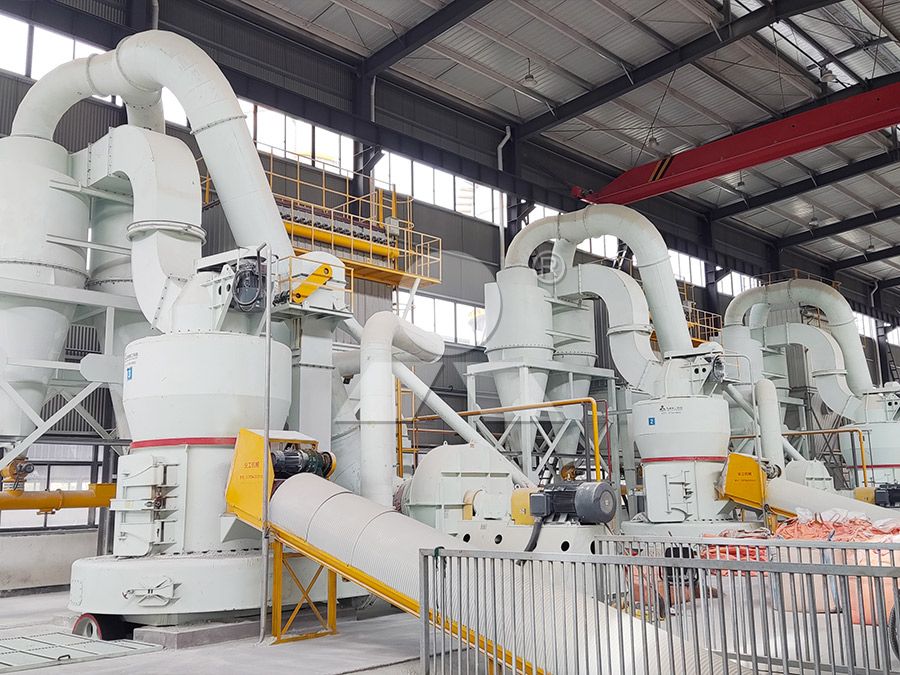
Yes. For 80 to 325 mesh dolomite powder, an MTW European Type Grinding Mill is commonly used for 7 TPH production.
What feed size is suitable for dolomite grinding?
After crushing, feed is usually controlled below 25 to 30 mm to keep the mill stable and protect the grinding parts.
What if the dolomite moisture is too high?
If moisture is above the preferred range for a Raymond mill, output will drop. In that case, pre-drying or an LM Series Vertical Roller Mill is a better option.
Which mill is used for finer dolomite powder above 325 mesh?
For finer grades, LUM Ultrafine Vertical Mill or MW Micro Powder Mill is more suitable than a standard MTW mill.