FAQ
How to Choose a Raw Mill for Cement Plant in India (2026 Guide)?
2026-04-26 13:56:46
Summary:
For cement plants in India in 2026, the right raw mill depends on moisture, abrasiveness, and output target: use LM for large wet feeds, MTW for medium duties, and ball mill for abrasive or very uniform fine grinding.
Details:
What Should Indian Cement Plants Check First?
Raw mill selection should start from the raw mix, not from the motor size. In India, limestone quality, clay moisture, laterite addition, and silica correction can change significantly by region and season. A mill that performs well on dry, brittle limestone may lose output when the feed includes wet clay or sticky shale during monsoon operation.
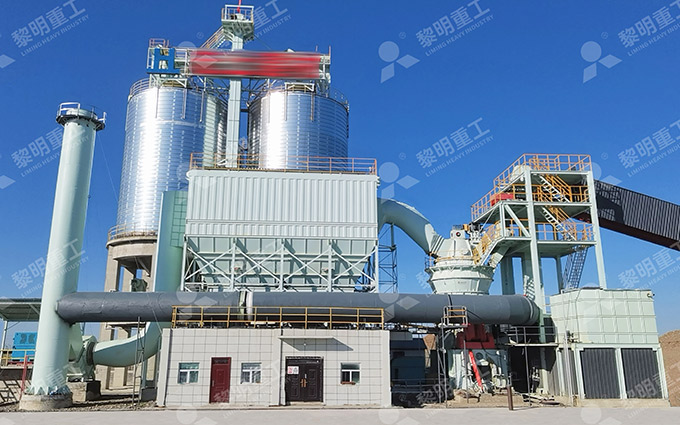
Typical limestone hardness: around Mohs 3 to 4
Typical clay or shale moisture in difficult seasons: often above 5 percent
Typical crushed raw mill feed size: below 30 to 50 mm, depending on circuit design
Main selection factors: tph target, kiln feed residue, moisture range, abrasiveness, drying demand, and power cost
For 2026 project planning, most Indian plants are under pressure to reduce specific power consumption, keep kiln feed stable, and limit unplanned stoppage caused by wear or material build-up. That means the raw mill must be matched to both the material and the operating schedule.
How Do Grinding Mechanism and Material Behavior Affect Mill Choice?
Compression grinding and impact grinding do not respond the same way to cement raw materials. Vertical roller mills and trapezium mills use compression and shear. This mechanism is efficient on brittle limestone and dry corrective materials because the material bed absorbs force well and produces good throughput with lower kWh per ton.
When the feed contains higher moisture, compression grinding with hot gas drying becomes more practical. That is why a vertical roller mill is usually preferred for large cement raw meal systems. It can dry and grind in one circuit, which helps maintain production when raw clay moisture rises.
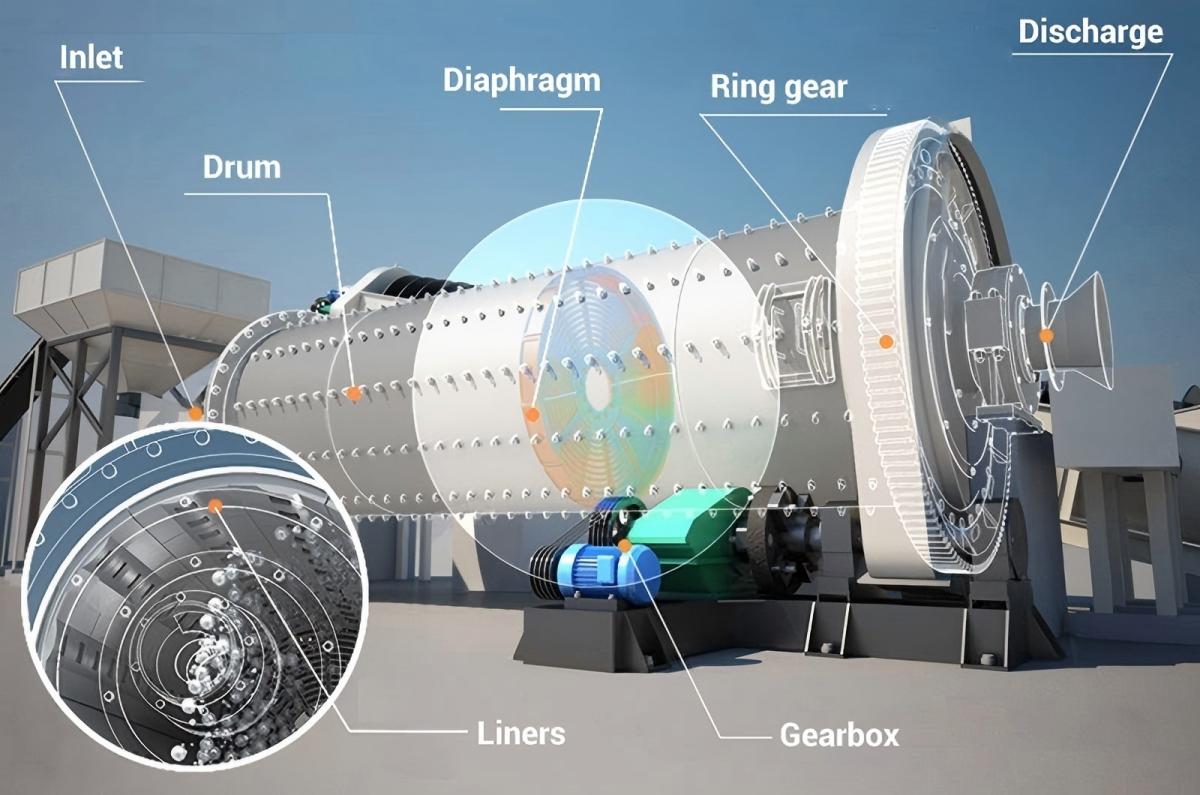
Ball mills use impact and attrition. They normally consume more power for the same duty, but they remain useful when the raw mix is highly abrasive or when the plant wants very stable fine product consistency. In these cases, the liner design, grinding media grading, and residence time can be adjusted with predictable results.
In field terms, the material rules are straightforward. Brittle and medium-hard feed favors compression grinding. Wet feed favors a mill with drying capacity. Abrasive feed favors a design with wear management and conservative fineness control.
Which Liming Heavy Industry Raw Mill Fits Each Cement Plant Scenario?
The correct machine depends on whether the plant is a large integrated line, a medium-capacity unit, or a case with difficult abrasive material. The three practical routes are shown below.
| Plant condition | Grinding mechanism | Material behavior | Production effect | Recommended equipment |
|---|---|---|---|---|
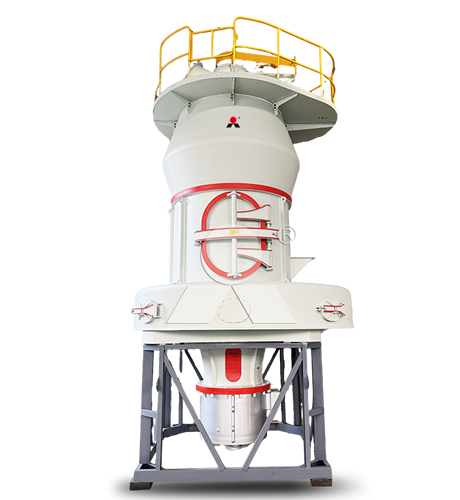
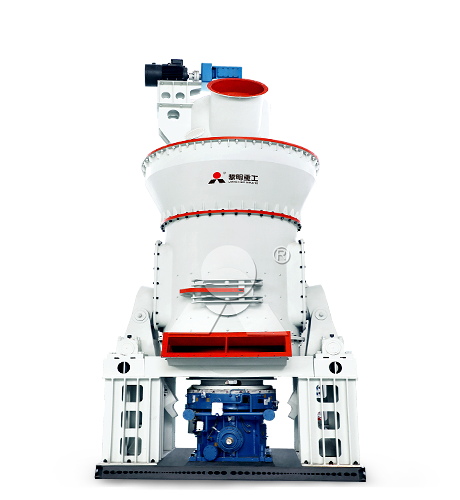
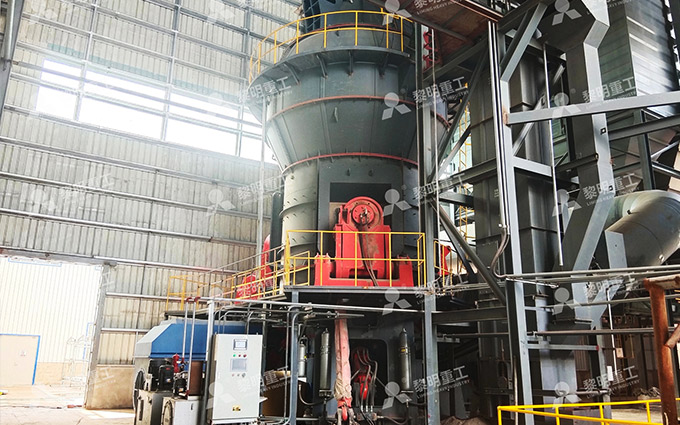
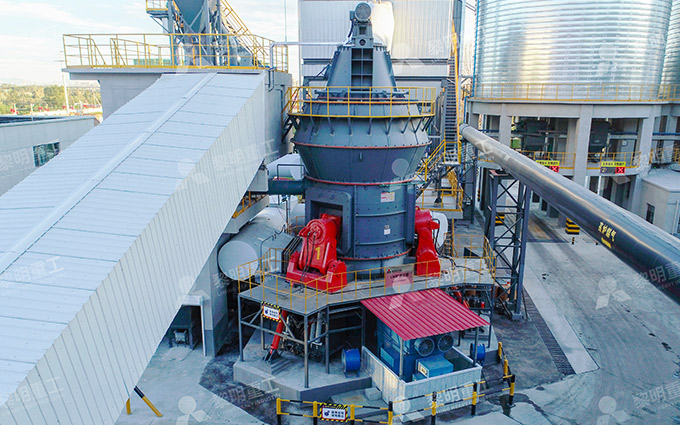
| Large cement raw meal line with high moisture, strong drying demand, and pressure to reduce power use | Compression and shear in a material bed | Suitable for brittle limestone, clay, shale, and mixed moisture feed when hot gas is available | Lower specific energy, integrated drying, stable continuous kiln feed preparation | LM190K Vertical Roller Mill |
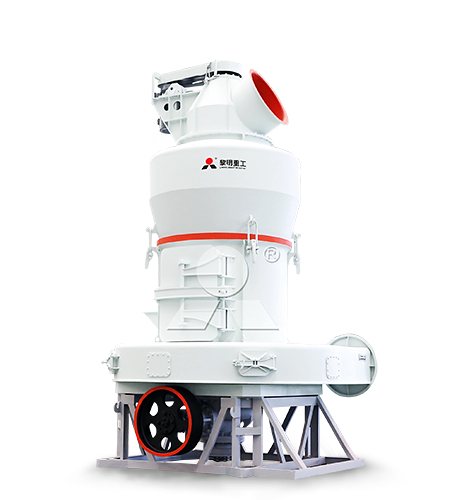
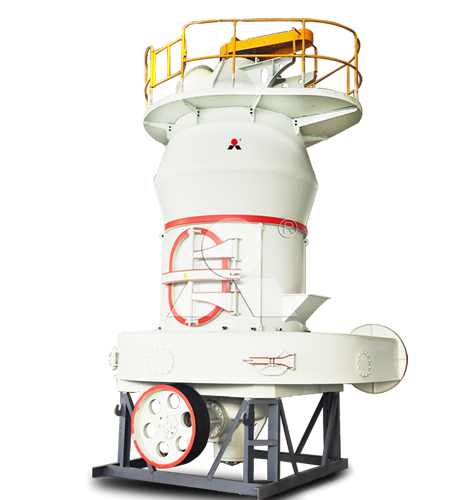
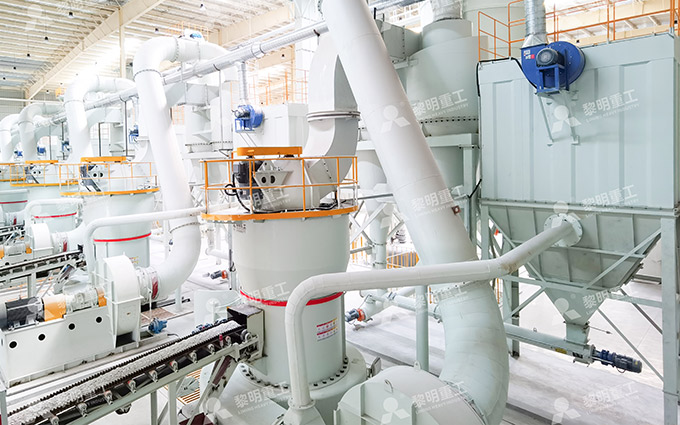
| Medium-scale production, plant expansion, or specific additive and corrective material grinding | Compression between grinding roller and ring | Best for relatively dry, medium-hard materials with controlled feed condition | Practical layout, stable 80 to 325 mesh grinding range, suitable for side-duty or moderate raw grinding tasks | MTW175 European Trapezium Mill |
| Highly abrasive raw mix, silica-rich correction materials, or requirement for very stable fine consistency | Impact and attrition by grinding media | Handles abrasive feed with predictable liner and media maintenance planning | Reliable product uniformity, robust operation, but usually higher kWh per ton than compression mills | 3.2x13m Energy-saving Ball Mill |
The selection logic is direct. Choose LM Series Vertical Roller Mill for large-scale cement raw meal with moisture variation and energy-saving requirements. Choose MTW Series European Trapezium Mill when the duty is medium-scale or focused on additives such as limestone powder, gypsum, or other corrective materials. Choose Energy-saving Ball Mill when feed abrasiveness is high or when process control requires very uniform fine grinding, even if power demand is higher.
What Practical Checks Should Be Completed Before Finalizing the Order?
Before the purchase order is issued, the supplier should size the mill using actual raw mix data. For Indian projects, this should include dry season and monsoon season feed conditions. If the proposal is based only on rated tph and ignores moisture variation, the system risk is high.
Ask the supplier to state guaranteed throughput, target residue, drying basis, fan requirement, wear part life, and expected specific power. Also confirm whether the quoted performance is for average conditions or worst-case wet feed. This point often decides whether the mill remains stable during seasonal changes.
For new lines and brownfield upgrades, a direct OEM such as Liming Heavy Industry is usually easier to evaluate because the process scope, mill sizing, spare parts, and commissioning responsibility stay with one source. That reduces the risk of mismatch between the grinding section and the rest of the raw meal system.
_1761361296291.jpg)
FAQ
Which raw mill is best for a large cement plant in India?
For a large line with wet limestone and clay, LM Series Vertical Roller Mill is usually the best choice because it combines drying and grinding with lower specific power consumption.
When should a plant choose MTW Series European Trapezium Mill?
It is suitable for medium-scale production, plant expansion, or additive grinding where the feed is relatively dry and the plant does not need a full large-capacity vertical raw mill system.
Why would a cement plant still use an Energy-saving Ball Mill in 2026?
It remains a valid choice for highly abrasive materials, silica-rich feed, or applications where very stable fine consistency is more important than the lowest kWh per ton.
What is the main mistake when choosing a raw mill?
The main mistake is choosing by hourly output alone without checking moisture range, abrasiveness, feed size, and required residue. Those factors decide whether the mill will run steadily in actual plant conditions.
What should Indian buyers request from a raw mill supplier?
They should request raw mix based sizing, guaranteed capacity and residue, moisture basis, drying method, specific power estimate, wear parts plan, spare parts list, and commissioning support.