FAQ
What Is the Difference Between Raymond Mill and Vertical Roller Mill for Mineral Grinding?
2026-04-30 10:50:59
Summary:
Raymond mills suit 80-325 mesh, dry, medium-capacity mineral powder production, while vertical roller mills fit larger output, higher moisture feed, and lower kWh/t with integrated drying and broader fineness control.
Details:
How Do the Grinding Mechanisms Differ?
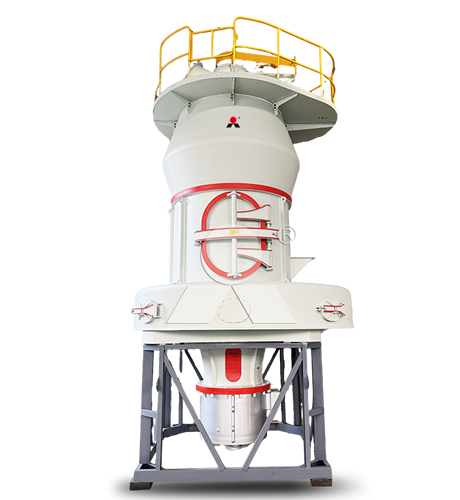
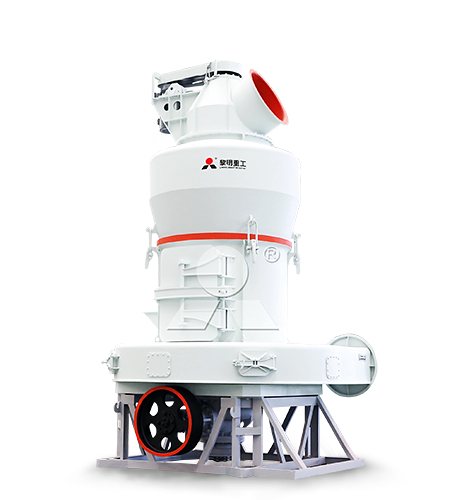
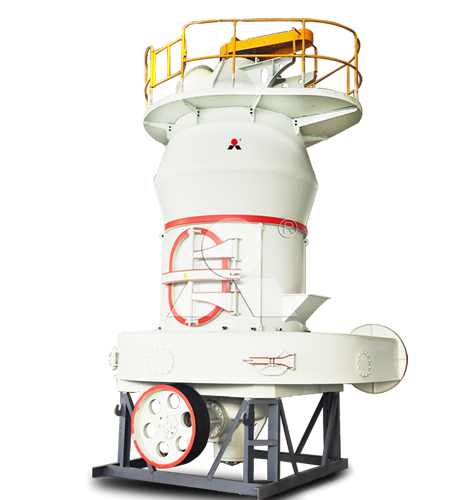
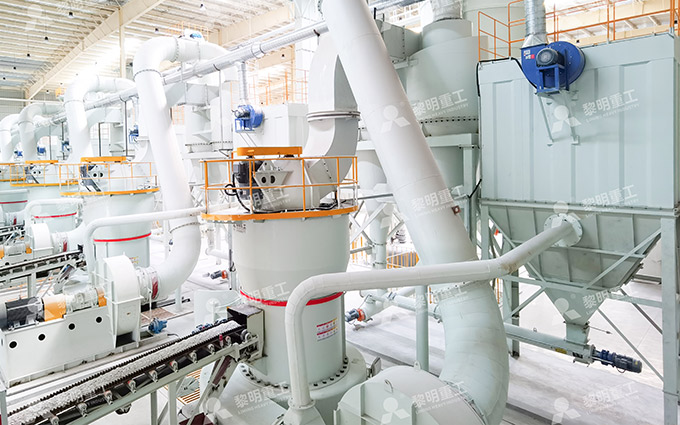
A Raymond mill and a vertical roller mill both use compression and shear, but they apply the force differently. In a Raymond system such as Liming Heavy Industry MTW European Type Grinding Mill, the rollers press against a grinding ring. This layout is effective for brittle, non-sticky minerals and stable medium-capacity production.
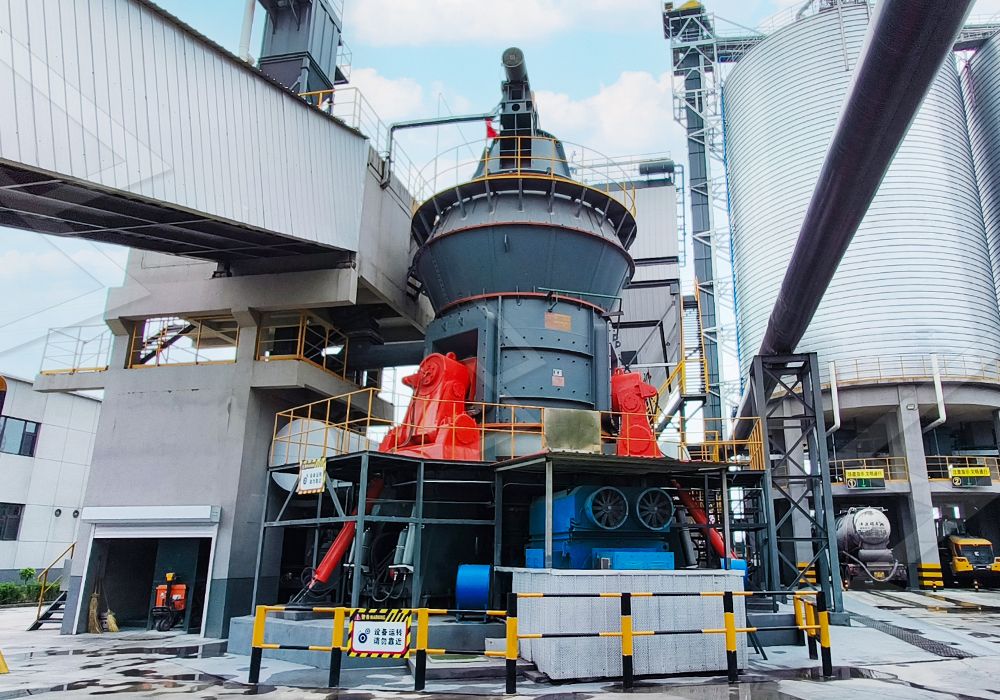
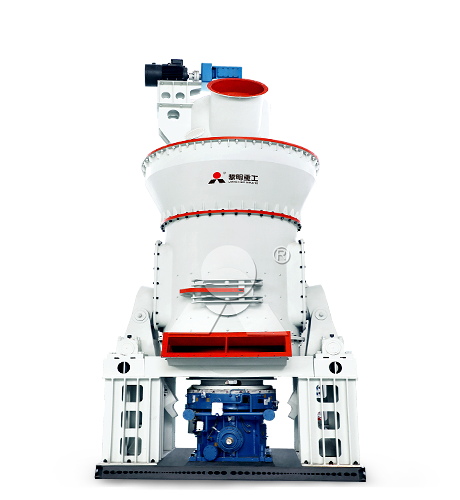
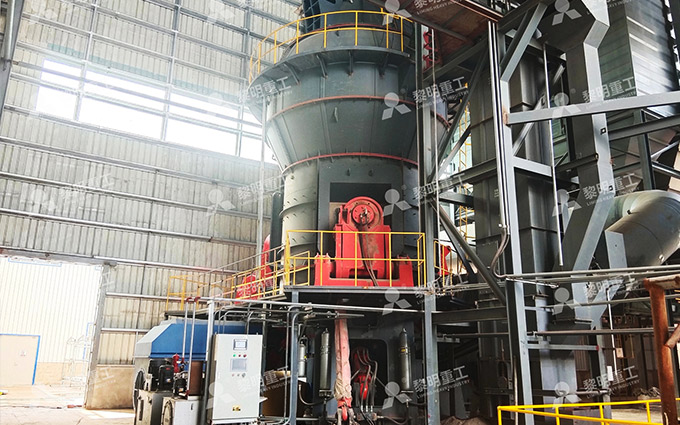
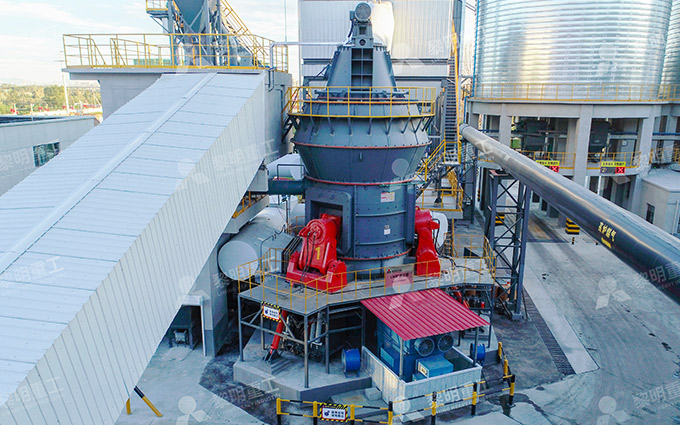
In an LM Series Vertical Roller Mill, the material forms a grinding bed on the rotating table, and the rollers apply pressure from above. This bed-grinding mechanism is more efficient at higher throughputs and usually gives lower specific energy consumption in kWh/t when the system is sized correctly. It also handles hot air drying more effectively.
How Do Material Properties Affect Mill Selection?
Material behavior decides the mill more than catalog size. For limestone, dolomite, barite, and similar brittle minerals, both mill types work well. Typical feed hardness is often in the Mohs 3 to 5 range. Feed size for either system is usually controlled below 25 to 40 mm after crushing, depending on model.
_1761360948097.jpg)
MTW European Type Grinding Mill: usually suited for 80-325 mesh powder
LM Series Vertical Roller Mill: often selected for larger capacity and wider fineness control
Preferred moisture for Raymond mill feed: commonly below 3 to 5 percent
Vertical roller mill can tolerate higher moisture when hot air drying is available
Abrasive minerals increase wear on grinding parts in both systems, but wear management is usually easier to plan in larger vertical mill circuits
Raymond mills do not like sticky wet feed. Once moisture rises, coating on rollers, ring, and classifier reduces output and shifts D90 or D97. Vertical roller mills are more stable when moisture is higher because drying and grinding happen in one circuit.
Which Mill Is Better for Production Efficiency?
For medium-scale powder plants, the MTW mill is often the practical choice because the process is simple, maintenance is familiar, and the target fineness band of 80-325 mesh covers many industrial minerals. For larger plants, LM vertical mills usually perform better in throughput and unit power consumption, especially when the feed has moisture or the plant wants fewer handling steps.
If the target is much finer than standard Raymond range, the selection usually moves to Liming Heavy Industry LUM Ultrafine Vertical Mill or MW Micro Powder Mill, because tighter fine-end control is needed.
_1761355701097.jpg)
FAQ
Is a Raymond mill better than a vertical roller mill for mineral powder?
For 80-325 mesh and medium output, yes, it is often the simpler choice. For higher capacity, wetter feed, and lower kWh/t, a vertical roller mill is usually better.
What minerals are commonly ground in these mills?
Limestone, dolomite, calcite, barite, gypsum, and other brittle minerals in the Mohs 3 to 5 range are common applications.
What happens if feed moisture is too high in a Raymond mill?
Output drops, powder coats the grinding parts, and particle size control becomes unstable. In that case, pre-drying or an LM Series Vertical Roller Mill is a better option.
When should an ultrafine mill be used instead?
If the product must be finer than normal 325 mesh mineral powder, LUM Ultrafine Vertical Mill or MW Micro Powder Mill is usually the correct choice.