Industry News
Transforming Industrial By-Product Gypsum into Valuable Resources Recycling Technologies, Applications, and Complete Processing Solutions
2026-07-27 14:01:39
We are Liming Heavy Industry, a manufacturer of various types of industrial crushers, such as Raymond Mill, Trapezoidal Mill, Vertical Mill, Ultrafine Mill, Ball Mill, etc.
Our mills can process the following minerals:
limestone, quicklime, kaolin, talc, barite, bentonite, calcium carbonate, dolomite, coal, gypsum, clay, carbon black, slag, cement raw materials, cement clinker, etc.
If you need a mill to process stone or minerals into powder, please feel free to contact me (WhatsApp: +8615333807511). Thank you.
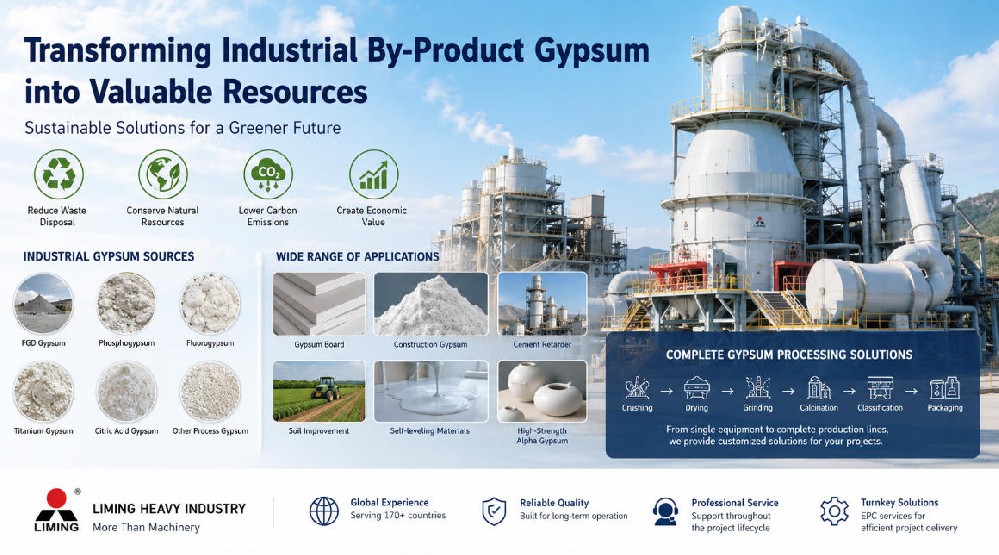
As governments and industries worldwide accelerate their transition toward a circular economy, industrial by-product gypsum has become an increasingly valuable secondary resource rather than a waste material requiring disposal. Every year, hundreds of millions of tons of gypsum are generated from coal-fired power plants, phosphate fertilizer production, titanium dioxide manufacturing, fluorochemical processing, citric acid production, and many other industrial sectors.
Traditionally, much of this material was stockpiled in large waste ponds or landfills, occupying valuable land while creating long-term environmental management challenges. Today, however, advances in mineral processing technology make it possible to convert industrial gypsum into high-value construction materials, cement additives, agricultural products, and specialty chemical materials.
With proper crushing, drying, grinding, calcination, classification, and impurity control, industrial by-product gypsum can replace natural gypsum in numerous applications while reducing production costs and conserving natural resources. As demand for sustainable building materials continues to increase, recycling industrial gypsum has become both an environmental responsibility and an attractive business opportunity.
What Is Industrial By-Product Gypsum?
Industrial by-product gypsum refers to calcium sulfate-based materials generated during industrial manufacturing processes. Although their chemical compositions vary depending on the production process, most contain calcium sulfate dihydrate (CaSO₄·2H₂O) as the primary component.
The most common types include:
Flue Gas Desulfurization (FGD) Gypsum
Phosphogypsum
Fluorogypsum
Titanium Gypsum
Citric Acid Gypsum
Salt Gypsum
Borogypsum
Other chemical process gypsum
Each type differs in moisture content, purity, particle size, and impurity composition. Therefore, selecting the appropriate processing technology is essential for producing high-quality recycled gypsum products.
Why Is Industrial Gypsum Recycling Important?
Reducing Environmental Impact
Large gypsum stockpiles occupy extensive land areas and require long-term environmental monitoring. Rainwater infiltration may lead to groundwater contamination, while wind erosion can generate dust pollution.
Recycling significantly reduces landfill demand while minimizing environmental risks associated with long-term storage.
Conserving Natural Gypsum Resources
Natural gypsum mining consumes mineral resources and requires transportation, crushing, and processing before utilization. Replacing natural gypsum with recycled industrial gypsum helps preserve mineral reserves while reducing mining activities.
Supporting Carbon Reduction Goals
Many countries encourage industrial waste recycling through environmental regulations and carbon reduction policies. Utilizing recycled gypsum reduces carbon emissions associated with raw material extraction and transportation while supporting sustainable manufacturing.
Creating Economic Value
Instead of paying disposal and environmental management costs, manufacturers can convert industrial waste into profitable products with stable market demand.
Main Applications of Recycled Industrial Gypsum
1. Construction Gypsum Powder
Construction gypsum remains one of the largest markets for recycled industrial gypsum.
Typical products include:
Building plaster
Wall plaster
Gypsum mortar
Gypsum putty
Decorative gypsum
Gypsum-based self-leveling materials
A typical production process includes:
Raw Material → Drying → Grinding → Calcination → Cooling → Packaging
Depending on downstream applications, finished products generally require fineness between 100 and 325 mesh.
2. Gypsum Board Production
Gypsum board manufacturing represents one of the largest consumption sectors for industrial gypsum worldwide.
After grinding and calcination, industrial gypsum can replace natural gypsum almost entirely in gypsum board production.
The production process generally consists of:
Industrial Gypsum → Grinding → Calcination → β-Hemihydrate Gypsum → Mixing with Additives → Board Forming → Drying → Finished Product
Modern production lines commonly produce between 5 million and 30 million square meters of gypsum board annually.
3. High-Strength Alpha Gypsum
High-strength α-hemihydrate gypsum possesses significantly higher mechanical strength than conventional β-gypsum and is widely used in high-value industries.
Typical applications include:
Ceramic molds
Medical and dental materials
Precision casting
3D printing materials
Architectural decorative products
Unlike ordinary construction gypsum, α-gypsum is typically produced through hydrothermal processing before final grinding and classification.
4. Cement Industry
Gypsum serves as an essential cement retarder by regulating the hydration rate of Portland cement.
Most cement plants add approximately 3–5% gypsum during cement grinding. Recycled FGD gypsum has become a widely accepted substitute for natural gypsum in cement manufacturing.
5. Agricultural Applications
Industrial gypsum can improve soil structure while supplying calcium and sulfur nutrients.
Applications include:
Saline-alkali soil improvement
Rice cultivation
Corn production
Wheat farming
Sugarcane cultivation
For agricultural applications, phosphogypsum must meet local regulations regarding fluorine content, heavy metals, and naturally occurring radioactive materials.
6. Chemical Production
Industrial gypsum also serves as a raw material for producing ammonium sulfate fertilizer and calcium carbonate through chemical conversion processes, creating additional value from industrial waste streams.
7. Self-Leveling Flooring Materials
The rapid development of commercial and residential construction has increased demand for gypsum-based self-leveling compounds.
These products require:
Uniform particle size distribution
Stable setting time
Consistent whiteness
Excellent flowability
Challenges in Industrial Gypsum Recycling
High Moisture Content
FGD gypsum often contains 8–15% free moisture, making efficient drying an important step before grinding or calcination.
Impurity Removal
Industrial gypsum may contain:
Phosphates
Fluorides
Chlorides
Organic matter
Heavy metals
Depending on product requirements, pretreatment may involve washing, filtration, aging, or chemical stabilization.
Particle Size Control
Different downstream industries require different particle sizes.
| Application | Typical Fineness |
|---|---|
| Cement | 100–200 mesh |
| Construction Gypsum | 160–325 mesh |
| Self-Leveling Materials | 200–400 mesh |
| Specialty Products | D97 < 45 μm |
Maintaining stable particle size distribution is critical for ensuring consistent product quality.
Calcination Control
Calcination determines the final crystal structure of gypsum products. Precise temperature and residence time control are essential for producing β-hemihydrate gypsum, α-hemihydrate gypsum, or anhydrite according to product specifications.
Equipment Required for Industrial Gypsum Processing
A modern gypsum recycling plant consists of several interconnected processing stages.
Crushing
Large gypsum lumps are reduced to suitable feed sizes for downstream processing.
Drying
Drying systems remove excess moisture from high-moisture industrial gypsum, improving grinding efficiency and reducing energy consumption during calcination.
Grinding
Grinding is one of the most critical stages because it directly influences product fineness, particle size distribution, downstream reaction efficiency, and overall production cost.
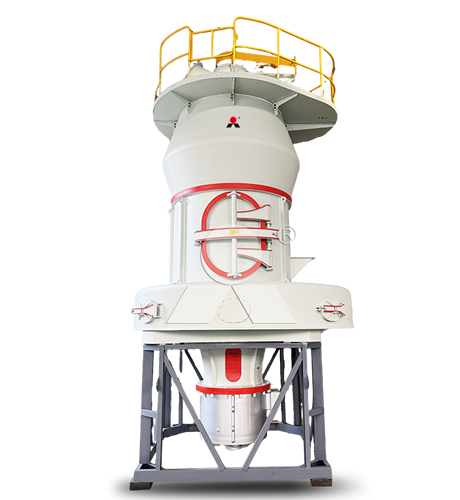
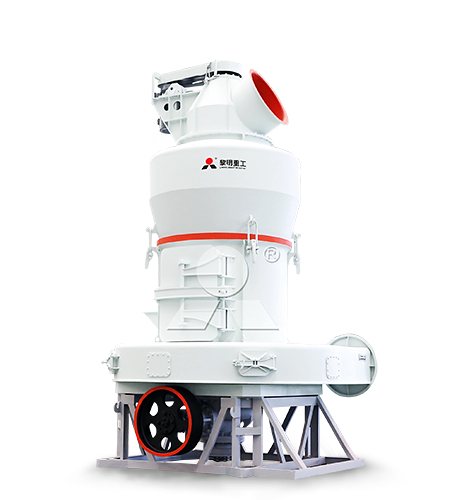
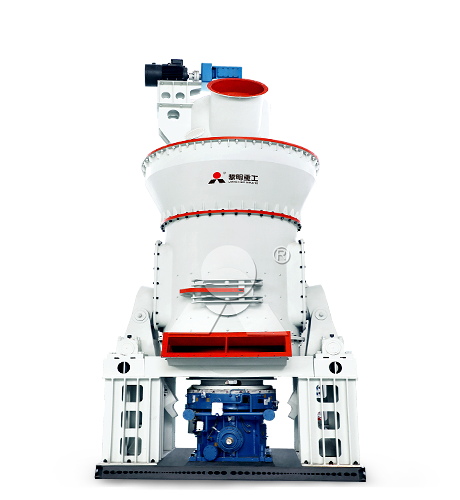
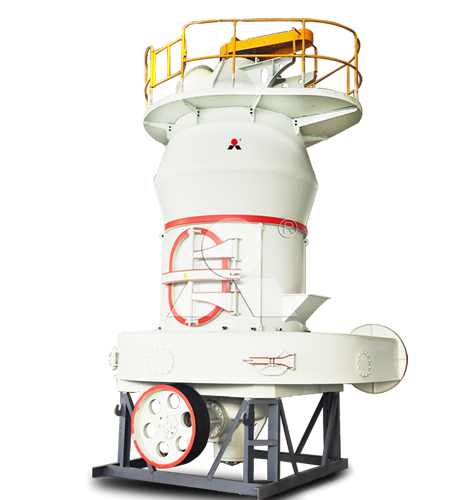
For most industrial gypsum applications requiring 80–400 mesh powder, vertical roller mills and European-type grinding mills provide excellent performance with high capacity and low energy consumption.
For ultrafine gypsum products used in specialty applications, advanced air classification systems can produce finer powders while maintaining a narrow particle size distribution.
Calcination
Calcination converts calcium sulfate dihydrate into various gypsum products depending on temperature and process conditions.
Common calcination equipment includes:
Rotary kilns
Fluidized bed calciners
Continuous calcination systems
Air Classification
High-efficiency classifiers separate qualified finished products from oversized particles, ensuring stable product quality while reducing unnecessary overgrinding.
Packaging and Storage
Automatic packing systems improve production efficiency while reducing labor requirements and ensuring consistent product packaging.
Complete Industrial Gypsum Production Lines
As recycling projects continue to increase in scale, investors increasingly prefer complete production lines rather than purchasing individual machines.
A complete gypsum processing plant typically includes:
Raw material receiving and storage
Crushing system
Drying system
Grinding system
Calcination equipment
Air classification system
Dust collection system
Material conveying equipment
Finished product silos
Automatic packaging system
Electrical and intelligent control systems
Integrated plant design minimizes material handling, improves automation, reduces operating costs, and ensures stable long-term production.
Selecting the Right Grinding Equipment
The selection of grinding equipment depends on several factors, including gypsum type, feed size, moisture content, required fineness, production capacity, energy consumption targets, and downstream product applications.
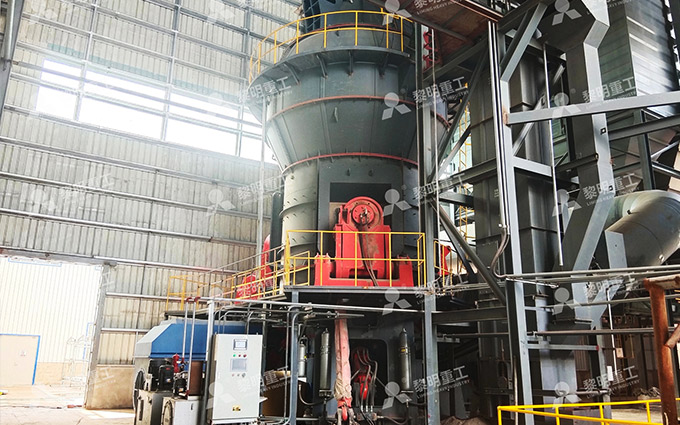
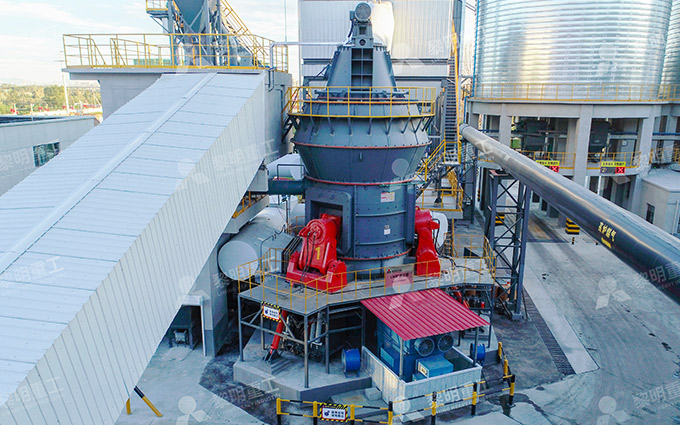
For medium and large-scale gypsum recycling projects, vertical roller mills have become increasingly popular because they integrate grinding, drying, and classification into a single compact system. This design reduces equipment footprint, simplifies maintenance, and improves overall energy efficiency.
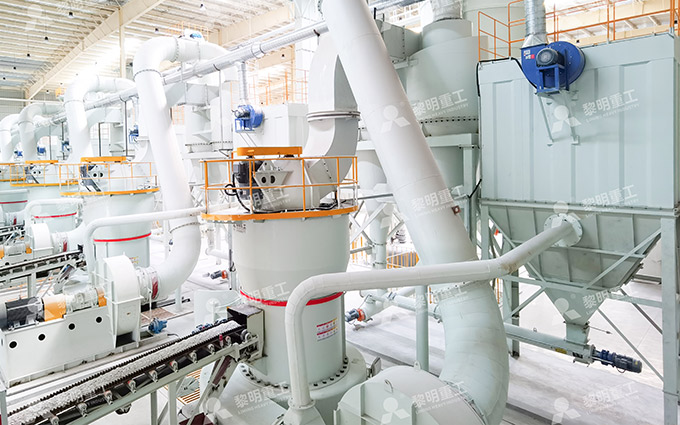
For projects producing conventional gypsum powders across a wide range of capacities, European-type grinding mills also provide reliable performance with stable product quality and flexible operation.
Complete Gypsum Recycling Solutions from Liming Heavy Industry
As industrial gypsum recycling continues to expand worldwide, selecting experienced equipment suppliers becomes increasingly important for project success.
With decades of experience in mineral processing equipment manufacturing, Liming Heavy Industry provides complete solutions for industrial gypsum recycling, from individual machines to fully integrated production lines.
Its product portfolio includes:
European-type grinding mills
Industrial drying systems
Rotary calcination equipment
High-efficiency air classifiers
Dust collection systems
Material conveying equipment
Automatic control systems
Complete gypsum powder production lines
Whether processing FGD gypsum, phosphogypsum, fluorogypsum, titanium gypsum, or other industrial by-products, customized process solutions can be designed according to raw material characteristics, production capacity, and final product requirements.
For investors planning new gypsum recycling facilities or upgrading existing plants, complete engineering solutions help reduce project risks, improve equipment compatibility, shorten installation time, and achieve stable long-term operation.
Future Outlook
The global construction industry is steadily increasing its demand for environmentally friendly building materials, while governments continue introducing stricter environmental regulations on industrial waste disposal. These trends are accelerating investment in industrial gypsum recycling projects around the world.
Future gypsum processing plants will become increasingly intelligent, energy-efficient, and automated. Advanced grinding technologies, precise calcination control, intelligent monitoring systems, and optimized production line integration will continue improving product quality while lowering operating costs.
Rather than viewing industrial by-product gypsum as waste, manufacturers now recognize it as an important recyclable resource capable of generating significant environmental and economic benefits. Through efficient crushing, drying, grinding, calcination, classification, and integrated production technologies, industrial gypsum can be transformed into high-quality products that support sustainable development, conserve natural resources, and create long-term value for businesses worldwide.