Calcium Carbonate Knowledge Hub
Calcium Carbonate Thermal Decomposition
2026-09-04 16:03:34
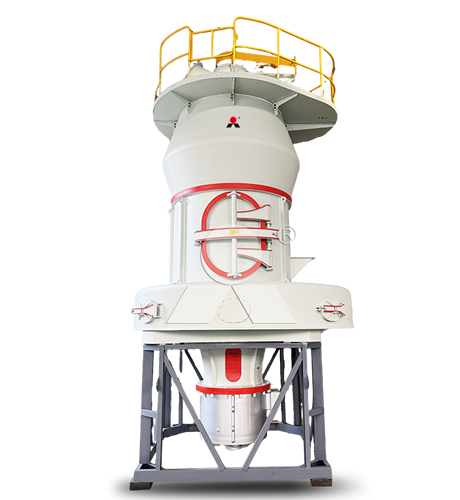
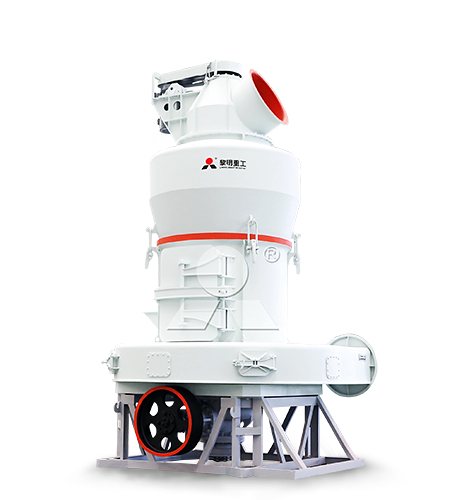
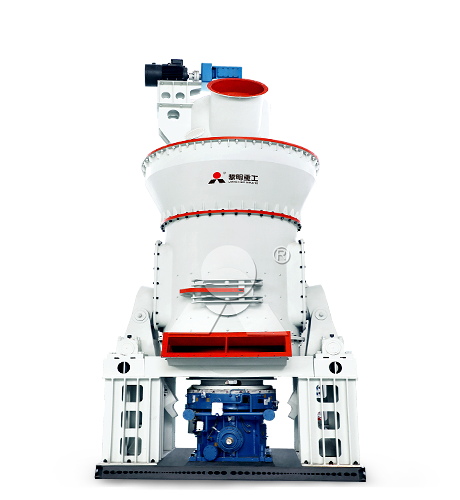
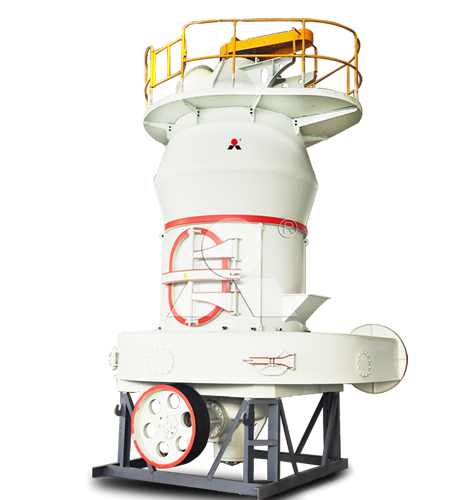
We are Liming Heavy Industry, a manufacturer of various types of industrial crushers, such as Raymond Mill, Trapezoidal Mill, Vertical Mill, Ultrafine Mill, Ball Mill, etc.
Our mills can process the following minerals:
limestone, quicklime, kaolin, talc, barite, bentonite, calcium carbonate, dolomite, coal, gypsum, clay, carbon black, slag, cement raw materials, cement clinker, etc.
If you need a mill to process stone or minerals into powder, please feel free to contact me (WhatsApp: +8615333807511). Thank you.
Calcium carbonate thermal decomposition is the high-temperature chemical reaction in which calcium carbonate, CaCO3, breaks down into calcium oxide, CaO, and carbon dioxide, CO2. This process is called calcination and is the foundation of lime production, cement manufacturing, steelmaking, environmental treatment, chemical processing, and many industrial mineral operations.
The basic reaction is:
CaCO3(s) → CaO(s) + CO2(g)
In practical industrial systems, decomposition does not depend on temperature alone. Kiln temperature, carbon dioxide partial pressure, limestone particle size, mineral purity, feed moisture, residence time, heat transfer, fuel type, and kiln design all affect the speed and completeness of calcination.
Quick Answer
| Question | Answer |
|---|---|
| What happens when calcium carbonate is heated? | It decomposes into calcium oxide, also called quicklime, and carbon dioxide gas. |
| What is the reaction? | CaCO3 → CaO + CO2 |
| What is the process called? | Calcination. |
| At what temperature does it occur? | Decomposition becomes significant at high temperature; industrial lime kilns commonly operate above 900°C, while the required operating temperature depends on CO2 conditions, stone size, and kiln design. |
| What is the solid product? | Calcium oxide, CaO, commonly called quicklime or burnt lime. |
| Why is it important? | It produces lime for steel, construction, water treatment, flue-gas treatment, chemical processes, soil stabilization, and cement manufacturing. |
What Is Thermal Decomposition of Calcium Carbonate?
Thermal decomposition is a chemical reaction caused by heating. In the case of calcium carbonate, enough heat breaks the chemical bond arrangement in CaCO3. The carbonate component is released as carbon dioxide gas, leaving calcium oxide as the solid product.
The reaction is endothermic, meaning it requires continuous heat input:
CaCO3(s) + heat → CaO(s) + CO2(g)
Limestone, marble, chalk, calcite, and other calcium carbonate-rich materials can undergo this reaction. In industry, limestone is the main feedstock because it is widely available, can be quarried at large scale, and is suitable for continuous kiln processing.
The U.S. Geological Survey explains that when limestone, CaCO3, is heated in a kiln, it undergoes calcination and produces calcium oxide and carbon dioxide.
The Calcium Carbonate Decomposition Equation
The principal calcination reaction is:
CaCO3(s) → CaO(s) + CO2(g)
This equation describes a one-to-one molar reaction:
One mole of calcium carbonate produces one mole of calcium oxide.
One mole of calcium carbonate releases one mole of carbon dioxide.
Using approximate molecular weights:
| Material | Formula | Approximate Molar Mass |
|---|---|---|
| Calcium carbonate | CaCO3 | 100.09 g/mol |
| Calcium oxide | CaO | 56.08 g/mol |
| Carbon dioxide | CO2 | 44.01 g/mol |
In theory, 100 kg of pure CaCO3 yields about 56 kg of CaO and releases about 44 kg of CO2. Actual industrial results vary because limestone is not chemically pure, moisture must be removed, some material may remain under-calcined, and handling losses can occur.
At What Temperature Does Calcium Carbonate Decompose?
Calcium carbonate decomposition is not controlled by one fixed temperature. The reaction depends on the surrounding carbon dioxide partial pressure, the limestone particle size, the rate of heat transfer, mineral impurities, kiln atmosphere, and residence time.
Under favorable low-CO2 conditions, decomposition can begin at lower temperatures. In practical lime production, industrial kilns commonly operate above 900°C to provide sufficient heat transfer and reaction rate for continuous calcination. The Michigan Producers Association describes industrial lime production as heating limestone or chalk above 900°C in continuously operating kilns.
Typical industrial ranges vary by technology. One source describes crushed limestone heating between approximately 980°C and 1,320°C for quicklime production, while traditional lime-kiln studies commonly discuss calcination around 850–900°C. These values should be treated as operational ranges, not universal decomposition points.
| Condition | General Calcination Behavior |
|---|---|
| Below the effective decomposition range | Reaction is slow or incomplete; limestone may remain under-burned |
| Appropriate calcination range | CaCO3 decomposes efficiently to reactive CaO when sufficient time and heat transfer are available |
| Excessive temperature or residence time | CaO may become hard-burned or over-burned, reducing porosity and reactivity |
Why Carbon Dioxide Pressure Matters
Calcination is a reversible equilibrium reaction:
CaCO3(s) ⇌ CaO(s) + CO2(g)
When the surrounding gas contains a high concentration of carbon dioxide, decomposition becomes more difficult because the reaction is pushed toward calcium carbonate. When CO2 is removed or diluted by combustion gases, air flow, or process design, calcination becomes easier at the same temperature.
This is why kiln atmosphere and gas flow are important. A kiln must provide enough heat to drive decomposition while also allowing released CO2 to move away from the reacting stone. The effect is especially important in large particles, dense stone, poorly ventilated kiln zones, or systems with high CO2 recirculation.
Experimental research confirms that calcium carbonate decomposition kinetics vary with carbon dioxide conditions and that the reaction behavior is strongly influenced by CO2 partial pressure.
Stages of Limestone Calcination
Industrial limestone calcination occurs through several overlapping physical and chemical stages. The exact sequence changes with kiln type and feed material, but the main steps are similar.
1. Drying
Freshly quarried limestone may contain surface moisture, pore water, or clay-related moisture. The first stage of heating removes free water. Excess moisture increases fuel demand and can affect kiln stability, material flow, and thermal efficiency.
2. Preheating
After drying, limestone is heated toward the calcination range. In modern plants, preheaters or regenerative systems may use hot exhaust gases to transfer heat to incoming stone before it enters the highest-temperature zone.
Preheating improves energy efficiency because it recovers heat that would otherwise leave with the exhaust gas.
3. Calcination
At sufficient temperature and under suitable gas conditions, calcium carbonate decomposes to calcium oxide and carbon dioxide. The reaction often begins near the surface of each limestone particle and progresses toward the center.
The solid product develops porosity as CO2 escapes. This pore structure is important because highly reactive quicklime generally needs good access for water or process chemicals in later stages.
4. Cooling
After calcination, quicklime must be cooled before storage, transport, hydration, or downstream use. Cooling systems can recover heat for combustion air or preheating, improving total thermal efficiency.
Quicklime is highly reactive with moisture, so it must be protected from air humidity and water after leaving the kiln.
What Is Produced by Calcination?
The main solid product is calcium oxide, CaO. It is commonly called quicklime, burnt lime, calcined lime, or simply lime.
Quicklime is different from limestone and calcium carbonate. Calcium carbonate is a carbonate mineral, while calcium oxide is a highly reactive oxide produced after carbon dioxide has been removed through heating.
| Material | Formula | Common Name | Role |
|---|---|---|---|
| Calcium carbonate | CaCO3 | Limestone, calcite, marble, chalk | Raw material for lime and cement; mineral filler in many products |
| Calcium oxide | CaO | Quicklime, burnt lime | Reactive product of calcination |
| Calcium hydroxide | Ca(OH)2 | Hydrated lime, slaked lime | Produced when quicklime reacts with water |
| Carbon dioxide | CO2 | Carbon dioxide gas | Released during calcination; may be emitted, captured, or reused depending on plant design |
What Happens When Quicklime Meets Water?
Quicklime reacts strongly with water in a process called hydration or slaking:
CaO + H2O → Ca(OH)2 + heat
The reaction produces calcium hydroxide, also called hydrated lime or slaked lime. It releases substantial heat and must be controlled carefully in industrial equipment.
Calcium hydroxide is used in water treatment, flue-gas treatment, construction materials, pH control, chemical manufacturing, soil stabilization, and other processes. It can also react with carbon dioxide to form calcium carbonate again:
Ca(OH)2 + CO2 → CaCO3 + H2O
This carbonation reaction is the basis for manufacturing precipitated calcium carbonate, or PCC, from lime-derived materials.
Under-Burned, Soft-Burned, and Hard-Burned Lime
Calcination quality is not determined only by whether CaCO3 has decomposed. The structure and reactivity of the resulting CaO are also important.
Under-Burned Lime
Under-burned lime contains incompletely calcined limestone. This can happen when temperature, residence time, or heat transfer is insufficient, especially in the center of large stone pieces. Under-burned material may have lower available lime content and inconsistent reactivity.
Soft-Burned Lime
Soft-burned lime is generally produced under conditions that create a porous, reactive CaO structure. It hydrates relatively quickly and is often preferred where high chemical reactivity is required.
Hard-Burned or Dead-Burned Lime
Hard-burned lime results from excessive temperature or prolonged firing. Its pore structure can become denser and less reactive. In some applications, lower reactivity is undesirable; in others, such as certain refractory uses, it can be beneficial.
Research on limestone calcination notes that insufficient heating can leave an under-burned core, while excessive temperature can reduce surface porosity and create hard-burned material.
Factors Affecting Calcium Carbonate Thermal Decomposition
Raw-Material Chemistry
High-calcium limestone, dolomitic limestone, marble, chalk, and calcite do not behave identically in a kiln. Magnesium content, silica, clay, iron, moisture, organic matter, and mineral structure can affect decomposition behavior, heat demand, product quality, and equipment selection.
Stone Size
Large limestone pieces require more time for heat to reach the center. If the residence time is too short, the outer layer may calcine while the core remains partially unreacted. Smaller particle sizes can calcine more quickly but may create dust, carryover, pressure-drop, or handling issues.
Porosity and Crystal Structure
Porous stone can allow heat and gases to move more easily than dense stone. Mineral texture, grain size, fractures, and natural porosity influence heat transfer and CO2 escape during calcination.
Kiln Temperature Profile
A stable temperature profile is essential. Local cold zones may cause under-burning, while excessive hot zones may cause sintering, over-burning, ring formation, refractory wear, or reduced lime reactivity.
Residence Time
Residence time must be long enough for heat to penetrate the stone and complete the reaction. It depends on feed size, kiln design, throughput, fuel system, gas flow, and target lime quality.
CO2 Removal and Gas Flow
Released carbon dioxide must be removed effectively from the reaction zone. Poor gas flow can slow decomposition and reduce calcination efficiency. Kiln design should manage combustion gases, air supply, pressure profile, and exhaust flow.
Fuel and Heat Transfer
Fuel type and combustion system affect flame temperature, gas composition, heat distribution, emissions, and operating cost. Common industrial approaches include solid fuels, natural gas, alternative fuels, electricity-based heating, and hybrid systems, depending on the plant and regional energy supply.
Industrial Equipment for Calcium Carbonate Calcination
Industrial calcination systems are selected based on capacity, limestone size, fuel availability, energy efficiency, product quality, emissions requirements, and downstream use of the lime.
Rotary Kilns
Rotary kilns are long, slightly inclined, rotating cylinders. Limestone moves gradually through the kiln while being heated. Rotary kilns are widely used in lime and cement production because they can handle large capacities and a range of feed conditions.
Vertical Shaft Kilns
Shaft kilns are vertical systems in which limestone moves downward while hot gases move upward or through defined firing zones. They can be energy-efficient and are commonly used for certain lime-production capacities and stone sizes.
Parallel-Flow Regenerative Kilns
Parallel-flow regenerative kilns use paired shafts and alternating firing cycles to recover heat efficiently. They are often selected when high thermal efficiency and high-quality quicklime are required.
Fluidized-Bed and Fine-Particle Calciners
Fine-particle systems may be used for powders or smaller feed sizes. Fluidized beds and other specialized calciners can provide rapid heat transfer and close temperature control, but they require careful dust collection and material handling.
Calcium Carbonate Calcination in Cement Production
Calcium carbonate decomposition is also a major stage of cement manufacturing. Limestone is mixed with clay, shale, sand, iron-bearing materials, or other corrective raw materials, then heated in a preheater, precalciner, and rotary kiln system.
During heating, limestone decarbonates to form CaO. The calcium oxide then reacts with silica, alumina, and iron oxide at higher temperatures to form clinker minerals. The clinker is later ground with gypsum and other components to produce cement.
Because calcination releases carbon dioxide from the limestone itself, cement and lime production have unavoidable process emissions in addition to fuel-related emissions. USGS notes that calcination releases CO2 during limestone heating and identifies this chemistry as a major source of emissions associated with cement production.
Carbon Dioxide Emissions and Decarbonization
Calcination is a significant carbon dioxide source because CO2 is released directly from the carbonate mineral. Even if a kiln used low-carbon electricity or renewable fuel, the chemical decomposition of CaCO3 would still generate process CO2.
Industrial decarbonization strategies may include:
Improving kiln thermal efficiency and heat recovery.
Using lower-carbon fuels or electrified heating where feasible.
Increasing the use of alternative fuels.
Optimizing raw-material particle size and kiln operation to reduce fuel consumption.
Capturing and utilizing or storing process CO2.
Using carbonated materials or alternative binders in selected applications.
Improving lime and cement process control to reduce under-burning and over-burning losses.
Carbon capture is particularly relevant because calcination gas can contain a relatively concentrated stream of CO2 compared with some other industrial exhaust sources. The technical and economic suitability depends on kiln design, fuel system, gas composition, plant scale, local infrastructure, and regulations.
Frequently Asked Questions
What is the thermal decomposition reaction of calcium carbonate?
The thermal decomposition reaction is CaCO3(s) → CaO(s) + CO2(g). Heating calcium carbonate produces calcium oxide, also called quicklime, and carbon dioxide gas.
At what temperature does CaCO3 decompose?
Calcium carbonate decomposes at high temperature, but the effective temperature depends on carbon dioxide partial pressure, particle size, heat transfer, and residence time. Industrial lime kilns commonly operate above 900°C, with many practical systems using higher operating temperatures to ensure efficient and complete calcination.
Is calcium carbonate decomposition endothermic?
Yes. Calcium carbonate decomposition is endothermic, meaning it requires heat input to proceed.
What is the difference between calcination and combustion?
Calcination is thermal decomposition or chemical transformation caused by heating, often with limited oxygen involvement. Combustion is fuel oxidation that releases heat. In a lime kiln, combustion provides the heat, while calcination is the separate reaction that converts CaCO3 into CaO and CO2.
What is quicklime?
Quicklime is calcium oxide, CaO. It is the solid product formed when calcium carbonate is calcined. Quicklime reacts with water to form hydrated lime, Ca(OH)2.
Why is over-burning undesirable?
Over-burning can reduce the porosity and chemical reactivity of quicklime. The product may hydrate more slowly and perform less effectively in applications requiring reactive lime.
Conclusion
Calcium carbonate thermal decomposition is the high-temperature conversion of CaCO3 into calcium oxide and carbon dioxide. Known as calcination, this reaction is essential to lime production and is a major step in cement manufacturing.
Successful calcination requires more than simply heating limestone. Raw-material quality, particle size, temperature profile, residence time, kiln atmosphere, carbon dioxide removal, heat transfer, and cooling all influence quicklime quality, fuel efficiency, process stability, and CO2 emissions. Understanding these factors is essential for designing and operating an efficient calcium carbonate calcination system.