Calcium Carbonate Knowledge Hub
How Is GCC Produced?
2026-09-04 16:05:18
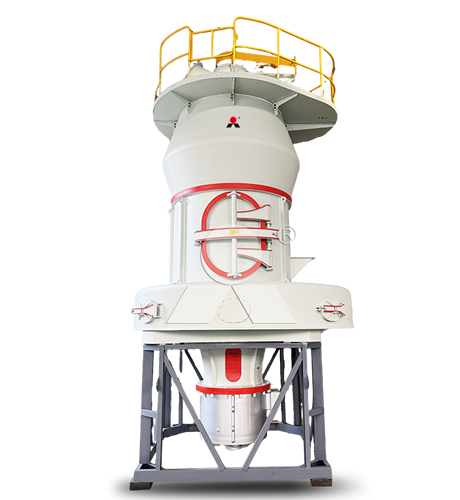
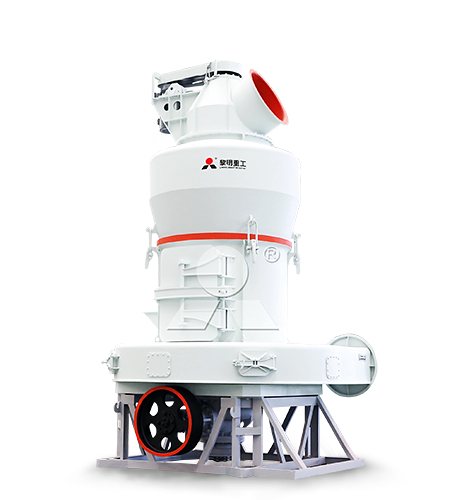
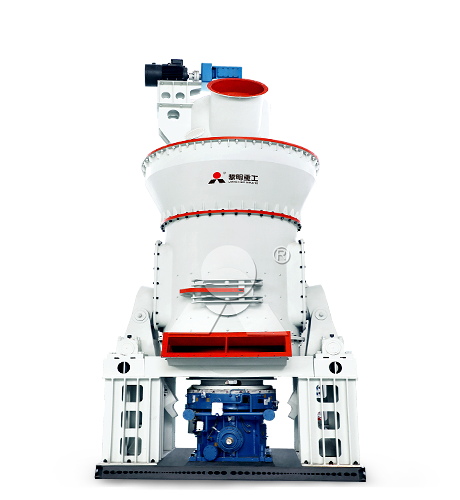
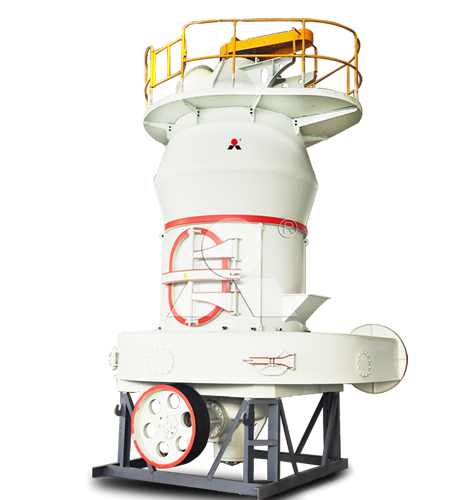
We are Liming Heavy Industry, a manufacturer of various types of industrial crushers, such as Raymond Mill, Trapezoidal Mill, Vertical Mill, Ultrafine Mill, Ball Mill, etc.
Our mills can process the following minerals:
limestone, quicklime, kaolin, talc, barite, bentonite, calcium carbonate, dolomite, coal, gypsum, clay, carbon black, slag, cement raw materials, cement clinker, etc.
If you need a mill to process stone or minerals into powder, please feel free to contact me (WhatsApp: +8615333807511). Thank you.
Ground calcium carbonate (GCC) is produced by mechanically processing natural calcium carbonate rock—usually limestone, calcite, marble, or chalk—into controlled powder or slurry grades. The fundamental process is physical rather than chemical: raw material selection, quarrying, crushing, grinding, classification, optional surface treatment, collection, and packaging.
Unlike precipitated calcium carbonate (PCC), GCC is not formed by a chemical precipitation reaction. Its chemical composition remains primarily CaCO3; production changes the raw mineral’s size, particle-size distribution, moisture level, surface characteristics, and commercial form. Commercial calcium carbonate grades are commonly produced either by processing natural ores into GCC or by chemical precipitation into PCC.
GCC Production Process at a Glance
| Stage | Main Purpose | Typical Equipment |
|---|---|---|
| Raw-material selection | Choose suitable limestone, calcite, marble, or chalk | Sampling equipment, laboratory instruments, quarry planning tools |
| Quarrying and transport | Extract and deliver raw carbonate rock | Drilling rigs, excavators, loaders, haul trucks, conveyors |
| Crushing | Reduce large rocks to mill-feed size | Jaw crusher, hammer crusher, impact crusher, cone crusher |
| Screening and storage | Control feed size and create a stable feed supply | Vibrating screen, belt conveyor, stockpile, feed silo |
| Drying, when needed | Reduce moisture before dry grinding or coating | Dryer, hot-air system, fluidized-bed dryer, heated mill |
| Grinding | Produce fine or ultrafine calcium carbonate particles | Ball mill, vertical roller mill, Raymond mill, ring roller mill, stirred mill |
| Classification | Separate qualified fine powder from coarse particles | Air classifier, dynamic separator, hydrocyclone, wet classifier |
| Surface coating, optional | Improve compatibility with polymers and rubber | Coating machine, heated mixer, pin mill coating system |
| Collection and packaging | Collect, store, pack, and ship the finished product | Cyclone, bag filter, product silo, bagging machine, bulk-loading system |
The Basic GCC Production Flow
A standard dry GCC production route can be summarized as:
Natural limestone, calcite, marble, or chalk → crushing → grinding → air classification → dust collection → storage → packaging
For coated grades, the flow usually includes an additional surface-treatment stage after grinding and classification:
Natural carbonate rock → crushing → grinding → classification → coating → final classification or cooling → storage → packaging
For wet-ground calcium carbonate slurry, the route is different:
Natural carbonate rock → crushing → wet grinding → wet classification → slurry concentration and stabilization → storage or transport
Commercial GCC production typically includes quarrying, removal of unsuitable contaminants, grinding, particle-size classification, and drying. Surface treatment can also be applied to improve compatibility with products such as thermoplastics.
Step 1: Raw-Material Selection
The quality of GCC begins with the raw material. Producers select limestone, calcite, marble, chalk, or another carbonate resource based on the requirements of the intended end market.
Not every limestone deposit is suitable for all GCC products. A quarry material appropriate for cement or aggregate may not meet the purity, whiteness, low-silica, or low-iron requirements of ultrafine powder for white PVC, paint, paper, sealants, or artificial stone.
Key Raw-Material Tests
CaCO3 content: Indicates calcium carbonate concentration and overall mineral quality.
Whiteness and brightness: Important for white or light-colored final products.
Silica content: High silica can increase equipment wear and reduce suitability for premium fillers.
Iron content: Iron-bearing minerals can reduce whiteness and create yellow, gray, or brown color bias.
Magnesium content: Helps identify the presence of dolomite or mixed carbonate material.
Moisture and clay: Affect crushing, drying, grinding, classification, storage, and powder flow.
Mineralogy: Identifies calcite, dolomite, quartz, clay minerals, feldspar, and other components.
Hardness and grindability: Affect energy consumption, mill selection, and wear rate.
High-purity calcite, white marble, and high-calcium limestone are often selected for high-value GCC. The required raw-material quality becomes more demanding as the target powder becomes finer and the final application becomes more sensitive to color, abrasion, dispersion, or regulatory requirements.
Step 2: Quarrying, Mining, and Raw-Rock Handling
GCC raw material is normally extracted from a quarry. Quarry operations may include drilling, blasting, ripping, excavating, loading, hauling, and stockpiling. In softer deposits, mechanical excavation may be sufficient; in harder rock, controlled blasting is often used.
Effective quarry management is essential because carbonate quality can vary across the same deposit. Producers may separate different quarry benches, selectively mine high-whiteness zones, remove visibly contaminated rock, and blend stockpiles to maintain stable feed chemistry.
After extraction, the raw rock is transported to a crushing plant or directly to a raw-material stockpile. The stockpile acts as a buffer between quarry operations and continuous powder production.
Step 3: Crushing and Feed Preparation
Large limestone, calcite, or marble rocks must be reduced to a size suitable for the grinding mill. Crushing is therefore the first major processing stage after quarrying.
A typical crushing circuit may include:
Primary crushing: A jaw crusher or impact crusher reduces large quarry rock.
Secondary crushing: A hammer crusher, impact crusher, or cone crusher produces a more uniform feed size.
Screening: Vibrating screens remove oversize material and help control feed size.
Conveying: Belt conveyors transfer material between crushers, screens, stockpiles, and silos.
Metal removal: Magnets may be installed to protect downstream mills from tramp metal.
The target crusher output depends on the chosen mill. Fine-grinding systems require a stable, appropriately sized feed. Oversized rock can reduce mill efficiency, cause equipment damage, and create inconsistent production performance.
Industrial GCC process descriptions commonly use jaw crushers and impact crushers for coarse crushing before dry grinding, while secondary crushing prepares a consistent feed for downstream milling.
Step 4: Drying and Moisture Control
Moisture control is important in dry GCC production. High moisture can reduce grinding efficiency, cause material buildup in chutes and mills, interfere with air classification, increase filter load, and complicate surface coating.
Depending on the raw material and climate, drying may occur:
In a dedicated dryer before grinding.
Inside a mill that uses hot air.
During conveying through a heated air stream.
After wet processing when dry powder is required.
For wet-ground GCC slurry, the goal is different. Water is intentionally added as a processing medium, so slurry solids, viscosity, dispersant dosage, and stability become more important than low moisture.
Step 5: Grinding the Calcium Carbonate
Grinding is the core stage of GCC production. It reduces crushed carbonate rock into powder with the particle size required by the final application.
Particle size may be described by mesh, microns, D50, D90, D97, residue, or specific surface area. These values are related but not interchangeable. A successful GCC plant must control the complete particle-size distribution, not only one fineness number.
Common GCC Grinding Equipment
| Equipment Type | Typical Role in GCC Production | Common Use Cases |
|---|---|---|
| Raymond mill | Dry grinding of standard fine powder grades | Wall putty, dry mortar, general fillers, moderate-fineness calcium carbonate |
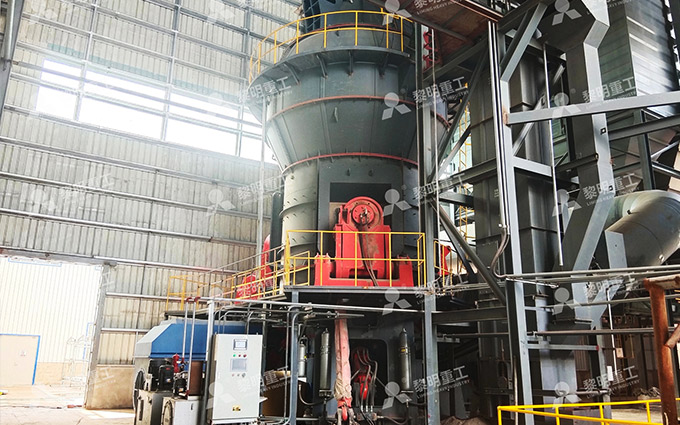
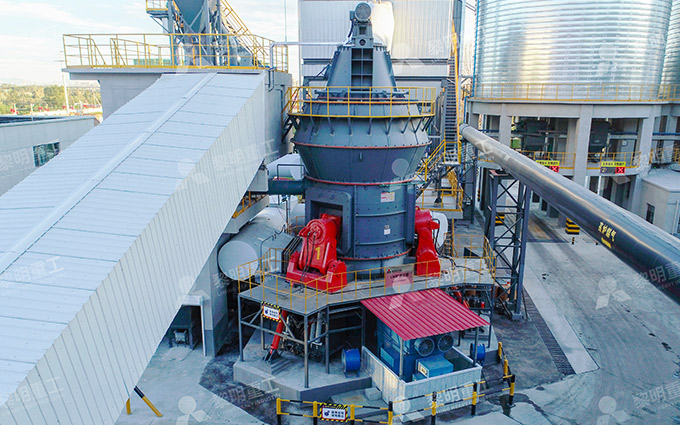
| Vertical roller mill | Grinding and, in some configurations, integrated drying and classification | Large-capacity GCC production, fine powder, energy-conscious operations |
| Ball mill with air classifier | Fine and ultrafine dry grinding with precise top-cut control | Plastics, PVC, paint, rubber, sealants, coating fillers |
| Ring roller or ultrafine mill | Fine-to-ultrafine powder production | Fine GCC for high-value industrial filler markets |
| Stirred media mill | Very fine wet grinding | Paper coating slurry, selected paint and specialty applications |
| Vertical wet mill | Ultrafine wet grinding and slurry production | High-fineness GCC for paper and coating applications |
Dry GCC production is commonly used for defined powder grades, while wet milling is especially relevant for very fine slurry products. Hosokawa Alpine notes that dry grinding and classification can produce defined GCC finenesses, while high-output very fine grades may be produced efficiently using vertical wet milling systems for paint or paper slurry applications.
Dry Grinding Process
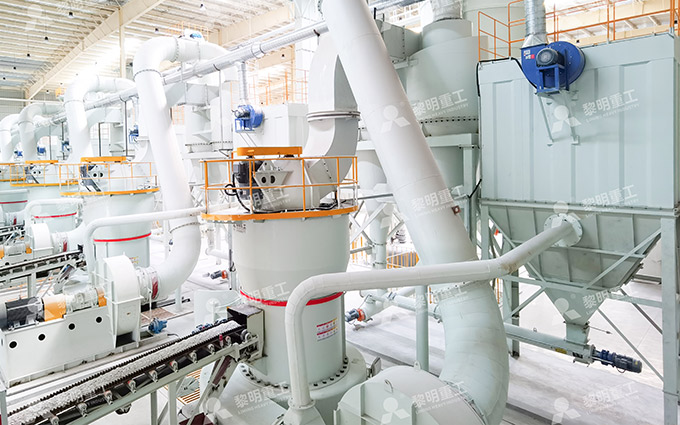
In a dry grinding line, crushed carbonate material enters a mill. Mechanical forces such as compression, impact, shear, and attrition reduce the material into smaller particles. Air flow carries the ground powder to a classifier, which separates fine product from coarse particles.
Coarse material is returned to the mill for additional grinding, creating a closed-circuit system. Qualified fine powder moves to collection equipment, typically cyclones and bag filters, before entering a finished-product silo.
Wet Grinding Process
In wet grinding, crushed calcium carbonate is mixed with water to form a slurry. A dispersant may be added to prevent excessive agglomeration and manage viscosity. The slurry is ground in a wet mill until the required particle-size distribution is achieved.
Hydrocyclones, centrifuges, or wet classifiers can separate oversized particles from qualified fine slurry. The final slurry may be concentrated, stabilized, stored in tanks, pumped to a nearby paper mill, or dried if a dry powder is required.
Wet production is generally favored for the finest GCC grades used in applications such as paper coating, where extremely fine particle-size control and slurry performance are critical.
Step 6: Air Classification and Particle-Size Control
Classification is what turns ground mineral powder into a controlled commercial product. The classifier separates particles according to aerodynamic behavior, which is influenced by particle size, density, shape, and air flow.
In a dry GCC plant, a dynamic air classifier typically performs three functions:
Fine particles are carried with the air stream and collected as product.
Coarse particles are rejected and returned to the grinding mill.
The cut point is adjusted by classifier speed, air flow, feed rate, and system settings.
Classification is especially important for ultrafine GCC because a small amount of oversized material can affect surface smoothness, gloss, dispersion, extrusion behavior, paper coating quality, paint finish, and sealant performance.
Fine powder is often collected by cyclones and bag filters, while oversized particles return to the mill for regrinding. This closed-loop approach is standard in many dry GCC processing lines.
Step 7: Surface Coating for Polymer Applications
Not all GCC requires surface treatment. However, coated GCC is widely used in PVC, plastic masterbatch, polyethylene, polypropylene, rubber, adhesives, sealants, and other hydrophobic formulations.
Natural calcium carbonate has a hydrophilic surface. Many polymers are hydrophobic. Surface treatment modifies the powder surface to improve compatibility and dispersion in the polymer matrix.
Common Coating Materials
Stearic acid.
Other fatty acids.
Fatty-acid salts.
Titanate or aluminate coupling agents in selected systems.
Other application-specific surface modifiers.
Coating may be performed in a heated mixer, coating machine, pin mill, or integrated grinding-coating system. The coating agent is added in a controlled amount and distributed across the particle surfaces.
A successful coating process requires control of powder temperature, coating dosage, residence time, mixing intensity, feed moisture, and powder fineness. Poor coating can lead to agglomeration, inconsistent dispersion, odor, unstable extrusion, excess moisture sensitivity, or surface defects in the final product.
Step 8: Product Collection, Storage, and Packaging
After classification and optional coating, GCC powder is collected from the air stream through cyclones, bag filters, or other dust-collection equipment. Clean air is discharged or returned to the system, while the powder moves to product silos.
Finished GCC can be supplied in several packaging formats:
Small paper or valve bags.
Plastic-lined bags for moisture-sensitive grades.
Flexible intermediate bulk containers, also called big bags or FIBCs.
Bulk powder tankers.
Bulk container loading systems.
Slurry tank trucks for wet-ground GCC.
Packaging selection depends on product fineness, bulk density, moisture sensitivity, transportation distance, customer handling equipment, and export conditions. Fine coated GCC should be protected from humidity and contamination during storage and shipping.
Dry GCC vs Wet GCC Production
| Feature | Dry GCC Process | Wet GCC Process |
|---|---|---|
| Processing medium | Air and dry material handling | Water-based slurry |
| Typical products | Dry powder, coated powder, bagged or bulk GCC | Fine slurry, paper-coating slurry, or dried ultrafine powder |
| Particle-size control | Air classification and closed-circuit grinding | Wet milling with hydrocyclones, centrifuges, or wet classifiers |
| Common applications | PVC, plastics, rubber, paint, sealants, adhesives, construction materials | Paper, paper coating, selected paint and coating applications |
| Key operational concern | Dust control, moisture control, air balance, classifier efficiency | Slurry viscosity, dispersant control, solids content, dewatering, microbial stability |
| Logistics | Flexible for bags, big bags, and bulk tankers | Requires tank storage, pumping, or drying before long-distance dry shipment |
Quality Control During GCC Production
Quality control should occur throughout the GCC process, not only after packaging. A stable production line monitors raw feed, crusher output, mill feed, classifier performance, coating quality, and finished product.
Typical GCC Quality-Control Tests
CaCO3 assay and chemical composition.
Whiteness, brightness, and CIE Lab* color values.
Particle-size distribution, including D50, D90, D97, and residue.
Moisture content.
Bulk density and true density.
Oil absorption for paint, sealant, rubber, and coating applications.
Surface-treatment level and dispersion performance for coated grades.
SiO2, Fe2O3, MgO, acid-insoluble residue, and other impurity indicators.
Visual inspection for contamination, agglomerates, or off-color particles.
Quality control is particularly important because raw mineral variation can change final powder performance. A well-designed plant should link laboratory results with quarry management, blending strategy, mill settings, classifier control, and packaging inspection.
Key Design Considerations for a GCC Plant
GCC production capacity and equipment selection should be based on the intended product mix, not only on total tonnes per hour. A plant designed for coarse construction-grade powder is different from a line producing ultrafine coated calcium carbonate for plastic masterbatch or premium PVC.
| Design Factor | Why It Matters |
|---|---|
| Raw-material quality | Determines achievable purity, whiteness, abrasion level, and end-market suitability |
| Target fineness | Determines mill type, classifier configuration, energy demand, and wear protection |
| Target capacity | Determines equipment size, number of lines, storage, conveying, and packing requirements |
| Dry vs wet route | Changes the entire process layout, product form, utilities, and logistics system |
| Surface coating requirement | Requires coating equipment, temperature control, dosing, and quality verification |
| Energy source | Affects operating cost, dryer design, mill selection, and carbon footprint |
| Dust control | Essential for worker safety, environmental compliance, product recovery, and plant cleanliness |
| Product packaging | Must match customer handling and transport methods |
Frequently Asked Questions
How is GCC made?
GCC is made by mechanically processing natural calcium carbonate rock. The typical route is quarrying, crushing, grinding, classification, optional surface coating, product collection, and packaging.
Does GCC production involve a chemical reaction?
No. Standard GCC production is mainly a physical process. The raw calcium carbonate is crushed and ground into controlled particle sizes. Unlike PCC production, it does not require chemical precipitation to form the final calcium carbonate powder.
What raw materials are used to produce GCC?
GCC is commonly produced from high-calcium limestone, calcite, marble, chalk, or other suitable natural calcium carbonate deposits.
Why is air classification important in GCC production?
Air classification separates fine product from coarse particles and controls the particle-size distribution. This is essential for achieving consistent performance in PVC, plastics, paper, paint, rubber, sealants, and other applications.
Why is GCC coated with stearic acid?
Stearic acid coating is used to improve the compatibility and dispersion of calcium carbonate in hydrophobic polymers, rubber, adhesives, and sealants. It can also help reduce moisture sensitivity and improve powder flow.
Which is better: dry grinding or wet grinding?
Neither is universally better. Dry grinding is widely used for powder products and coated GCC. Wet grinding is often selected for very fine slurry products, especially in paper and coating applications. The best route depends on target fineness, product form, application, capacity, and logistics.
Conclusion
GCC is produced through a carefully controlled physical process that transforms natural limestone, calcite, marble, or chalk into fine, ultrafine, or coated calcium carbonate products. The major stages are raw-material selection, quarrying, crushing, grinding, classification, optional surface treatment, collection, and packaging.
The quality of the final GCC depends on both the raw mineral and the processing system. High-purity raw material, stable feed preparation, efficient grinding, precise classification, reliable moisture control, and consistent coating are all essential for producing calcium carbonate that meets the requirements of plastics, PVC, paper, paint, rubber, sealants, adhesives, and construction-material markets.