Calcium Carbonate Knowledge Hub
Calcium Carbonate Production Line
2026-09-04 17:20:48
We are Liming Heavy Industry, a manufacturer of various types of industrial crushers, such as Raymond Mill, Trapezoidal Mill, Vertical Mill, Ultrafine Mill, Ball Mill, etc.
Our mills can process the following minerals:
limestone, quicklime, kaolin, talc, barite, bentonite, calcium carbonate, dolomite, coal, gypsum, clay, carbon black, slag, cement raw materials, cement clinker, etc.
If you need a mill to process stone or minerals into powder, please feel free to contact me (WhatsApp: +8615333807511). Thank you.
A calcium carbonate production line converts natural limestone, calcite, marble, or chalk into saleable ground calcium carbonate (GCC) grades through crushing, grinding, classification, collection, optional surface treatment, storage, and packaging. The correct line design depends on the required particle-size distribution, product whiteness, annual capacity, coating requirement, and target market—not simply on the nameplate capacity of the grinding mill.
For industrial customers in PVC, PP, PE, masterbatch, rubber, sealants, adhesives, coatings, paper, and construction materials, a successful production line must make stable powder quality every day. That means controlling feedstock quality, D50 and D97, coarse residue, moisture, dust collection, contamination, and powder handling from quarry feed to the finished bag or bulk tanker.
What Is a Calcium Carbonate Production Line?
A GCC production line is an integrated mineral-processing system. It begins with calcium carbonate rock and produces powder with defined fineness and physical properties for specific industrial uses. The line may produce uncoated GCC, coated calcium carbonate, or several grades from the same raw material.
The main process stages are normally:
Raw-material receiving, cleaning, and impurity removal.
Primary and secondary crushing.
Feed storage, conveying, and controlled dosing.
Grinding or ultrafine grinding.
Air classification and coarse-particle return.
Powder collection and dust filtration.
Optional surface modification or coating.
Finished-product storage, packing, and bulk dispatch.
This structure is consistent with common GCC process descriptions, which identify pretreatment, crushing, grinding, classification, collection, surface treatment, and packaging as the core stages of an industrial ground calcium carbonate plant.
Start with the Product, Not the Equipment
The first decision is not whether to buy a ball mill, vertical roller mill, or ring-roller mill. It is to define the powder customers will purchase. A line for coarse calcium carbonate used in construction filler has different requirements from a line producing coated ultrafine GCC for PVC cable compound or PP masterbatch.
Before selecting equipment, define each planned product grade with measurable acceptance criteria:
Target particle-size distribution: D10, D50, D90, D97, or D98.
Maximum coarse residue using an agreed test method.
Minimum whiteness or brightness.
Calcium carbonate content and impurity limits.
Maximum moisture content.
Bulk density and flowability requirements.
Uncoated or coated GCC status.
Coating chemistry and treatment-level requirements, if applicable.
Required net production rate at the specified fineness.
Annual production volume and planned operating hours.
For example, “1,250 mesh calcium carbonate” is not a complete production target. A more useful specification would be:
Coated GCC for rigid PVC pipe: D50 5–7 μm, D97 maximum 25 μm, low coarse residue, minimum whiteness target, controlled moisture, agreed stearic-acid treatment, and net output of 8 t/h using local calcite feed.
This specification enables meaningful equipment testing, performance guarantees, quality control, and commercial discussion with downstream buyers.
Typical GCC Production Flow
Most dry calcium carbonate production lines use a closed-circuit grinding and classification arrangement. Material that has reached the required size leaves as finished product, while particles that remain too coarse return to the mill for additional grinding. This reduces unnecessary overgrinding and helps control the product’s coarse tail.
1. Raw material preparation
Suitable raw materials include calcite, marble, chalk, and limestone. Even when the source has high calcium carbonate content, the deposit should be evaluated for whiteness, brightness, silica, iron-bearing minerals, moisture, hardness, abrasiveness, and consistency between quarry benches or supply batches.
Before crushing, producers may use washing, hand sorting, screening, magnetic separation, or other beneficiation steps to remove soil, metal, dark inclusions, silica-rich rock, and other contaminants. This is particularly important for premium filler grades because impurities can lower whiteness, raise wear rates, and limit access to plastics, coatings, or paper markets.
2. Crushing and feed control
Large stone is reduced through primary crushing and, where required, secondary crushing. Jaw crushers, hammer crushers, impact crushers, and cone crushers may be used depending on rock strength, feed size, capacity, and desired mill feed.
For ultrafine GCC production, consistent small feed is important. Supplier process guidance commonly recommends a crushed feed below about 20 mm and, for ultrafine powder, often closer to 10 mm or below before grinding. The exact limit depends on the chosen mill, but eliminating oversized particles protects the mill and improves stable feeding.
3. Grinding and ultrafine grinding
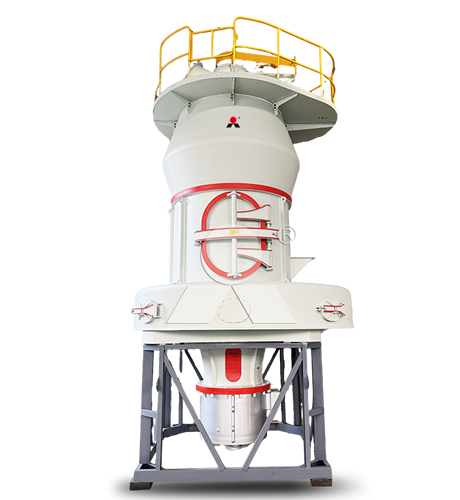
The grinding mill reduces crushed calcium carbonate to the requested powder grade. The correct mill type depends on product fineness, required throughput, feed moisture, power cost, available space, maintenance capability, and future grade flexibility.
| Grinding system | Typical role | Suitable production conditions | Important evaluation point |
|---|---|---|---|
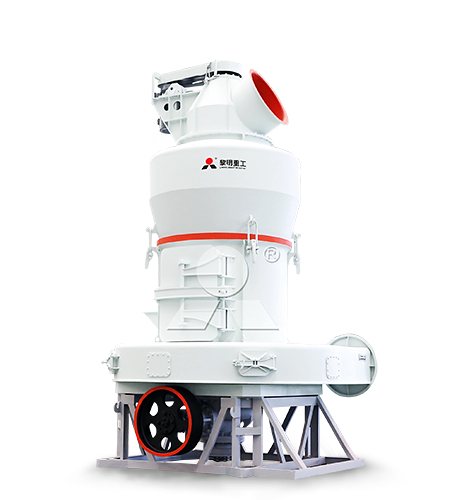
| Raymond or pendulum mill | Coarse to medium-fine GCC | Lower-cost grades and moderate fineness requirements | May not be the best option for demanding ultrafine PSD control |
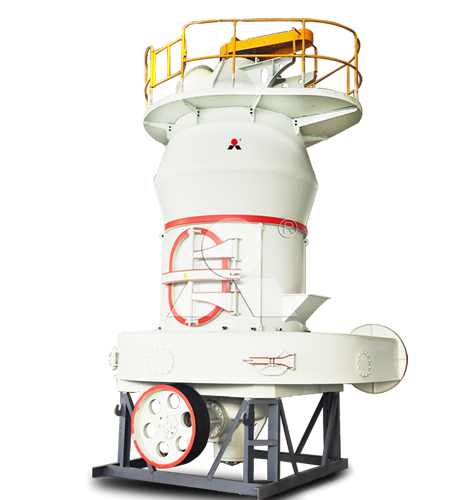
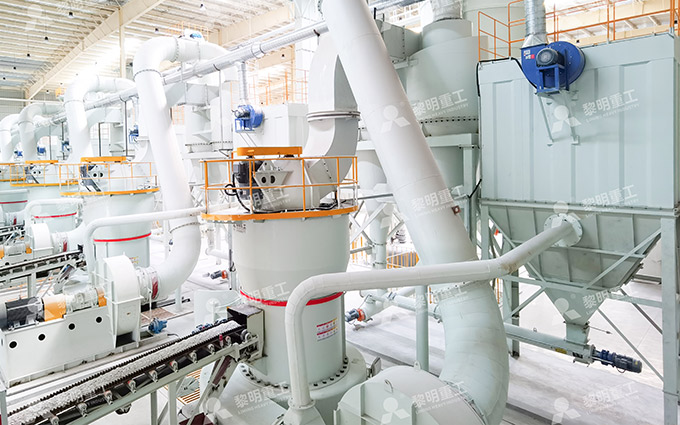
| Ring-roller micro powder mill | Fine and ultrafine dry GCC | Flexible multi-grade production at small to medium capacities | Airflow, classifier setting, and feed moisture strongly affect output |
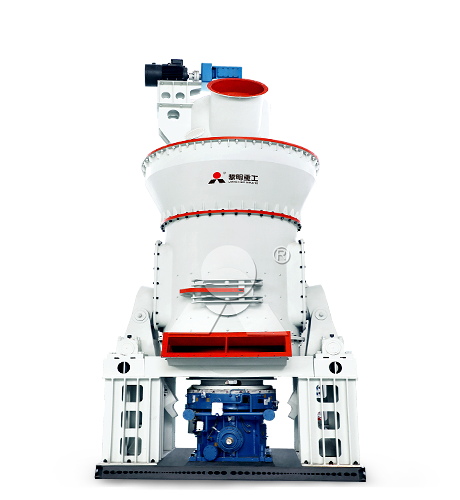
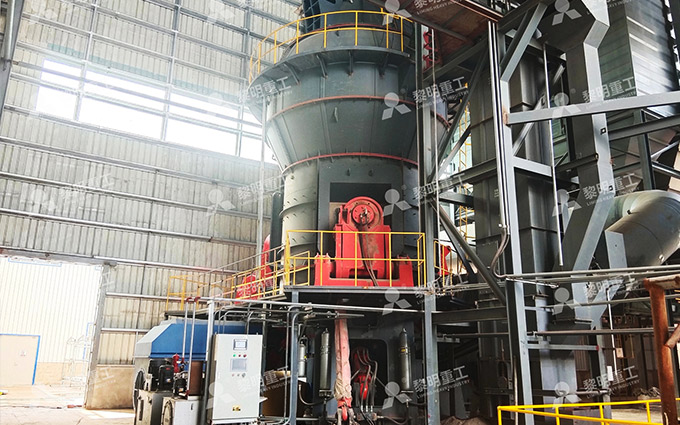
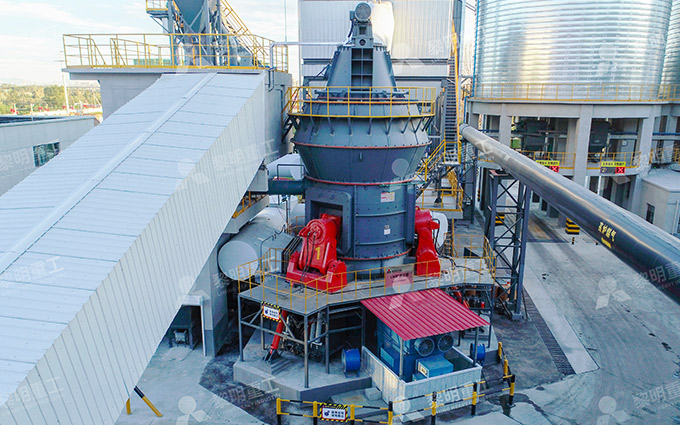
| Vertical roller mill | Continuous grinding with integrated classification | Compact layouts and higher-throughput dry processing | Verify guaranteed capacity at the actual D97 target |
| Ball mill plus air classifier | Fine and ultrafine GCC in a separate closed circuit | Large-scale lines needing flexible PSD adjustment | Optimize media, classifier efficiency, recirculation, and energy use |
| Stirred media mill | Very fine specialty GCC, wet or dry depending on design | Products requiring exceptionally fine PSD or special performance | Consider media wear, slurry handling, and drying requirements |
Dry GCC production systems commonly use ball mill plus classifier circuits, ring-roller mills with internal classification, vertical mills, or stirred-mill classification systems. A supplier’s catalog capacity must be checked against the same target PSD, moisture level, feedstock, and product quality criteria required by the project.
4. Air classification
The air classifier separates qualified powder from particles that require more grinding. Fine material exits with the air stream to collection equipment, while the coarse fraction returns to the mill. For ultrafine grades, classification often has as much influence on final PSD as the grinding chamber itself.
Classifier wheel speed, airflow, feed rate, internal circulating load, powder density, and wear condition affect the final cut point. The line should be specified by D50 and D97 or D98, rather than mesh alone. For powders finer than approximately 1,500 mesh, some supplier guidance recommends secondary classification to improve control of fine-product quality and coarse-tail removal.
5. Collection and dust control
After classification, powder is separated from conveying air through cyclones, pulse-jet bag filters, or a combined collection arrangement. The dust collector has two roles: recover product and maintain stable, clean process airflow.
For fine and ultrafine GCC, collection design affects yield, PSD stability, housekeeping, worker exposure, and plant uptime. The fan, ductwork, bag filter, discharge valves, rotary airlocks, and powder conveyors must operate as one balanced system. Filter pressure instability, air leakage, poor hopper discharge, or undersized fan capacity can reduce the apparent performance of an otherwise well-selected mill.
6. Surface modification for coated GCC
Many polymer-grade calcium carbonate products are surface treated to improve compatibility with PVC, PP, PE, rubber, sealant, and adhesive formulations. Stearic acid is commonly used for hydrophobic coating, although the correct agent, addition rate, treatment temperature, and residence time depend on powder surface area, target resin system, and customer requirements.
Surface modification can be installed as a separate downstream coating unit or integrated with the milling process, depending on the line design. The production flow for coating-grade GCC commonly includes material collection, surface treatment, and packaging after grinding and classification. Because finer particles have more surface area, ultrafine GCC normally requires more careful coating control than coarser filler grades.
7. Storage, packaging, and loading
Finished powder is normally conveyed to product silos before packing or bulk dispatch. Common commercial formats include 20–25 kg valve bags, 25 kg open-mouth bags, 500–1,000 kg jumbo bags, and direct loading into bulk tankers.
Silo and packing design should reflect the actual flow behavior of the powder. Fine coated GCC can be highly aerated and may bridge, arch, compact, or segregate if storage hoppers, venting filters, discharge cones, and feeders are not designed correctly. Packing accuracy, dust control, lot traceability, and contamination prevention between grades are essential for B2B supply reliability.
Dry vs. Wet Production Routes
Most industrial GCC projects use dry processing because it can produce a wide range of filler grades without slurry handling or thermal drying after grinding. Wet grinding is used where extremely fine particle sizes, narrow distributions, or slurry products justify the additional equipment and operating complexity.
| Factor | Dry GCC line | Wet GCC line |
|---|---|---|
| Typical process | Crushing, dry grinding, air classification, collection, coating, packing | Wet grinding, wet classification, concentration, filtration, and often drying |
| Product handling | Powder silos, bags, jumbo bags, or bulk tanker | Slurry storage or dewatered and dried powder |
| Common business case | General industrial fillers and coated GCC for polymers | Specialty ultrafine products, slurry markets, or specific coating-paper requirements |
| Main challenge | Dust control, powder flow, air balance, and ultrafine classification | Water management, media wear, dewatering, drying, and wastewater control |
Industry process descriptions distinguish dry grinding and air classification from wet routes using stirred mills or ball mills followed by wet classification, concentration, filtration, and drying. The right route should be selected according to the actual market, not because one process is universally “better.”
Key Design Decisions
Capacity must be based on the target grade
Grinding capacity falls as the requested powder becomes finer. A mill capable of 15 t/h at a relatively coarse GCC grade may have a much lower net output at D97 10 μm or D97 5 μm. For every product grade, request a guaranteed throughput at the exact PSD, raw material, moisture, and operating conditions.
Raw material determines product value
Premium calcium carbonate production starts with consistent raw material. High calcium carbonate content alone is not enough. Whiteness, iron content, silica, mineral impurities, hardness, moisture, and quarry consistency directly influence product quality, mill wear, energy consumption, and market access.
Design for the product mix
A plant producing only one coarse grade can be simpler than a plant that must switch among uncoated, coated, fine, and ultrafine grades. If multiple grades are planned, include sufficient silo capacity, grade-change procedures, separate packing controls, appropriate cleaning access, and automation for classifier and feeder settings.
Evaluate the complete scope of supply
Do not compare equipment quotations using the main mill price alone. Compare the full line boundary: crushers, feeders, conveyors, elevators, mill, classifier, fan, cyclones, bag filter, control system, coating unit, silos, packing machine, electrical equipment, installation materials, commissioning, spares, and performance guarantees.
Quality Control for a GCC Line
Quality control should be built into the production line rather than added after customer complaints occur. Sampling points should cover incoming stone, crushed feed, mill feed, classifier product, coated powder where applicable, silo stock, and packed goods.
| Quality parameter | Why it is measured | Typical production impact |
|---|---|---|
| Particle-size distribution | Confirms D50, D97, and coarse-tail control | Determines dispersion, appearance, and application performance |
| Whiteness or brightness | Verifies visual quality and mineral consistency | Critical for coatings, paper, plastics, and premium fillers |
| Moisture | Controls powder flow and storage stability | High moisture can cause caking and unstable milling |
| Chemical composition | Checks CaCO3 content and impurity levels | Supports product positioning and contamination control |
| Bulk density | Indicates powder packing and handling behavior | Affects bag filling, silo capacity, and formulation dosing |
| Coating performance | Confirms surface-treatment consistency | Important for polymer compatibility and hydrophobic behavior |
Common Production-Line Mistakes
Buying a mill before defining the product
A calcium carbonate line should be designed around the required grade portfolio. Buying a mill first often results in a plant that can make powder but cannot reliably meet the most profitable customer specification.
Using mesh as the only fineness target
Mesh does not define a complete ultrafine GCC product. Require D50, D97 or D98, coarse residue, and the measurement method used for acceptance.
Undersizing the classifier or dust collector
Classification and collection are not auxiliary details. An undersized classifier can create a broad PSD and excessive coarse residue; inadequate dust collection can destabilize airflow, lose product, and reduce operating availability.
Ignoring moisture and feed variation
Inconsistent feed moisture or raw-material composition can cause caking, mill buildup, PSD variation, reduced output, and coating instability. Use covered storage, feed blending where necessary, and controlled dosing.
Separating coating from the grinding plan
For coated GCC, surface treatment, powder fineness, storage, and end-use performance are connected. Evaluate coating performance with the target downstream formulation, not only with a laboratory moisture or activation test.
FAQ
What equipment is required for a calcium carbonate production line?
A typical dry GCC line includes raw-material handling equipment, crushers, screens, feeders, conveyors or bucket elevators, a grinding mill, air classifier, cyclone and/or pulse-jet bag filter, induced-draft fan, product silos, packing equipment, and a control system. A coated-GCC line also includes surface-modification equipment and treatment-agent dosing.
What is the best mill for calcium carbonate production?
The best mill depends on the required product PSD and capacity. Raymond or pendulum mills are commonly used for coarser grades; ring-roller and vertical roller mills are used for fine and ultrafine dry products; ball-mill-plus-classifier circuits are common for larger-scale, flexible fine-GCC production. Test the actual raw material and compare net output at the required D97 before selection.
How is coated calcium carbonate produced?
Calcium carbonate is first ground and classified to the required PSD, then treated with a surface-modification agent—commonly stearic acid for many polymer applications—under controlled mixing and temperature conditions. The coated powder is collected, cooled if necessary, stored, and packed under conditions that prevent moisture pickup and cross-contamination.
Can one production line make several calcium carbonate grades?
Yes. A properly designed line can produce several grades by adjusting classifier conditions, feed rate, grinding settings, and—in coated products—the treatment recipe. Multi-grade production requires adequate silo capacity, clear grade-change procedures, reliable laboratory control, and equipment that can be cleaned or isolated effectively between products.
Bottom Line
A calcium carbonate production line is a coordinated process system, not simply a crusher and a grinding mill. Its commercial success depends on turning consistent raw mineral into stable, application-specific GCC grades through controlled crushing, milling, classification, collection, optional coating, and reliable packaging.
Specify the end-product PSD, whiteness, purity, moisture, coating requirement, and guaranteed output first. Then select the complete equipment line around those requirements and validate it with representative raw material. This approach gives GCC producers the strongest foundation for supplying dependable calcium carbonate to PVC, plastics, rubber, sealants, adhesives, coatings, paper, and construction-material customers.