Calcium Carbonate Knowledge Hub
What Is Limestone?
2026-09-04 16:17:36
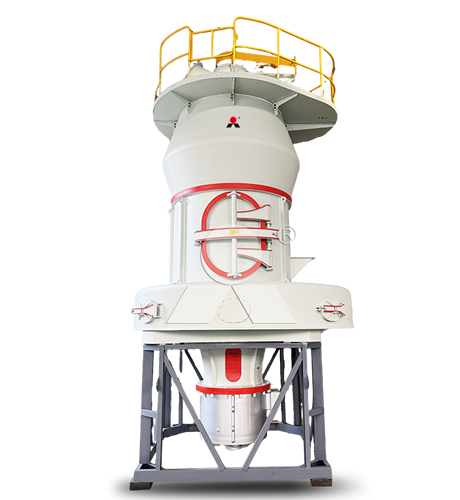
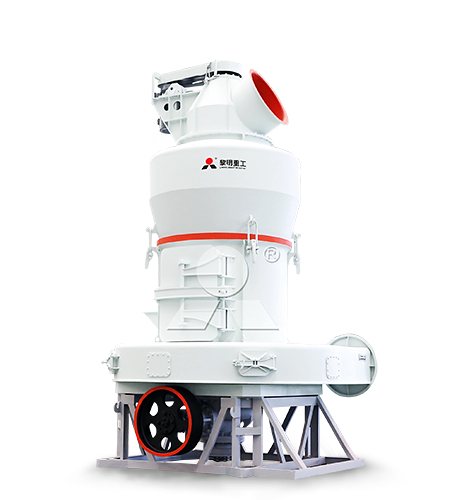
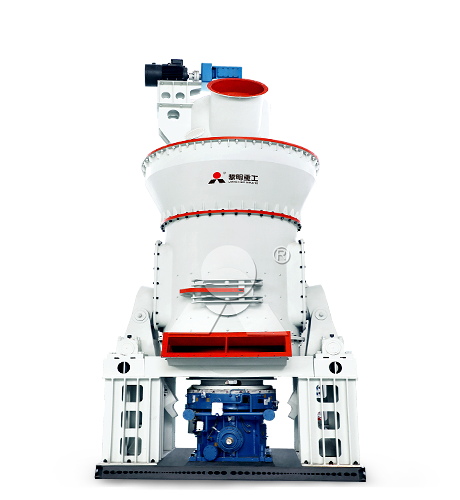
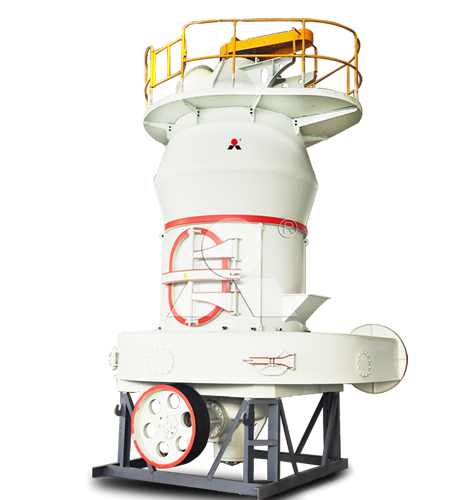
We are Liming Heavy Industry, a manufacturer of various types of industrial crushers, such as Raymond Mill, Trapezoidal Mill, Vertical Mill, Ultrafine Mill, Ball Mill, etc.
Our mills can process the following minerals:
limestone, quicklime, kaolin, talc, barite, bentonite, calcium carbonate, dolomite, coal, gypsum, clay, carbon black, slag, cement raw materials, cement clinker, etc.
If you need a mill to process stone or minerals into powder, please feel free to contact me (WhatsApp: +8615333807511). Thank you.
Limestone is a sedimentary rock composed mainly of calcium carbonate, with the chemical formula CaCO3. Its primary minerals are usually calcite and aragonite. Limestone forms naturally from accumulated shells, coral fragments, carbonate mud, and calcium carbonate precipitated from water, most commonly in marine environments.
It is one of the world’s most important industrial minerals. Limestone is used directly in cement, lime, aggregate, agriculture, water treatment, flue-gas treatment, glass, steelmaking, and construction. High-quality limestone can also be processed into ground calcium carbonate (GCC) powder for plastics, PVC, paper, paint, coatings, rubber, adhesives, sealants, and artificial stone.
Limestone at a Glance
| Property | Description |
|---|---|
| Rock type | Sedimentary carbonate rock |
| Main composition | Calcium carbonate, CaCO3 |
| Main minerals | Calcite and aragonite |
| Common colors | White, gray, beige, cream, yellow, brown, blue-gray, or dark gray |
| Common formation environments | Shallow seas, reefs, lakes, caves, hot springs, and carbonate-rich sedimentary basins |
| Related rocks | Chalk, marble, travertine, tufa, dolomitic limestone |
| Major industrial uses | Cement, lime, aggregate, calcium carbonate powder, steel, glass, agriculture, environmental treatment |
What Is Limestone Made Of?
Limestone is made mainly of calcium carbonate minerals. Calcite is the most common mineral form, while aragonite may also occur, particularly in younger marine deposits, shells, coral, and some chemically precipitated carbonate materials.
Geologically, limestone generally contains at least 50% calcite and aragonite, both of which are CaCO3. In industrial practice, the material may also contain varying amounts of dolomite, silica, clay, quartz, iron-bearing minerals, organic matter, fossils, and other impurities.
These impurities matter because they determine whether a limestone deposit is best suited for cement, aggregate, lime production, agriculture, water treatment, or high-value calcium carbonate powder.
How Does Limestone Form?
Most limestone forms through biological and chemical processes in marine or freshwater environments. Over long periods, calcium carbonate materials accumulate, compact, and cement into rock.
Biological Limestone
Many marine organisms use calcium carbonate to create shells or skeletal structures. These include corals, mollusks, shellfish, foraminifera, and microscopic marine organisms. When they die, their remains settle to the sea floor and can accumulate into carbonate sediment.
Over millions of years, burial, compaction, and mineral cementation transform this sediment into limestone. Fossils and shell fragments are therefore common in many limestone formations.
Chemical Limestone
Limestone can also form directly from calcium carbonate precipitation in water. Changes in temperature, pressure, carbon dioxide concentration, salinity, or water chemistry can cause dissolved calcium carbonate to precipitate.
This process contributes to travertine, tufa, cave formations, and some carbonate deposits in lakes, springs, and marine environments. Limestone may therefore contain fine carbonate mud, crystals, rounded ooids, shell fragments, or combinations of these materials.
Common Types of Limestone
| Type | Main Characteristics | Typical Uses |
|---|---|---|
| High-calcium limestone | High CaCO3 content and relatively low impurities | GCC, lime, glass, steel, chemical processing, high-quality construction materials |
| Dolomitic limestone | Contains significant dolomite, CaMg(CO3)2 | Construction, aggregate, agriculture, lime-related uses, selected industrial processes |
| Chalk | Soft, fine-grained, porous limestone made mainly of microscopic marine remains | Selected fillers, agriculture, cement, coatings, and specialty mineral applications |
| Marble | Recrystallized limestone formed by heat and pressure | Decorative stone, artificial stone, high-whiteness GCC, paint, plastics, paper |
| Travertine | Calcium carbonate deposited from mineral-rich springs or groundwater | Decorative stone, building materials, selected aggregate uses |
| Fossiliferous limestone | Contains visible shells, coral, or fossil fragments | Construction stone, aggregate, geological and decorative uses |
| Oolitic limestone | Contains small rounded carbonate grains called ooids | Building stone, aggregate, selected industrial applications |
Limestone vs Calcium Carbonate
Limestone and calcium carbonate are related, but they are not exactly the same material.
Calcium carbonate is the chemical compound CaCO3.
Calcite is a mineral form of calcium carbonate.
Limestone is a natural rock made mainly of calcium carbonate minerals, often calcite or aragonite.
Pure calcium carbonate has a defined chemical composition. Limestone can contain CaCO3 together with clay, silica, dolomite, iron minerals, fossils, and other materials. This is why two limestone deposits can perform very differently in grinding, calcination, cement production, paper filling, or PVC compounding.
Why Limestone Quality Matters
Limestone is not a single uniform product. Its quality depends on the geological deposit, quarry zone, mineral composition, impurity level, color, moisture, hardness, and physical structure.
| Quality Parameter | Why It Matters |
|---|---|
| CaCO3 content | Higher content is generally preferred for high-purity lime, GCC, PCC feedstock, glass, and chemical uses |
| Whiteness | Important for paint, paper, white PVC, artificial stone, coatings, and premium filler applications |
| SiO2 content | High silica can increase abrasion, reduce whiteness, and limit premium powder applications |
| Fe2O3 content | Iron-bearing minerals can cause yellow, brown, gray, or reddish discoloration |
| MgO content | Indicates dolomite or magnesium-bearing minerals; important for high-calcium specifications |
| Moisture and clay | Affect crushing, grinding, drying, calcination, powder flow, and process stability |
| Hardness and grindability | Influence crusher selection, mill energy use, wear rate, and achievable powder fineness |
Major Uses of Limestone
Cement Production
Limestone is a primary raw material for Portland cement. It provides calcium oxide after calcination in a cement kiln. The calcium oxide reacts with silica, alumina, and iron-containing materials to form clinker, which is later ground into cement.
Lime Production
When limestone is heated at high temperature, it decomposes into quicklime, CaO, and carbon dioxide. Quicklime can then be hydrated to make calcium hydroxide, Ca(OH)2. Lime products are used in steelmaking, water treatment, flue-gas treatment, chemical processing, soil stabilization, and construction.
Ground Calcium Carbonate Powder
High-quality limestone can be crushed, ground, and classified into GCC powder. GCC is widely used in PVC, plastics, paper, paint, coatings, rubber, adhesives, sealants, wall putty, dry mortar, and artificial stone.
Construction Aggregate
Crushed limestone is used as aggregate in concrete, asphalt, road base, railway ballast, drainage materials, and building foundations. Aggregate applications usually prioritize strength, availability, gradation, and cost rather than high whiteness or ultrafine particle control.
Agriculture
Ground limestone is used as agricultural lime to help manage soil acidity and provide calcium. Its effectiveness depends on CaCO3 content, particle size, neutralizing value, soil conditions, application rate, and crop requirements.
Environmental Treatment
Limestone and lime-based products can neutralize acidic water and process streams. They are used in water treatment, wastewater treatment, flue-gas desulfurization, acid mine drainage treatment, and other environmental processes.
How Limestone Becomes GCC
For calcium carbonate powder production, selected limestone follows a physical processing route:
Geological testing identifies high-quality limestone zones.
The limestone is quarried and transported to a processing plant.
Large rocks are crushed into mill feed.
The material is dried when necessary.
Grinding mills reduce the stone into fine or ultrafine powder.
Air classifiers control particle-size distribution.
The powder may be coated for plastic, rubber, adhesive, or sealant applications.
Finished GCC is stored, packed, or shipped in bulk.
The chemical composition remains mainly CaCO3; the process changes the limestone from natural rock into a controlled industrial powder.
How Limestone Reacts With Acid
Limestone reacts with acids because of its calcium carbonate content. The reaction produces a calcium salt, water, and carbon dioxide gas:
CaCO3 + 2H+ → Ca2+ + H2O + CO2↑
This reaction explains why limestone can neutralize acidic water and why it dissolves gradually in carbon dioxide-rich groundwater. It also explains the formation of caves, sinkholes, and karst landscapes in limestone regions.
Frequently Asked Questions
What is limestone made of?
Limestone is made mainly of calcium carbonate, usually as calcite or aragonite. It may also contain dolomite, silica, clay, iron minerals, fossils, organic matter, and other impurities.
Is limestone the same as calcium carbonate?
No. Calcium carbonate is the chemical compound CaCO3. Limestone is a natural sedimentary rock composed mainly of calcium carbonate minerals, but it may contain other materials and impurities.
What is limestone used for?
Limestone is used for cement, lime, aggregate, calcium carbonate powder, agriculture, steelmaking, glass, water treatment, flue-gas treatment, road construction, and many building materials.
Is limestone a rock or a mineral?
Limestone is a rock. Its principal mineral is usually calcite, which is a mineral form of calcium carbonate.
Can limestone be used to make calcium carbonate powder?
Yes. High-calcium limestone can be crushed, ground, classified, and sometimes surface-treated to produce ground calcium carbonate powder for plastics, PVC, paper, paint, rubber, sealants, adhesives, and construction materials.
Why is some limestone white and some dark gray?
Color depends on purity and impurities. White limestone usually contains fewer colored minerals and less organic matter. Gray, brown, yellow, or dark limestone may contain clay, iron minerals, carbonaceous material, or other impurities.
Conclusion
Limestone is a sedimentary rock made mainly of calcium carbonate minerals, especially calcite and aragonite. It forms from shells, coral fragments, carbonate mud, and calcium carbonate precipitated from water over geological time.
Its value extends far beyond construction stone. Limestone is the starting material for cement, quicklime, hydrated lime, and GCC powder, making it essential to modern construction, mineral processing, plastics, paper, paint, agriculture, steel, glass, and environmental treatment. The best industrial use depends on the deposit’s CaCO3 content, whiteness, impurity profile, physical properties, and processing requirements.