Cement Clinker Grinding Plant
Cement Clinker Grinding Equipment
2026-09-10 08:11:44
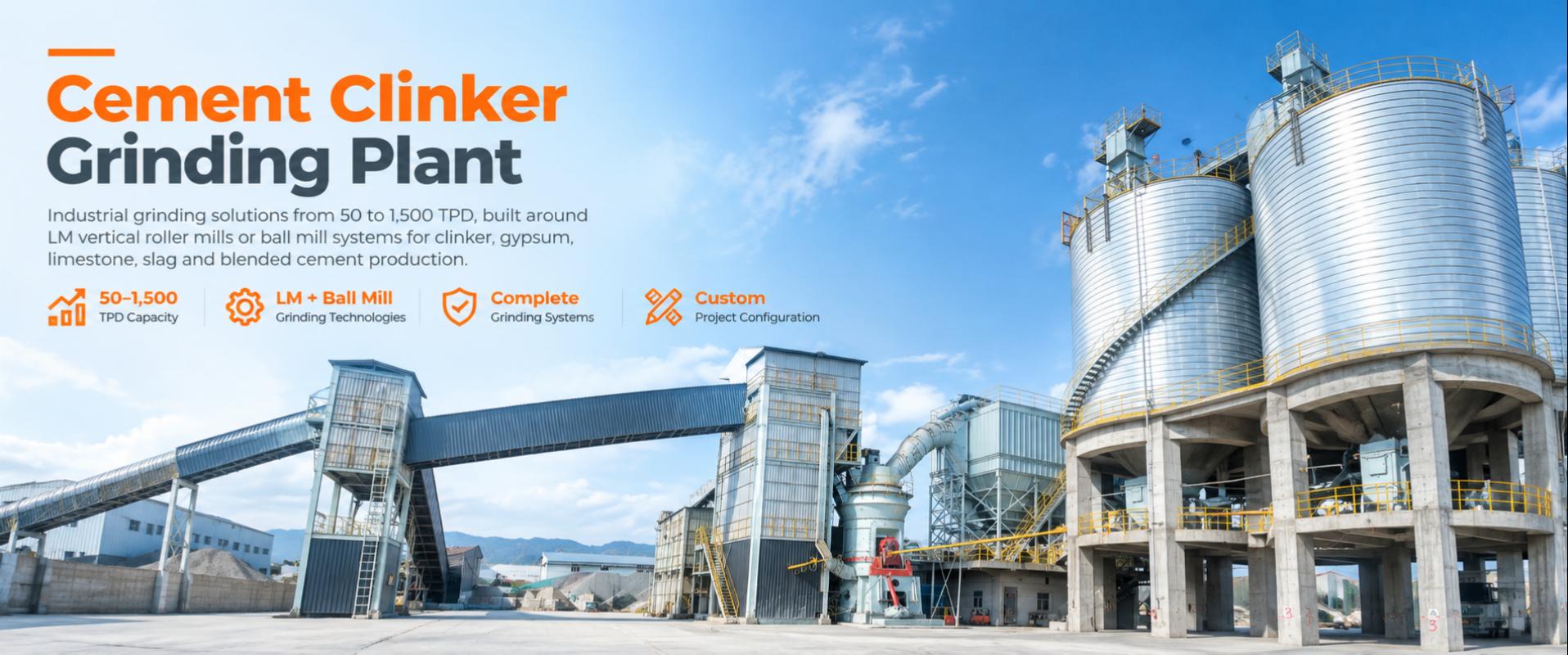
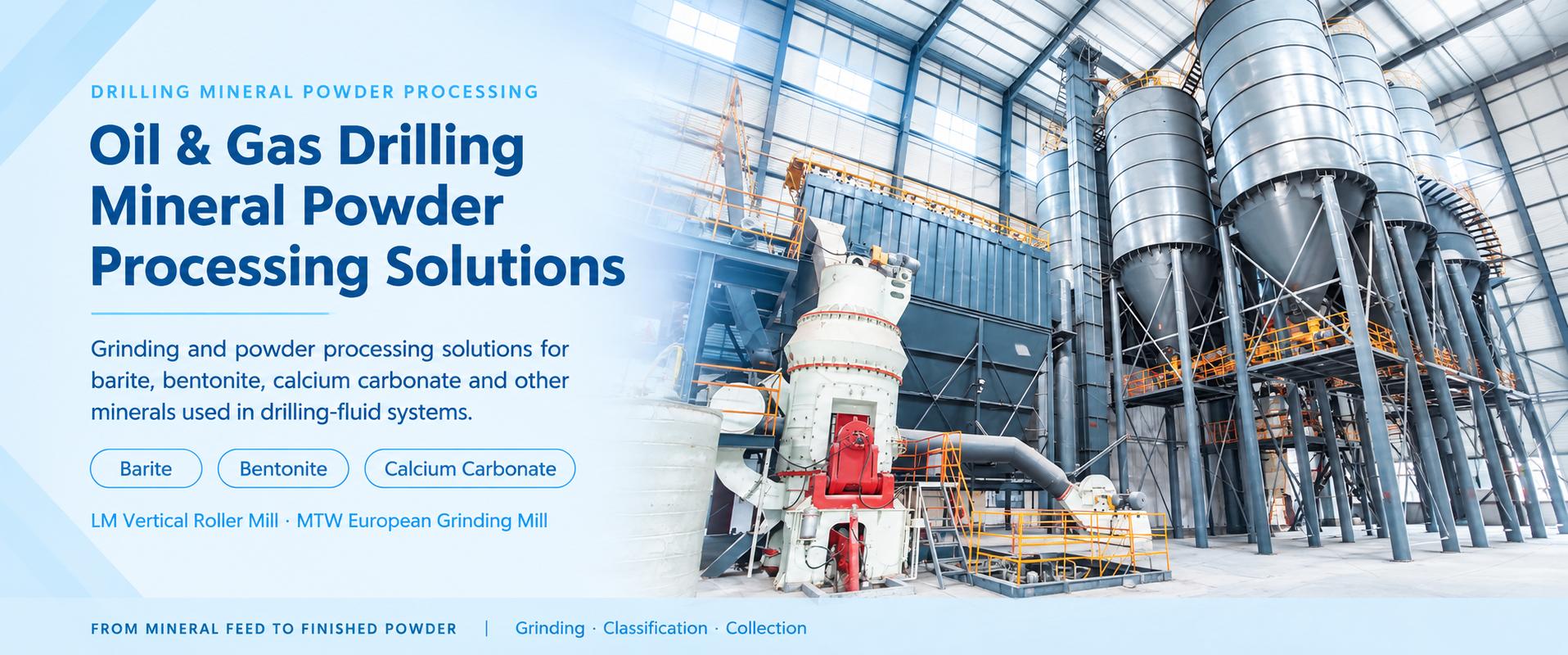
Cement clinker grinding equipment is used to process clinker with gypsum and suitable mineral additives into finished cement. A complete cement grinding system normally includes material storage, feeding and dosing, grinding, classification, dust collection, conveying, finished-cement storage, packing, bulk loading, and automation equipment.
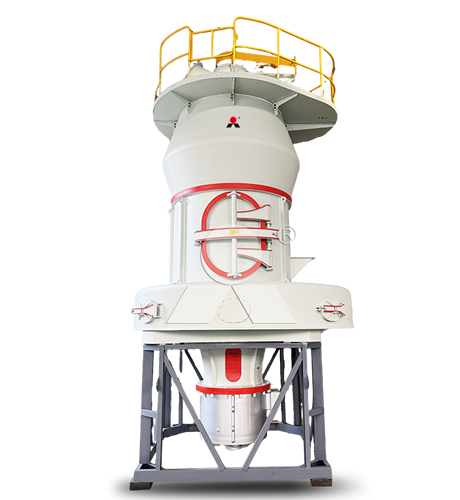
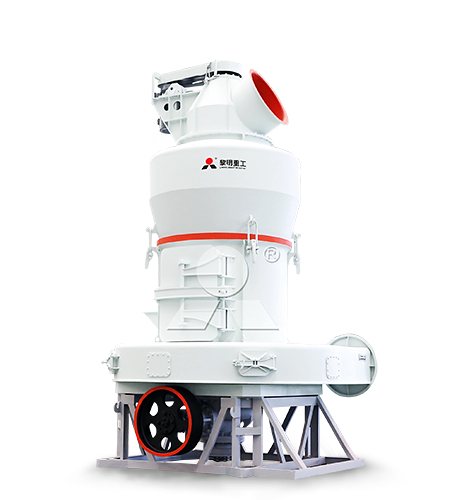
Liming Heavy Industry provides cement clinker grinding solutions built around two main grinding technologies: the LM Vertical Roller Mill and the cement ball mill. Both can be configured for clinker grinding and blended cement production using limestone, slag, fly ash, and other suitable additives. For integrated cement plant projects, Liming Heavy Industry also provides rotary kilns, calcining kilns, and related equipment for clinker production and industrial calcination.
What Is Cement Clinker Grinding?
Cement clinker is the main intermediate material used to produce Portland cement. After clinker is produced in a rotary kiln and cooled, it is stored and then ground into fine powder with gypsum. Depending on the cement specification, limestone, granulated blast-furnace slag, fly ash, pozzolan, or other suitable mineral materials can also be added during the grinding process.
The purpose of grinding is to obtain the required cement fineness and particle size distribution. Fineness influences cement hydration, strength development, setting characteristics, and workability. The grinding system must therefore maintain a balance between production capacity, specific power consumption, product quality, wear-part consumption, and operating stability.
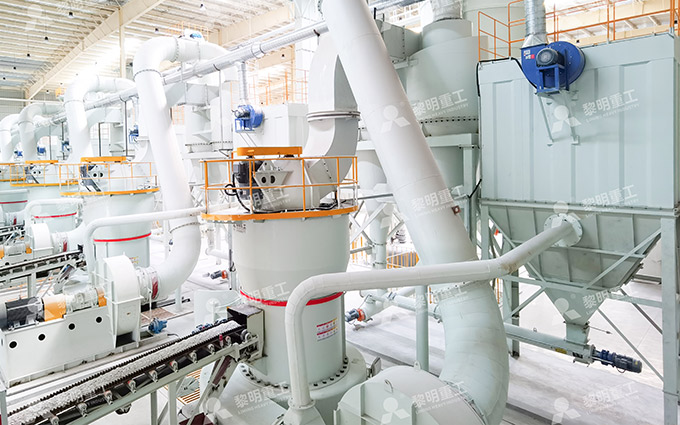
In a typical grinding circuit, clinker and additives are proportioned through dosing equipment, ground in an LM Vertical Roller Mill or cement ball mill, classified according to target fineness, collected by dust-control equipment, and transferred to finished-cement silos. In closed-circuit systems, coarse particles are returned to the grinding machine for additional processing while qualified fine cement is collected as final product. [30][32]
Main Grinding Equipment
| Equipment | Main Function | Typical Application |
|---|---|---|
| LM Vertical Roller Mill | Grinds, classifies, and can support drying of clinker and additives in one integrated system | New cement grinding plants, blended cement projects, compact layouts, and applications requiring integrated classification |
| Cement Ball Mill | Grinds clinker and additives through impact and attrition from steel grinding media | Conventional closed-circuit cement grinding systems, plant upgrades, and sites with existing ball mill infrastructure |
| Dynamic Separator | Separates fine finished cement from coarse material for return grinding | Ball mill closed-circuit systems and selected grinding-circuit configurations |
| Bag Filter | Collects fine cement particles and controls dust emissions | Mill outlet, separator, material transfer, silo venting, packing, and loading points |
| Process Fan | Provides airflow for material transport, ventilation, classification, and dust collection | Vertical roller mills, ball mill circuits, separators, and dust-control systems |
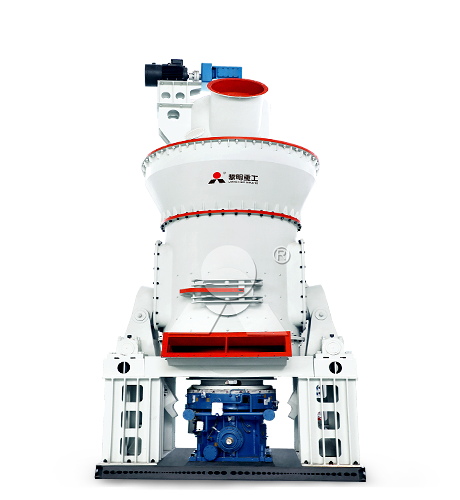
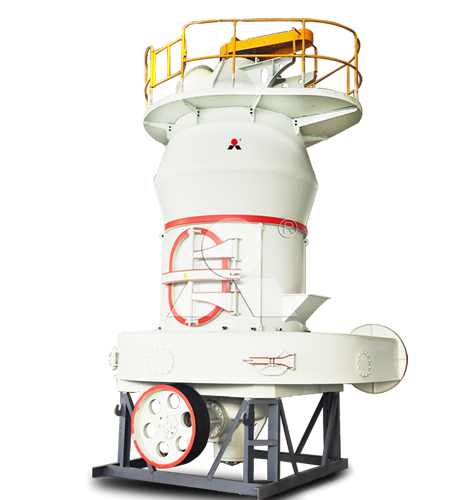
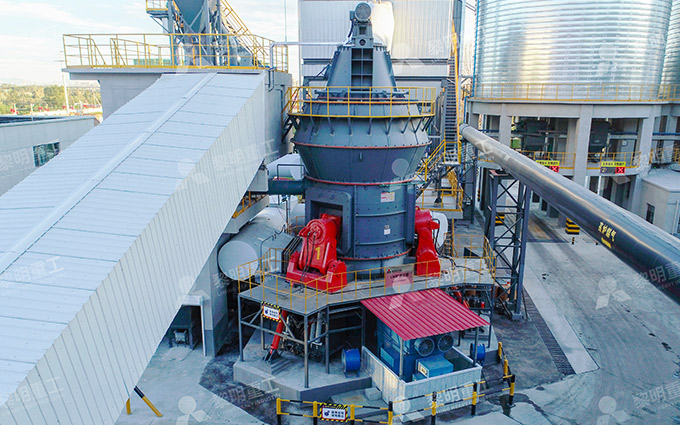
LM Vertical Roller Mill
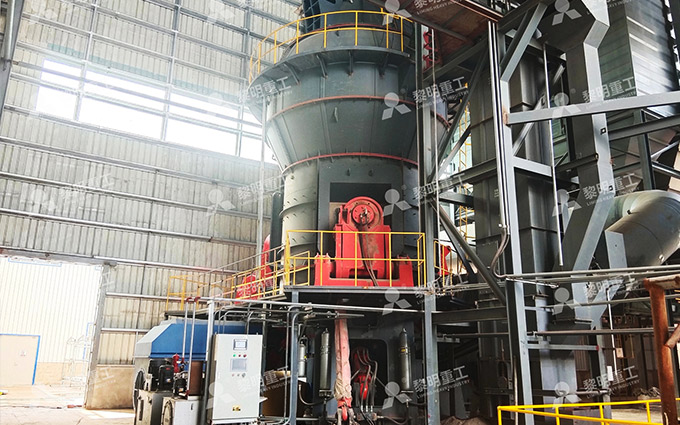
The LM Vertical Roller Mill is Liming Heavy Industry’s recommended vertical grinding solution for cement clinker and blended cement production. It uses grinding rollers to apply pressure to a material bed on a rotating grinding table. Material is reduced by compression and shearing, then transported by process air toward the integrated dynamic classifier.
Fine material that meets the required cement fineness exits the mill with the gas stream and is collected by the dust-control system. Coarse particles are rejected by the classifier and fall back onto the grinding table for further grinding. This arrangement combines grinding and classification in a compact vertical process configuration.
The LM Vertical Roller Mill can be configured to process cement clinker, gypsum, limestone, slag, fly ash, and other suitable mineral additives. When appropriate hot gas is available, it can also support simultaneous grinding and drying of materials with moisture. Vertical roller mills are commonly used in cement grinding because they integrate crushing, drying, grinding, classification, and material transport within one process system. [27][32]
Key Features of LM Vertical Roller Mill
Integrated grinding and dynamic classification in one main equipment system.
Suitable for clinker, gypsum, limestone, slag, fly ash, and other suitable cement additives.
Compact vertical layout that can reduce the required plant footprint.
Grinding by roller pressure rather than a large steel-ball charge.
Flexible finished-cement fineness control through classifier and process adjustments.
Capability to support drying and grinding where material moisture and hot-gas conditions require it.
Suitable for new cement grinding plants, capacity expansion projects, and selected modernization projects.
PLC automation capability for feed rate, grinding pressure, vibration, airflow, temperature, and separator speed control.
Cement Ball Mill
A cement ball mill is a traditional and proven machine for clinker grinding. It consists of a horizontal rotating shell containing steel grinding media. As the mill rotates, the grinding balls are lifted by the mill liners and then fall or cascade onto the clinker and additives, reducing the material through impact, friction, and attrition.
Most cement ball mills are used in a closed-circuit grinding system with a separate high-efficiency separator. The mill produces a mixture of fine and coarse particles. The separator then classifies this material, sending qualified fine cement to the collection and storage system while returning coarse particles to the ball mill for further grinding.
A typical ball mill may contain two or three grinding compartments, with the size of the grinding media generally becoming smaller from the inlet side to the discharge side. The first compartment performs coarse grinding, while later compartments focus on fine grinding to achieve the required finished-cement fineness. [30][33]
Key Features of Cement Ball Mill
Proven grinding technology for cement clinker and blended cement production.
Suitable for clinker mixed with gypsum, limestone, slag, fly ash, and other appropriate additives.
Compatible with high-efficiency separators in a closed-circuit grinding arrangement.
Suitable for different cement capacities, fineness requirements, and product formulations.
Practical for sites with existing ball mill buildings, foundations, separators, and material-handling infrastructure.
Provides stable operation when grinding media, ventilation, feed rate, and separator performance are properly controlled.
Can be integrated with cement silos, packing equipment, bulk loading systems, dust collection, and process automation.
Supporting Equipment
The main grinding machine is only one part of a cement clinker grinding plant. Supporting equipment must be designed as a coordinated system to maintain continuous material flow, accurate proportions, stable grinding conditions, product-quality control, and environmental performance.
| Supporting Equipment | Main Purpose |
|---|---|
| Clinker Storage System | Receives, stores, protects, and discharges clinker to the grinding line |
| Gypsum and Additive Storage | Stores gypsum, limestone, slag, fly ash, and other cement additives separately |
| Weigh Feeders and Dosing Units | Controls the proportion of clinker, gypsum, and additives in the cement formulation |
| Bucket Elevators | Vertically lifts clinker, ground material, separator rejects, or finished cement |
| Belt Conveyors | Transports bulk clinker and other materials between storage and process equipment |
| Screw Conveyors | Moves powdered or fine materials over short distances |
| Air Slides | Transports fine cement powder using low-pressure air |
| High-Efficiency Separator | Controls finished-cement fineness and returns coarse material for regrinding |
| Bag Filter | Captures dust and fine product particles from process gas and transfer points |
| Process Fan | Maintains airflow through the mill, separator, ducts, and filtration system |
| Cement Silo | Stores finished cement before packing or bulk dispatch |
| Cement Packing Machine | Fills finished cement into bags for distribution and sale |
| Bulk Loading System | Loads loose cement into bulk trucks, railcars, or terminals |
| PLC Control System | Monitors and controls production, dosing, power use, pressure, temperature, fineness, and alarms |
Typical Cement Grinding Process
A standard cement clinker grinding process begins with clinker receiving and storage. Clinker may arrive from an on-site rotary kiln line, external clinker supplier, port terminal, railway connection, or truck delivery. It is stored in a clinker silo, clinker hall, or other suitable storage system before entering the grinding circuit.
Gypsum and mineral additives are stored separately. Weigh feeders or dosing equipment measure each material according to the cement formulation. The proportioned materials are then sent to the LM Vertical Roller Mill or cement ball mill.
After grinding, the material is classified according to its fineness. In an LM Vertical Roller Mill, classification is integrated into the mill system. In a ball mill circuit, the separator is usually installed as an independent unit. Fine cement is captured by a bag filter or similar collection system, while coarse particles return to the grinding stage.
Finished cement is conveyed to silos for storage, quality confirmation, packing, and bulk dispatch. The complete process requires stable operation of feeders, mill drives, separators, fans, filters, conveying equipment, silos, and automation controls. Separator speed and mill airflow are key factors in controlling product fineness in closed-circuit grinding systems. [30][33]
Vertical Roller Mill vs Ball Mill
LM Vertical Roller Mills and cement ball mills can both produce high-quality cement when properly selected and operated. The right choice should be based on total project economics and operating conditions, not only on the price of the main machine.
| Comparison Factor | LM Vertical Roller Mill | Cement Ball Mill |
|---|---|---|
| Grinding method | Compression and shearing between rollers and grinding table | Impact and friction from steel grinding media |
| Classification | Integrated dynamic classifier | Normally uses a separate high-efficiency separator |
| Grinding media | No large steel-ball charge required for the primary grinding process | Requires steel grinding balls and regular media management |
| Process arrangement | Compact system combining grinding, classification, and material transport | Conventional closed-circuit arrangement with mill and separate separator |
| Moisture handling | Can support drying and grinding where hot gas is available and suitable | May require a dedicated drying arrangement for high-moisture materials |
| Maintenance focus | Grinding rollers, grinding table, classifier, hydraulic system, gearbox, and wear parts | Grinding balls, liners, diaphragms, bearings, gears, lubrication system, and separator |
| Suitable project conditions | New plants, compact layouts, integrated process design, and blended cement production | Conventional grinding plants, upgrades, and sites with existing ball mill infrastructure |
For reference, industry sources commonly identify vertical roller mills and ball mills as the two major equipment families used in cement grinding. Published technical guides also note that closed-circuit systems use separators to return coarse material for additional grinding while collecting qualified fine cement as the final product. [25][30]
Rotary Kiln and Calcining Kiln Equipment
Cement clinker grinding is the final major processing stage in cement production, but clinker itself must first be produced through high-temperature thermal processing. For integrated cement projects, Liming Heavy Industry can provide rotary kilns and calcining kilns together with grinding equipment and supporting systems.
A rotary kiln is the central thermal-processing machine in a clinker production line. Properly prepared raw meal enters the kiln system, where it is heated, calcined, and sintered to form cement clinker. After leaving the kiln, the clinker is cooled, stored, and then transferred to the cement grinding plant.
A calcining kiln can be configured for suitable industrial mineral-processing applications that require controlled high-temperature treatment. The final kiln configuration depends on the feed material, desired chemical transformation, production capacity, fuel type, process temperature, emission-control requirement, and final product specification.
An integrated cement plant may include raw-material crushing, raw meal grinding, preheating, calcination, rotary kiln processing, clinker cooling, clinker storage, cement grinding, finished-cement storage, packing, bulk loading, dust collection, and automated controls. Clinker production is typically carried out through high-temperature pyroprocessing in large kiln systems before the clinker is ground into cement. [25][33]
How to Select Cement Grinding Equipment
Selecting cement clinker grinding equipment requires detailed technical evaluation. The mill, separator, process fan, bag filter, conveyors, silos, and packing equipment must be designed to work together at the required capacity and product quality level.
Required cement output in tons per hour, tons per day, or tons per year.
Required cement types, including ordinary Portland cement and blended cement products.
Clinker feed size, moisture, hardness, grindability, and chemical composition.
Gypsum, limestone, slag, fly ash, and other additive proportions.
Target cement fineness, Blaine value, residue requirement, and strength specification.
Material moisture and any drying requirement.
Available plant area, building height, foundation conditions, and site layout.
Local electrical supply, power cost, and automation requirements.
Finished-cement storage capacity, packing requirement, and bulk loading demand.
Whether the project is a new plant, plant expansion, equipment replacement, or modernization project.
Whether rotary kiln and calcining kiln equipment is also required for clinker production or mineral calcination.
Conclusion
Cement clinker grinding equipment includes far more than the main mill. A complete system requires storage, feeding, proportioning, grinding, classification, dust collection, conveying, cement silos, packing, loading, electrical control, and automation equipment.
Liming Heavy Industry recommends the LM Vertical Roller Mill and cement ball mill as the main grinding solutions for clinker and blended cement production. The LM Vertical Roller Mill is suitable for projects seeking a compact integrated grinding and classification configuration, while the cement ball mill remains a proven option for conventional closed-circuit grinding systems and sites with compatible existing infrastructure.
For integrated cement production projects, Liming Heavy Industry can also provide rotary kilns, calcining kilns, and related equipment to support clinker production, material processing, and complete cement plant development.